


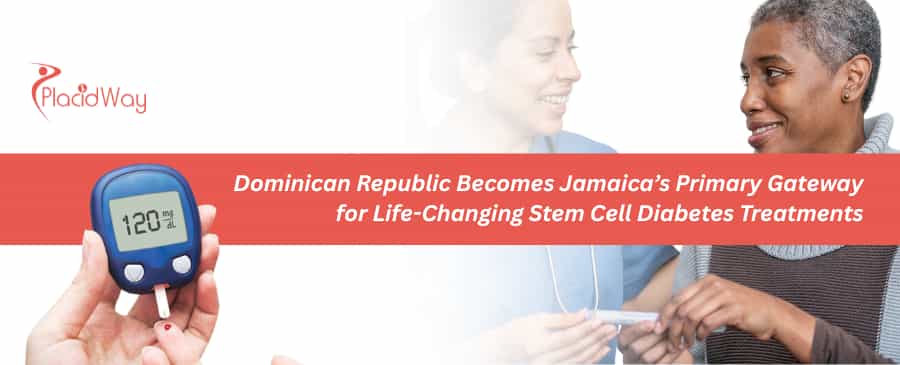
The landscape of international healthcare is rapidly evolving, offering innovative solutions for chronic conditions across borders. Recently, neighboring Caribbean nations have seen a significant shift in patient movement seeking advanced regenerative therapies. For many individuals managing complex metabolic conditions, finding accessible and advanced care is a primary focus. The search for comprehensive medical solutions frequently leads patients to explore options beyond their home country's current healthcare infrastructure.
This rising demand has highlighted specific regional hubs that combine medical expertise with geographical proximity. Patients are increasingly looking toward international options when local medical facilities do not yet support specific regenerative protocols. As a result, discovering affordable stem cell diabetes treatment in neighboring countries has emerged as a vital focal point for Caribbean citizens seeking specialized care. This shift marks a notable development in how regional healthcare challenges are being addressed.
The Caribbean is rapidly becoming a recognized region for specialized medical tourism, drawing patients from North America and neighboring islands alike.
- Regenerative medicine focuses on repairing or replacing damaged cells and tissues.
- Regional travel reduces the physical strain often associated with long-haul medical flights.
- Specialized facilities often adhere to stringent international medical guidelines.
Understanding How Stem Cell Therapy for Diabetes Works
Regenerative therapies for metabolic conditions involve complex biological processes that aim to support the body's natural healing mechanisms. Stem cells are unique because they have the potential to develop into various different cell types, depending on the environment they are introduced into. In the context of metabolic disorders, researchers are exploring how these cells might help modulate immune responses or support pancreatic function. It is important to understand that this field is continually advancing, and protocols are highly individualized.
The primary goal of the therapy is generally to reduce systemic inflammation and promote tissue repair within the patient's body. Most patients experience a highly tailored approach, where medical teams evaluate the specific cellular needs before proceeding. Opting for stem cell clinics in Dominican Republic typically means accessing medical professionals who focus intensely on these progressive cellular mechanisms. While the science is promising, outcomes remain highly variable and dependent on individual physiology.
Mesenchymal Stem Cells (MSCs) are highly valued in regenerative medicine for their immunomodulatory properties and their ability to secrete growth factors.
- Therapy aims to target the underlying cellular dysfunction rather than just managing symptoms.
- Anti-inflammatory effects are a primary focus of current regenerative metabolic protocols.
- Treatments are typically designed to complement, not replace, traditional medical management.
Why Medical Tourism in Dominican Republic Appeals to Jamaicans
Geographical convenience plays a substantial role when patients consider international medical care for chronic conditions. The short flight duration between these two Caribbean nations minimizes travel fatigue, which is crucial for individuals managing complex health issues. Additionally, the cultural similarities and welcoming environment help to ease the anxiety often associated with undergoing medical procedures abroad. These logistical and emotional benefits are major driving factors for international patient mobility.
Beyond proximity, the destination has heavily invested in modernizing its healthcare infrastructure to attract a global patient base. Medical tourists frequently find that medical tourism in Dominican Republic offers a compelling blend of advanced technology and highly trained specialists. Furthermore, many medical professionals in these specialized hubs have completed advanced training in North America or Europe. This combination of accessibility and expertise makes it a logical gateway for seeking specialized care.
According to regional tourism boards, medical travel within the Caribbean has seen a steady annual growth, driven largely by the pursuit of specialized regenerative and elective procedures.
- Short, direct or easily connected flights reduce overall physical stress.
- Bilingual medical staff facilitate clear and transparent communication.
- Modern clinical facilities often feature state-of-the-art diagnostic equipment.
Affordable Stem Cell Diabetes Treatment Cost in Dominican Republic vs Jamaica
Financial considerations are often at the forefront of the decision-making process for international medical travelers. Advanced regenerative procedures are notoriously expensive in traditional North American markets, pushing patients to seek alternatives. By exploring cross-border options, individuals can often access similar technological standards without the prohibitive price tags found elsewhere. Transparent pricing structures help patients plan their medical journeys more effectively.
The stem cell diabetes treatment cost in Dominican Republic is generally recognized as highly competitive within the global medical travel market. While these specific advanced therapies are often unavailable locally for Jamaican patients, comparing regional costs with global averages illustrates the financial advantage. Patients are typically encouraged to review detailed treatment quotes that outline exactly what medical services are included. Cost variations usually depend on the specific type of cells utilized and the required dosage.
| Procedure Name | Average Cost in Dominican Republic | Cost Comparison (Jamaica / US) |
|---|---|---|
| Standard Mesenchymal Stem Cell (MSC) IV Therapy | $5,000 - $8,000 | Unavailable / $15,000+ (US) |
| Comprehensive Multi-Day Regenerative Package | $8,000 - $12,000 | Unavailable / $25,000+ (US) |
| Localized Supportive Cellular Injections | $4,000 - $7,000 | Unavailable / $12,000+ (US) |
Types of Stem Cell Treatments Available for Diabetic Patients
The field of regenerative medicine utilizes various cellular sources, each chosen based on strict clinical guidelines and patient needs. The most prevalent approach involves Mesenchymal Stem Cells (MSCs), which are known for their ability to differentiate into varied tissue types. These cells are typically ethically sourced from donated umbilical cord tissue, specifically Wharton’s jelly, following rigorous screening protocols. Alternatively, some clinical protocols utilize autologous cells, which are harvested directly from the patient’s own body.
Selecting the appropriate cellular source is a critical decision made by the attending medical specialist after thorough evaluation. Finding an experienced stem cell therapy specialist ensures that patients receive guidance on which specific protocol aligns with their metabolic condition. All cellular materials undergo extensive laboratory testing to ensure purity, viability, and safety before administration. The tailored approach generally dictates whether an allogeneic (donor) or autologous (self) strategy is employed.
Umbilical cord-derived stem cells are highly sought after because they are "immune-privileged," meaning they generally have a lower risk of triggering an adverse immune response in the recipient.
- Autologous Adipose-Derived: Extracted from the patient's own fat tissue through a minor minimally invasive procedure.
- Allogeneic Umbilical Cord: Sourced from healthy donors post-childbirth, offering robust and youthful cellular properties.
- Bone Marrow Aspirate: Occasionally utilized depending on the specific systemic requirements of the patient.
The Patient Consultation and Evaluation Process
Before any cellular therapy is administered, a comprehensive and strict medical evaluation is absolutely mandatory to ensure patient suitability. This preliminary phase involves a deep dive into the patient's medical history, current metabolic stability, and previous medical interventions. Physicians rely on this data to rule out any strict contraindications that could make the procedure unsafe. International patients generally begin this process via secure telemedicine consultations before traveling.
Upon arrival, patients undergo a battery of physical examinations and laboratory tests to confirm the initial remote findings. During this time, the stem cell clinics in Dominican Republic finalize the customized treatment blueprint tailored to the patient’s biochemistry. Clear communication regarding realistic expectations and the supportive nature of the therapy is established during these final consultations. This thorough vetting process is crucial for maintaining high ethical and safety standards.
Always gather and translate (if necessary) your most recent comprehensive blood panels, HbA1c results, and detailed medical history before your initial remote consultation.
- Initial consultations focus heavily on reviewing long-term glucose management records.
- Blood work generally screens for active infections, organ function, and inflammatory markers.
- Patients must disclose all current medications, especially blood thinners or immunosuppressants.
What to Expect During the Stem Cell Treatment Procedure
The actual administration of the therapy is typically designed to be as minimally invasive and comfortable as possible for the patient. Procedures are usually performed in an outpatient clinical setting equipped with advanced monitoring technology. Most patients experience a calm environment where the medical staff closely observes their vital signs throughout the process. The entire clinical session is generally completed within a few hours, depending on the dosage.
The most common delivery method for systemic metabolic support is through a slow intravenous (IV) drip. Those receiving affordable stem cell diabetes treatment may also undergo supplementary localized injections if prescribed by the specialist. Throughout the administration, patients are awake and can typically read, listen to music, or simply relax. Immediately following the procedure, a short observation period is required before the patient is cleared to return to their lodging.
Intravenous administration is generally preferred for systemic conditions because it allows the cells to circulate throughout the bloodstream and home in on areas of inflammation.
- Sterile IV placement is performed by experienced registered nurses or physicians.
- The cellular solution is carefully thawed and prepared in an on-site laboratory just before use.
- Post-procedure monitoring typically lasts for one to two hours.
Recovery Timelines and Post-Treatment Care Guidelines
Following the administration of regenerative cells, the body requires a dedicated period to process and integrate the therapy. Immediate recovery is generally swift, allowing most individuals to resume light, normal activities within a few days of the procedure. However, the biological processes initiated by the cells occur on a microscopic level over several months. Patients must understand that this is not a rapid fix, but a gradual biological response.
Strict adherence to post-treatment guidelines is essential for supporting potential cellular efficacy. Medical professionals engaged in medical tourism in Dominican Republic usually provide comprehensive lifestyle and dietary instructions to take back home. Patients are generally advised to avoid strenuous physical exertion, alcohol, and certain anti-inflammatory medications during the initial weeks. Ongoing remote follow-ups help track progress and manage the transition back to local medical care.
Maintain a detailed daily log of your blood sugar levels, energy levels, and overall well-being in the months following the treatment to share with your healthcare providers.
- Adequate hydration and a nutrient-rich diet are crucial for supporting cellular health post-procedure.
- Avoid drastic changes to existing diabetes medications unless explicitly directed by your primary endocrinologist.
- Attend all scheduled remote follow-up appointments with the treating international clinic.
Managing Risks and Understanding Patient Safety Protocols
Patient safety must always be the paramount concern when engaging in any advanced medical procedure abroad. While regenerative medicine is generally considered to have a favorable safety profile, it is not devoid of potential complications. Strict contraindications exist for individuals with active active cancers, severe uncontrolled infections, or certain hematological conditions. Comprehensive screening is the first and most critical line of defense against adverse events.
Reputable facilities adhere strictly to international laboratory standards to mitigate the risk of contamination or cellular degradation. When evaluating stem cell clinics in Dominican Republic, ensuring they possess the necessary local accreditations and utilize certified clean rooms is essential. Most patients experience no severe adverse effects; however, minor reactions such as low-grade fever or mild fatigue can temporarily occur. Transparency regarding these risks is a hallmark of ethical medical practice.
Stem cell therapy is a highly specialized medical procedure. It is crucial to disclose your complete medical history, as certain underlying conditions may strict contraindications for this therapy.
- Facilities should utilize third-party testing for cell viability and sterility.
- Emergency protocols and on-site acute care capabilities must be established.
- Patients must sign detailed informed consent documents detailing all potential risks.
Expected Outcomes and Efficacy in Managing Blood Sugar
It is imperative to set realistic expectations regarding the outcomes of regenerative therapies for metabolic disorders. Current clinical consensus views these treatments as supportive measures rather than definitive, guaranteed cures for chronic conditions. The fundamental aim is generally to help stabilize metabolic function and potentially improve overall quality of life. Efficacy varies widely among individuals based on age, disease duration, and overall health status.
While some patients report positive shifts in their daily management, others may experience more subtle, gradual changes. Seeking affordable stem cell diabetes treatment should be viewed as integrating a new tool into an ongoing health management strategy. Continuous monitoring by a primary care physician remains essential to evaluate any biological shifts accurately. No responsible medical provider will ever guarantee specific clinical results.
Clinical research indicates that the therapeutic effects of stem cell interventions for metabolic conditions typically begin to be observed between 3 to 6 months post-administration, depending on the patient's individual biological response.
- Potential outcomes may include improved energy levels and better stabilization of glucose metrics.
- Long-term success is heavily dependent on maintaining a healthy, physician-approved lifestyle.
- Results are not immediate and require patient patience and careful medical observation.
Preparing for Your Medical Journey from Jamaica to the Dominican Republic
Thorough preparation is the foundation of a successful and stress-free international medical travel experience. Coordinating a medical trip requires careful attention to both health-related logistics and standard travel requirements. Patients must ensure that their passports are valid and that they understand the specific entry regulations for medical visitors. Planning ahead allows the individual to focus entirely on their treatment and recovery once they arrive.
Organizing personal affairs and securing a supportive travel companion can significantly enhance the overall experience. Engaging with experts in medical tourism in Dominican Republic can streamline the acquisition of necessary medical clearances for travel. It is highly recommended to arrive at least a day prior to any scheduled consultations to rest and acclimate. Proper logistical planning ultimately supports a better physiological environment for the upcoming procedure.
Traveling with comprehensive medical travel insurance is a critical step that covers unexpected health changes or travel disruptions during your journey abroad.
- Carry all physical copies of your medical records and specialist referrals in your hand luggage.
- Pack comfortable, loose-fitting clothing to wear during and immediately after the clinical sessions.
- Notify your local bank of your travel plans to ensure access to funds while abroad.
Legal and Ethical Standards for Stem Cell Clinics in Dominican Republic
Navigating the regulatory landscape of international healthcare is vital for ensuring you receive safe and ethical treatment. In recent years, healthcare authorities in popular medical destinations have worked to implement stricter oversight on regenerative medicine practices. These regulatory frameworks are designed to protect international patients and standardize the quality of cellular products used. Ethical clinics operate transparently within these legal boundaries and welcome patient inquiries regarding their certifications.
Patients should actively seek out facilities that prioritize international best practices and maintain rigorous quality control. The best stem cell clinics in Dominican Republic adhere not only to local Ministry of Health guidelines but often seek secondary international accreditations. Ethical providers will provide clear documentation regarding the origin, processing, and viability of the cellular materials. This commitment to compliance is a strong indicator of a trustworthy medical institution.
Legitimate regenerative medicine clinics will always have a licensed medical director on staff and follow strict bio-ethical guidelines for cell procurement.
- Verify that the clinic is officially registered with the national health ministry.
- Ethical clinics do not use embryonic stem cells, relying instead on ethical adult or umbilical sources.
- Transparency in sharing laboratory safety data is a requirement for reputable providers.
Real Patient Experiences with Diabetes Stem Cell Therapy
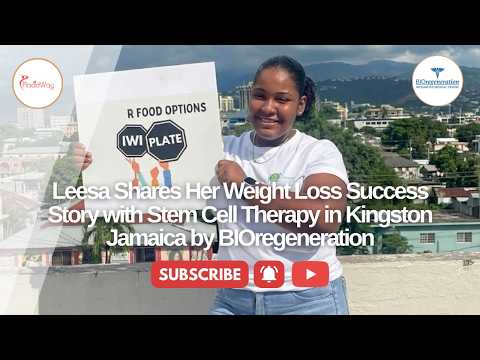
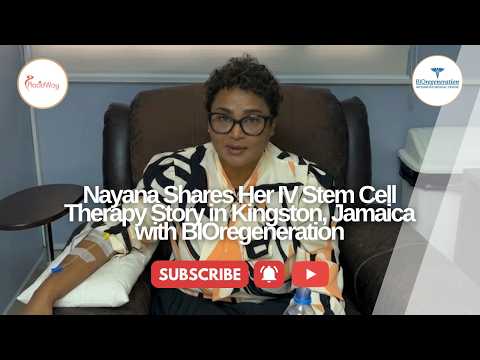
Understanding the journeys of those who have previously navigated this process provides valuable perspective for prospective patients. First-hand accounts often highlight the logistical ease of traveling regionally and the professionalism encountered within the clinical settings. While medical outcomes are strictly individual, reading about patient experiences can demystify the international treatment process. These stories frequently underscore the importance of comprehensive pre-treatment research and realistic expectations.
Many Caribbean residents have shared how seeking specialized care abroad positively impacted their approach to managing their metabolic health. Reviews of affordable stem cell diabetes treatment often emphasize the compassionate care and modern facilities found in the destination. Hearing from others helps to validate the decision-making process for those considering cross-border healthcare options. Below are summaries of experiences from individuals who have undergone similar medical journeys.
Marcus T. – A Journey to Better Management
Marcus traveled from Kingston seeking advanced support for his long-standing metabolic condition. He noted that the clinical evaluation was incredibly thorough and appreciated the clear communication regarding the realistic, supportive nature of the therapy.
Sarah L. – Finding Regional Expertise
Unable to find the specific cellular therapies she was researching locally, Sarah opted for a short flight to access care. She found the medical staff to be highly trained and felt completely safe during her IV administration process.
David W. – Supportive Care and Follow-up
David was impressed by the rigorous post-treatment guidelines provided by his international physicians. He reported that the continuous remote follow-up appointments helped him integrate the dietary changes needed to support his therapy.
Elena R. – A Transparent Process
Elena appreciated the absolute transparency regarding treatment costs and potential risks before she even booked her flight. She experienced mild fatigue initially but felt the overall professional medical environment exceeded her expectations.
How PlacidWay Assists Your Stem Cell Diabetes Treatment Medical Tourism Journey in Dominican Republic
Navigating the complexities of international healthcare requires reliable guidance and trusted connections. Finding the right medical facility that meets rigorous global standards can be overwhelming for patients attempting to coordinate care independently. Access to an established platform helps streamline the process of identifying qualified providers who specialize in advanced regenerative protocols. Dedicated support ensures that patients can focus on their health evaluations rather than administrative hurdles.
PlacidWay serves as an essential resource for individuals pursuing specialized treatments across international borders. By facilitating direct connections between patients and accredited clinical teams, the platform enhances the efficiency of the medical journey. Those looking into medical tourism in Dominican Republic can utilize these services to make informed, confident healthcare decisions. Here is how PlacidWay provides value-based assistance for your medical journey:
- Connecting patients with internationally accredited medical facilities and specialized specialists.
- Facilitating seamless and secure communication between the patient and the foreign medical team.
- Assisting in the secure transfer of necessary medical records and preliminary evaluation documents.
- Providing detailed, transparent profiles of clinics, including their certifications and specialized capabilities.
- Helping patients obtain comprehensive preliminary quotes for requested medical procedures directly from providers.
- Offering access to verified patient reviews and educational resources about regenerative medicine options.
- Supporting the scheduling of remote telemedicine consultations prior to international travel.
Frequently Asked Questions (FAQs)
Is stem cell therapy a guaranteed cure for diabetes?
Stem cell therapy is not a guaranteed cure for diabetes and results can vary significantly between patients. It is generally utilized as a supportive treatment aiming to improve cellular function and manage symptoms.
Why do Jamaican patients travel to the Dominican Republic for this treatment?
Jamaican patients typically travel to the Dominican Republic due to the geographical proximity and the availability of specialized regenerative medicine facilities. Additionally, the overall cost of care is generally more affordable compared to North American options.
How long does the stem cell procedure take?
The actual administration of stem cells usually takes a few hours within a clinical setting. However, patients are generally advised to plan for a multi-day trip to accommodate pre-evaluations and post-treatment monitoring.
Are there side effects associated with stem cell therapy?
Most patients experience minimal side effects, such as mild fatigue or localized soreness at the injection site. However, all medical procedures carry inherent risks, which should be discussed thoroughly with a qualified healthcare provider.
What types of stem cells are most commonly used for diabetes?
Mesenchymal stem cells (MSCs) are currently the most commonly utilized type in clinical settings for metabolic conditions. These are typically sourced from ethical tissues such as umbilical cord Wharton’s jelly or the patient's own adipose tissue.
Do Jamaican citizens need a visa to enter the Dominican Republic?
Jamaican passport holders generally do not require a tourist visa for short medical trips to the Dominican Republic. It is always recommended to verify current entry requirements with official consular services prior to travel.
How is the treatment administered?
The therapy is typically administered via intravenous (IV) drip under strict medical supervision. In some specific protocols, localized injections may also be utilized depending on the patient's comprehensive treatment plan.
Can Type 1 diabetics receive this treatment?
While some clinical protocols address Type 1 diabetes by aiming to modulate the immune system, the therapy is more commonly applied to Type 2 diabetes to support tissue regeneration. Suitability must be determined through a rigorous medical evaluation.
When can patients expect to see potential improvements?
If beneficial effects occur, most patients generally begin to notice gradual changes within three to six months following the procedure. Continuous monitoring of blood glucose levels and adherence to lifestyle modifications are essential.
How does PlacidWay help with this medical journey?
PlacidWay assists patients by connecting them with internationally accredited clinics and facilitating seamless communication with medical teams. They also help coordinate the secure transfer of necessary medical records for preliminary evaluations.
Ready to explore your options for Stem Cell Diabetes Treatment abroad? Let PlacidWay connect you with top-tier international medical providers today.
References
- National Institutes of Health (NIH). Stem Cell Basics. https://stemcells.nih.gov/info/basics/stc-basics
- Mayo Clinic. Stem cells: What they are and what they do. https://www.mayoclinic.org/tests-procedures/bone-marrow-transplant/in-depth/stem-cells/art-20048117
- American Diabetes Association (ADA). Type 2 Diabetes Overview. https://diabetes.org/about-diabetes/type-2
- World Health Organization (WHO). Diabetes Fact Sheet. https://www.who.int/news-room/fact-sheets/detail/diabetes



















Share this listing