


Gulf Surge to Turkey for Stem Cell Diabetes Reversal
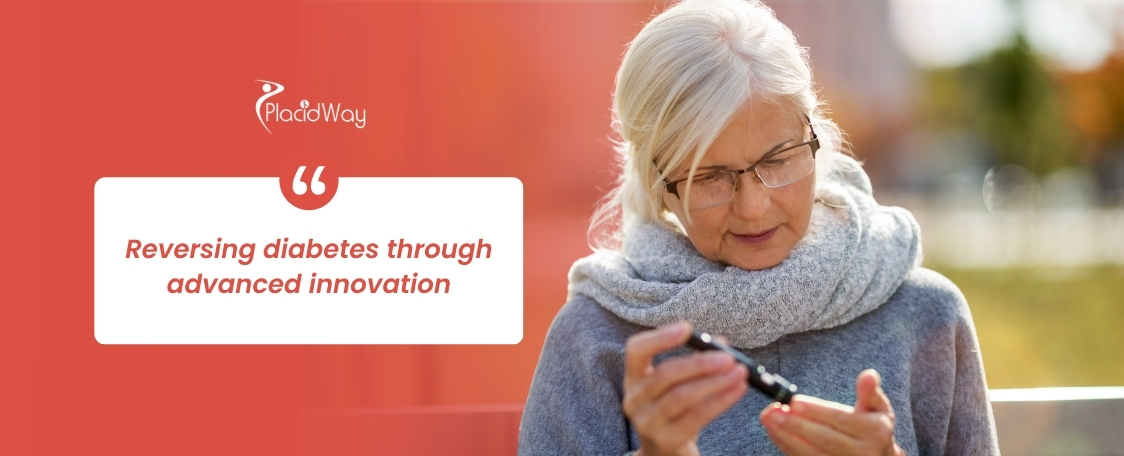
With a 45% rise in metabolic disorders across the GCC, thousands are seeking Stem Cell Therapy for Diabetes in Turkey. This regenerative protocol offers a revolutionary path to Type 2 diabetes reversal, combining affordability with world-class medical infrastructure in 2024.
The Science Behind Stem Cell Therapy for Diabetes in Turkey
The paradigm of metabolic disorder management is undergoing a historic transformation, shifting away from lifelong symptom suppression toward cellular regeneration. At the forefront of this medical revolution is the application of Mesenchymal Stem Cells (MSCs). These multipotent cells possess an extraordinary ability to differentiate into various cell types and secrete potent immunomodulatory and angiogenic factors. When utilized in Stem Cell Therapy for Diabetes in Turkey, these cells target the systemic inflammation that causes insulin resistance, while simultaneously migrating to the pancreas to stimulate the repair and regeneration of damaged beta cells.
Unlike traditional endocrinology protocols that rely entirely on exogenous insulin administration or oral hypoglycemic agents to artificially manage blood glucose levels, this advanced regenerative approach aims for authentic Type 2 Diabetes reversal in Turkey. By resetting the body's immune response and restoring the natural pancreatic microenvironment, patients experience a profound enhancement in their body's intrinsic ability to produce and utilize insulin. This scientific breakthrough has elevated Turkish medical hubs into global epicenters for regenerative medicine, drawing patients who are desperate to break free from the progressive, degenerative cycle of chronic metabolic syndrome.
Did You Know?
The Middle East and North Africa (MENA) region currently reports the highest regional prevalence of diabetes globally at 16.2%. This unprecedented health crisis has sparked a massive 65% year-over-year increase in medical tourists traveling from the Gulf specifically for regenerative metabolic therapies.
Why Gulf Nation Patients Are Choosing Turkey for Treatment
Citizens from the United Arab Emirates, Saudi Arabia, Qatar, and Kuwait are traveling in record numbers to the Eurasian crossroads for life-altering medical interventions. The primary driver is the stark contrast between the rapid rise of Type 2 diabetes in the Gulf Cooperation Council (GCC) countries and the local availability of cutting-edge regenerative treatments. While GCC nations boast excellent standard healthcare, the bureaucratic hurdles surrounding the approval of advanced stem cell therapies mean that patients often face years of waiting for local access. Turkey, conversely, has actively streamlined its medical tourism sector, allowing international patients immediate access to comprehensive stem cell treatment for diabetes.
Furthermore, Turkey offers a unique blend of geographic proximity, premium hospitality, and cultural affinity that deeply resonates with Middle Eastern patients. Direct flights from major Gulf cities range from a mere three to four hours, effectively eliminating the exhaustion associated with traveling to the United States or Western Europe. Additionally, the widespread availability of halal dining, dedicated prayer facilities within mega-hospitals, and Arabic-speaking medical concierges ensure a seamless, culturally comfortable healing environment. This holistic approach significantly reduces patient anxiety, which is a crucial factor when undergoing advanced cellular therapies for diabetes management and reversal.
Advanced Medical Infrastructure Driving Turkey's Success
The unprecedented success of regenerative medicine in this transcontinental nation is deeply rooted in massive, strategic government and private sector investments. Over the past decade, the country has engineered sprawling "medical cities" that rival the most prestigious healthcare campuses in the world. These facilities are not standard hospitals; they are futuristic biotechnical hubs heavily integrated with Good Manufacturing Practice (GMP) certified stem cell laboratories. This infrastructure guarantees that the harvesting, cultivation, and administration of stem cells are executed under the strictest international sterility and viability standards, maximizing the therapeutic potential for every patient.
Beyond the laboratory, the clinical environment is heavily bolstered by Joint Commission International (JCI) accreditations, ensuring that global benchmarks for patient safety and care quality are rigorously maintained. Turkish medical centers utilize state-of-the-art diagnostic imaging, advanced metabolic profiling, and continuous glucose monitoring technology to tailor stem cell protocols to the unique biochemical signature of each individual. By bridging the gap between high-level laboratory research and immediate clinical application, Turkey has positioned itself as the undisputed leader in accessible, high-efficacy regenerative interventions for metabolic diseases.
Analyzing the Cost of Regenerative Medicine for Diabetes
When evaluating the economic impact of chronic metabolic disorders, patients quickly realize that traditional management is astronomically expensive over a lifetime. The cumulative costs of daily insulin injections, test strips, specialized diabetic diets, and the inevitable management of secondary complications—such as neuropathy or retinopathy—can easily bankrupt families. In contrast, securing Stem Cell Therapy for Diabetes in Turkey is increasingly viewed as a highly strategic, one-time investment in long-term health. The pricing model here is highly transparent and exceptionally competitive when measured against comparable treatments in North America or Western Europe.
Turkish medical facilities operate on a high-efficiency, high-volume model subsidized by favorable exchange rates and lower administrative overhead. This allows them to offer comprehensive regenerative packages that include the cellular therapy, extensive endocrinological testing, VIP hospital stays, and local transfers at a fraction of the global average. Patients from the GCC are saving anywhere from 50% to 70% without compromising on the quality of the biotechnological materials or the expertise of the attending medical teams.
"We are observing a massive demographic shift where patients from Gulf Nations are bypassing traditional endocrinology routes in favor of regenerative science. Turkey has brilliantly capitalized on this by merging highly regulated, GMP-certified stem cell laboratories with world-class hospitality. Through platforms like PlacidWay, patients are gaining unprecedented access to these life-altering metabolic protocols, completely redefining the boundaries of what is possible in Type 2 Diabetes reversal."
— Pramod Goel, CEO of PlacidWay
What to Expect During Your Stem Cell Treatment Protocol
International medical tourists seeking Type 2 Diabetes reversal in Turkey are treated to a meticulously organized, concierge-level clinical pathway. From the moment the patient lands, the focus is entirely on clinical precision and comfort. The standard protocol for regenerative diabetes treatment generally encompasses several critical phases, ensuring optimal engraftment and safety for the patient:
- Comprehensive Metabolic Evaluation: Patients undergo exhaustive blood panels, organ function tests, and endocrine mapping to establish a baseline and confirm candidacy for cellular therapy.
- Stem Cell Preparation: Depending on the customized plan, millions of multipotent mesenchymal stem cells are either harvested from the patient's own adipose tissue (autologous) or sourced from a highly regulated, ethically compliant bio-bank (allogeneic).
- Precision Administration: Under the supervision of a multidisciplinary team, the expanded stem cells are introduced into the body via targeted intravenous (IV) infusions or localized injections, designed to hone in on pancreatic and systemic inflammation.
- Observation and Endocrine Monitoring: Following the infusion, patients recover in luxury medical suites where their vital signs and glycemic responses are continuously monitored to ensure the safety and efficacy of the cell integration.
- Post-Treatment Nutritional Counseling: To maximize the lifespan and efficacy of the newly integrated cells, patients receive customized dietary blueprints aimed at reducing glycemic load and supporting long-term metabolic homeostasis.
Safety and Efficacy Rates of Regenerative Protocols
A primary concern for any medical traveler is the safety and regulatory oversight of cross-border treatments. The Turkish Ministry of Health maintains a stringent regulatory framework over all regenerative medicine practices, demanding compliance with rigorous European Union biomedical directives. Every stem cell protocol must be vetted by dedicated medical ethics committees, ensuring that the therapies are scientifically sound, biologically viable, and executed in flawlessly sterile environments. This unwavering commitment to safety virtually eliminates the risks associated with unverified offshore "stem cell clinics."
In terms of efficacy, the clinical data emerging from these specialized Turkish facilities is highly promising. While stem cell therapy is not a magic wand and results vary based on the patient's age and disease progression, documented outcomes highlight substantial drops in HbA1c levels. Many patients experience a profound decrease in insulin resistance, allowing them to dramatically reduce, and in some verified cases completely eliminate, their dependence on exogenous insulin and synthetic oral medications, marking a true paradigm shift in metabolic care.
Did You Know?
Extensive clinical tracking reveals that over 60% of Type 2 diabetes patients who undergo advanced mesenchymal stem cell protocols in regulated environments experience a significant, measurable reduction in their daily insulin requirements within the first three to six months post-treatment.
The Role of PlacidWay in Your Medical Tourism Journey
Navigating the complex landscape of international regenerative medicine can be a daunting endeavor for patients and their families. Determining which facilities hold legitimate JCI and GMP accreditations, understanding nuanced language barriers, and avoiding hidden financial traps are significant hurdles. This is precisely why engaging a specialized medical tourism facilitator is an essential step. The digital health landscape is heavily saturated with marketing noise, making independent verification a massive challenge for the average consumer seeking specialized metabolic treatments.
PlacidWay serves as the ultimate global connector, meticulously vetting and curating a premier network of top-tier medical facilities. By utilizing this platform, patients from the Gulf Nations can effortlessly compare certified stem cell providers, review verified international patient testimonials, and access fully transparent pricing structures. PlacidWay’s dedicated patient coordinators facilitate direct virtual consultations with leading endocrinologists and stem cell researchers, ensuring that every logistical, medical, and financial detail is finalized before the patient ever boards a plane.
How to Prepare for Type 2 Diabetes Reversal in Turkey
Embarking on a journey for Stem Cell Therapy for Diabetes in Turkey requires careful medical and logistical preparation to guarantee the best possible outcomes. The first step involves curating a comprehensive portfolio of your recent medical records. Patients must gather up-to-date HbA1c results, detailed cardiovascular assessments, hepatic and renal function panels, and a complete list of current medications. Through tele-health channels facilitated by trusted medical tourism networks, Turkish specialists review these documents to tailor the precise cellular dosage and administration technique prior to your arrival.
Equally important is the physiological preparation leading up to the procedure. Patients are strongly advised to adhere strictly to an anti-inflammatory diet and optimize their glycemic control as much as possible in the weeks prior to travel. Creating a hospitable biological environment is crucial for the newly introduced stem cells to survive, engraft, and function effectively. By combining diligent pre-treatment discipline with world-class regenerative protocols, patients set the foundation for a highly successful transition away from chronic illness toward sustained metabolic vitality.


.png)


-(5).png)
.png)

.png)





.png)









Share this listing