


Filipinos Drive Osaka Stem Cell Boom for Heart Disease

Filipinos are revolutionizing cardiovascular care by seeking Stem Cell Therapy for Atherosclerosis in Osaka. Driven by medical innovation, this tourism surge offers non-invasive heart disease treatments in Japan with unmatched precision for severe arterial plaque blockages.
Crisis of Atherosclerosis in the Philippines
Cardiovascular ailments continue to dominate as the leading cause of mortality across the Philippine archipelago. The rapid urbanization of major metropolitan areas has brought about drastic shifts in dietary habits and sedentary lifestyles, leading to an unprecedented spike in metabolic syndrome, hypertension, and hyperlipidemia. These underlying conditions are the primary catalysts for atherosclerosis—a dangerous systemic condition characterized by the hardening and narrowing of the arteries due to stubborn cholesterol plaque buildup. As these arterial pathways become increasingly constricted, the risk of devastating ischemic events, including sudden myocardial infarctions (heart attacks) and strokes, escalates exponentially.
Historically, the standard protocol for treating advanced atherosclerosis in Southeast Asia has relied heavily on aggressive pharmaceutical management or highly invasive surgical interventions, such as angioplasty, stenting, or coronary artery bypass grafting (CABG). While these domestic treatments are life-saving in acute emergencies, they primarily offer mechanical fixes rather than addressing the root biological degradation of the cardiovascular system. Recognizing these limitations, a rapidly growing demographic of health-conscious Filipino patients is expanding their horizons, actively seeking out advanced regenerative medicine options abroad that promise not just to bypass the problem, but to actively heal the damaged vascular tissue from within.
Did You Know? Japan possesses one of the world's most progressive regulatory frameworks for regenerative medicine. This unique legal structure allows state-of-the-art stem cell therapies to be safely integrated into clinical practice years faster than in many Western nations, making it a global magnet for cardiovascular medical tourism.
Osaka: The Global Hub for Heart Stem Cells
As demand for non-surgical cardiovascular alternatives reaches an all-time high, Osaka has firmly established itself as the undisputed epicenter for regenerative medical tourism in Asia. Situated just a short, direct flight from Manila, this vibrant Japanese metropolis offers an unparalleled fusion of pioneering biotechnology, world-renowned clinical research, and a deeply ingrained culture of precise, patient-first hospitality. The local government and private medical sectors have invested billions of yen into cultivating specialized "medical innovation zones," transforming the city into a global sanctuary for patients seeking cutting-edge heart disease treatment in Japan.
For Filipino medical tourists, the appeal of Osaka extends far beyond its geographic convenience. The city is home to some of the most sophisticated cell processing centers (CPCs) on the planet. These hyper-sterile laboratories utilize advanced cultivation techniques to isolate, purify, and multiply mesenchymal stem cells to an extraordinary degree of clinical potency. By choosing stem cell therapy for cardiovascular disease in this thriving hub, international patients bypass domestic waiting lists and gain immediate access to proprietary regenerative protocols that are actively redefining global standards for arterial health and longevity.
The Science Behind Regenerative Cardiology
To understand the profound impact of stem cell therapy for atherosclerosis, one must delve into the remarkable biological mechanisms of regenerative cardiology. Unlike traditional pharmaceuticals that simply thin the blood or artificially lower lipid profiles, mesenchymal stem cells (MSCs) act as intelligent biological repair units. When these potent cells are systematically introduced into a patient suffering from severe atherosclerosis, they possess a unique "homing" ability. They naturally migrate to areas of acute vascular inflammation and endothelial damage—the inner lining of the blood vessels where dangerous atherosclerotic plaques originate and aggressively accumulate.
Once localized at the site of the arterial damage, the stem cells initiate a multi-faceted healing cascade. First, they secrete a powerful array of anti-inflammatory cytokines and exosomes that neutralize the hostile, plaque-forming environment. Second, they stimulate angiogenesis, the physiological process through which the body forms entirely new, healthy collateral blood vessels to bypass irredeemably blocked arteries organically. Finally, they actively promote the regeneration of smooth muscle cells and healthy endothelial tissue, effectively restoring youthful elasticity to rigid, calcified arteries. This comprehensive cellular overhaul fundamentally reverses the progression of heart disease at a microscopic level.
The Patient Journey for Osaka Stem Cell Care
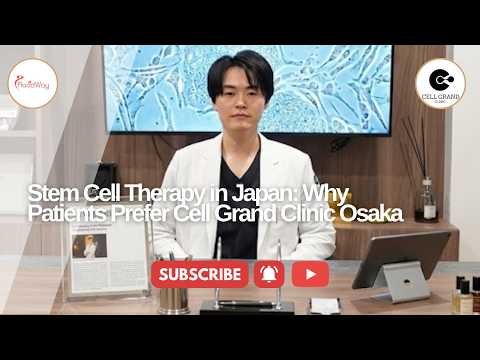
Embarking on a cross-border journey for regenerative medicine is an incredibly streamlined and luxurious experience, meticulously designed to eliminate any stress that could impact cardiovascular health. The process typically begins in the Philippines with comprehensive telemedicine consultations, where leading Japanese cardiologists review the patient's domestic angiograms and cardiac enzyme panels. Upon arrival at Kansai International Airport, patients are greeted by dedicated medical concierges and whisked away to elite medical facilities. Institutions like the Cell Grand Clinic in Osaka, Japan are at the absolute forefront of this movement, offering customized regenerative protocols tailored to the exact biological blueprint of every international patient.
The clinical procedure itself is remarkably minimally invasive, standing in stark contrast to the grueling reality of open-heart surgery. A small sample of the patient's own adipose (fat) tissue or bone marrow is gently extracted under local anesthesia. Over the next few weeks, this sample is processed in state-of-the-art laboratories where millions of pure, highly active stem cells are cultivated. The final administration simply involves a relaxing intravenous (IV) drip in a premium, hotel-like recovery suite. Patients can literally read a book or watch a movie while millions of reparative cells are seamlessly integrated into their cardiovascular system, allowing them to return to the Philippines with no major surgical scars and zero physical downtime.
Traditional Surgery vs. Regenerative Therapy
When Filipino patients weigh their options for treating severe atherosclerosis, the comparison between conventional surgical methods and advanced regenerative therapies is often the deciding factor. Traditional approaches like coronary stents are crucial for immediate crisis management, but they carry risks of restenosis (re-narrowing of the stented artery) and require a lifetime reliance on powerful anti-platelet medications. Bypass surgery, while effective, requires sawing through the sternum, carrying significant risks of hospital-acquired infections, prolonged intensive care stays, and months of painful physical rehabilitation.
Conversely, stem cell therapy for cardiovascular disease in Japan operates on the principle of minimal trauma and maximum biological enhancement. By utilizing the body's intrinsic healing mechanisms, regenerative medicine fundamentally changes the treatment paradigm from mechanical manipulation to biological restoration. The following data highlights the stark contrasts between these two distinct cardiovascular management paths.
"We are witnessing a monumental shift in medical tourism as Filipino patients look beyond conventional borders to safeguard their cardiovascular health. The advanced regenerative protocols available in Japanese clinical hubs offer a profound, non-invasive alternative to traditional heart surgery. By seamlessly connecting patients with these world-class stem cell experts in Osaka, we are helping fundamentally redefine longevity and quality of life for those battling severe atherosclerosis."
— Pramod Goel, CEO of PlacidWay
Assessing Cost-Effectiveness of Stem Cells
At first glance, the premium nature of accessing advanced regenerative medicine in a top-tier Japanese medical facility might seem like a daunting financial investment for the average Southeast Asian patient. However, a comprehensive analysis of the true, long-term costs of managing chronic atherosclerosis reveals a very different financial reality. In the Philippines, treating progressive heart disease involves decades of expensive maintenance medications, recurrent emergency room visits, exorbitant intensive care unit (ICU) fees, and the devastating loss of income associated with prolonged recovery periods following invasive open-heart surgeries.
When these cumulative, lifelong expenses are accurately calculated, stem cell therapy for atherosclerosis in Osaka emerges not as a luxury, but as a highly cost-effective medical intervention. By actively repairing vascular damage and halting the progression of arterial plaque, regenerative therapies dramatically reduce the likelihood of future cardiovascular emergencies. Patients are essentially making a single, proactive investment into their systemic health, paying for an advanced biological reset that significantly minimizes their future dependency on the heavily burdened domestic healthcare system.
Did You Know? Research indicates that autologous mesenchymal stem cell infusions not only target localized arterial blockages but also yield systemic anti-aging benefits, frequently resulting in improved cognitive function, elevated energy levels, and enhanced joint mobility for cardiovascular patients.
Japan’s Strict Safety and Regulatory Standards
A primary reason Filipinos universally trust Japanese facilities for complex cardiovascular interventions is the country's unyielding commitment to patient safety and clinical excellence. Medical tourism in Japan operates under the watchful, stringent oversight of the Ministry of Health, Labour and Welfare (MHLW). The nation enacted specific legislative frameworks, notably the Act on the Safety of Regenerative Medicine (ASRM), which legally mandates that any clinic offering stem cell therapies must undergo rigorous, continuous third-party audits and maintain impeccable records of patient outcomes.
Furthermore, the cell processing facilities utilized by these elite clinics adhere strictly to international ISO standards and Good Gene, Cellular, and Tissue-based Products Manufacturing Practice (GCTP) guidelines. This guarantees that every single stem cell cultivated for an international patient is handled in a completely sterile, perfectly controlled environment, eliminating any risk of contamination or genetic mutation. For a patient traveling from Manila to Osaka, this unparalleled level of regulatory security provides profound peace of mind, knowing their heart is being treated with the safest, most scientifically validated regenerative protocols available worldwide.
PlacidWay: Navigating Your Journey to Japan
Despite the undeniable clinical advantages, attempting to navigate a foreign medical system independently can present formidable logistical challenges, from overcoming complex language barriers to securing specialized medical visas and coordinating sensitive clinical timelines. This is precisely where specialized medical tourism facilitators become an absolute necessity for Filipino patients. Identifying the best stem cell clinic in Japan requires navigating a sea of medical data, and having an expert ally ensures that patients are only matched with fully accredited, world-renowned regenerative specialists.
PlacidWay serves as the ultimate bridge between patients in the Philippines and the elite cardiovascular hubs of Osaka. By providing comprehensive concierge services, PlacidWay meticulously handles every aspect of the international medical journey. From facilitating initial virtual consultations and securing transparent pricing structures to coordinating luxury accommodations and bilingual medical translators, they ensure a frictionless experience. This dedicated support allows patients to focus entirely on what truly matters: healing their heart, embracing the power of regenerative medicine, and returning home with a renewed lease on life.

.png)



.png)
.png)
-(5).png)

-(6).png)









Share this listing