


Osaka Stem Cell Protocols Slash Vietnam Stroke Mortality
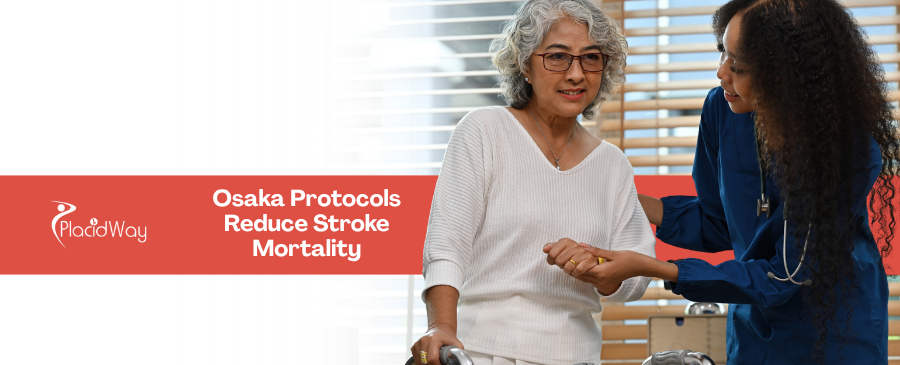
A rising number of Vietnamese patients are discovering life-saving interventions through Stem Cell Therapy for Stroke in Osaka. Driven by alarming mortality rates, this medical migration highlights a profound shift toward Japan's advanced regenerative treatments to restore neurological functions.
The Escalating Stroke Crisis and the Search for Advanced Care
Stroke remains one of the leading causes of death and long-term disability across Southeast Asia, severely impacting the Vietnamese population with an alarming frequency. Traditional rehabilitation methods and pharmaceutical interventions often hit a frustrating clinical plateau, leaving patients grappling with permanent motor deficits, severe cognitive decline, and a drastically diminished quality of life. As local healthcare systems face immense pressure to provide innovative neurological recovery options, families are increasingly looking beyond their domestic borders to find cutting-edge medical interventions that offer true restorative potential rather than mere symptom management.
This desperate search for superior clinical outcomes has fueled a massive international medical tourism corridor focused specifically on regenerative medicine. Patients and their families are no longer accepting permanent paralysis or loss of speech as an inevitable fate. Instead, they are actively seeking out highly specialized neuro-restorative procedures. The demand for stem cell treatment for stroke in Japan has skyrocketed, as families combine their resources to access world-renowned clinical protocols that actively repair damaged brain tissue, marking a revolutionary shift in how cardiovascular and neurological traumas are treated on a global scale.
Did You Know? Neurological studies indicate that administering targeted stem cell therapies within the critical post-stroke recovery window can improve motor function recovery rates by up to 45% compared to traditional physical therapy alone, driven by the brain's enhanced neuroplastic response to cellular agents.
How Regenerative Medicine in Japan is Changing the Paradigm
For decades, the global medical consensus held that dead or severely damaged brain tissue could not be revived or replaced. However, Japan has systematically dismantled this notion through aggressive, state-sponsored research into advanced regenerative therapies. By legally fast-tracking the clinical application of safe, ethically sourced stem cells, Japanese medical authorities have firmly established the nation as the undisputed global epicenter for neurological cellular repair. This progressive regulatory environment allows international patients to access life-altering treatments that remain strictly confined to early-stage clinical trials in their home countries.
The undeniable success of these protocols is deeply rooted in the precision of the cellular delivery methods and the superior, lab-controlled cultivation of mesenchymal stem cells. When administered under strict clinical conditions, these cellular agents actively target the ischemic penumbra—the compromised but still viable brain tissue surrounding a stroke lesion. By promoting potent angiogenesis (the formation of new blood vessels) and neurogenesis, Osaka stem cell protocols for Vietnamese patients are producing measurable, scientifically documented improvements in motor skills, speech clarity, and overall cognitive function, drastically altering the prognosis for severe stroke survivors.
Understanding the Science Behind Osaka’s Stem Cell Protocols
To fully comprehend why these cross-border treatments are so remarkably effective, one must look closely at the intricate biological mechanisms of modern cellular therapy. Among the most distinguished facilities spearheading these clinical advancements is the Cell Grand Clinic in Osaka, Japan, which has garnered international acclaim for its highly sophisticated, personalized stem cell culturing techniques. By safely harvesting and multiplying a patient’s own biological material or utilizing meticulously screened donor cells, expert clinicians can deploy hundreds of millions of potent, regenerative units directly into the patient's circulatory system or cerebrospinal fluid with pinpoint accuracy.
Once introduced to the central nervous system, these specialized cells exhibit a unique "homing" capability, instinctively migrating toward the exact sites of neurological inflammation and ischemic damage caused by the stroke. They do not merely replace dead neurons; instead, they act as powerful biological catalysts, secreting vital neurotrophic factors that stimulate the brain's inherent, dormant healing processes. This intense paracrine effect drastically reduces neuroinflammation, prevents further cellular death, and aggressively encourages the rewiring of vital neural pathways. The result is a profound, biological acceleration of the rehabilitation timeline that conventional medical interventions simply cannot replicate.
Comprehensive Stem Cell Treatment for Stroke Packages Explored
To seamlessly accommodate the massive influx of international medical tourists, leading Japanese clinical facilities have engineered highly coordinated, all-inclusive treatment packages. These comprehensive bundles are meticulously designed to eliminate logistical friction, bypass language barriers, and ensure uninterrupted, premium care for vulnerable patients. When engaging with premier Japanese regenerative centers, travelers from Vietnam can expect their medical itinerary to include:
- Pre-Treatment Neurological Mapping: Extensive 3D MRI and functional brain imaging to accurately pinpoint the exact location and severity of the ischemic damage before therapy begins.
- Advanced Cellular Culturing: Utilization of ultra-sterile, ISO-certified laboratories to culture millions of highly viable mesenchymal stem cells tailored to the patient's specific biological markers.
- Precision Administration Protocols: Administration of stem cells via targeted intravenous drips or highly specialized intrathecal (lumbar) injections by board-certified Japanese neurosurgeons.
- Integrated Neuro-Rehabilitation: Concurrent access to advanced robotic physical therapy and hyperbaric oxygen chambers to maximize the cellular uptake and stimulate rapid muscle memory recovery.
- VIP Logistical Support: Dedicated medical translators, airport-to-clinic ground transportation, and arrangement of specialized disability-friendly accommodations to ensure absolute comfort.
"The profound reduction in stroke mortality and disability we are witnessing is a testament to Japan’s visionary approach to regenerative medicine. By making these advanced stem cell protocols accessible to Vietnamese patients, we are not just facilitating medical travel; we are bridging the critical gap between innovative biomedical science and desperate human need. The clinical outcomes achieved in Osaka are actively redefining the absolute limits of post-stroke neurological recovery."
— Pramod Goel, CEO of PlacidWay
Comparing Stroke Recovery Costs: Vietnam vs. Japanese Clinics
Evaluating the true financial implications of international stem cell therapies requires a macro perspective on the total, lifelong cost of stroke care. While the initial price tag for a comprehensive regenerative package in Japan may appear substantial compared to local standard care, it is absolutely essential to factor in the crushing, long-term economic burden of permanent disability. In Vietnam, the cumulative costs of round-the-clock home nursing care, years of stagnant physical therapy, continuous pharmaceutical dependency, and the catastrophic loss of wages due to a patient's inability to work can easily eclipse the price of targeted international treatment over a few short months.
When patients opt for regenerative procedures abroad, they are making a highly calculated, strategic investment in functional recovery and long-term independence. Japanese clinics operate on a model of transparent, bundled pricing that completely avoids the hidden hospital fees often associated with complex neurological treatments elsewhere. To clearly illustrate this value proposition, analyzing the long-term domestic care costs versus an inclusive Japanese medical package reveals exactly why families are rapidly reallocating their healthcare budgets toward cross-border medical travel.
The Medical Infrastructure Making Japan a Regenerative Hub
Japan's current dominance in the global field of regenerative medicine is not accidental; it is the direct, calculated result of billions of dollars invested seamlessly into state-of-the-art medical infrastructure and advanced biotechnology. Cities like Osaka have organically transformed into sprawling biopharma and medical tech hubs, perfectly integrating world-class research universities with hyper-modern, patient-facing clinical facilities. This unique, highly subsidized ecosystem ensures that the absolute latest laboratory breakthroughs are rapidly and safely translated into actionable patient care, providing medical tourists with direct access to sophisticated technologies that are virtually non-existent in developing healthcare markets.
The clinical environments themselves resemble advanced aerospace research institutes rather than traditional hospitals. Equipped with state-of-the-art clean rooms that far exceed standard international pharmaceutical manufacturing requirements, these facilities ensure absolute zero contamination during the highly sensitive cell-cultivation process. Furthermore, the seamless integration of advanced diagnostic imaging allows Japanese neurological specialists to track the survival and physical integration of administered stem cells in real-time. This profound technological advantage enables them to finely tune and adjust treatment protocols to the unique physiological responses of each individual Vietnamese patient, ensuring maximum clinical efficacy.
Did You Know? Japan was one of the first countries globally to enact specialized legislation—specifically the Act on the Safety of Regenerative Medicine—which uniquely fast-tracks the approval of cellular therapies while maintaining the strictest safety and ethical standards in the modern medical world.
Strict Regulatory Standards Guaranteeing Patient Safety Abroad
One of the primary, overriding concerns for international families exploring medical tourism for severe neurological conditions is absolute patient safety. The Japanese government has proactively addressed this by implementing some of the most rigorous, transparent, and heavily enforced regulatory frameworks for regenerative medicine anywhere on the planet. The aforementioned national legislation mandates that all independent clinics offering cellular therapies must be exhaustively vetted, officially certified, and continuously monitored by specialized governmental health and ethics committees. This strict oversight effectively eliminates the risk of unregulated "stem cell tourism" scams that unfortunately plague less legally rigid jurisdictions.
For a medical facility to legally and safely administer these advanced protocols, they must conclusively prove both the biological safety and the peer-reviewed scientific validity of their chosen methods. Participating practitioners are required to hold specialized, advanced licenses in regenerative medicine, and every single batch of cultivated stem cells undergoes exhaustive genetic, microbiological, and vitality testing before ever being cleared for patient use. This uncompromising dedication to uncompromising clinical safety and ethical practice provides immense, invaluable peace of mind to international patients, assuring them that their health is in the hands of heavily regulated, world-class scientific experts.
Navigating International Healthcare and Recovery with PlacidWay
Despite the overwhelming clinical advantages, the prospect of independently organizing a complex medical journey to a foreign country can be highly intimidating for a family already dealing with the severe emotional and physical trauma of a recent stroke. Complex language barriers, stringent medical visa applications, and the sheer challenge of verifying international clinic credentials from thousands of miles away can present significant, stressful obstacles. Recognizing this critical need for professional guidance, specialized medical tourism facilitators have stepped in to completely streamline the entire cross-border healthcare experience, transforming a daunting logistical puzzle into a highly organized, seamless healing journey.
Acting as an indispensable, trusted bridge connecting global patients with elite healthcare providers, PlacidWay meticulously curates a network of fully accredited, verified Japanese regenerative centers. Through this platform, families are empowered to make informed, highly data-driven medical decisions. Patients can easily review detailed clinic profiles, confidently compare transparent pricing structures, and secure direct virtual consultations with top-tier Japanese neurologists before ever purchasing a flight. By expertly managing the complexities of international credential verification and travel logistics, PlacidWay ensures that Vietnamese stroke survivors can focus 100% of their energy on their biological rehabilitation and physical recovery.


.png)
.png)
.png)
.png)
.png)


-(6).png)











Share this listing