


Tokyo Stem Cells Halt MS Progression for Singaporeans
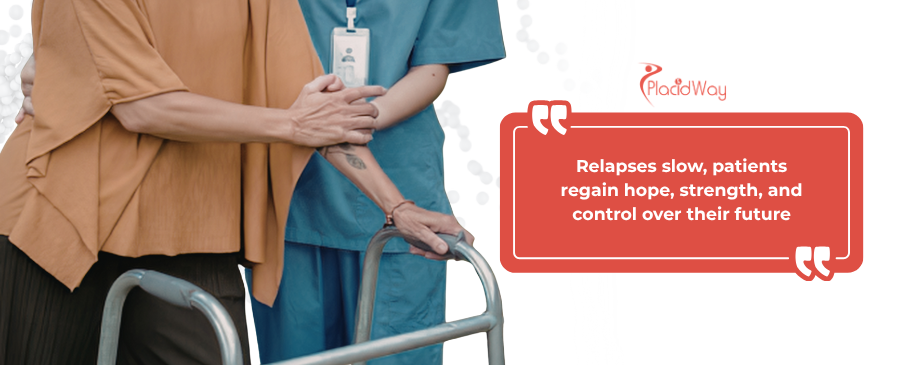
Facing debilitating relapses, Singaporeans are urgently seeking stem cell therapy for MS in Tokyo. This advanced regenerative treatment is helping patients halt disease progression and repair nerve damage, offering unprecedented hope through world-class Japanese medical tourism.
The Silent Crisis of Multiple Sclerosis Progression in Singapore
Multiple Sclerosis (MS) has historically been viewed as a neurological condition predominantly affecting Western populations. However, clinical data points to a rising prevalence across Southeast Asia, with Singapore experiencing a notable increase in complex autoimmune diagnoses. For patients living in the city-state, the disease presents a profound physical, emotional, and financial burden. MS triggers the body's immune system to mistakenly attack the protective myelin sheath covering nerve fibers, leading to disrupted communication between the brain and the rest of the body. Over time, these inflammatory attacks result in cumulative nerve damage, causing debilitating symptoms ranging from severe motor impairment and chronic fatigue to vision loss and cognitive decline.
The standard protocol for managing MS typically involves the administration of Disease-Modifying Therapies (DMTs). While these powerful immunosuppressive drugs are relatively effective at reducing the frequency of acute inflammatory flare-ups in the relapsing-remitting phase of the disease, they are fundamentally limited in their scope. Conventional pharmacology focuses entirely on suppression rather than restoration; it cannot repair the existing nerve damage or rebuild the degraded myelin. Consequently, many Singaporean patients eventually transition into the secondary progressive phase of the disease, where neurological decline continues relentlessly despite strict medication adherence. This critical gap in domestic treatment options has sparked a desperate search for neuroprotective and regenerative alternatives abroad.
Why Patients Choose Stem Cell Therapy for MS in Tokyo
As the limitations of traditional neurology become increasingly apparent, a significant wave of medical tourists is directing its attention toward East Asia. Seeking stem cell therapy for MS in Tokyo has become a premier choice for Singaporeans, driven largely by Japan's uniquely progressive regulatory environment. The Japanese government implemented landmark legislation—specifically the Act on the Safety of Regenerative Medicine—which established a highly monitored, parallel fast-track for cellular therapies. This allows world-class medical institutions in Tokyo to legally provide advanced, safe, and highly regulated stem cell treatments to patients years before similar therapies achieve commercial approval in other highly developed nations.
Beyond the sophisticated legal framework, logistical and cultural factors play a massive role in this medical migration. Tokyo is merely a direct, seven-hour flight from Singapore, virtually eliminating the extreme fatigue and jet lag associated with traveling to alternative medical hubs in Europe or the Americas—a crucial consideration for patients already battling neurological exhaustion. Furthermore, Japanese medical culture is globally renowned for its unparalleled hygiene standards, meticulous attention to detail, and deep-seated ethos of patient hospitality (Omotenashi). For immunocompromised patients seeking highly sensitive cellular infusions, Tokyo offers an environment of clinical sterility and profound safety that is virtually unmatched anywhere else in the world.
Did You Know? Japan currently commands a multi-billion-dollar regenerative medicine market, supported by heavy government investment and stringent oversight by the Pharmaceuticals and Medical Devices Agency (PMDA). This ensures that all clinical facilities administering cellular therapies adhere to the strictest global safety and ethical standards.
The Science Behind Myelin-Repairing Stem Cell Innovations
The primary mechanism drawing international attention to Japanese regenerative neurology is the targeted use of Mesenchymal Stem Cells (MSCs). Unlike other cellular therapies that aim to completely reboot the immune system via harsh chemotherapy, MSC therapy takes a highly sophisticated, immunomodulatory approach. When cultured in high-density, sterile laboratory environments and systematically reintroduced into the patient's body, these multipotent cells exhibit a unique capability to home in on areas of active neuroinflammation. Once they reach the central nervous system, MSCs secrete a vast array of anti-inflammatory cytokines, effectively downregulating the aggressive T-cells and B-cells responsible for attacking the myelin sheath, thereby halting the progression of the disease.
Equally groundbreaking is the paracrine signaling capability of MSCs, which initiates the highly sought-after remyelination process. The stem cells release powerful neurotrophic factors—specialized proteins that encourage the survival, development, and function of neurons. These factors stimulate the body's endogenous oligodendrocyte precursor cells, prompting them to mature and begin synthesizing new myelin to patch the damaged nerve fibers. By simultaneously suppressing the autoimmune attack and fostering an internal environment conducive to cellular repair, patients receive a two-pronged therapeutic intervention that conventional pharmaceuticals simply cannot replicate.
HELENE Clinic and Tokyo's Elite Regenerative Medical Facilities
Navigating the complex landscape of international regenerative medicine requires selecting institutions that hold the highest tier of governmental certification. When pursuing advanced cellular treatments for neurological preservation, many discerning international patients choose to undergo therapy at specialized, PMDA-approved institutions like the HELENE - Stem Cell Clinic in Tokyo, Japan. Elite facilities of this caliber represent the pinnacle of Japanese medical innovation, boasting on-site, state-of-the-art cell processing centers that strictly adhere to Good Gene, Cellular, and Tissue-based Products Manufacturing Practice (GCTP) guidelines. This ensures that every single cell cultured for patient use maintains absolute purity and optimal biological viability.
The protocols utilized at these premier clinics are intensely personalized to the individual's specific neurological profile. Upon arrival, patients undergo rigorous diagnostic imaging and biomarker testing to determine the precise optimal dosage and administration route—whether via targeted intravenous infusion or specialized intrathecal injection to bypass the blood-brain barrier. The medical teams at these top-tier Tokyo clinics comprise globally recognized neurologists and regenerative specialists who meticulously monitor the expansion of autologous (patient-derived) or ethically sourced allogeneic cells, guaranteeing a therapeutic intervention that maximizes remyelination potential while virtually eliminating the risk of adverse rejection.
Comprehensive Medical Tourism Packages for Neurological Care
To accommodate the influx of Singaporean and international patients, Tokyo's elite medical institutions have perfected the delivery of comprehensive, all-inclusive medical tourism packages. These structured programs are designed to eliminate the immense stress associated with navigating a foreign healthcare system, allowing the patient to focus entirely on their neurological recovery. When booking through verified facilitators, patients secure a holistic treatment journey that includes:
- Advanced Diagnostic Profiling: Pre-treatment clinical evaluations including high-definition MRIs, comprehensive blood panels, and specialized neurological assessments to establish a baseline Expanded Disability Status Scale (EDSS) score.
- Bespoke Cell Cultivation: The secure harvesting, rigorous purification, and specialized laboratory expansion of millions of highly potent mesenchymal stem cells tailored to the patient's unique biological markers.
- Specialized Administration: Multi-day clinical sessions where the cultured cells are meticulously infused under the direct supervision of certified Japanese regenerative neurologists.
- Dedicated Bilingual Concierge: 24/7 access to professional medical translators who seamlessly bridge the communication gap between the patient and the Japanese surgical staff, ensuring total informed consent.
- VIP Logistics and Accommodations: Coordinated airport transfers, rapid medical lane access, and partnerships with luxury recovery hotels situated near the clinic to ensure a serene, frictionless healing environment.
Cost Analysis: Advanced MS Treatment in Japan vs. Global Alternatives
Managing Multiple Sclerosis is a fundamentally expensive endeavor. In markets like the United States and parts of Europe, the lifetime cost of managing the disease with modern biologics and daily immunomodulators can easily exceed millions of dollars. Furthermore, because stem cell therapy for MS is still largely trapped in prolonged, multi-phase clinical trials in the West, domestic access is often entirely restricted unless a patient qualifies for a highly exclusive study. If private options do exist, the lack of commercial scale pushes the financial barrier to astronomical heights, frequently surpassing the budgets of the average family.
Conversely, Japan's progressive legislative landscape has allowed for the commercial scaling of these regenerative technologies. By offering a streamlined, legally protected pathway for clinical application, top-tier clinics in Tokyo can offer these sophisticated cellular infusions at highly competitive, transparent price points. For Singaporean patients, this represents a profound value proposition. The upfront investment in a comprehensive cellular package not only provides access to world-leading medical science but frequently offsets the massive, compounding long-term costs of endless pharmaceutical symptom management by effectively halting disease progression.
Navigating International Healthcare with PlacidWay's Expertise
Despite the overwhelming clinical benefits, coordinating an international medical journey for a complex neurological condition remains a daunting task. Patients must evaluate dense medical credentials, verify clinic certifications, arrange international secure payments, and manage complex travel logistics, all while battling the daily fatigue associated with MS. The risk of encountering unverified clinics or misunderstanding critical medical translation creates a barrier that prevents many individuals from accessing the life-changing care they desperately require.
This is where the intervention of an expert medical tourism facilitator becomes invaluable. PlacidWay serves as a highly trusted, independent bridge between international patients and Japan's elite medical institutions. By meticulously curating a pre-vetted network of globally accredited regenerative specialists, PlacidWay eliminates the guesswork from the medical travel process. Patients can transparently review provider profiles, compare treatment packages, read verified testimonials, and secure direct virtual consultations with leading Japanese neurologists before ever booking a flight. This level of comprehensive support empowers patients to make highly informed, confident decisions regarding their long-term health.
"The shift towards regenerative medicine in Asia highlights a critical evolution in global healthcare. Patients with chronic conditions like multiple sclerosis are no longer waiting for domestic approvals; they are proactively seeking highly regulated, advanced stem cell therapies in medical epicenters like Tokyo to reclaim their quality of life. Our mission is to facilitate these vital connections, ensuring that borders never stand in the way of cutting-edge, neuroprotective care."
— Pramod Goel, CEO of PlacidWay
What to Expect During the Regenerative Recovery Process in Japan
The post-infusion recovery phase is characterized by a high degree of clinical monitoring and dedicated rest. Because mesenchymal stem cell therapy is fundamentally minimally invasive—relying on the body's natural circulatory system to deliver the neurotrophic payload—patients do not face the grueling physical rehabilitation associated with invasive surgeries or harsh chemotherapy protocols. In the days immediately following the infusion at a top-tier Tokyo clinic, patients generally relax in luxury accommodations while the medical team conducts follow-up evaluations to monitor vital signs and ensure the cellular integration is proceeding seamlessly without adverse immunological reactions.
Upon returning home to Singapore, the long-term regenerative benefits begin to manifest. While stem cell therapy is not an overnight cure, the gradual process of immunomodulation and subsequent remyelination yields profound results over the ensuing months. A vast majority of patients report a drastic reduction in chronic fatigue, noticeable improvements in motor coordination, and, most importantly, an extended cessation of new relapse events. By fundamentally altering the inflammatory environment of the central nervous system, this advanced Tokyo-based therapy provides patients with an incredible opportunity to halt disease progression and embrace a renewed, active future.
Did You Know? Clinical tracking indicates that many autoimmune patients experience up to a 70% reduction in annualized relapse rates following high-dose mesenchymal stem cell therapy, significantly stabilizing their Expanded Disability Status Scale (EDSS) scores over extended periods.


.png)

.png)
.png)
.png)



.png)









Share this listing