



Table of Content
.png) You can start a better and healthier life with the Gastric Bypass Package in Tijuana, Mexico. It's guided by Dr. Jorge Maytorena, who has a lot of experience. This package is like a big step in your journey to beat obesity and lose weight for a long time. Dr. Maytorena knows a lot about weight loss surgery, and he'll take care of you all the way.
You can start a better and healthier life with the Gastric Bypass Package in Tijuana, Mexico. It's guided by Dr. Jorge Maytorena, who has a lot of experience. This package is like a big step in your journey to beat obesity and lose weight for a long time. Dr. Maytorena knows a lot about weight loss surgery, and he'll take care of you all the way.
This package is not just about losing weight; it's also about being healthy for a long time. It's a great choice because it's good medical care that doesn't cost too much. Plus, you get to experience the culture of Tijuana, which is a bonus.
It's a complete package for your weight loss journey. This step marks the beginning of your path to significant weight loss, improved health, and a renewed quality of life.
Cost of Gastric Bypass in Tijuana, Mexico
You can get gastric bypass in Tijuana, Mexico, by Jorge Maytorena, and the price starts at $6,600. Please refer to our price list table below:
|
Location |
Cost in USD |
|
Tijuana, Mexico |
$6,600 |
|
United States |
$15,000 |
|
Canada |
$20,000 |
Note: Prices may change and vary depending on the complexity of procedures and patient conditions. Click the free quote button below to learn more:

Advantages of Choosing Gastric Bypass in Tijuana, Mexico
-
Top-Quality Medical Care: Tijuana is known for its excellent medical facilities and experienced professionals like Dr. Jorge Maytorena, who provide exceptional care and results.
-
Affordable Options: Medical treatments in Mexico are often affordable without compromising quality. The Gastric Bypass Package is a cost-effective choice.
-
Expert Bariatric Specialist: Dr. Maytorena is an expert in weight loss surgery and gives personalized care tailored to each patient's needs.
-
Close to the United States: Tijuana is near the United States, making it convenient for people looking for effective weight loss solutions.
-
A Complete Experience: Tijuana not only offers medical care but also a vibrant cultural experience that can make your weight loss journey positive and transformative.
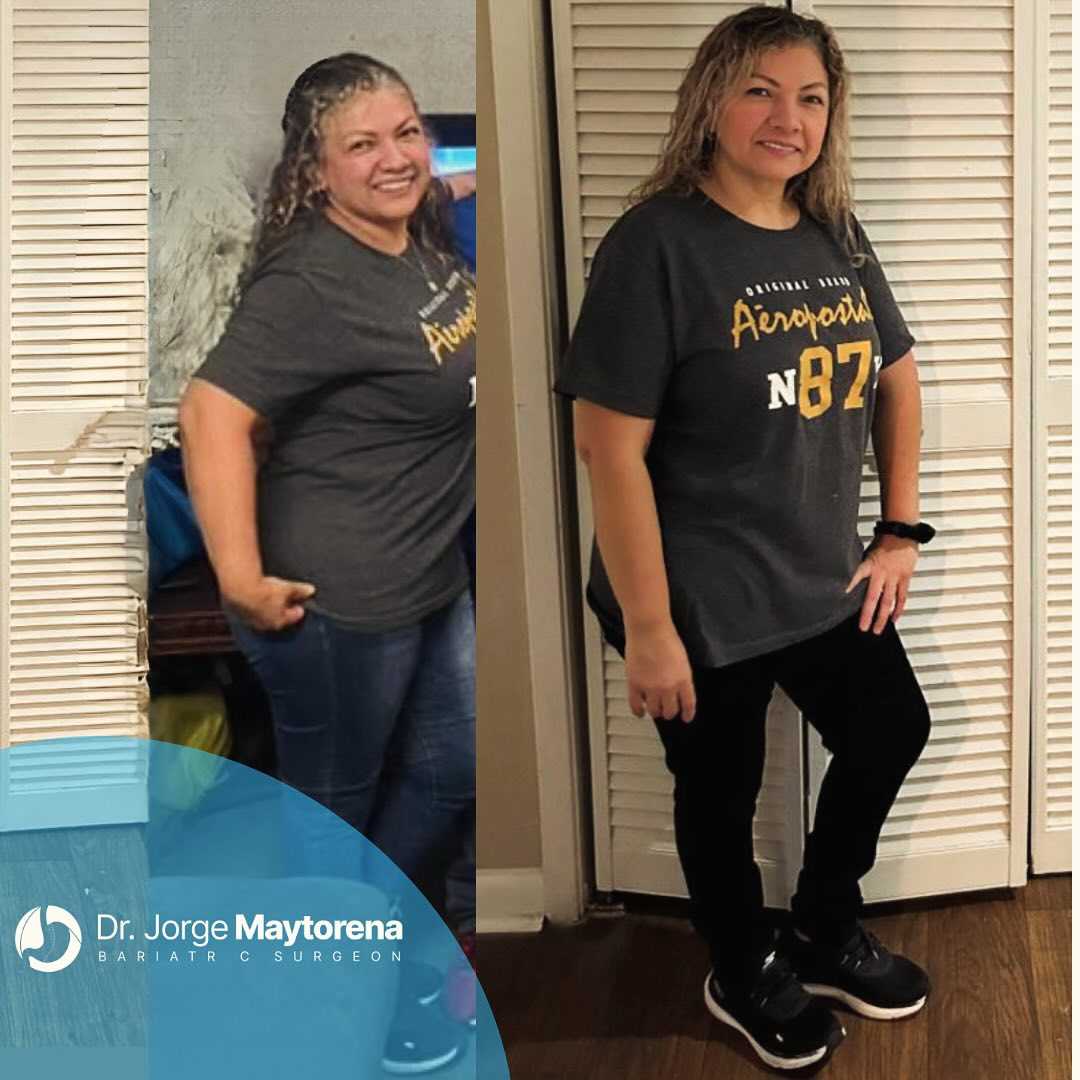
Before After Gastric Bypass in Tijuana, Mexico by Dr. Jorge Maytorena
The remarkable transformations that follow gastric bypass surgery are nothing short of inspiring. Patients who have chosen Dr. Jorge Maytorena in Tijuana, Mexico, as their trusted surgeon often experience a profound metamorphosis. After the surgery, many individuals achieve substantial weight loss, leading to improved mobility, and resolution of obesity-related health issues. Check below images to know more!
Before and After Image of Bariatric Surgery in Tijuana, Mexico

Before and After Image of Bariatric Treatment in Tijuana, Mexico

Before and After Image of Obesity Surgery in Tijuana, Mexico

Before and After Image of WLS in Tijuana, Mexico
Overview of the Gastric Bypass Surgery
The Gastric Bypass Package comprises a series of well-structured procedures:
|
Procedures |
Details |
|
Initial Consultation: |
Patients undergo a thorough consultation with Dr. Jorge Maytorena to discuss their health, goals, and the treatment plan. |
|
Surgery: |
The gastric bypass surgery involves creating a smaller stomach pouch and rerouting a portion of the small intestine, promoting weight loss. |
|
Post-Operative Care: |
Patients receive attentive post-surgery care, including pain management, dietary guidance, and necessary follow-up appointments. |
|
Nutritional Counseling: |
The package emphasizes the importance of nutritional changes post-surgery, offering guidance for adopting a healthier lifestyle. |
|
Long-Term Monitoring: |
Regular follow-up appointments ensure ongoing support and monitoring to maintain the effectiveness of the procedure. |
Gastric Bypass Packages Inclusions
-
Gastric Bypass Surgery: The package includes the surgical procedure performed by Dr. Jorge Maytorena, ensuring skilled and personalized care.
-
Medical Team Fees: Surgeon fees, anesthesia fees, and medical team charges are covered, providing a transparent experience.
-
Hospital Stay: The package encompasses hospital accommodation during the treatment period, ensuring a comfortable recovery.
-
Post-Operative Support: Patients benefit from post-surgery care, including medications, dietary guidance, and follow-up consultations.
-
Nutritional Guidance: The package offers comprehensive nutritional counseling, helping patients make informed dietary choices for long-term success.
Gastric Bypass Package Exclusions
-
Travel Expenses
-
Accommodation
-
Meals and Incidental Costs
-
Additional Medical Treatments
-
Visa and Documentation
Gastric Bypass Pre-Op Tests
-
Medical Evaluation
-
Blood Tests:
-
Imaging Tests
-
Nutritional Assessment
-
Psychological Evaluation
Bariatric Surgeon in Tijuana, Mexico
Dr. Jorge Maytorena
Experiences and Educations:
|
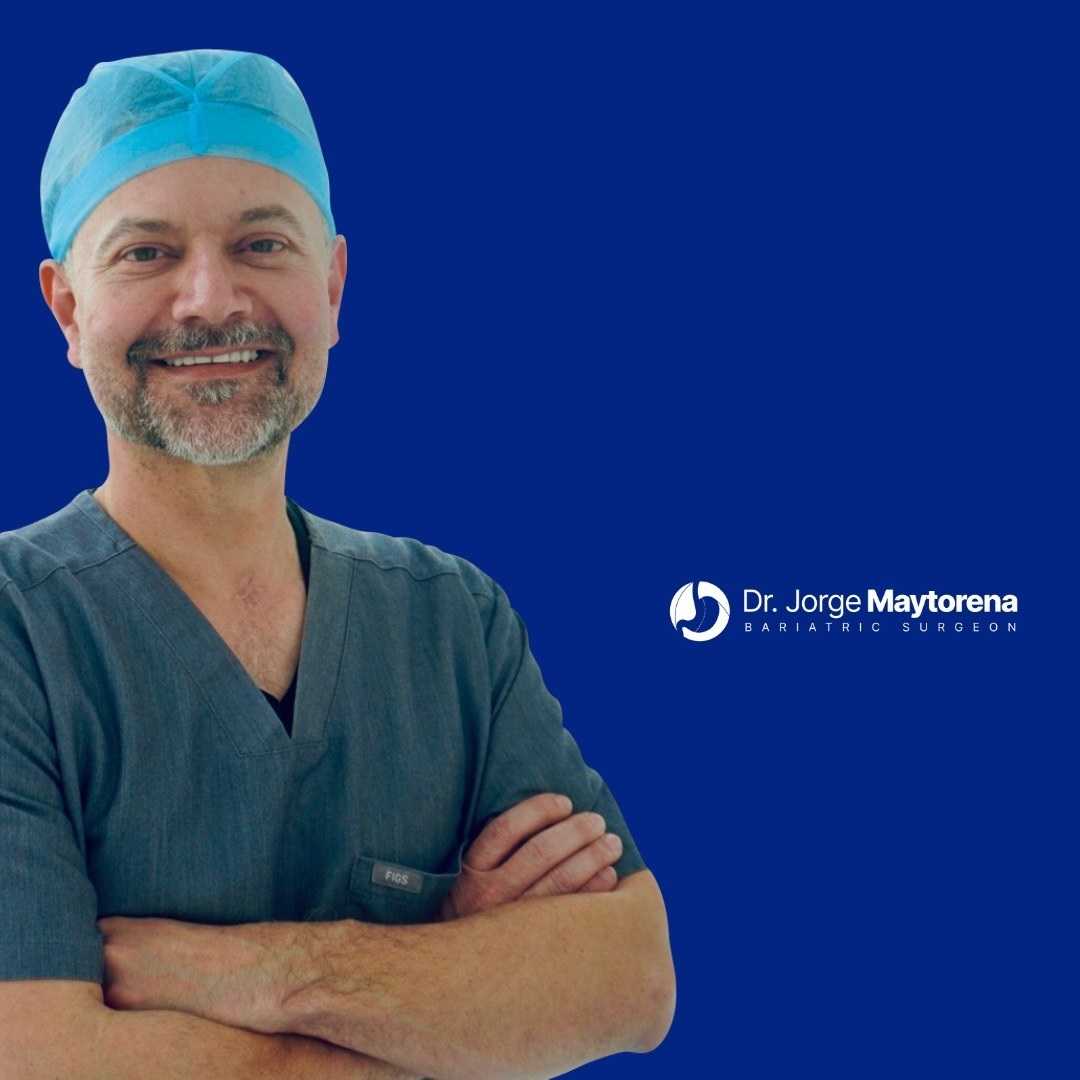 In Tijuana, Mexico, Obesity Bariatric Surgery offers a Gastric Bypass Package led by Dr. Jorge Maytorena. He's a well-known weight loss surgeon known for his dedication to patients and excellent surgery skills. With lots of experience in helping people lose weight, Dr. Maytorena makes sure that every patient gets special care and full support during their journey to a healthier life.
Dr. Jorge Maytorena in Tijuana, Mexico Real Patient Story
Patients undergoing gastric bypass surgery under the care of Dr. Jorge Maytorena in Tijuana, Mexico, consistently describe profound transformations in their lives. Dr. Maytorena's expertise and commitment to patient well-being are evident throughout the entire journey, from initial consultation to post-operative care. His personalized approach and meticulous explanations provide reassurance and confidence, leading to significant weight loss and improved health outcomes.
Gastric Bypass in Tijuana, Mexico: Ed Rocha's Quest for a Healthier Tomorrow"I am incredibly grateful for his skillful hands and compassionate care, and I wholeheartedly recommend Dr. Maytorena to anyone considering gastric bypass surgery." - Ed Rocha |
Many patients express gratitude for Dr. Maytorena's compassionate care, crediting him with not only enhancing their physical health but also revitalizing their overall quality of life. For anyone considering gastric bypass surgery, Dr. Maytorena comes highly recommended based on his exceptional skill and patient-centered approach.
Is Gastric Bypass Right for You?
-
Struggling with Obesity: If you've been struggling with obesity and have not achieved sustainable weight loss through other methods, the Gastric Bypass Package may be suitable for you.
-
Commitment to Lifestyle Changes: The procedure necessitates significant lifestyle changes for long-term success. If you're dedicated to adopting healthier habits, this package can be an effective choice.
-
Health Assessment: Eligibility for the procedure is determined through a comprehensive health evaluation conducted by Dr. Jorge Maytorena.
-
Expert Guidance: If you're seeking guidance from an experienced bariatric specialist, Dr. Maytorena's expertise can help you achieve your weight loss goals.
What to Expect During the Gastric Bypass Surgery?
-
Initial Consultation and Assessments: The journey begins with a thorough consultation and assessments to determine your suitability for the procedure and establish your health goals.
-
Personalized Treatment Plan: Dr. Jorge Maytorena creates a personalized treatment plan, discussing the procedure, expectations, and post-surgery care.
-
Surgery and Recovery: The gastric bypass surgery is performed with precision. Post-surgery, patients receive attentive care, including pain management, dietary guidance, and follow-up appointments, ensuring a smooth recovery.
-
Nutritional Guidance: Nutritional counseling plays a crucial role in the package, offering guidance on adopting a healthier diet to support weight loss and overall well-being.
-
Long-Term Support: Regular follow-up appointments are scheduled to monitor progress, provide support, and guide patients on maintaining their weight loss and health improvements.
FAQs (Frequently Asked Questions)
1. How gastric bypass surgery works?
Gastric bypass surgery is a weight loss procedure that involves creating a smaller stomach pouch and rerouting a portion of the small intestine. This restricts food intake and alters nutrient absorption, leading to significant weight loss.
2. Why should I consider having gastric bypass surgery in Tijuana, Mexico?
Tijuana offers access to top-tier medical facilities and experienced surgeons like Dr. Jorge Maytorena while providing cost-effective solutions compared to many other regions.
3. Am I a suitable candidate for gastric bypass surgery?
If you struggle with obesity and have not achieved sustainable weight loss through other methods, you may be a candidate. Eligibility is determined through a thorough evaluation by a bariatric specialist.
4. What can I expect in terms of post-surgery results?
Gastric bypass can lead to substantial weight loss, improved metabolic health, and enhanced overall quality of life. Results may vary, but many patients experience transformative changes.
5. What kind of support is available after gastric bypass surgery in Tijuana?
Post-surgery, patients receive attentive care, including pain management, dietary guidance, and follow-up appointments. Regular monitoring and support are provided to help maintain weight loss and health improvements.
Get Free Consultation Now at PlacidWay!
Now that you've gained insight into the transformative Gastric Bypass Package in Tijuana, Mexico by Obesity Bariatric Surgery, it's time to take action towards a healthier and happier future. Book your consultation today through PlacidWay Medical Tourism and embark on a journey guided by the expertise of Dr. Jorge Maytorena. Click contact us button below to get started!





.png)

.png)










Share this listing