
Ready to redefine your relationship with food and take meaningful strides toward long-term wellness? Our comprehensive gastric sleeve surgery package in Cancun, Mexico, combines advanced bariatric care with a peaceful, rejuvenating destination, starting at an estimated $4,500. This highly effective procedure involves reducing the stomach size to help you naturally manage portions and curb hunger hormones, requiring a typical stay of 4 to 5 days for the surgery and initial clinical observation. Keep in mind that final patient eligibility, surgical clearance, and exact pricing will ultimately depend on a thorough, personalized medical assessment by our dedicated bariatric specialists.
Key Insights: What You Need to Know at a Glance
✓ Estimated Starting Cost: Packages typically begin around $4,500 USD, though final pricing is subject to a personalized medical evaluation and your specific health requirements.
✓ Accreditations: Procedures are performed in modern healthcare facilities recognized by the General Health Council (CSG) in Mexico, adhering to strict international safety protocols.
✓ Patient Qualifications: Generally recommended for individuals with a Body Mass Index (BMI) over 30, particularly those managing obesity-related comorbidities like type 2 diabetes or hypertension.
✓ What to Expect: A minimally invasive laparoscopic procedure that permanently removes roughly 75% to 80% of the stomach, leaving a narrow, banana-shaped "sleeve" to restrict food intake.
✓ Pre-Travel Essentials: A valid passport is mandatory for entry into Mexico. Additionally, patients must strictly follow a prescribed pre-operative liquid diet to shrink the liver prior to surgery.
How Much Does Gastric Sleeve Surgery Cost in Cancun Compared to Other Regions?
One of the primary reasons patients travel internationally for bariatric care is the significant difference in healthcare pricing structures. In many Western countries, administrative overhead, facility fees, and insurance markups drastically inflate the cost of surgery. Cancun offers a more streamlined, transparent pricing model without compromising the quality of surgical care, medical technology, or clinical expertise.
| Country | Estimated Cost Range (USD) | Potential Savings vs. Cancun |
|---|---|---|
| United States | $15,000 - $25,000 | Up to 80% |
| Canada (Private) | $12,000 - $18,000 | Up to 70% |
| United Kingdom | $10,000 - $14,000 | Up to 65% |
| Cancun, Mexico | $4,500 - $6,000 | Base Reference Point |
Detailed Estimated Cost Breakdown
*Please note: The following is an estimated breakdown. Final pricing is pending a comprehensive medical assessment and may vary based on individual health needs.
| Procedure Item / Service | Estimated Cost (USD) | Description |
|---|---|---|
| Pre-Operative Testing | $400 | Includes EKG, extensive blood panels, and physician consultations. |
| Surgeon & Anesthesia Fees | $2,100 | Compensation for the lead bariatric surgeon, specialized anesthesiologist, and surgical team. |
| Operating Room & Equipment | $1,200 | Laparoscopic instruments, medical staples, and facility usage fees. |
| Hospital Stay & Nursing Care | $600 | 1 to 2 nights of inpatient monitoring in a private recovery room. |
| Post-Op Medications & Nutrition Plan | $200 | Initial pain management, antibiotics, and dietary guide for recovery. |
| Total Estimated Package Price | $4,500 | Base starting price for a standard, uncomplicated procedure. |
What Does Your Gastric Sleeve Package Include?
We believe in transparent pricing. When you book this package, the following essential services are generally covered to ensure a safe and smooth experience:
✓ All primary surgical facility fees and operating room charges.
✓ Professional fees for the lead bariatric surgeon and anesthesiologist.
✓ Standard 1 to 2 nights of post-operative hospital stay.
✓ Routine pre-operative laboratory tests (blood work, EKG) done upon arrival.
✓ Ground transportation between the Cancun airport, hotel, and hospital.
✓ Initial post-operative medications provided during discharge.
✓ Comprehensive post-operative nutritional guidelines and virtual follow-up.
What Expenses Are Not Covered in This Bariatric Package?
To help you budget accurately for your medical trip, please be aware that the following items are distinctly excluded from the base price:
✗ Round-trip international airfare to and from Cancun, Mexico.
✗ Hotel accommodations for the nights before surgery and after hospital discharge.
✗ Medical complication insurance (highly recommended for international patients).
✗ Additional, non-standard consultations (e.g., specialized cardiology or pulmonology clearance if deemed necessary).
✗ Personal expenses, companion travel costs, and non-hospital meals.
✗ Long-term nutritional supplements and protein powders required after surgery.
Are You a Suitable Candidate for Gastric Sleeve Surgery in Mexico?
Bariatric surgery is a life-altering medical intervention, not a cosmetic quick fix. Our medical teams evaluate every patient to ensure they are physically and mentally prepared for the procedure and the permanent lifestyle changes that follow. You may be an ideal candidate if you meet the following general criteria:
- Body Mass Index (BMI): You have a BMI of 40 or higher, or a BMI of 30-39 accompanied by severe obesity-related conditions such as sleep apnea, high blood pressure, or type 2 diabetes.
- Previous Attempts: You have made documented, medically supervised attempts to lose weight through diet and exercise without long-term success.
- Psychological Readiness: You are fully committed to making permanent changes to your eating habits, physical activity levels, and relationship with food.
- Overall Health: You do not have severe, unmanaged medical conditions that would make general anesthesia prohibitively dangerous.
- Lifestyle Factors: You are a non-smoker, or you are willing to completely stop smoking at least a month before and after surgery to prevent severe healing complications like ulcers and poor circulation.
Essential Medical Records Needed for Your Preliminary Assessment
Before you even book your flight to Cancun, our specialists will need to review your health history remotely. This ensures that traveling for surgery is a safe option for you. Please prepare the following records:
- A comprehensive list of all current prescription medications, over-the-counter drugs, and supplements you are taking.
- Detailed records of any previous abdominal surgeries or significant medical interventions.
- Recent comprehensive blood work (often including a Complete Blood Count, Comprehensive Metabolic Panel, and thyroid tests).
- A letter of medical clearance from your primary care physician indicating you are fit for major surgery.
- For patients over the age of 50 or those with a history of heart issues, a recent electrocardiogram (EKG) and cardiology clearance are typically required.
Understanding the Gastric Sleeve Procedure: A Step-by-Step Guide
The Laparoscopic Sleeve Gastrectomy, commonly known as the gastric sleeve, is currently the most frequently performed bariatric surgery worldwide. It is designed to induce weight loss by restricting the volume of food your stomach can hold and by removing the portion of the stomach that produces "ghrelin," the hormone primarily responsible for stimulating hunger. Here is how the procedure typically unfolds in the operating room:
- Anesthesia Administration: You will be placed under general anesthesia, ensuring you are completely asleep and pain-free throughout the entire operation.
- Minimally Invasive Incisions: The surgeon makes three to five small incisions (usually less than an inch each) in your abdomen. A laparoscope—a thin tube equipped with a high-definition camera—is inserted to guide the surgical team.
- Stomach Division: Using specialized surgical staplers, the surgeon carefully divides the stomach vertically. Approximately 75% to 80% of the stomach, specifically the outer curvature (the fundus), is permanently removed from the body.
- Creating the Sleeve: The remaining portion of the stomach is shaped into a narrow tube or "sleeve," roughly the size and shape of a banana. This new stomach can hold only a few ounces of food at a time.
- Leak Testing and Closure: The surgical team meticulously tests the new staple line with dye or air to ensure there are no leaks. Once confirmed secure, the small abdominal incisions are closed with sutures or surgical tape. The entire procedure generally takes between 60 to 90 minutes.
Your Medical Tourism Timeline: From Arrival to Follow-Up
Traveling abroad for surgery requires coordination and a clear understanding of your schedule. Here is a typical timeline for patients traveling to Cancun for gastric sleeve surgery:
Pre-Travel Preparation (2-4 Weeks Prior)
You will begin a mandatory pre-operative liquid diet prescribed by the nutritionist. This crucial step shrinks your liver, making the laparoscopic surgery safer and easier to perform. You will also finalize your travel itineraries and complete all remote medical paperwork.
Day 1: Arrival in Cancun
Upon arriving at Cancun International Airport, our ground transportation team will greet you. Depending on your schedule, you will be taken to the clinic for in-person pre-operative testing (bloodwork, EKG) and a face-to-face consultation with your surgeon and anesthesiologist, or directly to your hotel to rest.
Day 2: Surgery Day
You will be admitted to the hospital in the morning. After final preparations, the surgery will take place. You will wake up in a dedicated recovery room where nursing staff will monitor your vital signs closely for the rest of the day and night.
Days 3-4: Initial Recovery and Discharge
You will undergo swallow tests to ensure there are no leaks in your new stomach pouch. Once cleared, you will begin taking clear liquids. Medical staff will encourage you to walk the hospital halls to promote circulation and reduce gas pain. Usually, by the end of Day 3 or morning of Day 4, you are discharged to your local hotel.
Day 5+: Medical Clearance and Journey Home
After resting at your hotel, you will have a final post-operative check-up with the surgical team. If your healing is progressing normally, the doctor will give you medical clearance to fly home. Upon returning home, you will transition into the virtual follow-up phase to monitor your dietary progression.
Recommended Length of Stay in Cancun for Bariatric Surgery
Planning your travel dates correctly is vital for a safe recovery. While the surgery itself is relatively brief, the immediate post-operative monitoring period cannot be rushed.
- Minimum Duration: You should plan to stay in Cancun for a minimum of 4 to 5 nights total.
- Hospital vs. Hotel: Expect 1 to 2 nights in the hospital, followed by 2 to 3 nights recovering in a local, comfortable hotel.
- Travel Clearance: Final clearance to board an airplane depends entirely on the treating physician's assessment of your recovery. If complications arise, your stay may need to be extended.
- Comfort: Flying too soon after abdominal surgery can increase the risk of blood clots (DVT) and make dealing with post-surgical gas pains highly uncomfortable.
Stages of Healing: Gastric Sleeve Recovery and Aftercare
Healing from a gastric sleeve is a multi-phased journey. Your stomach needs significant time to heal around the staple line, which means your diet will progress very slowly from liquids back to solid foods.
Stage 1: Clear Liquids (Days 1-7)
Hydration is the only goal. You will sip water, clear broths, and sugar-free jello. Your new stomach will be swollen, so sipping must be done very slowly to avoid nausea.
Stage 2: Full Liquids & Purees (Weeks 2-3)
Protein shakes, thinned yogurt, and pureed soups are introduced. The focus shifts to meeting daily protein goals to preserve muscle mass while rapidly losing fat.
Stage 3: Soft Foods (Weeks 4-6)
You transition to easily digestible, soft proteins like scrambled eggs, baked fish, and soft cooked vegetables. Chewing thoroughly becomes a critical lifelong habit.
Stage 4: Stabilization (Months 2+)
Solid foods are slowly reintroduced. Portions remain very small (about 1/2 to 1 cup per meal). Daily bariatric vitamins are required for the rest of your life to prevent malnutrition.
Understanding the Risks and Potential Complications of Bariatric Surgery
While gastric sleeve surgery is generally considered safe and is performed successfully on hundreds of thousands of patients annually, it remains a major surgical procedure. All surgeries carry inherent risks. Please note this list is not exhaustive, and the surgical team will discuss individual risks based on your health profile during your consultation.
- Staple Line Leaks: A rare but serious complication where stomach fluids leak into the abdomen through the surgical staple line, requiring immediate medical intervention.
- Bleeding and Infection: As with any operation, there is a risk of internal bleeding or wound infection at the incision sites.
- Acid Reflux (GERD): Some patients develop new or worsened heartburn/acid reflux after a gastric sleeve, which may require ongoing medication.
- Blood Clots: Deep vein thrombosis (DVT) or pulmonary embolisms are risks associated with major surgery and immobility. This is why early walking post-surgery is mandatory.
- Nutritional Deficiencies: Due to reduced food intake, patients are at risk for vitamin and mineral deficiencies (like Vitamin B12, Iron, and Calcium) if they do not adhere to their lifelong supplement regimen.
Realistic Weight Loss Expectations After Gastric Sleeve Surgery
The gastric sleeve is a powerful tool, but it is not a magic cure. The procedure relies heavily on your willingness to adopt new dietary habits. When used correctly, the results can be life-changing.
- Typical Weight Loss: Patients often lose between 50% and 70% of their excess body weight within the first 12 to 18 months following surgery. (Note: Excess weight is the amount of weight above your ideal, healthy BMI).
- Health Improvements: Many patients experience significant improvement or complete remission of obesity-related conditions, including type 2 diabetes, sleep apnea, and hypertension, often within months of the procedure.
- Plateaus are Normal: Weight loss will be rapid in the first few months, followed by natural plateaus. This is a normal physiological response as your body adjusts to its new metabolic state.
- Long-Term Maintenance: Long-term success varies greatly and depends entirely on permanent lifestyle and dietary modifications. The stomach can stretch over time if continuously overfilled, which may lead to weight regain.
Frequently Asked Questions About Gastric Sleeve in Cancun
1. Is it safe to fly back home just a few days after stomach surgery?
Yes, it is generally safe to fly 4 to 5 days post-surgery, provided you have been cleared by your surgeon. To mitigate the risk of blood clots during the flight, it is highly recommended to wear compression socks, stay well-hydrated, and get up to walk the cabin aisle every hour.
2. Why is the pre-op liquid diet so important?
Patients with a higher BMI often have an enlarged, fatty liver, which sits directly over the stomach. A strict pre-op liquid diet low in carbohydrates forces the body to burn liver fat first. This shrinks the liver, giving the surgeon better visibility and maneuvering room, drastically reducing surgical risks.
3. Will I experience a lot of pain after the procedure?
Most patients report discomfort rather than severe pain. The most common complaint is "gas pain" in the shoulders and chest. This is caused by the carbon dioxide used to inflate the abdomen during laparoscopic surgery pressing on the diaphragm. Walking frequently is the fastest way to dissipate this gas.
4. Can I ever drink alcohol or carbonated beverages again?
Carbonated beverages introduce air into your small stomach, causing painful bloating and potential stretching, so they are strongly discouraged long-term. Alcohol is absorbed much faster after a gastric sleeve, leading to rapid intoxication and a high risk of stomach ulcers. Doctors typically recommend waiting at least six months to a year before cautiously trying alcohol again.
5. Will I have a lot of loose skin after losing the weight?
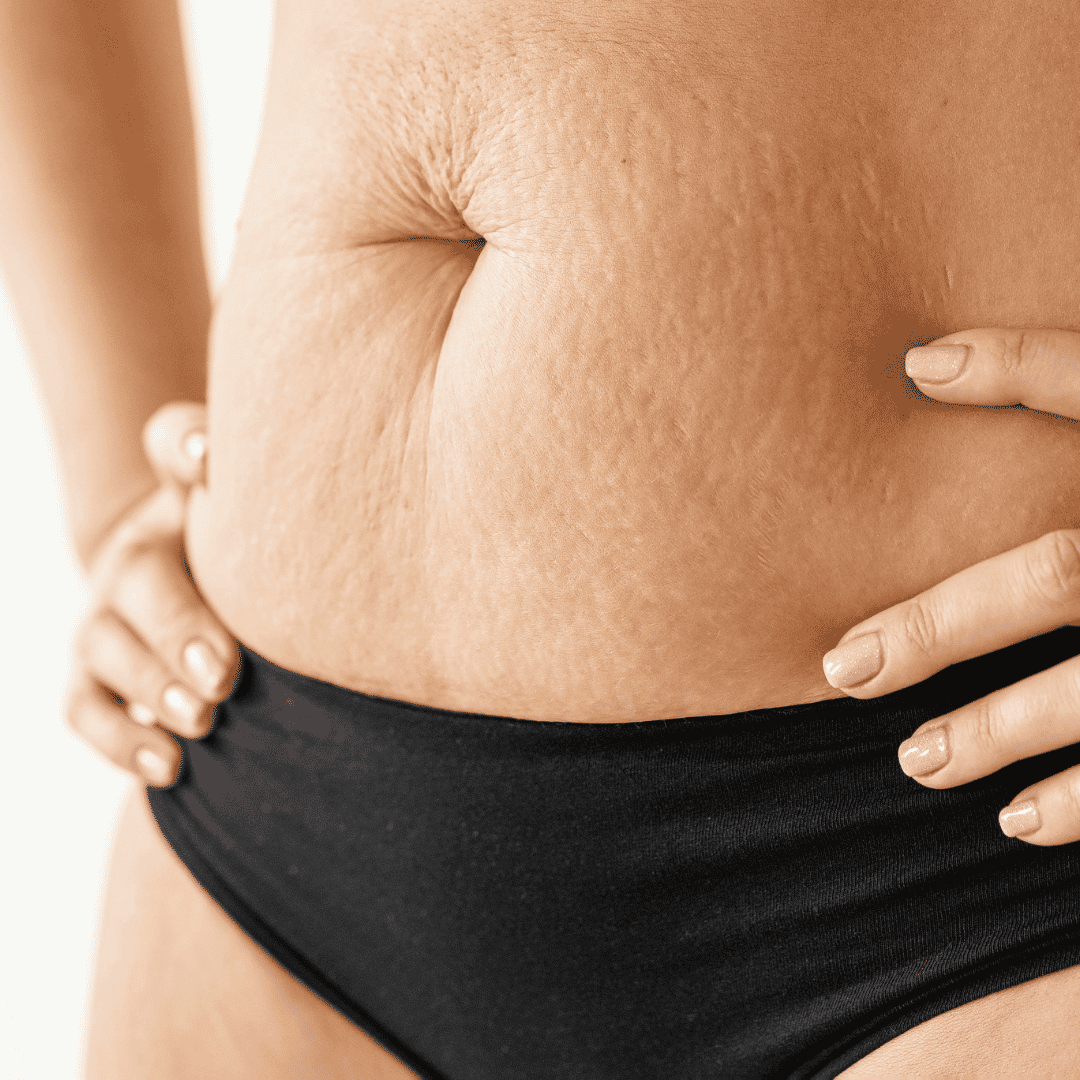
The amount of loose skin depends on several factors, including your age, genetics, how much weight you lose, and how long you carried the excess weight. Because the weight loss is rapid, skin often doesn't have time to shrink. Many patients opt for body contouring surgeries (like a tummy tuck) 12 to 18 months post-op once their weight has stabilized.
6. Can the gastric sleeve be reversed if I don't like it?
No, the gastric sleeve is a permanent, non-reversible procedure. Approximately 80% of your stomach is surgically removed from your body. It is critical to be absolutely certain and psychologically prepared for this lifelong anatomical change before proceeding.
7. What happens if I experience a complication once I am back home?
This is a valid concern for medical tourists. We strongly advise purchasing specialized medical tourism complication insurance prior to travel. If an issue arises at home, you must go to your local emergency room or primary care physician immediately. Your surgical team in Cancun will provide all operative reports to assist your local doctors.
8. Will I lose my hair after the surgery?
Temporary hair thinning (telogen effluvium) is a very common response to the physical stress of surgery and rapid weight loss. It usually occurs between 3 and 6 months post-op. Hitting your daily protein goals and strictly taking your recommended bariatric vitamins will help minimize this, and the hair typically regrows as your weight stabilizes.
9. Is it safe to travel alone to Cancun for this procedure?
While bringing a companion provides excellent emotional and physical support, many patients travel alone successfully. The clinic staff, drivers, and nursing teams are highly accustomed to assisting solo medical travelers, ensuring you are supported, guided, and cared for at every step of the journey.
Take the Next Step Toward Your Health Goals
Embarking on a weight loss journey takes courage, but you don't have to do it alone. If you are ready to explore whether a gastric sleeve in Cancun is the right path for your health, our patient coordinators are here to listen, answer your questions, and provide a no-obligation, personalized estimate.
Request Free QuoteMedical Disclaimer: The content provided on this page is for general informational and educational purposes only. It is not intended to be a substitute for professional medical advice, diagnosis, or treatment. Always seek the advice of your physician or other qualified health provider with any questions you may have regarding a medical condition.
Trusted Resources for Bariatric Surgery Information
- National Institute of Diabetes and Digestive and Kidney Diseases (NIDDK) - Types of Bariatric Surgery
- American Society for Metabolic and Bariatric Surgery (ASMBS) - Bariatric Surgery Procedures
- Mayo Clinic - Patient Overview: Sleeve Gastrectomy
- MedlinePlus - Medical Encyclopedia: Vertical Sleeve Gastrectomy
- World Health Organization (WHO) - Fact Sheet: Obesity and Overweight



























Share this listing