
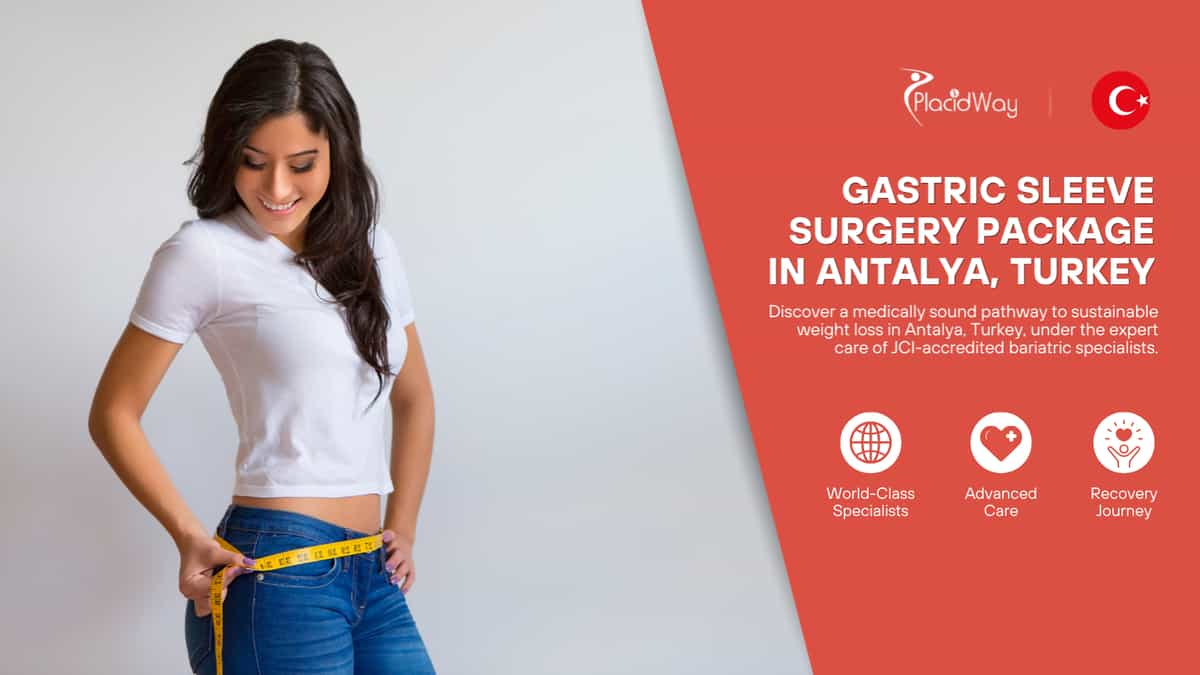
Ready to finally tip the scales in your favor without draining your life savings or sacrificing quality care? Our comprehensive gastric sleeve surgery package in Antalya, Turkey, offers a medically sound pathway to sustainable weight loss for individuals struggling with severe obesity. Starting at an accessible estimated price of $3,500, this typical 6-to-7-day medical itinerary combines minimally invasive bariatric surgery, modern hospital care, and restorative hotel recovery in one of the Mediterranean's most beautiful coastal destinations. Please keep in mind that this procedure requires a lifelong commitment to lifestyle changes, and your final eligibility, personalized treatment plan, and exact pricing will be determined exclusively following a thorough clinical evaluation by your chosen bariatric specialist.
Essential Package Insights at a Glance
- Estimated Cost: Packages start from $3,500, providing significant savings compared to out-of-pocket expenses in North America or Western Europe.
- Facility Standards: Surgeries are performed in modern, well-equipped private hospitals that operate under Turkish Ministry of Health regulations, with many adhering to Joint Commission International (JCI) standards.
- Ideal Candidates: Generally suited for individuals with a Body Mass Index (BMI) over 40, or a BMI over 35 accompanied by obesity-related health conditions like hypertension or type 2 diabetes.
- What to Expect: A minimally invasive (laparoscopic) procedure that removes approximately 75% to 80% of the stomach, significantly reducing portion capacity and hunger hormones.
- Pre-Travel Requirements: Mandatory remote medical screening, submission of health records, and a strict pre-operative liver-shrinking diet are required prior to arrival.
- Stay Duration: Patients typically spend 2 to 3 nights in the hospital followed by 3 to 4 nights in a local hotel before receiving medical clearance to fly home.
Global Cost Comparison for Laparoscopic Gastric Sleeve
The decision to pursue medical travel often stems from prohibitive domestic healthcare costs or lack of insurance coverage for bariatric treatments. The table below illustrates the estimated average out-of-pocket costs for a gastric sleeve procedure across several common home countries compared to the inclusive packages available in Antalya. Please note that international figures typically reflect just the hospital and surgical fees, whereas the Antalya estimate includes significant logistical support.
| Country / Region | Estimated Average Cost Range (USD) |
|---|---|
| United States | $15,000 – $25,000+ |
| Canada | $16,000 – $20,000+ |
| United Kingdom | $11,000 – $15,000+ (£9,000 – £12,000) |
| Antalya, Turkey | Starting from $3,500 |
Detailed Financial Breakdown for Your Bariatric Journey
Transparency is crucial when planning a medical trip abroad. The following table provides an estimated breakdown of how the $3,500 starting price is typically allocated across your care. Important: This is a generalized estimate. Your final quotation may vary based on your specific medical needs, the chosen facility, and any additional required screenings identified by your physician.
| Procedure Item | Estimated Cost | Description |
|---|---|---|
| Pre-Operative Diagnostics | $400 | Comprehensive blood panels, EKG, chest X-ray, and abdominal ultrasound. |
| Surgeon & Anesthesia Fees | $1,800 | Professional compensation for the lead bariatric surgeon, anesthesiologist, and OR staff. |
| Operating Room & Materials | $600 | Use of laparoscopic equipment, advanced surgical staplers, and intra-operative medications. |
| Hospitalization (2-3 Nights) | $450 | Private room accommodations, 24/7 nursing care, and initial post-op recovery medications. |
| Local Logistics & Transfers | $250 | Airport pick-up/drop-off, clinic transport, and dedicated patient coordination services. |
| Total Estimated Package Price: | $3,500 USD | |
What Your Antalya Gastric Sleeve Package Includes
To facilitate a seamless medical tourism experience, these packages are designed to cover the core clinical and logistical elements of your procedure. Standard inclusions generally feature:
- Initial virtual consultation and pre-arrival medical file review by the surgical team.
- All necessary pre-operative diagnostic tests performed upon arrival at the hospital (blood tests, cardiology, pulmonology clearance).
- The laparoscopic sleeve gastrectomy procedure, including standard surgical materials and anesthesia.
- Two to three nights of accommodation in a private hospital room, including meals for one accompanying companion.
- Immediate post-operative care, including IV pain management, anti-nausea medications, and a leak test prior to discharge.
- VIP ground transportation shuttling you between the Antalya airport, your hotel, and the medical facility.
- Assistance from an English-speaking patient coordinator or translator throughout your medical appointments.
- Basic dietary guidelines and a post-operative nutritional plan to follow upon returning home.
Out-of-Pocket Expenses to Anticipate
Understanding what is not covered is equally important for strict budget planning. Patients should be prepared to cover the following exclusions independently:
- Round-trip international airfare to and from Antalya, Turkey.
- Hotel accommodations for the recovery days following hospital discharge (though medical tourism agencies often secure discounted rates for you).
- Specialized medical clearance exams (e.g., advanced cardiology tests) if your routine pre-op tests reveal unexpected health anomalies.
- Travel visas, passport fees, and comprehensive medical tourism insurance policies.
- Prescription medications to take home, such as blood thinners or specific antacids required for early recovery.
- Lifelong specialized bariatric multivitamins, calcium, and protein supplements required after surgery.
Evaluating Your Eligibility for Bariatric Surgery
Bariatric surgery is a major medical intervention, not a cosmetic quick fix. Surgeons adhere to strict clinical guidelines to ensure patient safety and long-term success. You may be considered an appropriate candidate if you meet the following criteria:
- You have a Body Mass Index (BMI) of 40 or higher (typically equating to being more than 100 pounds overweight).
- You have a BMI of 35 to 39.9 coupled with severe obesity-related comorbidities, such as severe sleep apnea, high blood pressure, or type 2 diabetes.
- You have documented evidence of previous, unsuccessful attempts to lose weight through medically supervised diets and exercise programs.
- You do not suffer from severe, uncontrolled acid reflux (GERD) or Barrett’s esophagus, conditions which a gastric sleeve can exacerbate.
- You possess the psychological readiness and commitment to adhere to lifelong behavioral, dietary, and medical follow-up guidelines.
- You are an adult (typically between the ages of 18 and 65, though exceptions are made based on individual biological health).
Essential Medical Documentation for Pre-Approval
To evaluate your safety for travel and surgery, your chosen clinic will require specific health records prior to confirming your booking. Preparing these documents in advance accelerates the assessment process:
- A comprehensive, up-to-date medical history detailing past surgeries (especially any prior abdominal procedures).
- An exhaustive list of all current medications, including dosages, over-the-counter drugs, and herbal supplements.
- Details regarding any diagnosed chronic conditions (e.g., asthma, heart disease, diabetes, psychiatric conditions).
- Clearance letters from local specialists (cardiologist or pulmonologist) if you have known, severe pre-existing health issues.
- Recent standard blood test results, if available, though full panels will be re-run in Turkey.
Step-by-Step Guide to the Sleeve Gastrectomy Procedure
The laparoscopic gastric sleeve (sleeve gastrectomy) is a restrictive bariatric procedure designed to limit food intake and suppress hunger without rerouting the digestive tract. The surgery is performed under general anesthesia and typically takes 60 to 90 minutes. Here is a clear, jargon-free look at how the procedure unfolds:
- Anesthesia and Preparation: You are administered general anesthesia by a certified anesthesiologist. Once you are completely asleep, the surgical team cleans the abdominal area and inflates the abdomen with harmless carbon dioxide gas. This creates a dome-like workspace, allowing the surgeon clear visibility and room to maneuver instruments.
- Laparoscopic Incisions: Instead of a large, open incision, the surgeon creates 4 to 5 tiny keyhole incisions across the abdomen. A laparoscope (a thin tube with a high-definition camera and light) is inserted through one incision, transmitting a magnified view of your stomach to monitors in the operating room.
- Sizing the Sleeve: A calibration tube (bougie) is passed down the esophagus and into the stomach. This tube acts as a sizing guide to ensure the newly created stomach is uniformly narrow and neither too tight nor too loose.
- Stapling and Division: Using highly specialized surgical staplers, the surgeon carefully divides the stomach vertically, parallel to the calibration tube. The stapler simultaneously cuts the tissue and applies three rows of tiny titanium staples to seal both sides securely.
- Removal of Stomach Tissue: Approximately 75% to 80% of the stomach—specifically the stretchy outer curvature (fundus)—is permanently extracted through one of the incisions. Crucially, this removed portion contains the majority of the cells responsible for producing ghrelin, the primary hormone that signals hunger to the brain.
- Finalizing the Anatomy: What remains is a narrow, banana-shaped gastric tube or "sleeve." It functions normally but holds only a fraction of the food it used to (roughly 2 to 4 ounces). The calibration tube is removed, the staple line is checked for integrity, and the small external incisions are closed with dissolving stitches or surgical glue.
Your Anticipated Medical Tourism Itinerary in Turkey
Traveling internationally for surgery requires structured planning. While slight variations occur based on your flight schedule and specific clinical needs, a standard bariatric itinerary in Antalya looks like this:
- Pre-Travel (2-4 Weeks Prior): You must strictly follow a low-carbohydrate, low-calorie liver-shrinking diet prescribed by your clinic. This is non-negotiable, as a smaller liver ensures safe surgical access to the stomach.
- Day 1 (Arrival and Testing): You land at Antalya Airport (AYT) and are transferred to the hospital or clinic. You undergo comprehensive pre-operative testing (bloodwork, EKG, ultrasound) and consult directly with your surgeon and anesthesiologist.
- Day 2 (Surgery Day): You are admitted to your private hospital room. The procedure takes place. You will spend the remainder of the day resting, sleeping off the anesthesia, and receiving IV pain management and hydration.
- Day 3 (Hospital Recovery): You will undergo a leak test (swallowing a specialized dye under fluoroscopy) to confirm your new stomach is sealed. Once cleared, you will be strongly encouraged to walk the hospital halls to prevent blood clots and will begin sipping clear liquids.
- Day 4 (Discharge): After a final clinical assessment, you are discharged from the hospital and transported to your designated recovery hotel in Antalya.
- Days 5-6 (Hotel Rest): You spend these days resting at your hotel, taking short walks, managing your liquid diet intake, and allowing your body to heal in a low-stress environment.
- Day 7 (Clearance and Departure): You attend a final follow-up appointment with your surgeon. Upon receiving fit-to-fly clearance, you are driven to the airport for your journey home.
Navigating Your Time Abroad and Travel Clearance
Rushing back to work or onto an airplane can jeopardize your safety. When scheduling your trip, consider these key timeframes:
- Minimum Stay: Plan to be in Turkey for at least 6 to 7 days. Under no circumstances should you plan to fly immediately after hospital discharge.
- Physician Discretion: Your clearance to fly is entirely dependent on your treating physician’s assessment of your hydration, mobility, and healing progress. Flexibility in your travel dates is highly recommended.
- Return to Work: Most patients with sedentary (desk) jobs can return to work 2 to 3 weeks after surgery. Jobs requiring heavy lifting or intense physical labor may require 4 to 6 weeks of leave.
Post-Operative Healing and Nutritional Milestones
Surgery alters your anatomy, but recovery dictates your success. Your stomach needs substantial time to heal internally, which requires strict adherence to a phased post-operative diet. Failing to follow these stages can cause severe pain, vomiting, or dangerous staple line leaks.
Phase 1: Clear Liquids (Weeks 1-2)
Focus entirely on hydration and allowing the stomach to rest. Acceptable items include water, sugar-free clear broths, decaffeinated tea, and sugar-free gelatin. You must sip constantly and slowly; gulping is strictly forbidden.
Phase 2: Pureed Foods (Weeks 3-4)
Foods must be blended to a completely smooth, baby-food consistency. Prioritize protein. Examples include smooth protein shakes, pureed strained soups, and thinned, non-fat Greek yogurt.
Phase 3: Soft Foods (Weeks 5-6)
Introduction of foods that are easy to mash with a fork. Examples include scrambled eggs, flaky white fish, cottage cheese, and well-cooked, soft vegetables. Chewing thoroughly (20-30 times per bite) becomes vital.
Phase 4: Stabilization (Week 7 and Beyond)
Gradual return to a lifelong solid food diet. Meals must focus on lean, dense proteins first, followed by vegetables. Bread, rice, pasta, and sugary items must be heavily restricted to maintain weight loss and avoid dumping syndrome.
Understanding the Potential Complications of Bariatric Surgery
All surgical procedures carry inherent risks. While the laparoscopic gastric sleeve is highly refined, it remains a major anatomical alteration. We encourage patients to discuss these potential, though not exhaustive, risks openly with their surgeon to make a fully informed decision:
- Staple Line Leaks: The most severe acute complication, where stomach fluids leak through the staple line into the abdominal cavity, causing dangerous infections that require emergency surgical intervention.
- Hemorrhaging: Internal bleeding at the surgical site or incisions, which may necessitate blood transfusions or secondary procedures to control.
- Deep Vein Thrombosis (DVT) & Embolism: Blood clots forming in the legs due to surgery and immobility. If a clot breaks free and travels to the lungs (Pulmonary Embolism), it is life-threatening. This highlights the vital importance of early post-op walking.
- Strictures: A narrowing of the stomach tube caused by scar tissue formation, which can cause chronic vomiting and require endoscopic dilation.
- Gastroesophageal Reflux Disease (GERD): The creation of the high-pressure sleeve can induce new-onset severe heartburn or worsen existing reflux, sometimes requiring long-term medication or, rarely, conversion to a gastric bypass.
- Nutritional Deficiencies: Due to reduced food volume, patients face a lifelong risk of vitamin deficiencies (B12, Iron, Calcium), leading to issues like anemia or osteoporosis if daily supplementation is neglected.
Realistic Weight Loss Expectations and Metabolic Goals
Bariatric surgery provides a powerful biological tool to aid in weight loss, but it is not an automatic cure. Success varies widely based on individual metabolic factors and adherence to lifestyle changes. When evaluating this procedure, maintain realistic expectations:
- Estimated Weight Loss: Patients typically lose between 50% to 70% of their excess body weight over the 12 to 24 months following a gastric sleeve, provided they adhere to dietary and exercise guidelines.
- Improvement in Comorbidities: The procedure frequently leads to the remission or significant improvement of obesity-related conditions, including type 2 diabetes, obstructive sleep apnea, and hypertension.
- The Risk of Regain: Minor weight regain is common a few years post-op as the stomach slightly relaxes. However, significant weight regain is entirely possible if patients revert to poor habits, such as "grazing" all day or consuming liquid calories and sweets.
- Psychological Adaptation: The rapid physical changes often require emotional adjustment. Developing new coping mechanisms for stress—other than eating—is crucial for long-term maintenance.
Answers to Your Most Pressing Bariatric Travel Questions
Is the gastric sleeve procedure reversible?
No. Because approximately 80% of the stomach organ is physically amputated and removed from the body, the sleeve gastrectomy is a permanent, irreversible procedure. It cannot be converted back to normal anatomy.
Will I experience severe pain after waking up?
Most patients report that the abdominal incisions feel sore, similar to completing an intense core workout. However, a very common complaint is referred pain in the left shoulder or chest. This is caused by the carbon dioxide gas used to inflate your abdomen pressing against the diaphragm nerve. Walking is the most effective way to help the body absorb and dissipate this gas pain.
Why is the pre-operative liquid diet so strictly enforced?
In patients with severe obesity, the liver becomes fatty and enlarged, resting heavily over the stomach. The strict low-carb pre-op diet forces the body to burn glycogen, which significantly shrinks the liver. This provides the surgeon with safer, clearer access to your stomach, drastically reducing the risk of accidental organ injury during the procedure.
Will my hair fall out after having a gastric sleeve?
Many patients experience temporary hair thinning (telogen effluvium) roughly 3 to 6 months after surgery. This is a bodily stress response to rapid weight loss and hormonal shifts, not a permanent condition. Ensuring you hit your daily protein targets and rigorously taking your bariatric vitamins can mitigate this, and hair typically regrows fully once your weight stabilizes.
How soon after surgery can I safely fly back home?
Generally, patients are cleared to fly 5 to 7 days post-surgery, strictly pending the surgeon's approval. The main risk of flying is deep vein thrombosis (blood clots). To fly safely, you must stay highly hydrated, wear prescribed compression stockings, and make a point to stand up and walk down the airplane aisle every 45 to 60 minutes.
Can my new stomach stretch back to its original size?
While the stomach will never regain its exact original volume, the tissue is muscular and adaptable. It can and will stretch slightly over the years. However, chronic overeating, forcing down large meals, or drinking carbonated beverages can permanently dilate the sleeve, compromising restriction and leading to significant weight regain.
Do I really have to take vitamins for the rest of my life?
Absolutely. Even though the gastric sleeve does not reroute your intestines (where nutrient absorption happens), the drastically reduced volume of food you consume means you cannot physically eat enough to meet your daily micronutrient needs. Lifelong daily bariatric multivitamins are mandatory to prevent severe neurological and bone density issues.
What happens if I get pregnant after bariatric surgery?
Losing weight often improves fertility, making healthy pregnancies very possible. However, medical guidelines strongly advise using rigorous contraception and waiting a minimum of 18 to 24 months post-surgery before attempting to conceive. Getting pregnant during the rapid weight loss phase risks severe nutritional deprivation for the developing fetus.
Can I drink alcohol after a gastric sleeve?
Surgeons advise abstaining from alcohol for at least the first 6 to 12 months. When you do resume, proceed with extreme caution. The altered stomach anatomy causes alcohol to empty into the intestines rapidly, leading to highly accelerated intoxication and a severe drop in blood sugar. Furthermore, alcohol contains empty calories that hinder weight loss.
How will the language barrier be handled at the hospital?
Reputable medical tourism facilities in Antalya catering to international patients employ dedicated, bilingual patient coordinators. These professionals accompany you to all consultations, testing, and hospital admissions, acting as your personal translator and liaison to ensure you fully understand your care.
Take the Next Step Toward Your Health Transformation
Navigating bariatric options abroad requires careful thought and clear information. If you are exploring whether the gastric sleeve package in Antalya aligns with your health history and financial goals, our team is here to provide factual, transparent answers. Reach out today for a preliminary medical assessment and a personalized estimate with zero pressure to commit.
Request Your Free Personalized QuoteMedical Disclaimer: The content provided on this page is strictly for general informational and educational purposes only. It is not intended to be a substitute for professional medical advice, diagnosis, or treatment. Always consult with a licensed physician or bariatric specialist to evaluate your specific medical eligibility, understand surgical risks, and determine the safest course of action for your health.
Authoritative References & Further Reading
- National Institute of Diabetes and Digestive and Kidney Diseases (NIDDK) – Types of Bariatric Surgery
- American Society for Metabolic and Bariatric Surgery (ASMBS) – Bariatric Surgery Procedures
- Mayo Clinic – Sleeve Gastrectomy: Risks, Preparation, and Results
- Cleveland Clinic – Bariatric Surgery: Comprehensive Health Guide
- Centers for Disease Control and Prevention (CDC) – Medical Tourism Guidelines and Patient Safety




























Share this listing