
Share with AI




Hiatal Hernia Surgery, Hiatal Hernia Surgery Cost, Hiatal Hernia Surgery Recovery Time, Hiatal Hernia Surgery Procedure, Tijuana, Mexico

Hiatal Hernia Repair Surgery in Tijuana, Mexico: Affordable Relief from Chronic Acid Reflux
Hiatal Hernia Repair Surgery in Tijuana, Mexico provides an accessible and high-quality solution for patients suffering from severe gastroesophageal reflux disease (GERD) and hiatal hernias. Located just across the border from San Diego, Tijuana has established itself as a premier destination for medical tourism, offering advanced laparoscopic procedures performed by board-certified surgeons. Patients who choose this location often find that they can access world-class healthcare facilities that rival those in the United States and Canada, but at a fraction of the financial burden. The proximity to the US border makes it a convenient choice for North American patients seeking immediate relief from the burning pain and discomfort associated with hiatal hernias.
Choosing to undergo a laparoscopic hiatal hernia repair in Tijuana allows patients to benefit from state-of-the-art medical technology and personalized care plans designed to ensure a smooth recovery. The medical infrastructure in this vibrant Mexican city is robust, with hospitals accredited by international organizations and staff who are fluent in English to ensure clear communication. Beyond the significant cost savings, the comprehensive care packages often include detailed preoperative evaluations and postoperative follow-ups, ensuring that every aspect of your health is monitored closely. For many, this procedure is not just a medical necessity but a life-changing event that restores the joy of eating and sleeping without pain.
Key Takeaways: Hiatal Hernia Repair in Tijuana
- Significant Cost Savings: Patients can expect to save between 60% and 75% on hiatal hernia surgery in Tijuana compared to prices in the United States and Canada.
- Expert Medical Professionals: Tijuana is home to highly experienced bariatric and general surgeons who specialize in laparoscopic Nissen fundoplication and hernia repairs.
- Minimally Invasive Techniques: Clinics in Tijuana utilize advanced laparoscopic technology, resulting in smaller incisions, reduced pain, and faster recovery times for patients.
- Convenient Accessibility: Located minutes from the San Diego border, Tijuana is easily accessible by car or a short flight, making travel logistics simple for international patients.
- Comprehensive Care: Medical packages in Tijuana are designed to be all-inclusive regarding medical fees, ensuring transparency and eliminating hidden hospital costs.
Cost Overview and Comparison for Hiatal Hernia Repair in Tijuana, Mexico
The cost of hiatal hernia repair surgery in Tijuana, Mexico is significantly lower than in Northern American countries, primarily due to the lower cost of living and overhead expenses in Mexico, not a reduction in quality. Patients can access the same FDA-approved materials and high standards of surgical care found in the US. By traveling a short distance across the border, self-pay patients or those with high-deductible insurance plans can avoid the financial strain often associated with major abdominal surgeries.
Below is a comparative table illustrating the potential financial benefits of choosing Tijuana for your medical needs. Prices include the surgeon's fees, anesthesia, and facility costs.
| Country | Estimated Cost (USD) | Estimated Savings |
|---|---|---|
| Tijuana, Mexico | $4,500 - $6,500 | - |
| United States | $15,000 - $25,000 | 65% - 80% |
| Canada | $12,000 - $18,000 | 50% - 65% |
Note: The prices listed above are estimates and can vary based on the complexity of the hernia, the specific surgical technique required (e.g., Nissen fundoplication vs. Toupet), and the patient's overall medical condition. A personalized quote will be provided after a medical evaluation.
What’s Included in the Hiatal Hernia Repair Package
- Pre-operative Medical Evaluation: Comprehensive blood work, cardiology clearance (if required), and consultation with the surgeon to plan the procedure.
- Surgical Fees: Full coverage of the lead surgeon and assistant surgeon fees for the laparoscopic hiatal hernia repair.
- Anesthesiology Services: Costs for the anesthesiologist and all anesthesia medication used during the surgery.
- Hospital Stay: Overnight hospitalization fees, including nursing care and standard room charges for the required recovery period.
- Operating Room Costs: Use of state-of-the-art operating theaters and laparoscopic equipment.
- Post-operative Medications: Initial supply of painkillers and antibiotics required immediately after the surgery while in the clinic.
- Follow-up Consultation: A post-surgery check-up with the doctor before you return home to ensure healing is progressing correctly.
What’s Not Included in the Hiatal Hernia Repair Package
- Travel Expenses: Round-trip airfare to San Diego or Tijuana International Airport is the responsibility of the patient.
- Accommodation Costs: Hotel stays before the surgery or after hospital discharge are generally not included unless part of a specific premium bundle.
- Personal Meals: Food and beverages for the patient outside of the hospital stay, and all meals for accompanying companions.
- Travel Documents: Passport fees, visa processing fees, or any costs related to crossing the international border.
- Complication Insurance: While rare, costs associated with unforeseen medical complications or extended hospital stays are typically not covered in the base package.
- Additional Medications: Long-term prescriptions or nutritional supplements required after returning home.
Understanding Laparoscopic Hiatal Hernia Repair in Tijuana
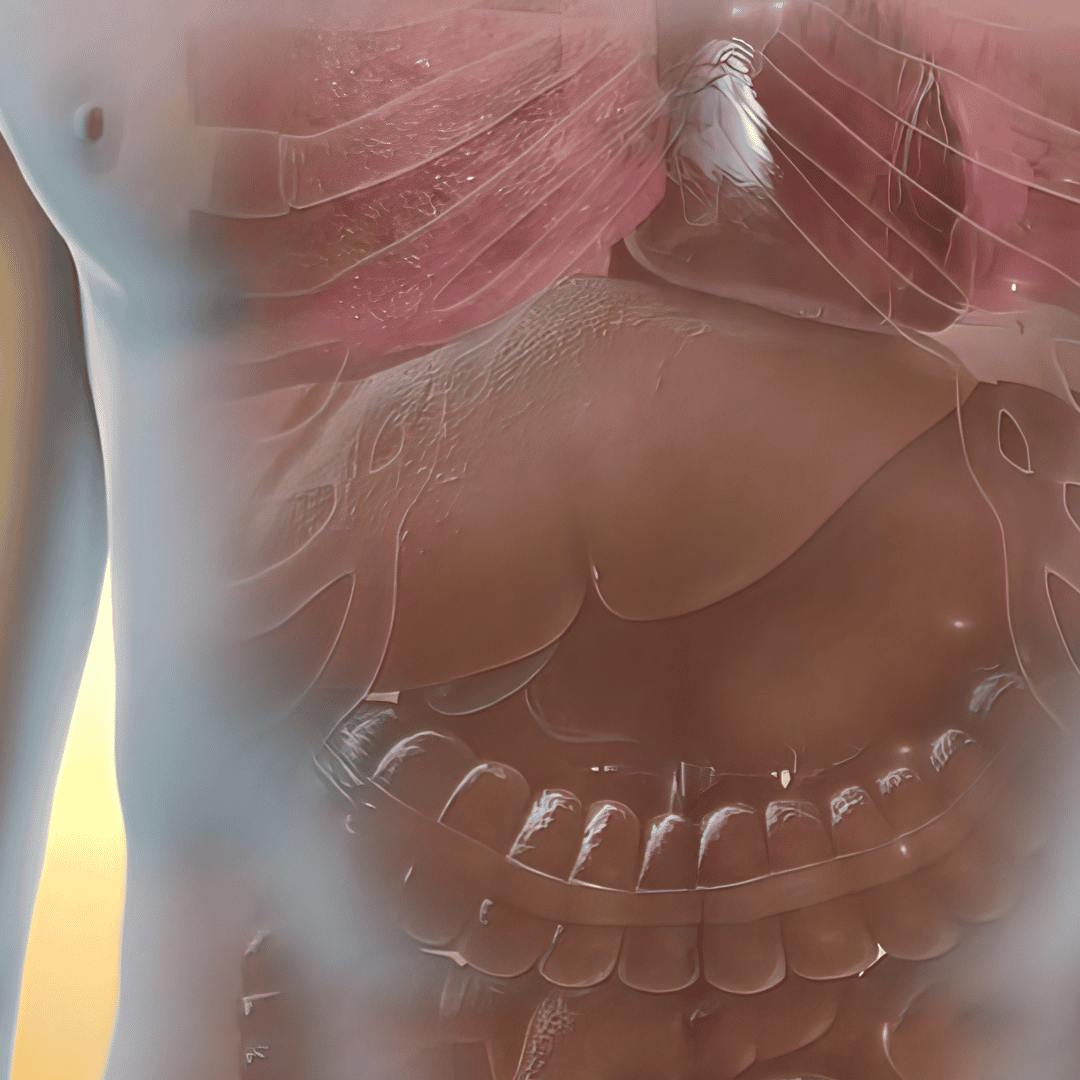
Understanding the intricacies of hiatal hernia repair in Tijuana helps patients feel more confident in their decision. This procedure is designed to correct a condition where the upper part of the stomach bulges through the diaphragm into the chest cavity.
- Purpose of the Surgery: The primary goal is to pull the stomach back into the abdomen and tighten the opening in the diaphragm (the hiatus) to prevent the stomach from bulging through again. This is often combined with a Nissen fundoplication to treat acid reflux.
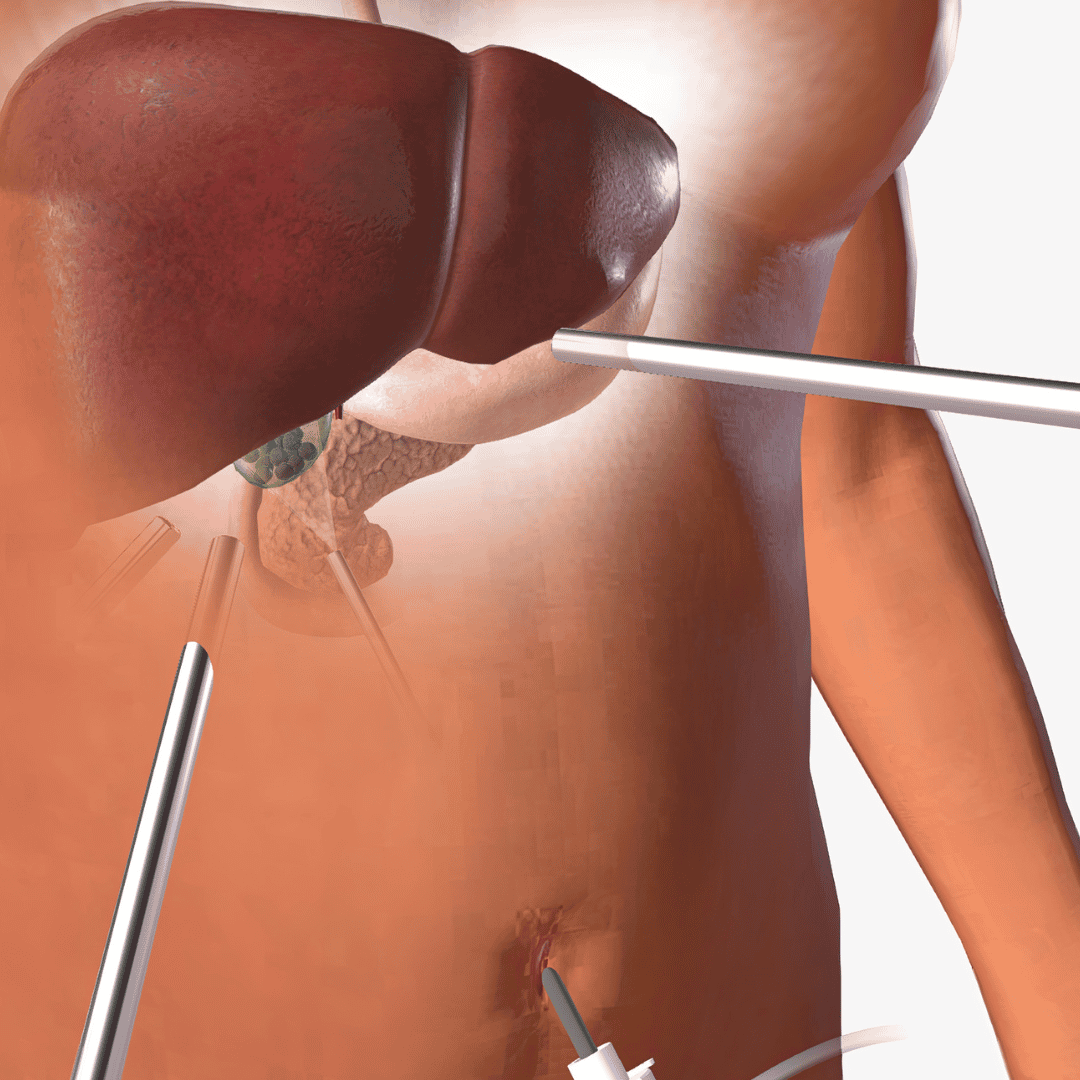
- Minimally Invasive Approach: Surgeons in Tijuana predominantly use laparoscopic techniques. This involves making 3 to 5 tiny incisions in the abdomen rather than one large open incision, ensuring less trauma to the body.
- Nissen Fundoplication: During the repair, the upper part of the stomach (the fundus) is wrapped around the lower esophagus and stitched in place. This reinforces the closing function of the lower esophageal sphincter.
- Use of Surgical Mesh: In cases where the hernia is large, surgeons may use a specialized biocompatible mesh to reinforce the diaphragm repair and reduce the risk of recurrence.
- Procedure Duration: The surgery typically takes between 1.5 to 3 hours, depending on the complexity of the hernia and the patient's anatomy.
- High Success Rates: This procedure has a very high success rate for relieving GERD symptoms, with most patients reporting a complete cessation of acid reflux medication usage post-surgery.
Who Is the Ideal Candidate for Hiatal Hernia Surgery?
Not everyone with heartburn requires surgery, but for many, it is the only long-term solution. Identifying if you are the right fit for hiatal hernia repair surgery in Tijuana involves evaluating your medical history and symptom severity.
- Chronic GERD Sufferers: Individuals who experience severe heartburn and acid reflux that does not respond adequately to lifestyle changes or maximum doses of medication.
- Medication Intolerance: Patients who cannot tolerate the side effects of long-term proton pump inhibitor (PPI) usage or wish to stop taking daily medication.
- Structural Abnormalities: Patients diagnosed with a "paraesophageal" hernia, where the stomach is at risk of becoming strangled or twisted, are often urgent candidates for repair.
- Respiratory Symptoms: Candidates often include those suffering from asthma, chronic cough, or hoarseness caused by the aspiration of stomach acid into the lungs.
- General Health Status: Ideal candidates should be in good enough cardiovascular and pulmonary health to undergo general anesthesia and laparoscopic surgery.
- Commitment to Lifestyle Changes: Patients must be willing to adhere to specific post-operative dietary guidelines, including a liquid diet immediately following the procedure.
Day-by-Day Itinerary for Your Hiatal Hernia Repair in Tijuana
Traveling for surgery requires planning. Here is a typical schedule for patients undergoing hiatal hernia repair in Tijuana, ensuring you know exactly what to expect from arrival to departure.
- Day 1: Arrival and Consultation. You arrive at San Diego International Airport or the Tijuana border. You are transferred to the clinic for pre-op blood work, EKG, and a face-to-face consultation with your surgeon to discuss the procedure.
- Day 2: Surgery Day. You are admitted to the hospital. The anesthesia team prepares you, and the laparoscopic hiatal hernia repair is performed. You will spend the rest of the day in the recovery room and then your private room being monitored.
- Day 3: Hospital Recovery. You remain in the hospital for observation. A barium swallow test may be performed to ensure the repair is intact and there are no leaks. You will begin a clear liquid diet.
- Day 4: Discharge. If your pain is managed and you can tolerate liquids, you will be discharged from the hospital. You will move to a local hotel to rest for an additional day or two depending on surgeon recommendation.
- Day 5: Rest and Recovery. You will relax at your hotel. Light walking is encouraged to prevent blood clots, but no heavy lifting or strenuous activity is allowed.
- Day 6: Final Check-up and Departure. You will have a final wound check with the surgeon. Once cleared, you can travel back home, armed with dietary instructions and prescription medications.
What to Expect from Your Hiatal Hernia Repair in Tijuana
Patients should have realistic expectations regarding the outcome and the immediate aftermath of the surgery. The procedure is highly effective, but the body needs time to adjust to the structural changes made to the stomach and esophagus.
Immediately after surgery, you may experience some discomfort in the abdomen and shoulder pain, which is common due to the gas used during laparoscopy. Swallowing may feel different or slightly difficult initially due to swelling around the esophagus; this is temporary and resolves as inflammation subsides. Most patients report immediate relief from the burning sensation of acid reflux, marking the beginning of a significantly improved quality of life.
Post-Hiatal Hernia Repair Recovery in Tijuana
Recovery is a crucial phase of your medical journey. While the surgery in Tijuana is minimally invasive, adhering to recovery protocols is essential for the long-term success of the repair.
- Dietary Transition: You will strictly follow a liquid diet for the first 1 to 2 weeks, followed by soft foods (purees) for weeks 3 and 4, before gradually reintroducing solid foods.
- Avoid Gas-Producing Foods: To prevent bloating and discomfort, you must avoid carbonated beverages, drinking through straws, and gas-producing vegetables like broccoli or beans for several weeks.
- Incision Care: Keep the small abdominal incisions clean and dry. They are usually closed with surgical glue or dissolving stitches, requiring minimal maintenance other than monitoring for infection.
- Activity Restrictions: You must avoid lifting anything heavier than 10-15 pounds for at least 6 weeks to prevent straining the abdominal repair.
- Medication Management: You may need to crush pills or take liquid forms of medication for the first few weeks to ensure they pass easily through the esophagus.
- Symptom Monitoring: Mild difficulty swallowing is normal, but if you experience vomiting, severe pain, or fever, you should contact your medical coordinator immediately.
Why Choose Tijuana, Mexico for Hiatal Hernia Procedure?
Tijuana has evolved into a global hub for medical excellence, particularly in bariatric and gastrointestinal surgeries. Choosing Tijuana for your hiatal hernia repair offers advantages that go beyond just cost savings.
- High-Volume Expertise: Surgeons in Tijuana perform hundreds of hiatal hernia repairs and fundoplications annually, resulting in a high level of technical proficiency and experience.
- Modern Infrastructure: The city boasts modern medical centers equipped with the latest laparoscopic towers, ICU units, and safety protocols that meet international standards.
- No Wait Times: Unlike the healthcare systems in Canada or the UK, surgery in Tijuana can often be scheduled within weeks, providing immediate relief for suffering patients.
- Bilingual Staff: The medical tourism industry is a priority in Tijuana, so doctors, nurses, and administrative staff are fluent in English, ensuring you feel understood and comfortable.
- Cross-Border Convenience: For US residents, the ability to drive to the appointment or fly domestically to San Diego reduces the stress and cost of international long-haul travel.
Explore Tijuana While You Recover: Top Attractions for Patients
While your primary focus is recovery, you may have some downtime before your surgery or during your recovery phase before flying home. Tijuana offers a rich cultural experience, though activities should be kept low-impact.
- Tijuana Cultural Center (CECUT): A landmark of the city, this center offers museums and an IMAX dome. It is a perfect place for a slow, leisurely walk to appreciate art and architecture without physical strain.
- Playas de Tijuana: A visit to the boardwalk at the beach offers fresh ocean air and a view of the border wall extending into the sea. It is a relaxing spot for sitting and enjoying the sunset.
- Avenida Revolución: The historic center of the city. While it is bustling, a short, gentle stroll can give you a feel for the city’s vibrant culture and history.
- Zona Río: This modern district is filled with plazas and shopping centers. It provides a safe, comfortable, and climate-controlled environment for light walking during your recovery days.
- Gastronomy (with caution): Tijuana is a culinary capital. While you will be on a liquid or soft diet, companions can enjoy world-class Baja Med cuisine, and you can enjoy high-quality broths and nutritional juices available at many upscale restaurants.
FAQs About Hiatal Hernia Repair in Tijuana, Mexico
1. Is hiatal hernia surgery in Tijuana safe?
Yes, surgery in Tijuana is safe when performed by board-certified surgeons in accredited hospitals. Many specialists have trained in the US or Europe and adhere to strict safety protocols comparable to US hospitals.
2. How much can I save on hiatal hernia repair in Tijuana?
Patients typically save between $10,000 and $15,000 compared to US prices. The total cost in Tijuana generally ranges from $4,500 to $6,500, whereas US prices can exceed $20,000.
3. Will I be able to vomit after Nissen Fundoplication?
The surgery tightens the valve between the stomach and esophagus to stop reflux, which also makes vomiting difficult or impossible for many patients. This is a common and intended effect of the procedure.
4. How long do I need to stay in Tijuana for the surgery?
Most patients stay in Tijuana for about 4 to 6 days. This includes the pre-op day, surgery day, 1-2 nights in the hospital, and a couple of days of recovery at a hotel before the final check-up.
5. Do doctors in Tijuana speak English?
Yes, because Tijuana serves a large volume of American and Canadian patients, surgeons and key medical staff are fluent in English to ensure effective communication.
6. Can I bring a companion with me?
Absolutely. It is highly recommended to bring a friend or family member to assist you during your travel and recovery. Most hospital rooms allow for a companion to stay overnight.
7. When can I return to work after hiatal hernia surgery?
Patients with desk jobs can usually return to work within 1 to 2 weeks. Those with physically demanding jobs requiring lifting may need to wait 6 to 8 weeks.
8. Is the surgery open or laparoscopic?
The standard of care in Tijuana is laparoscopic (minimally invasive) surgery. Open surgery is rarely performed unless there are specific medical reasons or complications.
9. What if I have complications after returning home?
Before leaving, your surgeon will provide a detailed report. You should establish care with a local gastroenterologist at home. PlacidWay can also help facilitate communication with your Tijuana surgeon if questions arise.
10. Do I need a passport to go to Tijuana?
Yes, a valid passport is required to re-enter the United States or Canada after your medical trip to Mexico.
Start Your Journey to a Reflux-Free Life with PlacidWay
PlacidWay is your trusted partner in navigating medical tourism in Tijuana. We bridge the gap between you and top-tier medical care, ensuring a seamless experience from start to finish.
- Vetted Medical Providers: We only partner with accredited clinics and board-certified surgeons in Tijuana who have a proven track record of safety and success.
- Personalized Coordination: Our team helps you compare options, understand medical packages, and select the right surgeon for your specific hiatal hernia condition.
- Transparent Pricing: We provide clear, upfront cost estimates so you can budget effectively without worrying about hidden medical fees.
- Patient Advocacy: PlacidWay stands by your side, offering support and resources to ensure your questions are answered and your medical needs are prioritized.
- Free Quotes & Information: Access detailed information and get a customized quote for your surgery with no obligation.



.png)
.png)




Share this listing