
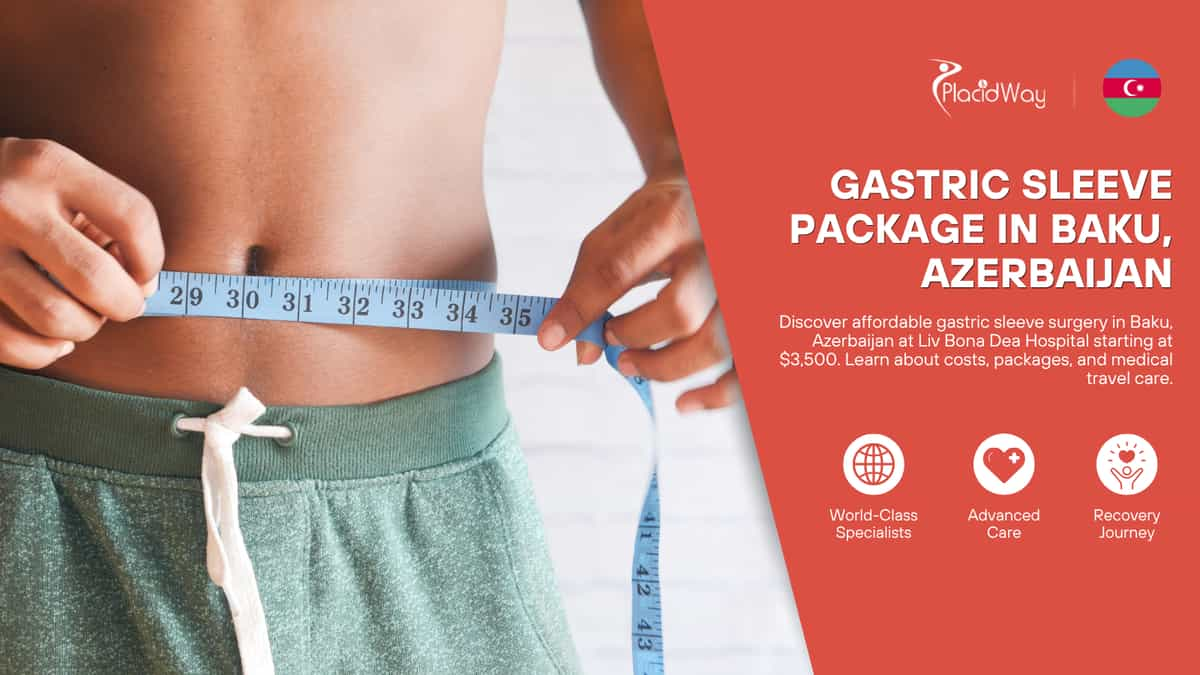
Taking the first step toward lasting weight management doesn't have to mean navigating overwhelming local healthcare wait times or compromising on clinical quality. A gastric sleeve surgery package in Baku, Azerbaijan, performed at the modern Liv Bona Dea Hospital, offers an advanced bariatric solution starting from an estimated $3,500. This specialized medical travel experience typically involves a comprehensive 5 to 7-day stay, blending advanced surgical intervention with guided hospital recovery in a supportive environment. Please note that patient eligibility and final, personalized pricing will be determined strictly following a thorough medical assessment by the attending surgical team.
Key Insights for Your Bariatric Journey
- Estimated Starting Cost: Packages begin at $3,500, offering significant savings compared to North American or Western European averages, pending individual medical review.
- Facility Standards: Procedures take place at Liv Bona Dea Hospital, recognized in the region for maintaining rigorous international protocols for hygiene, technology, and patient care.
- Patient Qualifications: Typically indicated for adults with a Body Mass Index (BMI) over 40, or a BMI over 35 accompanied by obesity-related conditions like type 2 diabetes or hypertension.
- What to Expect: The laparoscopic approach utilizes small incisions, aiming to reduce postoperative pain, minimize scarring, and promote a faster return to daily activities.
- Pre-Travel Preparation: Approval requires a virtual consultation, a detailed review of your medical history, and specific diagnostic imaging or blood tests before travel is authorized.
Global Cost Comparison for Gastric Sleeve Surgery
Medical tourism allows patients to access high-quality care at a fraction of the cost found in their home countries. Below is an estimated comparison of how Baku, Azerbaijan, aligns with other popular medical destinations. Please note these are general estimates for comparison purposes only.
| Country / Region | Estimated Starting Cost (USD) |
|---|---|
| United States | $15,000 - $25,000+ |
| United Kingdom | $10,000 - $14,000+ |
| Turkey | $4,000 - $6,500+ |
| Baku, Azerbaijan (Liv Bona Dea) | Starting from $3,500 |
Detailed Treatment Cost Breakdown
The following table outlines the structural breakdown of the starting price. Important Note: This is an estimated breakdown. The final, comprehensive price is subject to change based on your individual medical assessment, required pre-operative testing, and specific surgical needs determined by the physician.
| Procedure Item | Estimated Cost | Description / Details |
|---|---|---|
| Surgical & Specialist Fees | $1,600 | Covers the primary bariatric surgeon and the surgical assistance team. |
| Anesthesia Services | $500 | General anesthesia administration and continuous intraoperative monitoring. |
| Hospital Facility & Stay | $800 | Operating room fees and post-operative inpatient room stay (typically 2-3 nights). |
| Pre-Operative Diagnostics | $300 | Routine blood panels, EKG, and internal medicine clearances required before surgery. |
| Medications & Consumables | $300 | Surgical staplers, disposable instruments, and standard in-hospital medications. |
| Estimated Total Price | $3,500 | Total baseline estimate prior to specific patient add-ons or complications. |
Services Included in the Package
- Initial virtual consultation with the bariatric team.
- Laparoscopic sleeve gastrectomy procedure.
- Surgeon, anesthesiologist, and nursing staff fees.
- Standard pre-operative laboratory tests and EKG.
- Operating room and recovery room charges.
- Up to 3 nights of inpatient hospitalization.
- Standard medications required during the hospital stay.
- Basic post-operative dietary guidelines and follow-up plan.
Items Excluded from the Package
- International airfare and travel insurance.
- Hotel accommodation before admission and after discharge.
- Complex diagnostic tests (like sleep studies or specialized cardiac exams) if deemed necessary.
- Treatment for unforeseen medical complications.
- Take-home prescription medications and specialized bariatric vitamins.
- Ground transportation (airport transfers) unless explicitly arranged.
- Post-surgical body contouring or cosmetic procedures.
Who is an Ideal Candidate for Gastric Sleeve Surgery?
Bariatric surgery is a major medical intervention and is not suitable for everyone seeking to lose a few pounds. It is designed for individuals battling severe, clinical obesity who have not achieved sustained results through conventional diet and exercise. You may be evaluated as a suitable candidate if you meet the following criteria:
- Body Mass Index (BMI): You have a BMI of 40 or higher, generally representing more than 100 pounds of excess weight for men and 80 pounds for women.
- Co-existing Conditions: You have a BMI of 35 to 39.9 coupled with a severe obesity-related health issue, such as type 2 diabetes, severe sleep apnea, or high blood pressure.
- Weight Loss History: You have documented unsuccessful attempts to lose weight through medically supervised diets and lifestyle changes.
- Psychological Readiness: You understand that surgery is merely a tool, and you are entirely committed to making lifelong behavioral and dietary changes required for long-term success.
- General Health: You are in a stable enough medical condition to safely undergo general anesthesia and major abdominal surgery.
Essential Medical Documents for Pre-Assessment
To ensure your safety and determine your eligibility before you travel to Baku, the medical team at Liv Bona Dea Hospital will need to review your current health status. Preparing these documents in advance accelerates your consultation process:
- Comprehensive Medical History: A detailed summary from your primary care physician outlining past surgeries, chronic illnesses, and ongoing treatments.
- Current Medication List: Dosages and frequencies of all prescription drugs, over-the-counter medications, and supplements you currently take.
- Recent Blood Work: Typically a complete blood count (CBC), comprehensive metabolic panel, and lipid profile taken within the last 3-6 months.
- Cardiac Clearance: An Electrocardiogram (EKG/ECG) to ensure your heart can safely handle general anesthesia.
- Psychological Clearance: Depending on the surgeon’s protocols, a brief letter from a mental health professional confirming your readiness for the lifestyle changes post-surgery.
Understanding the Laparoscopic Sleeve Gastrectomy Procedure
The gastric sleeve, clinically known as a sleeve gastrectomy, is a restrictive bariatric procedure. It achieves weight loss by physically reducing the size of the stomach, thereby restricting the amount of food you can eat. Crucially, it also removes the portion of the stomach that produces "ghrelin," the hormone primarily responsible for stimulating hunger. Here is a step-by-step breakdown of how the surgery is typically performed:
Step 1: Patient Preparation and Anesthesia
Upon entering the operating room, you will be administered general anesthesia. This ensures you are completely asleep, entirely pain-free, and unaware during the entirety of the surgery.
Step 2: Laparoscopic Access
Instead of making a large, open incision across the abdomen, the surgeon makes several small keyhole incisions (usually 4 to 5). A laparoscope—a tiny camera equipped with a light—is inserted into one incision, providing the surgical team with a magnified video view of your internal organs on a monitor.
Step 3: Stomach Resection
Using specialized laparoscopic instruments inserted through the other incisions, the surgeon carefully detaches the stomach from surrounding tissue and blood vessels. They then place a sizing tube (bougie) into the stomach to serve as a guide.
Step 4: Creating the Sleeve
Guided by the sizing tube, a surgical stapler is used to divide the stomach vertically. Approximately 75% to 80% of the stomach (the stretchy outer curve, or fundus) is permanently removed from the body. The remaining stomach is a narrow, banana-shaped tube or "sleeve."
Step 5: Testing and Closure
The surgeon performs a leak test on the newly stapled stomach line using colored dye or air pressure to ensure it is fully sealed. Once verified, the laparoscope and instruments are withdrawn, and the small incisions are closed with sutures or surgical tape.
Your Bariatric Journey: A Step-by-Step Timeline
Traveling for surgery requires careful planning. Here is a typical timeline of what your medical journey to Baku will entail, from the initial inquiry to your journey home.
Phase 1: Virtual Consultation & Planning (Weeks 1-4)
You will submit your medical records for review. Once the medical team confirms you are a candidate, you will have a video consultation to discuss the procedure, risks, and finalize your travel dates.
Phase 2: Arrival in Baku & Pre-Op Testing (Day 1-2)
Upon arrival, you will typically settle into your hotel and then visit the clinic for in-person blood work, diagnostic imaging, and final physical examinations by your surgical and anesthesia team.
Phase 3: Surgery Day (Day 3)
You will be admitted to Liv Bona Dea Hospital. The laparoscopic procedure usually takes 1 to 2 hours. Following surgery, you will wake up in the recovery room before being moved to your private inpatient room.
Phase 4: Inpatient Recovery (Days 4-5)
You will remain in the hospital for 2 to 3 nights. Medical staff will monitor your vital signs, manage your pain, ensure you are hydrated via IV, and help you take your first brief walks to prevent blood clots.
Phase 5: Discharge & Travel Home (Days 6-8)
Once cleared by the surgeon, you will be discharged to your hotel. After a final check-up and receiving your detailed dietary plan, you will be cleared to fly home. Follow-up care then transitions to virtual check-ins with the clinic and your local primary care doctor.
Expected Length of Stay in Azerbaijan
Planning your travel logistics requires understanding the time commitment. While international patients are eager to return home, travel clearance strictly depends on the treating physician's assessment of your post-operative stability and recovery progress.
- Hospital Stay: Typically 2 to 3 nights immediately following the surgery.
- Hotel Recovery: An additional 3 to 4 days recovering in a local hotel is highly recommended before undertaking a long international flight.
- Total Recommended Trip Duration: Patients should plan to be in Baku for a total of 7 to 10 days to ensure a safe, unhurried recovery process.
- Flight Clearance: Your surgeon will conduct a final physical examination and give explicit approval before you are allowed to board a plane, primarily to mitigate the risk of deep vein thrombosis (DVT).
Recovery and Dietary Aftercare Stages
Healing from a gastric sleeve is a progressive journey that demands strict adherence to dietary guidelines to protect your healing stomach and prevent complications. The recovery phases are generally structured as follows:
Stage 1: Clear Liquids (Week 1)
Immediately after surgery, your diet is restricted entirely to clear, sugar-free liquids (broth, water, decaf tea). The primary goal is staying hydrated without stretching the newly formed stomach staples.
Stage 2: Full Liquids & Purees (Weeks 2-3)
As your stomach begins to heal, you will transition to protein shakes, thin soups, and foods pureed to the consistency of baby food. High protein intake becomes vital during this phase to maintain muscle mass while losing weight rapidly.
Stage 3: Soft Foods (Weeks 4-5)
You can gently introduce easily mashable foods like scrambled eggs, soft-cooked fish, and tender vegetables. Chewing thoroughly and eating incredibly slowly (meals should take 20-30 minutes) is crucial to avoid nausea or blockages.
Stage 4: Stabilization (Week 6 and Beyond)
You will gradually return to consuming solid, healthy foods. However, your portion sizes will remain drastically smaller than before surgery. Lifelong commitment to taking specific bariatric vitamins and minerals is required to prevent nutritional deficiencies.
Understanding Risks and Possible Complications
While gastric sleeve surgery is generally considered safe and is performed with a high success rate globally, it remains a major surgical procedure. All surgeries carry inherent risks. Please note that the list below is not exhaustive. Your physician will discuss your individual risk profile extensively during your consultation.
- Staple Line Leaks: A rare but serious complication where stomach fluids leak through the newly stapled seam, potentially causing severe abdominal infection.
- Bleeding and Infection: Standard risks associated with any surgical incisions and internal organ manipulation.
- Blood Clots (DVT/PE): The risk of clots forming in the legs or traveling to the lungs is elevated in patients with severe obesity and during post-operative immobility.
- Nutritional Deficiencies: Because you eat significantly less food, there is a lifelong risk of developing vitamin and mineral deficiencies (like Vitamin B12, Iron, or Calcium) if daily supplements are not taken.
- Gastroesophageal Reflux Disease (GERD): Some patients may develop new or worsened heartburn and acid reflux post-surgery, which may require ongoing medical management.
- Gallstones: Rapid weight loss significantly increases the likelihood of developing gallstones in the months following surgery.
Realistic Expectations and Weight Loss Goals
It is vital to approach bariatric surgery with realistic, scientifically grounded expectations. A gastric sleeve is not a miraculous cure for obesity; it is a powerful medical tool that requires your active participation through sustained lifestyle modifications.
- Weight Loss Timeline: Patients often experience rapid weight loss in the first 3 to 6 months. This pace typically slows down, with maximum weight loss usually achieved between 12 to 18 months post-surgery.
- Amount of Weight Loss: Clinical data suggests that patients may typically lose between 60% to 70% of their excess body weight, though results vary widely based on adherence to diet and exercise regimens.
- Health Improvements: Many patients experience significant improvement or even remission of obesity-related conditions. Blood sugar levels often stabilize, and reliance on blood pressure medications frequently decreases.
- No Guarantees: There is no guarantee of specific weight loss amounts, and weight regain is possible years later if healthy dietary habits and portion controls are abandoned.
- Physical Changes: Significant, rapid weight loss often results in excess, sagging skin. This is a normal physical response, and some patients later choose to undergo cosmetic body contouring surgeries once their weight has stabilized.
Why Choose Liv Bona Dea Hospital for Your Care?
Located in the heart of Baku, Azerbaijan, Liv Bona Dea Hospital is a premier private healthcare facility designed to cater to both domestic and international patients. The hospital is structured around patient safety, advanced surgical technology, and comprehensive multidisciplinary care.
- Modern Infrastructure: The facility features advanced operating theaters specifically equipped for minimally invasive laparoscopic procedures.
- Multidisciplinary Teams: Bariatric care isn't just about the surgeon. The hospital provides access to cardiologists, pulmonologists, and nutritionists to ensure safe preoperative clearance and post-operative planning.
- International Protocols: Liv Bona Dea operates adhering strictly to international medical standards regarding sterilization, patient monitoring, and infectious disease control.
- Comfortable Recovery: The hospital provides modern, private inpatient rooms designed to facilitate a quiet, comfortable recovery process away from home.
Frequently Asked Questions (FAQs)
1. Is it safe to travel internationally for gastric sleeve surgery?
Yes, medical travel is generally safe when coordinated through accredited hospitals and qualified surgeons. The primary risk involves flying too soon after surgery due to blood clot risks, which is why surgeons mandate a specific recovery period (usually 7-10 days total) before granting clearance to fly.
2. Will I need to take vitamins for the rest of my life?
Yes. Because the volume of food you can consume is drastically reduced, it is incredibly difficult to get all necessary nutrients from food alone. You will typically need a daily bariatric multivitamin, calcium, and potentially B12 and iron supplements indefinitely to prevent serious deficiencies.
3. Does the surgery remove my stomach completely?
No. The surgeon removes about 75% to 80% of the stomach. The remaining portion functions normally in terms of digestion, but its capacity is greatly reduced (about the size and shape of a small banana), allowing you to feel full after eating very small portions.
4. How painful is the recovery from a sleeve gastrectomy?
Because the procedure is done laparoscopically, external incision pain is usually minimal and manageable with prescribed oral painkillers. Many patients experience internal soreness and abdominal cramping (often due to the gas used to inflate the abdomen during surgery) for the first few days, which subsides gradually.
5. Can I regain the weight years after having a gastric sleeve?
Yes, weight regain is entirely possible. While the stomach is permanently smaller, the tissue can stretch slightly over time if you consistently overeat. More commonly, patients regain weight by consuming high-calorie liquids or "grazing" on unhealthy foods throughout the day, overriding the tool's restrictive benefits.
6. How soon after surgery can I return to work?
Most patients who have sedentary or desk jobs can return to work within 2 to 3 weeks after surgery. However, if your job requires heavy lifting or intense physical labor, you may need to wait 4 to 6 weeks to allow your internal staple lines to heal securely.
7. Is the gastric sleeve reversible?
No. The gastric sleeve is a permanent, non-reversible anatomical change. The excised portion of the stomach is permanently removed from the body. You must be entirely certain of your decision before proceeding with the operation.
8. Can I get pregnant after having weight loss surgery?
Yes, and in fact, many women find that weight loss improves their fertility. However, medical guidelines strongly recommend waiting at least 12 to 18 months post-surgery before attempting to conceive. This ensures your weight has stabilized and you are not in a state of rapid nutritional change during fetal development.
9. Will I definitely have loose skin after losing the weight?
It varies based on age, genetics, and the total amount of weight lost. However, significant loose skin on the abdomen, arms, and thighs is a very common outcome of massive, rapid weight loss. Compression garments can help with comfort, but surgical removal is the only way to eliminate the excess tissue permanently.
10. What happens if I fail the pre-operative physical in Baku?
Patient safety is the absolute priority. If the anesthesiologist or internal medicine doctor discovers a previously undiagnosed, critical health issue (like severe cardiac distress) during your on-site exams, the surgery will be canceled or postponed. This underscores the vital importance of being totally transparent during your initial virtual consultation and providing accurate medical records.
Ready to Take the Next Step Toward Your Health Goals?
Our team is here to guide you with compassion and expertise. If you're ready to explore whether the gastric sleeve program in Baku is the right medical choice for your journey, reach out to us today. Let's discuss your health history, answer your questions, and provide a personalized treatment plan.
Request a Free, No-Obligation QuoteMedical Disclaimer: The information provided on this page is for general educational and informational purposes only and does not constitute professional medical advice, diagnosis, or treatment. Always seek the advice of your physician or other qualified health provider with any questions you may have regarding a medical condition or treatment plan.
Sources and Clinical References
- National Institute of Diabetes and Digestive and Kidney Diseases (NIDDK) - Types of Bariatric Surgery:
https://www.niddk.nih.gov/health-information/weight-management/bariatric-surgery/types - Mayo Clinic - Sleeve Gastrectomy Overview and Risks:
https://www.mayoclinic.org/tests-procedures/sleeve-gastrectomy/about/pac-20385183 - American Society for Metabolic and Bariatric Surgery (ASMBS) - Bariatric Procedures:
https://asmbs.org/patients/bariatric-surgery-procedures - MedlinePlus (National Library of Medicine) - Weight Loss Surgery Information:
https://medlineplus.gov/ency/article/007126.htm - Centers for Disease Control and Prevention (CDC) - Healthy Weight, Nutrition, and Physical Activity:
https://www.cdc.gov/healthyweight/losing_weight/index.html






















Share this listing