
The Ultimate Guide to Bariatric Surgery in Baku: Real Transformations and Medical Excellence
For individuals battling severe obesity, the journey to reclaiming their health often feels like an impossible uphill climb fraught with disappointment. This inspiring patient testimonial highlights the extraordinary, life-changing power of undergoing advanced bariatric surgery in Baku at a world-class medical facility. When traditional diets and exhausting exercise regimens fail to produce lasting results, medical intervention becomes a critical pathway to profound physical and psychological healing. Read on to explore how modern surgical weight loss solutions are empowering patients to shed decades of physical burden, overcome debilitating joint pain, and completely rewrite their futures with the help of international medical excellence.
Video Chapters & Quick Navigation
The Physical and Emotional Burden of Severe Obesity
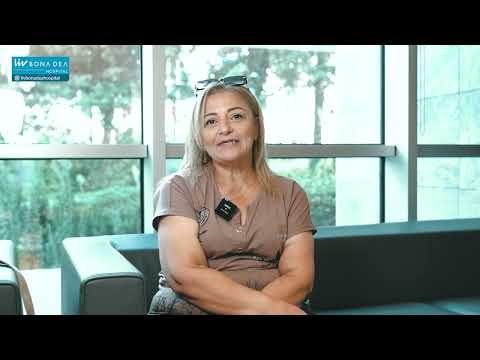
Living with extreme excess weight is far more than a cosmetic concern; it is a complex, debilitating medical condition that impacts every single system within the human body. As the patient bravely shares at [00:00] in the video, simply trying to stand up had become an excruciating task. Her legs were under immense physical strain, causing severe chronic pain that made basic daily mobility nearly impossible.
This mechanical stress on weight-bearing joints—such as the knees, hips, and ankles—frequently leads to accelerated osteoarthritis, a condition where the protective cartilage wears down entirely. When every step sends shockwaves of pain through the lower extremities, patients naturally become more sedentary. This lack of movement triggers a vicious cycle: decreased physical activity leads to further metabolic slowing, which in turn causes even more weight gain, exacerbating the joint pain exponentially.
The Psychological Toll of Weight Gain
The emotional devastation of obesity is often just as painful as the physical ailments. At [00:15], the patient touches upon the deep psychological frustration of trying to find clothing in larger sizes. This common struggle highlights the daily societal alienation and reduced quality of life experienced by those suffering from clinical obesity.
Everyday activities that most people take for granted—shopping for clothes, fitting into a standard airplane seat, or simply playing with children—become sources of immense anxiety and humiliation. Over time, this chronic stress elevates cortisol levels in the body, which medically encourages the body to store even more visceral fat around the abdomen, further complicating the patient's physiological state and deepening their emotional despair.
The Illusion of Quick Fixes: Why Traditional Diets Fail
One of the most persistent myths surrounding obesity is that it can simply be cured with sheer willpower and strict caloric restriction. The patient’s raw admission at [01:10] strikes a chord with millions globally: she spent years investing in slimming teas, unregulated diet pills, and agonizing crash diets, yet the absolute maximum she ever managed to lose was a mere five kilograms.
This failure is not due to a lack of personal discipline, but rather a complex biological defense mechanism known as metabolic adaptation. When an obese individual drastically cuts calories, their body interprets this sudden deficit as starvation. In response, the basal metabolic rate plummets to conserve energy, and the endocrine system floods the brain with ghrelin, the primary hunger hormone, while suppressing leptin, the hormone responsible for signaling fullness.
The Danger of the Diet Industry
The multi-billion dollar diet industry thrives on the cyclical failure of its consumers. Teas that promise rapid weight loss are typically nothing more than harsh laxatives and diuretics. They provide a temporary illusion of weight loss by dangerously depleting the body of essential water and electrolytes, rather than burning stored adipose tissue.
Similarly, over-the-counter diet pills often contain heavy stimulants that drastically elevate heart rates and blood pressure, posing severe cardiovascular risks without delivering permanent metabolic changes. Once the patient inevitably stops consuming these unsustainable products, the body rapidly regains the lost water weight, often adding surplus fat as a biological precaution against future "starvation" periods. This yo-yo dieting severely damages the metabolism, making natural weight loss progressively harder with each failed attempt.
Understanding Bariatric Surgery: A Permanent Medical Solution
When biological mechanisms prevent natural weight loss, weight loss surgery success stories prove that surgical intervention is often the only scientifically sound option. Bariatric surgery is not cosmetic liposuction; it is an advanced metabolic procedure designed to fundamentally alter the digestive system's anatomy. By changing how the stomach and intestines handle food, these procedures facilitate massive, sustainable weight loss and frequently resolve severe obesity-related comorbidities like Type 2 diabetes, sleep apnea, and clinical hypertension.
There are two primary categories of bariatric surgery utilized by leading medical institutions today. Restrictive procedures physically reduce the holding capacity of the stomach, forcing the patient to feel full after consuming a fraction of their normal meal size. Malabsorptive procedures go a step further by rerouting the small intestine, actively preventing the body from absorbing all the calories and fats consumed during a meal.
Primary Types of Bariatric Procedures
- Laparoscopic Sleeve Gastrectomy: Often referred to as the gastric sleeve, this highly popular procedure involves the surgical removal of approximately 80% of the stomach. The remaining stomach takes the shape of a narrow tube or "sleeve." Crucially, the portion of the stomach removed is the exact area responsible for producing the majority of the body's ghrelin (the hunger hormone). This results in a massive reduction in appetite alongside physical restriction.
- Roux-en-Y Gastric Bypass: Considered the gold standard for severe metabolic illness, this procedure creates a tiny pouch at the top of the stomach and connects it directly to the middle portion of the small intestine. It combines profound restriction with malabsorption, leading to extremely rapid weight loss and immediate improvements in insulin sensitivity, often resolving diabetes before significant weight is even lost.
- Mini Gastric Bypass: A modern variation of the traditional bypass that features a shorter operating time, less rerouting of the intestines, and typically fewer long-term complications, while still delivering exceptionally powerful weight loss results.
Liv Bona Dea Hospital: A Global Standard in Baku
The patient’s profound gratitude expressed at [01:25] toward Dr. Farid and the medical staff sheds light on the rising prominence of medical tourism in Azerbaijan. Baku has rapidly transformed into a premier destination for complex medical procedures, rivaling the clinical standards found in top-tier Western European and North American hospitals.
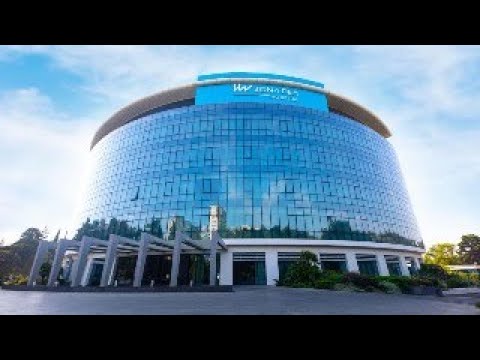
Liv Bona Dea Hospital represents the pinnacle of this medical renaissance. Facilities of this caliber operate under stringent international protocols, often mirroring Joint Commission International (JCI) standards for patient safety, advanced sterilization techniques, and comprehensive post-operative care. The operating theaters are equipped with cutting-edge laparoscopic technology, which minimizes surgical trauma, reduces the risk of post-operative infection, and dramatically shortens the patient's required hospital stay.
The Multidisciplinary Approach to Care
What sets elite institutions apart is their refusal to treat bariatric surgery as a mere physical operation. Successful, long-term weight management requires a multidisciplinary approach. Before a patient ever enters the operating room in Baku, they undergo rigorous psychological evaluations to ensure they are mentally prepared for the drastic lifestyle changes ahead.
Expert cardiologists, pulmonologists, and endocrinologists collaborate to optimize the patient’s health for general anesthesia. Following the surgery, clinical dietitians step in to provide intense, personalized nutritional counseling, ensuring the patient navigates the complex post-operative dietary phases safely without risking malnutrition or severe vitamin deficiencies.
A Remarkable Transformation: The 50-Kilogram Weight Loss Journey
The core of this video is the astonishing timeline of the patient's physical transformation. At [00:27], she joyfully reveals a staggering 43-kilogram weight loss within just seven months following the operation. By [00:46], she clarifies that she has lost a total of 50 kilograms since beginning the comprehensive medical program. This rate of fat loss is medically impossible to achieve safely through diet and exercise alone.
Shedding 50 kilograms is the equivalent of removing a heavy, adult-sized backpack that the patient had been forced to carry every second of her life. The relief on her cardiovascular system is immediate and profound. The heart no longer has to work overtime to pump blood through miles of excess adipose tissue, drastically lowering blood pressure and significantly reducing the risk of a catastrophic myocardial infarction or stroke.
Regaining Youth and Vitality
Perhaps the most poignant moment of the testimony occurs at [00:54], where she beams with radiant confidence, stating she feels at least twenty years younger. This is not merely a psychological placebo effect; it is a profound biological reset.
As massive amounts of visceral fat melt away from the internal organs, systemic inflammation throughout the body plummets. Cellular aging slows down, joint mobility is rapidly restored, and the patient experiences a massive surge in baseline energy levels. Sleep apnea, a common silent killer among the obese that prevents deep REM sleep, is often completely cured, allowing the patient to wake up genuinely rested and bursting with vitality for the first time in decades.
The Comprehensive Recovery Timeline After Weight Loss Surgery
While the surgical intervention is powerful, the gastric sleeve recovery time requires immense patient dedication and strict adherence to medical protocols. The healing process is not instantaneous; it demands a total restructuring of one's relationship with food to protect the healing surgical staple lines within the stomach and to prevent serious gastrointestinal complications.
The initial post-operative phase is the most restrictive. For the first two weeks, patients are placed on a strict clear liquid diet. This gives the dramatically reduced stomach time to heal while keeping the patient hydrated. Following this, patients transition to full liquids, which include protein shakes essential for preventing muscle catabolism during the rapid weight loss phase.
Transitioning Back to Solid Foods
By week three or four, patients are introduced to pureed and soft foods. The focus shifts entirely to high-protein, low-carbohydrate intake. Because the stomach capacity is now vastly limited, every single bite of food must be nutritionally dense. Consuming empty calories, simple sugars, or highly processed fats can lead to "dumping syndrome," a highly uncomfortable physiological reaction resulting in severe nausea, cold sweats, and rapid heart rate.
Furthermore, because the anatomy of the stomach has been altered, long-term bariatric patients must commit to lifelong vitamin supplementation. Essential nutrients like Vitamin B12, Iron, Calcium Citrate, and Vitamin D are no longer absorbed with the same efficiency as before. High-quality, specialized bariatric multivitamins become a daily, non-negotiable routine to prevent severe neurological and bone density issues years down the line.
Shattering the Price Tag: The Cost of Bariatric Surgery Abroad
The primary catalyst driving thousands of patients to seek bariatric surgery in Baku is the crippling cost of healthcare in Western nations. In the United States, patients without highly specific, premium insurance coverage face out-of-pocket costs that are simply insurmountable for the average working family. Even in countries with nationalized healthcare systems, the waiting lists for elective bariatric procedures can stretch for several agonizing years, during which the patient's health continues to rapidly deteriorate.
Medical tourism in Azerbaijan shatters this financial barrier. Patients receive identical, if not superior, premium surgical materials (such as titanium staples and advanced laparoscopic equipment) for a fraction of the cost. These dramatic savings are primarily due to the lower cost of living, reduced administrative overhead, and highly favorable exchange rates, rather than any compromise in medical quality or safety protocols.
Furthermore, international medical packages provided by top clinics typically feature all-inclusive benefits. This means the quoted price not only covers the complex surgery and anesthesia but also includes multiple nights of VIP hospital accommodation, comprehensive pre-operative blood panels and cardiological diagnostics, post-operative medications, airport transfers, and dedicated bilingual patient coordinators who ensure a seamless, stress-free experience from arrival to departure.
Psychological Support Systems and Lifelong Maintenance
While the physical weight melts away quickly, the psychological adaptation to a dramatically changing body is a complex, ongoing process. Patients who undergo drastic bariatric surgery in Baku often deal with rapid shifts in body image. The brain takes significantly longer to adjust to the new reflection in the mirror than the body takes to lose the weight. This is why top-tier hospitals integrate heavy psychological support into their comprehensive care plans.
Weight loss surgery is a highly effective tool, but it is not a magical, zero-effort cure. To maintain the incredible 50-kilogram weight loss celebrated in this testimonial, the patient must engage in a lifelong commitment to a protein-forward nutritional lifestyle and regular physical exercise. Support groups, continued consultations with nutritional experts, and a strong personal support network are vital components to ensuring the weight never returns, allowing the patient to enjoy their vibrant, newly reclaimed life for decades to come.
Ready to Reclaim Your Health and Vitality?
Stop letting severe weight gain control your life and your future. Explore world-class, affordable bariatric surgery options with highly accredited international medical teams. Let us guide you through every step of your transformative medical journey.
GET YOUR FREE MEDICAL CONSULTATIONView Full Video Transcript
[00:00] I was having a lot of difficulty standing up. My legs were hurting immensely.
[00:08] I used to stand up in the morning and try to go for a walk, but my legs would ache terribly and I couldn't bear it.
[00:15] Finding clothes in larger sizes was a huge challenge and frustration for me.
[00:27] In just 7 months, I have dropped 43 kilograms since the surgical operation.
[00:46] My whole life has changed completely. From head to toe, absolutely everything is different now.
[00:54] I feel at least 20 years younger now. I have so much energy and vitality back.
[01:05] Before this medical project, I had honestly tried everything available to me.
[01:10] I spent months and years on different teas, various pills, and strict diets, but the most weight I ever managed to lose was just 5 kilos.
[01:25] I want to express my deepest, most sincere gratitude to the entire team at Liv Bona Dea Hospital.
[01:35] Special thanks to Dr. Farid and all the incredible medical staff who supported me from day one of this journey.
.png)
.png)
.png)
.png)


.png)
.png)
.png)
.png)

.jpg)
.jpg)
.jpg)
.jpg)








Share this listing