


.jpg)
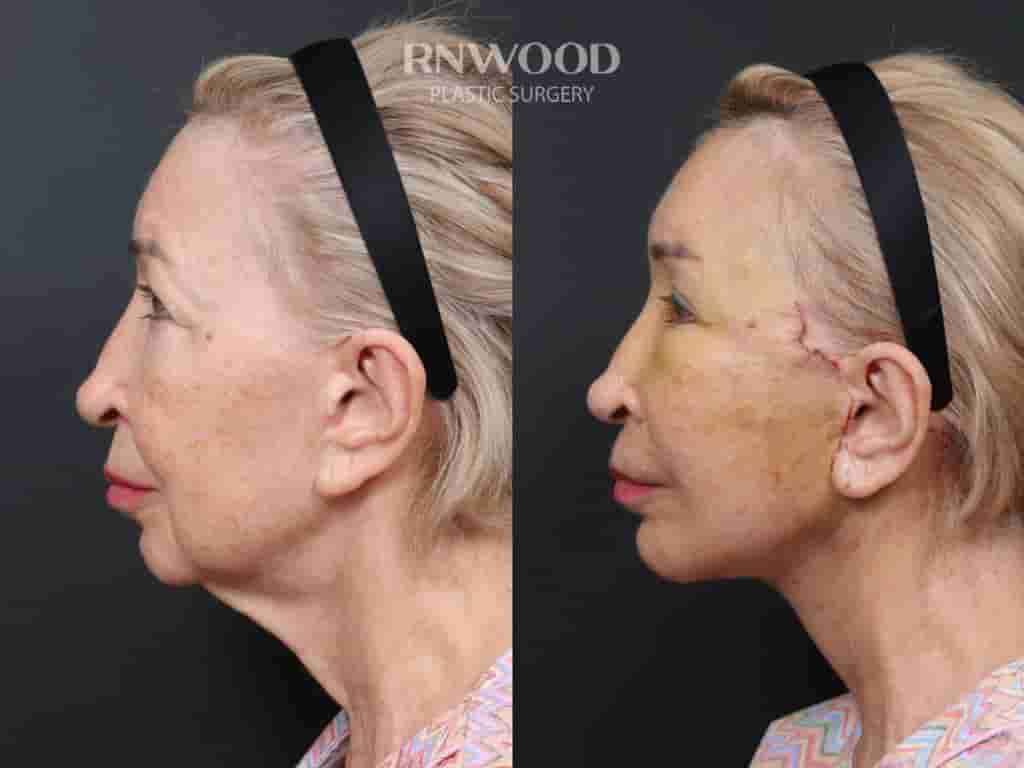
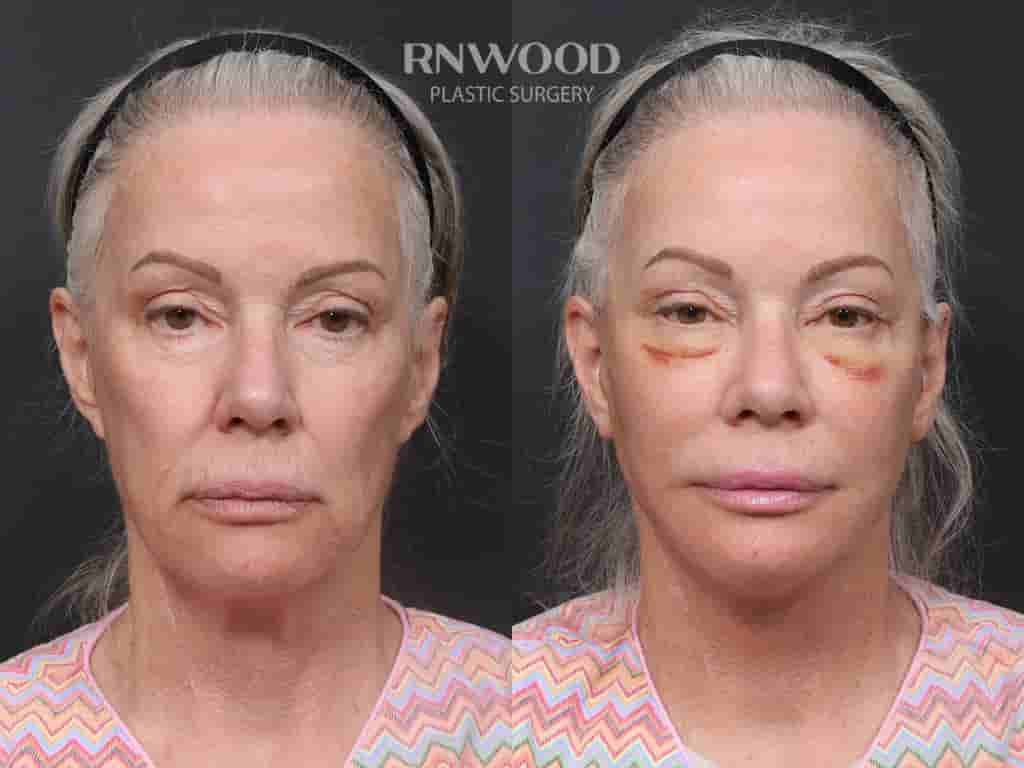
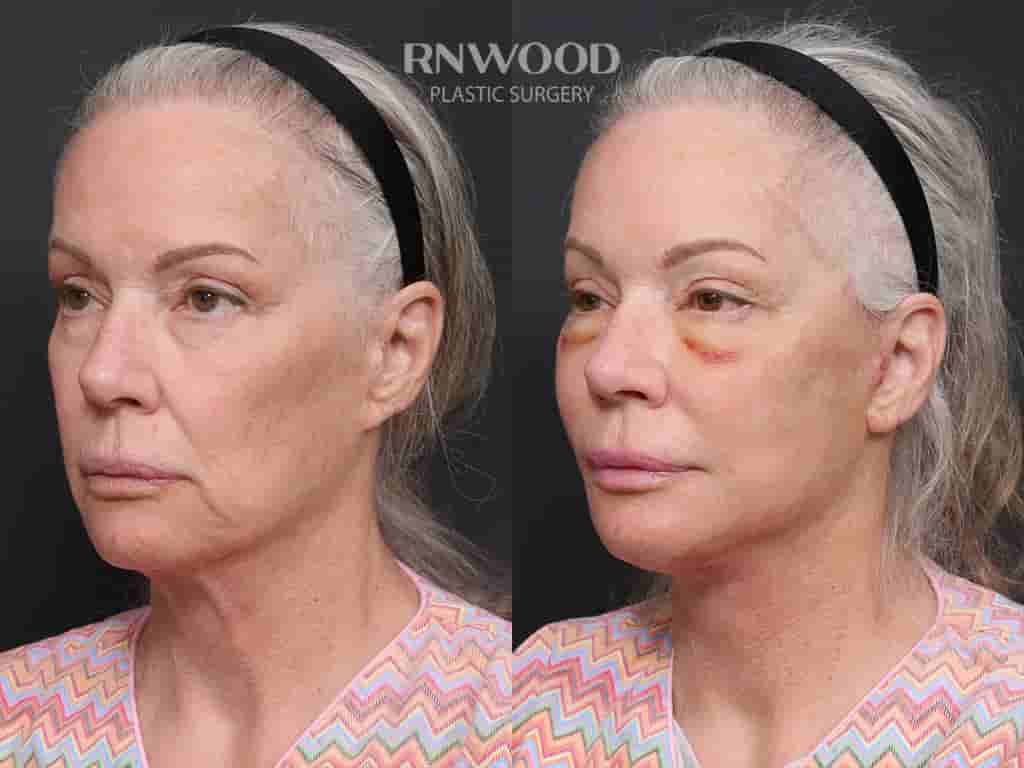

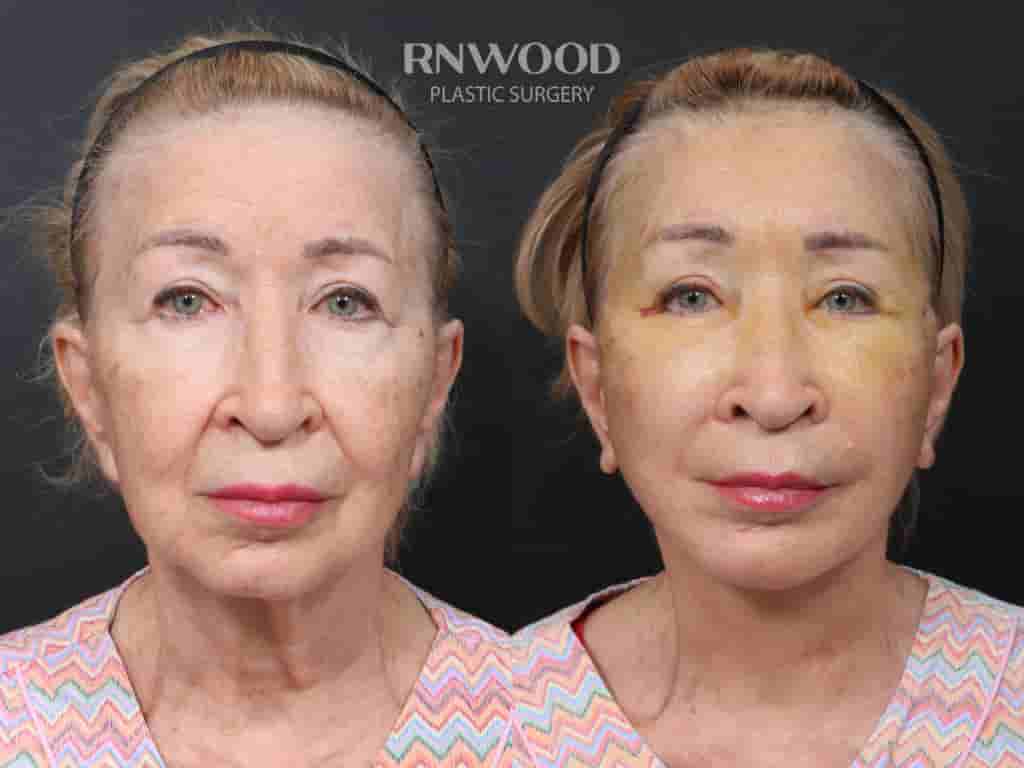
Correcting a prior facelift requires unparalleled precision, making Seoul's globally recognized aesthetic expertise the ideal setting to safely address complex anatomical challenges. Our comprehensive revision deep plane facelift package at RNWOOD in Seoul starts at an estimated $35,000, tailored specifically for individuals seeking to restore natural facial harmony after previous surgeries. This specialized reconstructive and aesthetic treatment by Dr. Minhee Ryu involves an extended multi-day stay in South Korea, though your final pricing, treatment eligibility, and exact timeline will be determined following a thorough, personalized medical assessment. We are dedicated to providing a clear, supportive pathway to help you achieve realistic, long-lasting facial rejuvenation.
Essential Insights for Your Secondary Facelift in South Korea
- Estimated Starting Cost: $35,000 USD (subject to final adjustment based on a personalized, comprehensive clinical evaluation).
- Clinic & Surgeon Credentials: Conducted at RNWOOD by Dr. Minhee Ryu, fully certified by the Korean Society of Plastic and Reconstructive Surgeons (KSPRS).
- Patient Qualifications: Specifically designed for individuals experiencing anatomical settling, asymmetry, severe scarring, or the "pulled" look resulting from previous facial surgeries.
- What to Expect: A complex surgical intervention involving the release and repositioning of retaining ligaments beneath the SMAS layer to alleviate tension on the skin.
- Pre-Travel Requirements: Mandatory virtual consultation, submission of detailed medical history, and pre-operative cardiac/blood clearances before booking your itinerary.
Understanding the Cost of Secondary Deep Plane Facial Surgery
Navigating the financial aspects of a secondary surgery requires transparency. Because revision surgeries are inherently more complex than primary procedures—often requiring scar tissue navigation and structural reconstruction—the costs reflect the advanced expertise required. Below is a comparative overview showing how Seoul remains a highly competitive destination for world-class surgical expertise.
Global Cost Comparison for Revision Facelifts
| Country/Region | Average Estimated Cost (USD) |
|---|---|
| United States | $55,000 - $80,000+ |
| United Kingdom | $45,000 - $65,000+ |
| Australia | $40,000 - $60,000+ |
| Seoul, South Korea (RNWOOD) | Starting from $35,000 |
Detailed Breakdown of Your Estimated Investment
*Please note: The following table represents an estimated cost breakdown. Final pricing is strictly dependent upon a comprehensive, in-person medical assessment by Dr. Ryu.
| Procedure Item | Estimated Cost | Description |
|---|---|---|
| Surgical & Surgeon Fees | $22,500 | Covers Dr. Ryu’s expertise, scar revision, and structural repositioning. |
| Anesthesia Services | $3,500 | Administered and monitored by a board-certified anesthesiologist. |
| Facility & Hospital Stay | $4,000 | Operating room fees and 1-2 nights of in-patient post-operative monitoring. |
| Pre & Post-Op Care | $3,000 | Consultations, basic blood panels, compression garments, and follow-up visits. |
| International Patient Support | $2,000 | Dedicated medical translator, airport transfers, and concierge assistance. |
| Total Estimated Price | $35,000 | Final package total subject to clinical evaluation. |
What is Included in Your Facial Rejuvenation Package?
To ensure a seamless experience in Seoul, our package consolidates the essential clinical and logistical elements of your surgical journey.
- Comprehensive pre-operative consultation and surgical planning with Dr. Minhee Ryu.
- The revision deep plane facelift surgical procedure.
- Fees for a board-certified anesthesiologist present throughout the operation.
- 1 to 2 nights of inpatient monitoring in a private clinic recovery suite.
- Standard post-operative medications (antibiotics, pain management) for the immediate recovery period.
- Specially designed facial compression garments.
- Scheduled post-operative follow-up appointments and suture removal.
- Professional English-speaking medical translation services during clinic visits.
- Round-trip VIP airport transfers between Incheon International Airport and your hotel.
What Expenses Are Not Covered in This Quote?
For full financial transparency, please plan for the following out-of-pocket expenses that are not included in the primary package cost.
- International airfare and travel insurance.
- Accommodation (hotel or recovery house) for the duration of your stay outside of the clinic.
- Daily living expenses, meals, and local transportation (aside from airport transfers).
- Advanced medical clearances (e.g., specialized cardiac tests) required prior to travel.
- Long-term prescription medications or specialized treatments needed upon returning to your home country.
- Additional complex grafting materials or secondary corrective procedures not identified in the initial surgical plan.
Who is an Ideal Candidate for Revision Facial Surgery?
Revision surgery requires a patient to be in excellent physical and emotional health, with realistic expectations about correcting prior surgical outcomes. You may be a suitable candidate if you meet the following criteria:
- You have previously undergone a facelift (SMAS, mini-lift, or deep plane) and are dissatisfied with the longevity or aesthetic quality of the results.
- You are experiencing the "pixie ear" deformity, visible and widened scarring, or an unnatural, wind-blown appearance from excessive skin tension.
- Sufficient time (typically at least 12 months) has passed since your previous facial surgery, allowing internal tissues and scars to soften.
- You are a non-smoker, or are willing to completely abstain from nicotine products for at least six weeks prior to and following surgery, to ensure proper vascular healing.
- You do not possess severe underlying medical conditions that could impair healing or increase anesthesia risks.
Medical Documentation Needed for Your Preliminary Assessment
To determine if it is medically safe and appropriate for you to travel to Seoul for this procedure, our clinical team requires specific documentation for a remote evaluation:
- Clear, well-lit, high-resolution photographs of your face and neck from multiple angles (front, left profile, right profile, 45-degree angles, and close-ups of specific concerns and previous scars).
- A comprehensive timeline and operative reports (if available) detailing all previous facial surgeries, injectables, thread lifts, or energy-based treatments.
- A detailed medical history, including current medications, supplements, allergies, and chronic health conditions.
- Recent standard blood work (CBC, metabolic panel, coagulation profile) performed within the last three months.
- For patients over a certain age or with a history of cardiovascular issues, an ECG/EKG and clearance from a general practitioner or cardiologist.
How the Deep Plane Facelift Correction is Performed
A revision deep plane facelift is a highly intricate procedure. Unlike a primary lift, Dr. Ryu must meticulously navigate through altered anatomy and existing scar tissue. The goal is to elevate and reposition the entire structural foundation of the face (the SMAS layer and underlying musculature) as a single unit, avoiding any pulling on the surface skin.
- Anesthesia Administration: You will be placed under general anesthesia or deep intravenous sedation, ensuring complete comfort and safety throughout the multi-hour operation.
- Strategic Incision Placement: Dr. Ryu carefully traces or excises previous surgical scars, concealing new incisions within the hairline and the natural contours in front of and behind the ear.
- Navigating Scar Tissue: The most delicate phase involves carefully dissecting through fibrosis (scarring) from previous procedures to access the deeper facial planes without damaging delicate nerves.
- Releasing the Retaining Ligaments: Unlike standard facelifts that just pull the SMAS, the deep plane technique involves surgically releasing four key retaining ligaments (zygomatic, masseteric, mandibular, and cervical). This fully frees the facial tissues to move naturally.
- Structural Repositioning: The deep tissues are elevated vertically to restore volume to the midface and re-establish a youthful jawline contour. The tissue is securely anchored in its new, elevated position.
- Tension-Free Skin Redraping: Because the heavy lifting is done beneath the muscle, the surface skin is simply redraped gently over the new contours and trimmed of excess, avoiding the artificial "windblown" appearance.
- Meticulous Closure: Incisions are closed using incredibly fine sutures to minimize future scarring. A light dressing and a supportive facial wrap are applied to control initial swelling.
Your Medical Travel Itinerary: From Arrival to Departure
Traveling for complex surgery requires a structured plan. Here is a typical timeline for international patients undergoing revision surgery at RNWOOD.
- Day 1 (Arrival): Arrive at Incheon International Airport. Our transport service will take you to your hotel to rest and acclimate to the time zone.
- Day 2 (Pre-Op Consultation): In-person consultation with Dr. Ryu. Final physical examinations, blood tests, 3D imaging, and a detailed review of the surgical plan are conducted.
- Day 3 (Surgery Day): Arrive at the clinic fasting. The procedure is performed. You will remain overnight in the clinic's recovery ward under nursing supervision.
- Day 4 (Discharge): Dr. Ryu evaluates your condition. Drains (if used) are typically removed. You are discharged to your hotel with a designated caretaker or medical escort.
- Days 5–8 (Active Recovery): Rest at your hotel. You will visit the clinic 1-2 times for wound cleaning, dressing changes, and deswelling treatments (such as light therapy).
- Day 9–10 (Suture Removal): The initial set of external sutures is carefully removed by the clinical team.
- Day 14 (Final Check & Clearance): A comprehensive final evaluation with Dr. Ryu. Remaining sutures are removed. Once cleared by the medical team, you may safely board a flight home.
Recommended Time in Seoul for Safe Healing and Clearance
We do not rush the recovery process. Your safety is our primary concern. International patients must be prepared for a specific duration of stay.
- Minimum Required Stay: 14 days in South Korea post-surgery.
- Aviation Safety: Flying too soon after major facial surgery significantly increases the risk of deep vein thrombosis (DVT) and hematomas due to cabin pressure fluctuations.
- Clearance is Conditional: Final travel clearance depends entirely on the treating physician's assessment of your individual healing trajectory and the resolution of acute post-operative risks.
Navigating Your Post-Operative Recovery Stages
Healing from a revision deep plane facelift is a gradual journey. Because deeper tissues were manipulated, swelling can be more persistent than in superficial lifts.
- Week 1 (Acute Phase): Expect significant swelling, tightness, and bruising around the cheeks, neck, and eyes. Rest with your head elevated is critical. You will eat a soft-food diet.
- Week 2 (Transitional Phase): Bruising shifts from deep purple to yellow and begins to fade. Sutures are removed. Swelling is still noticeable but starting to recede. You will feel comfortable going out in public with sunglasses and light makeup.
- Weeks 3–6 (Structural Healing): The face will feel "tight," and you may experience temporary numbness or tingling along the jawline as sensory nerves regenerate. You can resume light cardiovascular exercise as cleared by Dr. Ryu.
- Months 3–6 (Refinement): The vast majority of residual swelling subsides. The final contour of your jawline and midface becomes beautifully apparent. Scars begin to mature and fade.
- 12 Months (Final Maturation): Healing is considered entirely complete. Tissues have fully settled, and sensory feeling usually returns to normal.
Understanding the Potential Risks of Secondary Facial Surgery
While RNWOOD adheres to the highest clinical safety standards, all surgical procedures carry inherent risks. A revision surgery presents a slightly higher risk profile due to existing scar tissue and altered blood supply. This list is not exhaustive, and the physician will thoroughly discuss individual risks during your consultation.
- Hematoma: A collection of blood beneath the skin, which is the most common acute complication and requires prompt clinical evacuation.
- Nerve Injury: Temporary weakness or asymmetry in facial movements due to bruising of the facial nerve branches. Permanent nerve injury is exceedingly rare but possible, especially in revision cases.
- Infection and Poor Wound Healing: Slightly elevated risk in patients with poor circulation, those who have smoked, or along previous scar lines.
- Hair Loss: Temporary or, rarely, permanent hair loss near incision sites around the temples or nape of the neck.
- Prolonged Edema: Persistent swelling that takes longer to resolve than during your primary surgery.
Setting Realistic Expectations for Your Final Outcome
Reconstructive aesthetic surgery aims to significantly improve facial harmony, but it cannot stop the natural aging process. Approaching this procedure with realistic expectations is vital for your emotional satisfaction.
- The procedure typically yields a softer, more natural appearance by correcting the artificial tension caused by previous superficial lifts.
- While scars from prior surgeries may often be excised or improved, new incisions will be made, and invisible scarring can never be guaranteed.
- Results may vary widely depending on your skin elasticity, bone structure, and the extent of internal scarring from your prior operations.
- Minor asymmetries are a natural feature of all human faces and may still be present after surgery; absolute perfection is not a realistic medical goal.
Meet Dr. Minhee Ryu: Your Reconstructive and Aesthetic Specialist
Dr. Minhee Ryu is a board-certified plastic surgeon recognized within Seoul's elite medical community for a specialized focus on complex facial anatomy and revisionary procedures. Dr. Ryu combines rigorous surgical discipline with an artistic understanding of natural facial harmony.
- Board Certified by the Korean Society of Plastic and Reconstructive Surgeons (KSPRS).
- Specialized surgical focus on the deep plane approach, which requires an advanced, intimate knowledge of sub-SMAS facial anatomy.
- Extensive clinical track record in correcting previous aesthetic surgeries, managing scar tissue, and restoring anatomical integrity.
- Committed to continuing medical education, frequently participating in international aesthetic symposiums to maintain cutting-edge surgical techniques.
RNWOOD: A Premier Destination for Complex Facial Aesthetics
Located in the heart of Seoul—a global epicenter for advanced cosmetic surgery—RNWOOD operates as a state-of-the-art medical facility dedicated strictly to patient safety and superior clinical outcomes.
- Fully accredited facility meeting the stringent healthcare regulations set forth by the South Korean Ministry of Health and Welfare.
- Equipped with advanced operating theaters utilizing continuous cardiovascular monitoring and hospital-grade sterilization protocols.
- Maintains an in-house, board-certified anesthesiology team dedicated exclusively to overseeing patient sedation and pain management.
- Features private, comfortable post-operative recovery suites staffed by experienced surgical nurses for immediate aftercare monitoring.
Frequently Asked Questions
Why is a revision facelift considered more complex than a primary one?
A primary facelift involves virgin tissue. During a revision, the surgeon must navigate through internal fibrosis (scar tissue), altered blood supplies, and potentially distorted anatomical landmarks from the previous surgery. This requires significantly more time, caution, and highly advanced anatomical knowledge to prevent nerve damage.
How long should I wait after my first facelift before considering a revision?
Surgeons typically require patients to wait a minimum of 12 months after their previous facial surgery. This mandatory waiting period allows deep internal swelling to resolve completely and for rigid scar tissue to soften, making a secondary procedure much safer and more predictable.
Will this procedure correct the unnatural "pulled" look from my previous surgery?
Yes, correcting the "wind-blown" or pulled look is a primary goal of the deep plane technique. Older or less advanced techniques often relied on pulling the skin tightly. By releasing the underlying ligaments and moving the muscle layer instead, the skin can be redraped softly, removing that artificial tension.
Does a deep plane approach involve substantially more downtime?
Surprisingly, the deep plane approach often involves less surface bruising than a standard SMAS lift because the surgical plane is deeper, beneath the layer containing the majority of blood vessels. However, because it is a revision surgery, you may experience persistent, deep tissue swelling that can take several weeks to fully subside.
What happens if I develop a complication like a hematoma while in Seoul?
This is exactly why a mandatory 14-day stay is enforced. If a hematoma (blood collection) occurs, it almost always happens within the first 48 hours. Being in Seoul allows Dr. Ryu and the clinical team to immediately intervene, safely evacuate the fluid, and ensure your healing process continues uninterrupted.
How visible will the new scars be compared to my old ones?
Dr. Ryu aims to utilize your existing incision lines whenever possible to avoid creating parallel scars. In many cases, if your previous scars widened due to skin tension, the deep plane technique can actually improve their appearance because the new closure will be entirely tension-free.
Can persistent neck banding be addressed during this revision?
Yes. The deep plane facelift is inherently connected to the neck structure. Dr. Ryu will often perform a concurrent deep neck lift or platysmaplasty, releasing the cervical ligaments to effectively address neck bands, sagging, and restore a sharp, youthful jawline angle.
Why choose South Korea for a secondary facial procedure?
South Korea, and Seoul in particular, is globally renowned for its hyper-competitive, highly advanced aesthetic medical sector. Surgeons here perform a staggering volume of complex, high-precision procedures. This intense clinical environment breeds exceptional surgical dexterity and innovative approaches to difficult reconstructive cases.
How does Dr. Ryu handle compromised skin elasticity from previous surgeries?
If the skin is extremely thin or has lost vital elasticity due to previous over-resection, Dr. Ryu relies on the structural support of the SMAS layer rather than the skin itself to hold the face in place. Occasionally, adjunctive treatments like fat grafting may be recommended to restore lost volume and improve skin vitality.
When is it absolutely safe to fly back home after the procedure?
You must not fly for at least 14 days following your surgery. Cabin pressure changes can cause delayed bleeding, and prolonged sitting increases DVT risk. You will only be permitted to fly once Dr. Ryu conducts a final evaluation and formally clears you for international travel.
Take the Next Step Toward Restoring Your Facial Harmony
Deciding on a revision surgery is a significant choice, and you deserve comprehensive, compassionate guidance. Contact our patient care team today to schedule your virtual assessment with Dr. Ryu and begin planning your medical journey to Seoul.
Medical Disclaimer: The content provided on this page is for general informational and educational purposes only and does not constitute medical advice. Always consult with a qualified healthcare professional or board-certified surgeon regarding your specific medical condition, eligibility for surgery, and individualized treatment planning.
References
- American Society of Plastic Surgeons (ASPS) - Overview and Safety of Facelift Procedures
- National Center for Biotechnology Information (NCBI) - Comprehensive Review of Deep Plane Facelift Techniques
- International Society of Aesthetic Plastic Surgery (ISAPS) - Global Guidelines for Patient Safety in Medical Tourism
- Mayo Clinic - Facelift: What to Expect, Risks, and Recovery Timelines
- Aesthetic Surgery Journal - Clinical Outcomes and Considerations in Revision Facelift Surgery
.png)

.png)
.png)


.jpg)
.png)


.png)
.jpg)
.png)
.png)








Share this listing