

Noticing that gravity is starting to win the inevitable tug-of-war with your jawline and neck? A comprehensive facelift (rhytidectomy) package in Bogota, Colombia with Dr. Felipe Castro Esguerra offers a tailored surgical approach to restoring facial contour and youthfulness, starting at an estimated $4,500. This aesthetic medical travel program is carefully designed for international patients seeking to smooth deep facial wrinkles, lift sagging deeper tissues, and rejuvenate their overall appearance while recovering in a vibrant, globally recognized medical tourism destination. Please remember that your final eligibility for surgery, the required length of your hospital stay, and exact procedural pricing will always depend on a personalized, comprehensive medical assessment by the surgical team.
At a Glance: Fast Facts About Your Bogota Facelift Journey
- Estimated Investment: Starting at $4,500 USD (subject to final medical evaluation and personalized surgical plan).
- Surgeon Credentials: Led by Dr. Felipe Castro Esguerra, a highly trained, board-certified plastic surgeon adhering to international safety protocols.
- Ideal Patient Profile: Healthy non-smokers with noticeable facial sagging, deep creases, and realistic expectations regarding aesthetic outcomes.
- What to Expect: A multi-layered surgical approach (often involving the SMAS layer) to provide natural-looking, long-lasting facial rejuvenation rather than just skin tightening.
- Pre-Travel Requirement: Mandatory remote consultation, submission of comprehensive medical history, and local physician clearance before booking flights to Colombia.
Understanding the Financial Investment for Facial Rejuvenation
When considering cosmetic surgery abroad, understanding the financial landscape is crucial. Patients frequently travel to Bogota to access high-quality surgical care at a fraction of the cost typically found in North America or Europe. Below is a general comparison of average facelift costs across popular home countries.
| Country | Average Estimated Cost (USD) |
|---|---|
| United States | $12,000 - $18,000 |
| Canada | $11,500 - $16,000 |
| United Kingdom | $10,000 - $15,000 |
| Bogota, Colombia (This Package) | Starting at $4,500 |
The specific cost of your procedure in Bogota will be determined by the exact techniques required for your unique facial structure. Here is a detailed breakdown of what is typically factored into the starting price.
| Procedure Item | Estimated Cost | Description |
|---|---|---|
| Surgical Fees | Included | Primary surgeon's time, expertise, and operational execution. |
| Anesthesia Services | Included | Administered by a certified anesthesiologist for your safety and comfort. |
| Operating Room Facility | Included | Use of a fully equipped, accredited surgical theater and medical supplies. |
| Pre-Surgical Consultations | Included | In-person evaluations with Dr. Castro upon arrival in Bogota. |
| Post-Operative Follow-Ups | Included | Routine clinic visits to monitor healing, remove sutures, and assess recovery. |
| Total Estimated Price | $4,500 USD | *Pending comprehensive in-person medical assessment. |
Note: This is an estimated baseline cost. Final pricing is strictly contingent upon a professional medical assessment, the complexity of your case, and clearance by the treating physician.
What Your Colombian Facelift Package Includes?
- Primary surgical fee for Dr. Felipe Castro Esguerra.
- Fees for the board-certified anesthesiologist.
- Operating room and clinical facility charges.
- Standard medical supplies used during the procedure.
- Initial pre-operative in-person consultation.
- Scheduled post-operative follow-up appointments at the clinic.
- Basic post-surgical compression garments (if deemed necessary by the surgeon).
Services and Expenses Not Covered in Your Quote
- International airfare to and from Bogota, Colombia.
- Hotel or recovery house accommodations during your stay.
- Pre-operative lab tests and cardiovascular clearance exams.
- Prescription medications for post-operative pain and infection prevention.
- Ground transportation (airport transfers, daily clinic commutes).
- Meals, personal expenses, and travel insurance.
- Treatment for unforeseen medical complications.
Who is an Ideal Candidate for Facial Contouring Surgery?
A facelift is a highly individualized procedure. Not everyone who desires facial rejuvenation is a suitable candidate for surgery. During your assessment, the medical team will look for specific physiological and lifestyle factors to determine if this procedure is safe and appropriate for you.
- Noticeable Facial Sagging: Individuals experiencing significant skin laxity in the mid-face, deep creases below the lower eyelids, or deep lines extending from the nose to the corners of the mouth (nasolabial folds).
- Good Skin Elasticity: While the surgery removes excess skin, underlying skin flexibility is important for the tissue to drape smoothly over the newly contoured facial framework.
- Strong Bone Structure: A well-defined underlying bone structure provides essential support for the altered tissues, contributing to a more satisfying aesthetic outcome.
- Excellent General Health: Candidates must be free from life-threatening illnesses or medical conditions that severely impair healing, such as poorly controlled diabetes or severe cardiovascular disease.
- Non-Smokers: Smoking severely restricts blood flow to the skin, which can delay healing, increase scarring, and elevate the risk of tissue necrosis. Candidates must commit to stopping nicotine use weeks before and after surgery.
- Realistic Expectations: Ideal patients understand that a facelift does not stop the aging process; rather, it "sets the clock back." They seek improvement, not perfection.
Essential Health Records for Your Preliminary Surgical Assessment
To ensure your safety before traveling abroad, Dr. Castro’s team will require a comprehensive review of your medical background. Having these records prepared will expedite your remote consultation process.
- A complete, up-to-date medical history detailing past surgeries, chronic illnesses, and allergies.
- A comprehensive list of all current medications, including vitamins, herbal supplements, and over-the-counter drugs.
- Recent blood work (CBC, clotting times, blood sugar levels) as requested by the clinic.
- An electrocardiogram (ECG/EKG) with clearance from a cardiologist, generally required for patients over a certain age (usually 50).
- Clear, well-lit, unedited photographs of your face and neck from multiple angles (front, both sides, and 45-degree angles) for initial surgical planning.
Step-by-Step Guide: How a Rhytidectomy is Performed
Understanding the surgical approach can help alleviate pre-travel anxiety. A modern facelift involves intricate work beneath the skin to ensure lasting, natural-looking results. Here is a general breakdown of the clinical steps involved.
Step 1: Anesthesia Administration
For your comfort and safety, the procedure is typically performed under general anesthesia or intravenous sedation. The exact choice is determined collaboratively by your surgeon and the anesthesiologist based on the complexity of your surgery.
Step 2: Making the Incisions
Depending on the degree of correction needed, the surgeon will make incisions. A traditional facelift incision often begins in the hairline at the temples, continues downward around the front of the ear, and ends behind the ear in the lower scalp. If the neck requires significant lifting, a secondary small incision may be placed under the chin.
Step 3: Repositioning the Tissues
Modern facelifts go beyond just pulling skin tight. Dr. Castro will likely elevate and reposition the underlying muscle and connective tissue—often referred to as the SMAS (Superficial Musculoaponeurotic System) layer. By tightening this foundational layer, the facial structure is restored to a more youthful position without appearing stretched.
Step 4: Removing Excess Skin
Once the underlying tissues are secured, the skin is gently re-draped over the new facial contours. Any excess, redundant skin that causes jowls or sagging is carefully trimmed away to ensure a smooth finish.
Step 5: Closing the Incisions
The incisions are closed with fine sutures or skin adhesives. These are meticulously placed within the natural contours of your ear and hairline to ensure that resulting scars blend naturally and are easily concealed by your hair once fully healed.
Your Complete Facelift Journey: From Consultation to Full Recovery
Embarking on a medical journey abroad requires careful planning. Here is the typical timeline international patients follow when traveling to Bogota for facial rejuvenation.
- Weeks 1-4 (Pre-Travel): Submit medical records and photos. Attend a virtual consultation with Dr. Castro to align expectations. Receive your personalized treatment plan, secure medical clearance from your local doctor, and finalize travel arrangements.
- Day 1 (Arrival in Bogota): Arrive in Colombia and settle into your accommodations. Rest and hydrate.
- Day 2 (Pre-Op Consultation): Meet Dr. Castro in person for a final examination. The surgical plan is reviewed, surgical markings are made, and consent forms are signed.
- Day 3 (Surgery Day): Proceed to the clinic. The surgery takes several hours. Depending on the surgical extent, you will either stay overnight in the clinic or be discharged to your recovery facility with a designated caregiver.
- Days 4-7 (Acute Recovery): Rest is paramount. You will experience swelling and bruising. You will attend follow-up appointments to have dressings changed and small surgical drains (if used) removed.
- Days 8-14 (Suture Removal & Clearance): Sutures are generally removed around day 7 to 10. Swelling begins to noticeably subside. Once Dr. Castro clears you for travel, you may return to your home country.
- Months 1-6 (Continued Healing): Final subtle swelling dissipates over several months. You will likely engage in virtual follow-ups with the Bogota clinic to monitor your final results.
Planning Your Travel: Recommended Duration in Bogota
When scheduling your medical trip, timing is everything. Rushing recovery to catch a flight can jeopardize your results and your health.
- Minimum Stay: Patients are typically required to stay in Bogota for a minimum of 10 to 14 days post-surgery.
- Medical Clearance: Final travel clearance depends exclusively on the treating physician's assessment of your recovery progress. Never book non-refundable flights without buffer days.
- Post-Surgical Appointments: Your stay accommodates multiple crucial follow-up visits to manage incisions, monitor healing, and remove sutures before you face cabin pressure on an airplane.
Navigating Your Post-Operative Healing Stages
Recovery requires patience. Facial tissues need time to adjust to their new contours. Here is a realistic look at the healing process.
The First 72 Hours: This is the most intense period. You will likely feel a sensation of tightness and moderate discomfort, which is managed with prescribed medication. Swelling and bruising will peak. You must sleep with your head elevated to minimize edema.
The First Two Weeks: Bruising will begin to change color and fade. Swelling will start to go down, though your face may still feel stiff. Most patients feel comfortable being seen in public (with makeup to cover residual bruising) toward the end of the second week. Sutures are removed during this timeframe.
One Month and Beyond: You can generally resume normal social activities and light exercise. However, subtle residual swelling—which you may notice more than anyone else—can persist. The tissues will continue to soften, and the incision lines will begin to mature and fade over the next 6 to 12 months.
Understanding Potential Surgical Risks and Side Effects
All surgical procedures carry inherent risks. While choosing a board-certified surgeon mitigates these risks, it is imperative to make an informed decision. Please note this list is not exhaustive, and your physician will discuss individual risks based on your health profile.
- Hematoma: A collection of blood under the skin is the most common complication of a facelift, typically occurring within 24 hours post-surgery, requiring prompt medical drainage.
- Scarring: While incisions are hidden, poor healing or genetic factors can lead to thick, red, or prominent scars.
- Nerve Injury: Temporary—or in rare cases, permanent—weakness or loss of feeling in the face can occur if sensory or motor nerves are bruised or severed.
- Hair Loss: Temporary or permanent hair loss can happen near the incision sites, particularly at the temples.
- Infection and Poor Wound Healing: Though uncommon, infections can occur. Smokers are at a highly elevated risk for skin necrosis (tissue death) and delayed healing.
Realistic Outcomes: What a Facelift Can (and Cannot) Achieve
Setting reasonable expectations is the key to satisfaction in cosmetic surgery. The goal of a rhytidectomy is a refreshed, rested appearance.
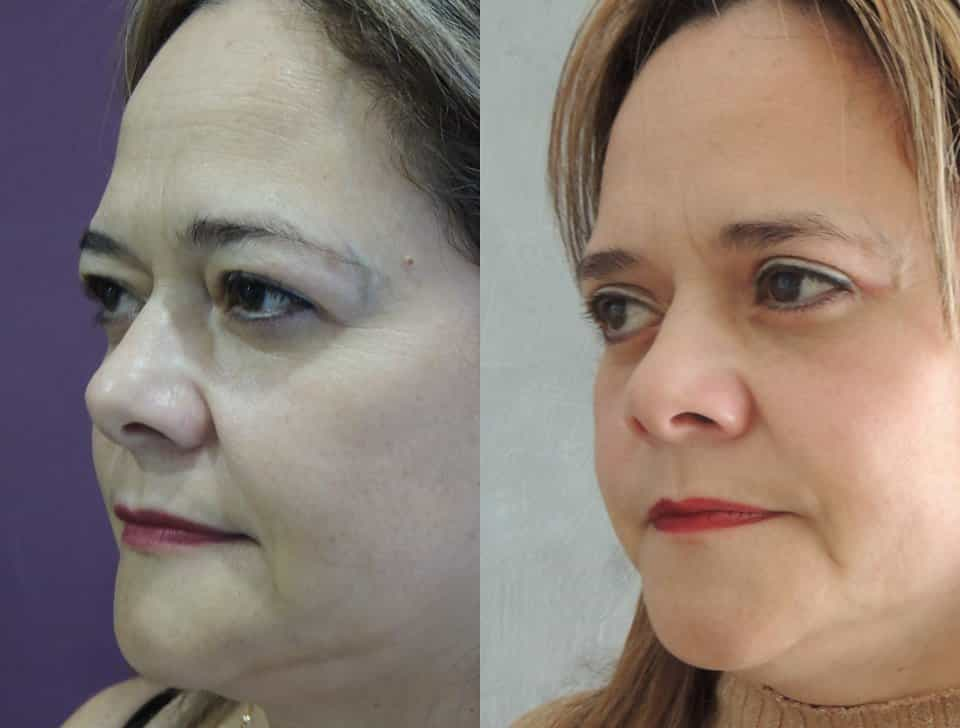
- Restored Contours: The procedure typically improves the contour of the jawline, significantly reducing the appearance of jowls.
- Smoother Transitions: It often softens deep folds between the nose and mouth.
- Longevity: While results may last a decade or more, a facelift cannot stop the biological aging process. Your skin will continue to age naturally.
- Limitations: A standard facelift does not address superficial wrinkles, sun damage, or uneven skin tone. It also does not alter the appearance of the upper eyelids or brow; those areas require separate procedures.
Meet Dr. Felipe Castro Esguerra: Board-Certified Plastic Surgeon
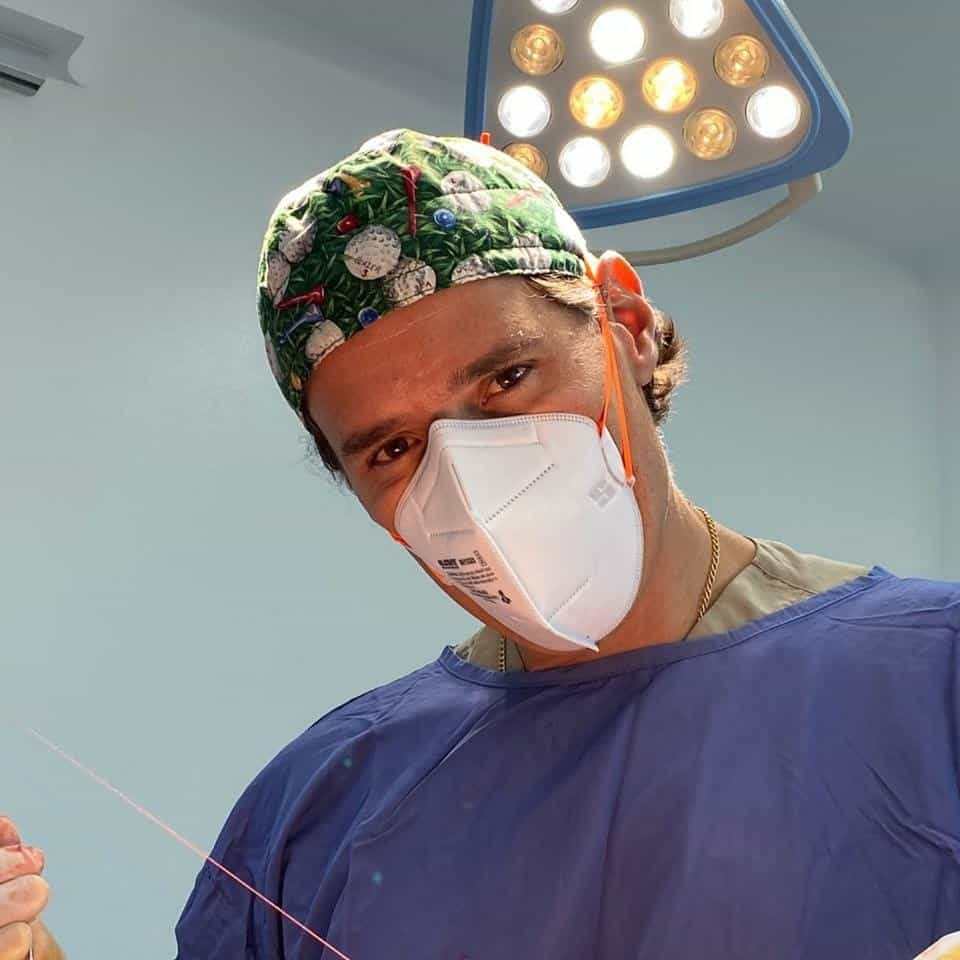
Choosing to travel for surgery requires immense trust in your medical provider. Dr. Felipe Castro Esguerra is a dedicated plastic surgeon based in Bogota, Colombia, known for his patient-centered approach to facial rejuvenation.
Trained extensively in aesthetic and reconstructive techniques, Dr. Castro prioritizes surgical safety, meticulous planning, and natural-looking outcomes. His practice adheres to rigorous clinical standards, ensuring that international patients receive care that aligns with global best practices in plastic surgery.
By combining technical precision with an artistic understanding of facial anatomy, Dr. Castro aims to restore youthful facial harmony without creating a "pulled" or artificial appearance. He conducts thorough consultations to ensure each patient's goals are medically achievable and safely executed.
Frequently Asked Questions
How long does a facelift generally last?
While individual physiology varies, the rejuvenating effects of a properly executed SMAS facelift typically last between 7 to 10 years. Your genetics, lifestyle, sun exposure, and skincare routine play a major role in maintaining the results over time.
Are facelift scars highly visible?
Surgeons go to great lengths to conceal incisions within the natural hairline and the natural creases around and behind the ears. Once fully healed and matured, these scars usually fade significantly and are rarely noticeable in daily interactions.
Is it safe to travel to Colombia for plastic surgery?
Bogota has established itself as a premier destination for medical tourism, boasting modern infrastructure, well-equipped private clinics, and highly trained surgeons. Safety depends heavily on choosing board-certified professionals and accredited facilities, which is why rigorous vetting is crucial.
What type of anesthesia is used during the procedure?
Depending on the extent of the surgery and patient preference, facelifts are performed under either deep intravenous sedation (twilight sleep) or general anesthesia. A certified anesthesiologist monitors your vitals continuously throughout the operation to ensure maximum safety.
Can I combine a facelift with eyelid surgery (blepharoplasty)?
Yes, combining procedures is very common and often recommended for comprehensive facial rejuvenation. Addressing sagging eyelids alongside a lower facelift can create a more balanced, youthful appearance while consolidating recovery time into a single period.
When can I safely fly back home after the procedure?
Patients are generally advised to wait at least 10 to 14 days before flying. This waiting period is critical to allow initial swelling to subside, have sutures removed, and eliminate the increased risk of blood clots associated with cabin pressure and long periods of sitting.
How painful is the recovery process?
Most patients report that a facelift is not highly painful, but rather uncomfortable. Sensations of tightness, numbness, and pulling are common. Oral pain medications prescribed by your surgeon are usually sufficient to manage this discomfort during the first few days.
Will my face look "pulled" or unnatural?
Modern techniques, such as manipulating the underlying SMAS layer rather than just pulling the skin, are specifically designed to avoid the "wind-swept" look. The goal is to reposition tissues vertically against gravity, resulting in a naturally refreshed aesthetic.
What happens if I experience complications after returning to my home country?
Prior to travel, it is highly advisable to establish a relationship with a local primary care physician or plastic surgeon who can assist if minor issues arise upon your return. In the event of a medical emergency, you must seek immediate care at your nearest local hospital.
How do I communicate with the medical team if I don't speak Spanish?
Clinics catering to international patients typically provide bilingual patient coordinators or certified translators. Ensure you confirm language support services with the clinic prior to booking to guarantee clear communication throughout your medical journey.
Ready to Take the Next Step Toward Your Aesthetic Goals?
If you are considering facial contouring and wish to learn more about how Dr. Felipe Castro Esguerra can assist you, we invite you to start the conversation. Receive a personalized evaluation and comprehensive itinerary details with no obligation.
The content provided on this page is for general informational and educational purposes only and does not constitute medical advice, diagnosis, or treatment planning. Always seek the direct consultation of a qualified health provider with any questions you may have regarding a medical condition or surgical procedure.
References
- Rhytidectomy (Facelift) Overview and Surgical Techniques: https://www.ncbi.nlm.nih.gov/books/NBK564338/
- Patient Safety during Anesthesia: https://medlineplus.gov/anesthesia.html
- Complications in Facelift Surgery (Hematoma and Risks): https://pubmed.ncbi.nlm.nih.gov/25626788/
- Medical Tourism Traveler Information: https://wwwnc.cdc.gov/travel/page/medical-tourism






















Share this listing