
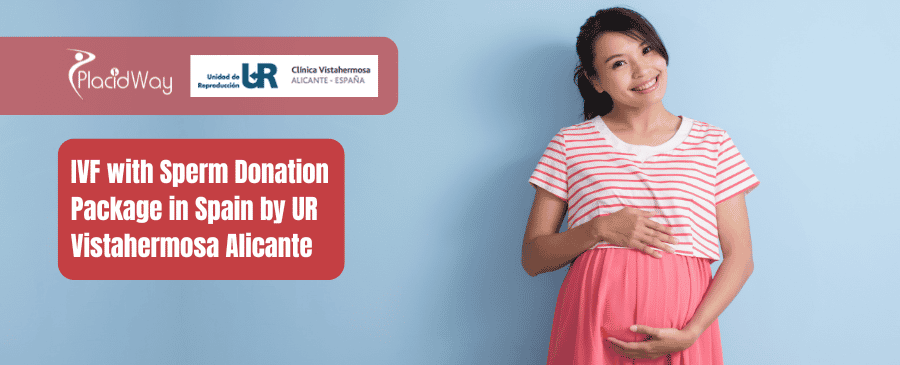
Starting a family is a beautiful adventure that sometimes requires a little scientific matchmaking to make your dream a reality. Choosing a dedicated fertility pathway on the Mediterranean coast offers world-class reproductive care surrounded by a deeply relaxing environment. With estimated starting costs dependent on your unique medical assessment, this comprehensive service manages everything from strict donor selection to final embryo transfer. Expect a seamless clinical journey tailored for single mothers, same-sex couples, and families navigating male factor infertility.
Key Insights at a Glance
- ✓ Strict Anonymity Laws safeguard patient privacy and strictly regulate donor identity protection.
- ✓ No Waiting Lists exist for highly screened, genetically tested sperm donors in this region.
- ✓ Inclusive Legal Framework permits treatment for heterosexual couples, same-sex female couples, and single women.
- ✓ Phenotypic Matching ensures the clinical team selects a donor who physically resembles you or your partner.
- ✓ Typical Travel Timeline requires patients to spend between 10 and 14 days in the city for the procedure.
How Much Does IVF with Donor Sperm Cost in Alicante Spain
Navigating the financial landscape of assisted reproductive technology can feel overwhelming for many international patients. Compared to North American and British healthcare systems, the Mediterranean region offers highly regulated clinical care at a much more accessible price point. The tables below outline how international destinations compare and provide a detailed breakdown of expected clinical fees.
| Global Destination | Estimated Average Cost (USD) |
|---|---|
| United States | $18,000 - $30,000+ |
| Australia | $12,000 - $18,000+ |
| United Kingdom | $11,000 - $16,000+ |
| Alicante Spain | $6,000 - $8,500 |
| Procedure Item | Estimated Cost Range | Service Description |
|---|---|---|
| Initial Consultations | $180 - $280 | Comprehensive medical review and personalized protocol design. |
| Sperm Donor Fee | $450 - $700 | Covers donor compensation, psychological screening, and genetic testing. |
| Standard IVF Cycle | $4,900 - $6,200 | Includes ovarian stimulation monitoring, egg retrieval, and laboratory culture. |
| ICSI Fertilization | Included or $450 | Direct injection of a single donor sperm into each mature egg. |
| Embryo Transfer | Included in cycle | Ultrasound-guided placement of the highest quality embryo. |
| Total Estimated Package | $6,000 - $8,500 | Final pricing is determined solely by the treating physician after clinical assessment. |
What Is Included in This Alicante Fertility Package
Transparency is vital when planning international healthcare logistics. Clinics in this region typically bundle standard laboratory and surgical procedures into one cohesive fee structure to prevent unexpected bills. Review the lists below to understand exactly what components fall under the primary service umbrella versus what will require separate budgeting.
Included in the Package
- Initial medical consultation and ultrasound scans
- Phenotypic matching and dedicated sperm donor allocation
- Surgical egg retrieval procedure with mild sedation
- Laboratory fertilization via conventional IVF or ICSI
- Embryo culture in specialized incubators up to day five
- Single or double embryo transfer procedure
Not Included in the Package
- Ovarian stimulation medications purchased at the pharmacy
- Preimplantation Genetic Testing for Aneuploidies (PGT-A)
- Cryopreservation and annual storage of surplus embryos
- Pre-cycle diagnostic blood work or serology panels
- Flights accommodation and local travel expenses
How Are Sperm Donors Screened and Matched in Spain
Choosing to use third-party reproduction naturally brings up questions about the health and background of the person providing the gametes. European standards are notably rigorous, and the Spanish legal framework adds another layer of strict medical oversight. Because the law mandates complete anonymity, patients cannot browse a catalog of photos or read personal essays from prospective candidates. Instead, the responsibility of finding the perfect match rests entirely with a highly trained medical team.
The matching process focuses heavily on immunological compatibility and phenotypic resemblance. You will provide a detailed physical description of yourself or your partner, including height, body type, hair color, eye color, and ethnicity. The clinical team then searches their extensive database for a candidate who has passed all screening protocols and closely mirrors your family's physical traits.
The Mandatory Screening Protocol
- Semen Analysis: Candidates must demonstrate exceptionally high sperm concentration, motility, and normal morphology that far exceeds average fertile parameters.
- Infectious Disease Testing: Repeated serology tests rule out HIV, Hepatitis B and C, Syphilis, and other sexually transmitted infections.
- Genetic Karyotyping: Chromosomal mapping is performed to ensure the candidate has a normal genetic structure without translocations or abnormalities.
- Recessive Gene Screening: Advanced carrier screening panels are run to rule out hundreds of common recessive genetic disorders, such as Cystic Fibrosis and Spinal Muscular Atrophy.
- Psychological Evaluation: A clinical psychologist interviews the candidate to assess mental health history, confirm their understanding of the donation process, and verify their motives.
Who Legally Owns the Embryos Created with Donor Sperm
When reproductive medicine successfully generates more viable embryos than are needed for a single transfer, questions of ownership and future use become highly relevant. Under national health guidelines, the intended parent or parents hold complete legal rights and decision-making authority over the resulting embryos. The anonymous sperm provider surrenders all rights at the time of donation and has no legal claim to the embryos or any resulting children.
This firm legal boundary provides immense peace of mind for families. Once the embryos are frozen via vitrification, they belong to your family unit. You will be asked to sign informed consent documents outlining your wishes for these surplus embryos should you decide not to use them for future family building.
| Option for Surplus Embryos | Details and Implications |
|---|---|
| Continued Cryopreservation | Maintained in clinical storage for an annual fee until you are ready to expand your family. |
| Donation to Science | Released to approved biological research facilities to help advance fertility medicine. |
| Donation for Reproductive Use | Given anonymously to other infertile couples who are unable to create their own embryos. |
| Ethical Destruction | Safely discarded by the laboratory once the patient signs explicit legal consent forms. |
When Can I Safely Fly Home After My Embryo Transfer
Traveling abroad for complex healthcare naturally requires careful planning around departure flights. Many patients worry that the physical stress of navigating an airport or the pressure changes inside an airplane cabin might somehow dislodge a newly transferred embryo. Medical research definitively shows that air travel does not negatively impact implantation rates or early pregnancy success.
The human uterus provides an incredibly secure environment. The embryo is safely nestled within the endometrial lining, unaffected by gravity or altitude. However, the emotional toll of traveling immediately after a highly anticipated medical procedure is a valid concern. Medical teams generally suggest a brief buffer period to ensure you travel home feeling rested, hydrated, and emotionally balanced.
Recommended Travel Timeline
- Day of Transfer: Return to your accommodation, eat a nourishing meal, and enjoy quiet relaxation. Avoid heavy lifting or strenuous exertion.
- 24 Hours Post-Transfer: This is the ideal time to head to the airport. You are medically cleared to fly short-haul or long-haul flights.
- During the Flight: Stay exceptionally hydrated. Wear compression socks and walk the airplane aisle periodically to maintain healthy blood circulation.
- Arrival Home: Resume your normal, low-impact daily activities while waiting for your scheduled pregnancy blood test two weeks later.
How Does Using a Sperm Donor Impact My Future Childs Health
Navigating the decision to use donor gametes often brings up deep questions regarding genetics and long-term well-being. For couples managing severe male factor infertility or women embracing solo motherhood, acknowledging the genetic reality is an important step. Because the donor undergoes such extreme genetic and physical screening, the baseline health risk passed through the paternal line is heavily mitigated.
Beyond the sequence of DNA, the science of epigenetics plays a fascinating role in how a child develops. When you carry the pregnancy, your intrauterine environment acts as the crucial interface for gene expression. Your diet, stress levels, and overall health during gestation actively influence how the genetic code provided by the donor is read and utilized by the growing fetus.
Why Do So Many Solo Mothers and Couples Choose Alicante
Medical tourism for reproductive care is driven by a combination of clinical excellence, legal accessibility, and patient experience. This Mediterranean destination stands out because it seamlessly blends highly advanced scientific laboratories with an environment conducive to stress reduction. Patients actively trying to conceive benefit enormously from a setting that prioritizes calm, gentle pacing, and a supportive cultural attitude toward alternative family building.
The lifestyle factors native to this coastal region actively support the clinical journey. Studies continuously highlight the benefits of the Mediterranean diet on reproductive health, emphasizing healthy fats, lean proteins, and antioxidant-rich vegetables. Combining this nutritional advantage with abundant sunshine and coastal walks creates an ideal physiological environment for ovarian stimulation and embryo implantation.
- ➤ Clinical Excellence: The region hosts several highly accredited clinics featuring cutting-edge cleanroom laboratories that optimize embryo development.
- ➤ Legal Protection: The national legal framework is fiercely protective of all family structures, ensuring no discrimination against single women or same-sex couples.
- ➤ Accessibility: An international airport located close to the city center makes logistics incredibly simple, reducing the friction of complicated cross-border travel.
What Lifestyle Adjustments Improve Egg Quality Before Retrieval
Because the clinic provides highly vetted, optimal quality sperm, the variable that patients have the most control over is their own egg quality. The journey of an egg maturing inside the ovary takes approximately ninety days. During this critical window of folliculogenesis, the lifestyle choices you make can actively influence the energy levels and chromosomal competence of the eggs eventually retrieved.
Physicians strongly recommend adopting a fertility-friendly lifestyle at least three months prior to boarding your flight. The goal is to reduce systemic inflammation, optimize mitochondrial function, and ensure proper blood flow to the reproductive organs. Small, consistent changes in your daily routine can yield substantial benefits in the embryology laboratory.
- Targeted Supplementation: Under medical guidance, integrating CoQ10, Vitamin D, Folate, and Omega-3 fatty acids can support cellular energy production within the developing eggs.
- Dietary Shifts: Embrace a diet heavy in dark leafy greens, berries, nuts, and olive oil while strictly limiting refined sugars and ultra-processed foods that trigger inflammatory responses.
- Toxin Avoidance: Eliminate alcohol and nicotine consumption entirely. Swap out household plastics and chemical-heavy cosmetics for endocrine-friendly, BPA-free alternatives.
- Stress Management: Chronically elevated cortisol can disrupt reproductive hormones. Integrate moderate yoga, meditation, or acupuncture into your weekly routine to keep stress hormones balanced.
Frequently Asked Questions
Is sperm donation completely anonymous in Spain?
Yes, under national law, all gamete donation must be strictly anonymous. Patients cannot see photos of the donor or learn their identity, and the donor cannot learn the identity of the child. The medical team matches physical characteristics.
How long do I need to stay in Alicante for my treatment?
Most international patients are advised to stay for approximately 10 to 14 days. This allows ample time for final ultrasound monitoring, the surgical egg retrieval, embryology development, and the embryo transfer.
Can I choose the physical characteristics of my sperm donor?
You will not browse a catalog, but you will submit a detailed phenotypic profile. The clinical team uses your specific physical traits (or your partner's traits) to find a candidate who closely resembles your family.
What happens if my first embryo transfer is not successful?
If you have surplus high-quality embryos, they will be frozen using vitrification. You can return later for a frozen embryo transfer, which is significantly less physically demanding and less expensive than a full cycle.
Are there age limits for undergoing fertility treatments in Spain?
While there is no strict legal age limit written into national law, the strong clinical consensus is to provide treatment to women up to the age of 50 in order to protect maternal and fetal health.
How strictly are sperm donors screened for genetic diseases?
Donors undergo exceptionally rigorous screening exceeding standard European requirements. This includes comprehensive psychological evaluations, karyotyping, infectious disease testing, and expanded genetic carrier screening for recessive conditions.
Can same-sex female couples undergo this treatment in Spain?
Absolutely. The legal framework guarantees equal access to assisted reproduction for heterosexual couples, same-sex female couples, and single women pursuing solo motherhood without discrimination.
Does the sperm donor have any legal rights to the child?
No. By law, anonymous gamete providers relinquish all legal rights and responsibilities to any children born from their donation. The intended parent or parents are the sole legal guardians.
Is it safe to fly immediately after an embryo transfer?
Yes, flying is medically safe post-transfer as cabin pressure and altitude do not affect implantation. Many specialists simply recommend waiting 24 hours to minimize general travel stress and allow for rest.
Ready to Start Your Journey?
Take the first step toward building your family with compassionate, world-class care on the Mediterranean coast. Reach out today to discuss your medical history and receive a personalized protocol assessment.
Request Free QuoteMedical Disclaimer: The content on this page is provided for general informational and educational purposes only. It is not intended as a substitute for professional medical advice, diagnosis, or treatment. Always seek the advice of your physician or other qualified health provider with any questions you may have regarding a medical condition or treatment plan.
References
- European Society of Human Reproduction and Embryology. "Guidelines on the number of embryos to transfer." ESHRE Guidelines
- National Center for Biotechnology Information. "Epigenetics and Assisted Reproductive Technologies." NCBI Research
- American Society for Reproductive Medicine. "Third-party reproduction: sperm, egg, and embryo donation." ASRM Practice Guidelines
- World Health Organization. "Infertility Fact Sheet." WHO Global Data
- Spanish Official State Gazette. "Law 14/2006 on Assisted Human Reproduction Techniques." BOE Spanish Legislation
























Share this listing