
What treatment


5+ Best Clinics for Salivary Glands Cancer in Mexico
Trusted Medical Tourism Platform Since 2007
What are the best salivary gland cancer clinics in Mexico?
The best salivary gland cancer clinics in Mexico include Immunity Therapy Center (Tijuana), Limphocare by Limphocite (Tijuana), Aesthetic and Oncologic Face, Head and Neck Clinic (Tijuana), Baja Integrative & Health Center (Tijuana), Galenia Hospital (Cancun), and Centro Medico de Especialidades (Ciudad Juarez).
These leading, JCI-accredited facilities specialize in advanced head and neck oncology. Available procedures include parotidectomy, submandibular gland excision, neck dissection, intensity-modulated radiation therapy (IMRT), targeted therapy, and immunotherapy. Comprehensive cancer treatment packages range from $10,000 to $33,400 USD, offering patients significant cost savings compared to standard healthcare pricing in the United States.
 100.00% Patient Recommend
Alternative Cancer Treatment by ITC - Immunity Therapy Center


Overview
Immunity Therapy Center is one of the best cancer treatment centers in Tijuana, Mexico, offering innovative approaches and compassionate care to enhance your path to healing.
Read more details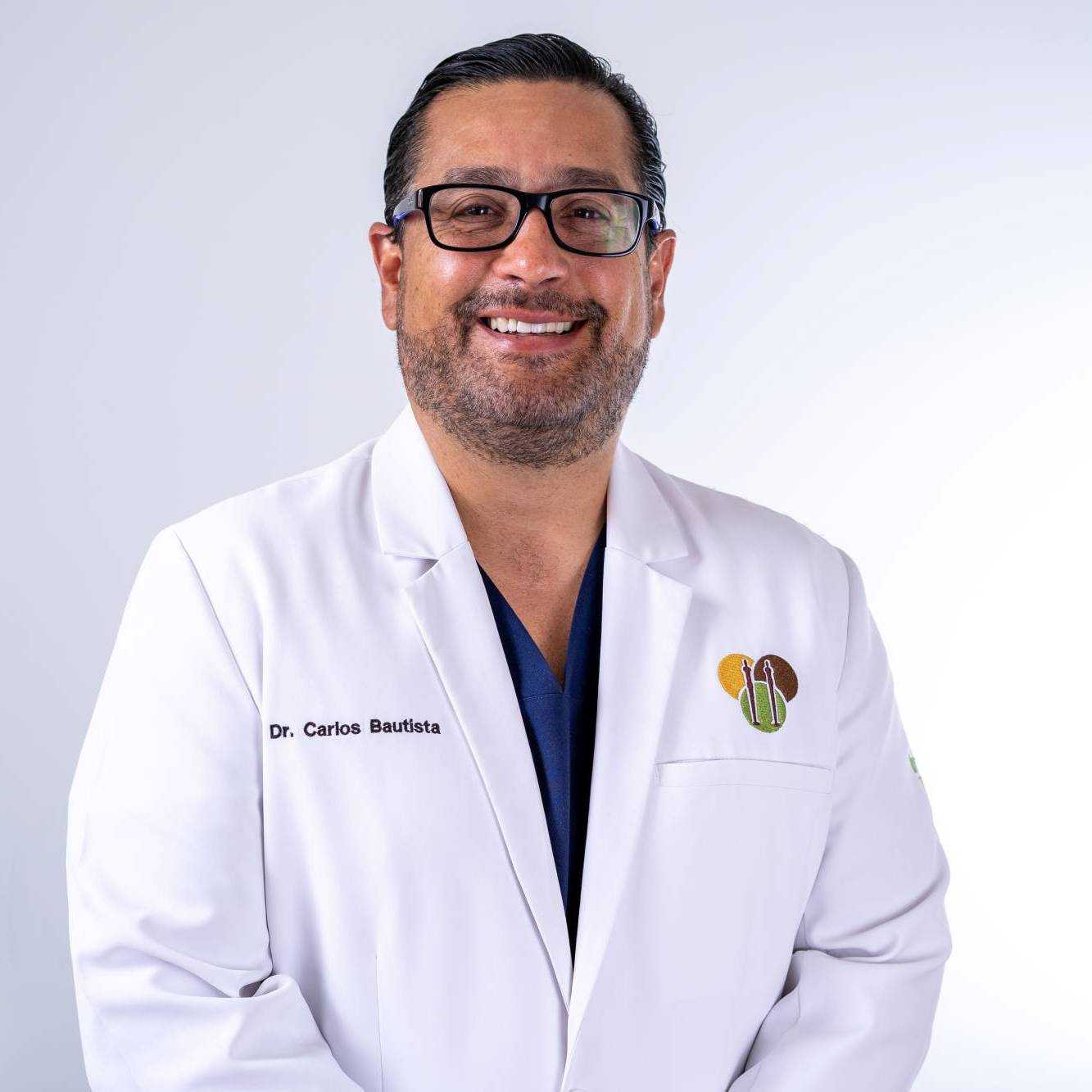

 91.35% Patient Recommend
Immunotherapy Regenerative Medicine in Puerto Vallarta
Overview
Explore Immunotherapy Regenerative Medicine in Puerto Vallarta, Mexico offering advanced stem cell, immunotherapy, and regenerative treatments.
Read more details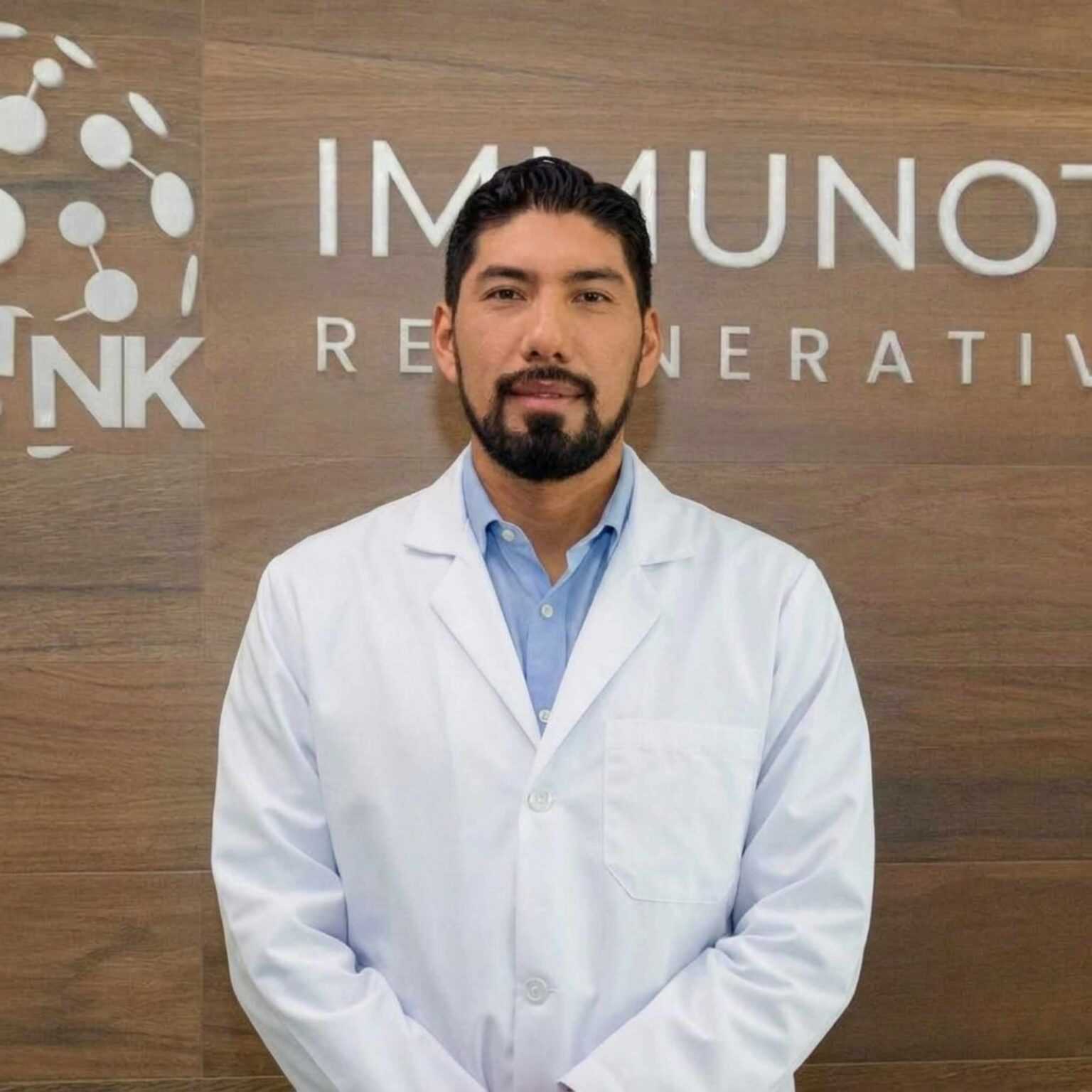

Instituto de Terapia Celular - Stem Cell Guadalajara Mexico
Overview
Find hope with Stem Cell Guadalajara Mexico at Instituto de Terapia Celular. Personalized MSC therapy for autism, joint pain, anti-aging & nerve health.
Read more details

Limphocare by Limphocite - Immunotherapy for Cancer in Mexico
Overview
Limphocare offers advanced immunotherapy for cancer in Mexico and autoimmune conditions, providing holistic, effective care with fewer side effects.
Read more details
Discover your treatment options with a free, no-obligation quote!
Get your quote now! 100.00% Patient Recommend
Aesthetic and Oncologic Face, Head and Neck Clinic and OR
Overview
Discover AOFHN Clinic and OR in Tijuana, Mexico, specializing in plastic surgery & oncology. Services include rhinoplasty, facelift, Botox & cancer treatment.
Read more details
 100.00% Patient Recommend
Baja Integrative & Health Center
Overview
Discover top cancer care at Tijuana's Baja Integrative & Health Center. Personalized treatments for hope and healing. Your journey to recovery starts here.
Read more details 100.00% Patient Recommend
Clinica de Urologia Dr Uriel Ayala
Overview
Dr. Uriel Ayala is a certified urologist surgeon in Tijuana, Mexico, and Tecate. He offers Urology surgery, Prostate cancer treatment, Vasectomy, Male infertility treatment, Robotic surgery, and more.
Read more details 100.00% Patient Recommend
Dr. Victor Mendoza - Urologist
Overview
Discover top-tier urology care in Tijuana, Mexico at Dr. Victor Mendoza's renowned center. Expertise, compassion, and excellence await.
Read more detailsDiscover your treatment options with a free, no-obligation quote!
Get your quote now!
Infuzone - Premium Infusion Center
Overview
Infuzone provides advanced Cancer treatments in Mexico City with outpatient infusion therapies, specialist care and comfort-focused oncology support. Safe-modern patient centered infusion services
Read more details 100.00% Patient Recommend
Dr. Donato Perez Garcia
Overview
Experience the transformative power of Dr. Donato Perez Garcia's cutting-edge therapies in Mexico. Unlock your true potential with anti-aging, stem cell therapy, cancer treatment, and chronic disease solutions.
Read more details
Authored by
Rizal Aditya
Rizal Aditya Oncology & Immunotherapy Content Specialist A highly accomplished clinical content writer with 5 years of experience and over 1500+ authored articles in the healthcare sector. Rizal specializes in delivering expert, evidence-based insight

Reviewed by
Dr. Orhan Sencan
Consult with Dr. Orhan Sencan, a leading oncologist in Istanbul, Turkey, specializing in cancer treatment, immunotherapy, and personalized care for cancer patients.
Last updated on
Which are the top-rated salivary gland cancer clinics in Mexico?
For top-rated salivary gland cancer treatment in Mexico, consider clinics like Alternative Cancer Treatment by ITC in Tijuana, known for its compassionate and innovative approaches. Other highly regarded options include Limphocare by Limphocite and Aesthetic and Oncologic Face, Head and Neck Clinic and OR, both also in Tijuana, offering specialized care. Centro Medico de Especialidades in Ciudad Juarez and Immunotherapy for Cancer Treatment by Mexstemcells in Mexico City are also excellent choices, focusing on advanced oncology and patient-centric methods for effective treatment outcomes.
When seeking exceptional care for salivary gland cancer in Mexico, patients have access to several reputable facilities known for their advanced treatments and patient-focused services. These clinics are strategically located in key medical tourism hubs, providing convenience alongside high-quality care.
Here are some of the standout options:
- Alternative Cancer Treatment by ITC - Immunity Therapy Center (Tijuana): This center is highly regarded for its alternative and integrative cancer therapies, focusing on boosting the body's natural immunity against cancer cells. They are known for their personalized care plans and positive patient feedback, making them a strong contender for those seeking comprehensive treatment.
- Limphocare by Limphocite - Immunotherapy for Cancer in Mexico (Tijuana): Specializing in advanced immunotherapy, Limphocare offers targeted treatments designed to harness the body's immune system. Their focus on innovative techniques provides hope for patients seeking cutting-edge solutions for salivary gland cancers.
- Aesthetic and Oncologic Face, Head and Neck Clinic and OR (Tijuana): This clinic offers specialized expertise in head and neck oncology, which is crucial for salivary gland cancers due to their delicate location. They integrate both oncologic and aesthetic considerations, aiming to preserve function and appearance post-treatment.
- Centro Medico de Especialidades de Ciudad Juarez (Ciudad Juarez): As a multi-specialty medical center, this facility provides comprehensive cancer treatment within a broader medical framework, ensuring access to diverse medical expertise should it be needed. Their patient recommendations highlight satisfaction with care.
- Immunotherapy for Cancer Treatment by Mexstemcells (Mexico City): Located in the nation's capital, this clinic emphasizes cellular immunotherapy. For patients interested in regenerative and immune-boosting approaches, Mexstemcells offers programs that leverage natural killer cells to combat cancer.
These clinics collectively represent Mexico's commitment to delivering advanced and patient-centered care for salivary gland cancer, incorporating a mix of traditional and innovative treatments.
What specialized procedures do Mexican clinics offer for salivary gland tumors?
Mexican clinics specializing in salivary gland tumors offer advanced surgical techniques like parotidectomy, submandibular gland excision, and neck dissection. Many also provide precision radiation therapy, including IMRT, and systemic treatments such as targeted therapy or chemotherapy, tailored to the tumor's specific characteristics and stage. This comprehensive approach ensures personalized, effective care for complex head and neck cancers.
Specialized clinics in Mexico understand the unique challenges of salivary gland tumors, which can vary widely in type and behavior. Their treatment protocols are designed to be precise, aiming for optimal outcomes while preserving vital functions and aesthetics.
Key specialized procedures and treatments include:
- Surgical Resection: The cornerstone of treatment for most salivary gland cancers. This involves removing the affected gland (e.g., parotidectomy for parotid gland tumors) and potentially nearby lymph nodes (neck dissection) if the cancer has spread. Surgeons in specialized clinics use meticulous techniques to protect facial nerves.
- Facial Nerve Monitoring: During parotidectomy, real-time intraoperative facial nerve monitoring is commonly employed to help surgeons identify and preserve the delicate facial nerve, reducing the risk of postoperative facial weakness or paralysis.
- Advanced Radiation Therapy:
- Intensity-Modulated Radiation Therapy (IMRT): This advanced technique delivers precise radiation doses to the tumor while minimizing exposure to surrounding healthy tissues, crucial for protecting nearby structures like the brain, spinal cord, and salivary glands on the unaffected side.
- Image-Guided Radiation Therapy (IGRT): This allows for daily imaging during treatment, ensuring the patient's position and tumor location are accurately targeted.
- Targeted Therapy: For certain types of salivary gland cancers, especially those with specific genetic mutations, targeted drugs are used. These therapies block signals that promote cancer growth, often with fewer side effects than traditional chemotherapy.
- Chemotherapy: While not the primary treatment for most salivary gland cancers, chemotherapy may be used for advanced or recurrent cases, or as part of a multimodal approach to control disease progression.
These procedures, combined with a strong diagnostic foundation, allow Mexican clinics to offer highly specialized and effective care for complex salivary gland tumors.
What is the average duration of treatment for salivary gland cancer in Mexico?
The duration of salivary gland cancer treatment in Mexico varies significantly depending on the cancer stage, type of treatment, and individual patient response. Surgical interventions might require a hospital stay of a few days to a week, followed by a recovery period. Radiation therapy typically spans 5-7 weeks, while systemic therapies like chemotherapy or targeted therapy can extend over several months, often involving cycles of treatment. A personalized plan will be discussed with your oncology team.
Understanding the timeline for salivary gland cancer treatment is important for planning your care and stay in Mexico. Because salivary gland cancers are diverse, treatment plans are highly individualized, impacting the overall duration.
Here’s a breakdown of typical durations for different treatment modalities:
- Surgery:
- Initial hospital stay: Generally 3-7 days, depending on the complexity of the surgery (e.g., parotidectomy vs. more extensive resections involving lymph nodes).
- Immediate post-operative recovery: Patients may need to remain in the area for 1-2 weeks post-discharge for initial follow-up appointments and wound care.
- Radiation Therapy:
- Treatment course: If radiation is required, it typically involves daily sessions (Monday-Friday) for 5 to 7 weeks.
- Planning phase: Before radiation begins, there's a planning phase, including CT simulations and dosimetry, which can take 1-2 weeks.
- Chemotherapy/Targeted Therapy:
- Cycles: These systemic treatments are administered in cycles, with periods of treatment followed by rest. Each cycle might last 2-4 weeks, and the total number of cycles can range from a few to many months, depending on the response and treatment goals.
- Integrative Therapies: If a clinic offers complementary or integrative therapies, these might be incorporated throughout the treatment journey, adding to the overall patient engagement time but often enhancing quality of life.
Your oncology team at the Mexican clinic will provide a detailed treatment schedule, including approximate durations for each phase, helping you manage expectations and logistics.
How do Mexican cancer clinics ensure high safety standards for patients?
Mexican cancer clinics prioritize patient safety through rigorous adherence to international medical protocols and stringent quality control measures. Many top facilities hold international accreditations, such as Joint Commission International (JCI), employ highly trained medical staff, and utilize modern equipment. They implement comprehensive infection control programs, maintain strict sterilization processes, and engage in continuous staff training and quality improvement initiatives to uphold exceptional standards of care and minimize risks.
For international patients, understanding the safety measures in place at a Mexican cancer clinic is paramount. Reputable facilities are committed to ensuring a secure and sterile environment for all treatments.
Here’s how they uphold high safety standards:
- International Accreditations: Many leading clinics pursue and achieve international accreditations, like JCI, which signify compliance with global benchmarks for patient safety and quality of care. These accreditations require continuous monitoring and adherence to strict protocols.
- Highly Qualified Medical Staff: Clinics employ board-certified oncologists, surgeons, and support staff who often have international training and experience. Their expertise is regularly updated through ongoing education and participation in international medical conferences.
- State-of-the-Art Technology: Investing in modern diagnostic and treatment equipment is key. This includes advanced imaging systems (MRI, CT, PET/CT), precision radiation therapy devices, and sophisticated surgical instruments, all maintained to strict safety standards.
- Infection Control Protocols: Strict infection prevention and control programs are implemented, including rigorous sterilization of instruments, regular disinfection of facilities, and adherence to hand hygiene guidelines for all staff.
- Patient Safety Measures: This includes systematic patient identification checks, clear communication protocols among the medical team, careful medication management to prevent errors, and robust emergency response systems.
- Quality Assurance Programs: Clinics routinely conduct internal audits and participate in external quality assessment programs to identify areas for improvement and ensure consistent delivery of high-quality, safe care.
What types of diagnostic imaging are available at Salivary Glands Cancer clinics in Mexico?
Salivary Glands Cancer clinics in Mexico offer a full suite of advanced diagnostic imaging to accurately stage tumors and guide treatment. This typically includes high-resolution MRI, CT scans, and PET/CT scans for comprehensive tumor mapping and detection of spread. Ultrasound is also commonly used for initial assessment and guided biopsies, providing detailed views of the salivary glands and surrounding structures.
Accurate diagnosis is the first critical step in effectively treating salivary gland cancer. Mexican clinics are well-equipped with modern imaging technologies to provide precise information about the tumor's size, location, and potential spread.
Common diagnostic imaging modalities include:
- Magnetic Resonance Imaging (MRI): This offers excellent soft tissue contrast, making it ideal for visualizing salivary gland tumors and assessing their relationship to critical structures like the facial nerve. It helps determine the extent of the tumor within the gland and if it has invaded surrounding tissues.
- Computed Tomography (CT) Scan: CT scans provide detailed cross-sectional images, useful for evaluating bone involvement and detecting enlarged lymph nodes in the neck. It's often used for initial staging and to guide biopsies.
- Positron Emission Tomography (PET) / CT Scan: A combined PET/CT scan is a powerful tool for detecting cancer cells throughout the body. It helps identify if the salivary gland cancer has spread to distant sites (metastasis) and can also be used to assess treatment response.
- Ultrasound: Often the first imaging test, ultrasound is non-invasive and can differentiate between solid and cystic masses in the salivary glands. It's also frequently used to guide fine-needle aspiration (FNA) biopsies, allowing for accurate tissue sampling.
- Sialography: While less common now, this involves injecting a contrast dye into the salivary ducts to visualize their structure and identify blockages or tumors within the ducts.
These advanced imaging techniques, combined with pathology from biopsies, enable oncology teams to develop highly targeted and effective treatment plans for each patient.
What kind of personalized support can international patients expect at Mexican cancer clinics?
International patients visiting Mexican cancer clinics can expect personalized support, typically managed by a dedicated international patient coordinator. This support includes assistance with travel logistics, accommodation arrangements, and translation services during consultations and treatment. Many clinics also provide holistic care, offering nutritional counseling, psychological support, and help coordinating post-treatment follow-up with home doctors, ensuring a comfortable and stress-free healing journey.
Traveling for medical treatment can be daunting, but leading Mexican clinics excel at making the experience smooth and reassuring for international patients. They recognize that comprehensive care extends beyond medical procedures to include personal comfort and logistical ease.
Here's the personalized support typically available:
- Dedicated International Patient Coordinator: This is your main point of contact. They assist with everything from scheduling initial consultations, reviewing medical records, and providing treatment estimates to helping with travel arrangements like airport transfers and local transportation.
- Language and Communication Support: Clinics often have bilingual staff, especially doctors and nurses, and provide professional medical interpreters for all appointments and procedures to ensure clear understanding and effective communication.
- Accommodation and Local Guidance: Assistance with booking hotels, serviced apartments, or other suitable lodging near the clinic is common. Coordinators can also provide information on local amenities, dining options, and cultural activities.
- Nutritional and Dietary Counseling: On-staff nutritionists often work with patients to develop personalized dietary plans that support healing and manage treatment side effects.
- Emotional and Psychological Support: Access to counselors, psychologists, or support groups (either in-person or virtual) is often available to help patients and their families cope with the emotional impact of cancer treatment.
- Financial Coordination: Clear breakdowns of treatment costs and assistance with payment processes, as well as guidance on how to submit claims to international insurance providers (if applicable), are provided.
- Post-Treatment Follow-up Planning: Assistance in coordinating follow-up appointments and sharing medical records with your home country's healthcare providers for continued care.
How do clinics in Mexico ensure a multidisciplinary approach for salivary gland cancer?
Mexican cancer clinics employ a robust multidisciplinary approach for salivary gland cancer by convening a "tumor board" for each patient's case. This team typically includes head and neck surgeons, radiation oncologists, medical oncologists, pathologists, and radiologists. They collaborate to thoroughly review the diagnosis, discuss all available treatment options, and collectively formulate a personalized, integrated treatment plan that addresses all aspects of the patient's care, from surgery to rehabilitation.
A multidisciplinary approach is vital for complex cancers like those of the salivary glands, as it ensures all angles of care are considered. Leading Mexican clinics adopt this model to provide comprehensive and cohesive treatment strategies.
Here's how they ensure this integrated approach:
- Tumor Board Meetings: This is a regular forum where a team of specialists reviews each patient's case. For salivary gland cancer, this team typically includes:
- Head and Neck Surgeons: For surgical expertise in removing the tumor.
- Radiation Oncologists: To plan and deliver targeted radiation therapy.
- Medical Oncologists: To manage chemotherapy, targeted therapy, or immunotherapy.
- Pathologists: To analyze tissue samples for accurate diagnosis and molecular profiling.
- Radiologists: To interpret imaging scans and track disease progression.
- Other Specialists: Such as reconstructive surgeons, speech therapists, or dietitians, depending on the patient's needs.
- Integrated Treatment Planning: The team discusses the latest evidence-based guidelines and considers the patient's overall health, preferences, and specific tumor characteristics to devise a customized treatment plan. This ensures all potential therapies are harmonized for maximum effectiveness and minimal side effects.
- Coordinated Care: Through regular communication, all specialists involved in a patient's care stay informed and aligned, preventing fragmented treatment and ensuring a seamless patient journey.
- Access to Comprehensive Services: Beyond core oncology, patients benefit from access to supportive care services like pain management, nutritional support, physical therapy, and psychological counseling, all integrated into the overall treatment strategy.
What support services for rehabilitation and recovery are available after salivary gland cancer treatment?
After salivary gland cancer treatment, Mexican clinics typically offer comprehensive rehabilitation and recovery support. This often includes physical therapy to address neck mobility and shoulder function, speech and swallowing therapy for any vocal or eating difficulties, and nutritional counseling to maintain health during recovery. Psychological support services are also frequently available to help patients cope with the emotional aspects of their journey.
Recovery from salivary gland cancer treatment, especially surgery and radiation, can involve specific challenges. Leading clinics in Mexico provide dedicated support services to help patients regain function and improve their quality of life.
Key rehabilitation and recovery services include:
- Physical Therapy:
- Neck and Shoulder Mobility: Surgery and radiation to the neck can lead to stiffness or pain. Physical therapists help patients with exercises to restore range of motion and strengthen affected muscles.
- Lymphedema Management: If lymph nodes were removed, some patients may develop swelling (lymphedema). Therapists provide techniques to manage this condition.
- Speech and Swallowing Therapy:
- Dysphagia (Swallowing Difficulties): Radiation or surgery can impact swallowing. Speech-language pathologists work with patients on exercises and strategies to improve swallowing function and reduce aspiration risk.
- Voice Rehabilitation: If vocal cords were affected, therapy can help improve voice quality and strength.
- Nutritional Counseling: Side effects like dry mouth, taste changes, or difficulty swallowing can lead to weight loss and malnutrition. Dietitians provide tailored advice to ensure adequate caloric and nutrient intake.
- Psychological Support: Dealing with cancer and its aftermath can be emotionally taxing. Access to psychologists or counselors helps patients address anxiety, depression, and body image concerns, fostering mental well-being.
- Cosmetic and Reconstructive Surgery Follow-up: If reconstructive procedures were part of the treatment, ongoing evaluation and minor adjustments may be needed to optimize aesthetic and functional outcomes.
What communication and language support do clinics in Mexico offer for non-Spanish speaking patients?
Mexican clinics catering to international patients offer extensive communication and language support for non-Spanish speakers. This includes bilingual medical staff, dedicated English-speaking international patient coordinators, and professional medical interpreters available for all consultations and procedures. Essential documents, like treatment plans and consent forms, are often provided in English to ensure complete understanding, facilitating a clear and comfortable patient experience.
Effective communication is paramount in healthcare, especially when receiving treatment in a foreign country. Top Mexican clinics understand this need and have robust systems in place to ensure non-Spanish speaking patients are fully understood and informed.
Here's the type of communication and language support you can expect:
- Bilingual Medical Staff: Many doctors, nurses, and administrative personnel in leading medical tourism clinics are fluent in English, and often in other languages as well, due to international training or exposure.
- Dedicated International Patient Coordinators: These coordinators are typically fluent in English and serve as your primary liaison. They facilitate communication between you, your medical team, and other clinic departments, from initial inquiry to post-treatment follow-up.
- Professional Medical Interpreters: For complex discussions, surgical explanations, or situations where absolute precision is needed, clinics provide certified medical interpreters. These professionals ensure that nuanced medical information is conveyed accurately.
- Translated Medical Documents: Important paperwork, such as your medical history forms, consent documents, treatment plans, and discharge instructions, are often provided in English to ensure you understand every aspect of your care.
- Telehealth and Virtual Consultations: Many clinics offer initial consultations via video call, often with an interpreter, allowing you to discuss your case and understand your options before traveling.
- On-Site Assistance: During your appointments and hospital stay, an interpreter or bilingual staff member may accompany you to ensure seamless communication with all healthcare providers.
How can I verify the credentials and experience of a salivary gland cancer specialist in Mexico?
To verify a salivary gland cancer specialist's credentials in Mexico, request their curriculum vitae (CV) from the clinic, which should detail their education, certifications, and specialized training in head and neck oncology. Look for affiliations with recognized medical associations, national or international board certifications, and publications or presentations in their field. Patient testimonials and professional reviews can also offer insights into their experience and expertise.
Choosing the right specialist is a critical decision for salivary gland cancer treatment. Reputable clinics are transparent about their medical team's qualifications and welcome inquiries.
Here’s how you can verify credentials and experience:
- Request a Physician's CV: Ask the international patient department for the specialist's detailed CV. This document should outline:
- Education: Where they attended medical school and completed their residency and fellowships. Look for training in head and neck surgery or oncology.
- Board Certifications: Verify if they are certified by recognized national medical boards (e.g., Mexican Board of Oncology or Surgery) or international boards.
- Specialized Training: Look for specific training in head and neck oncology, particularly relating to salivary gland pathology and surgical techniques.
- Professional Affiliations: Membership in respected medical societies, such as the American Academy of Otolaryngology—Head and Neck Surgery, indicates a commitment to professional standards.
- Clinic Websites and Profiles: Leading clinics often feature detailed profiles of their specialists on their websites, including their expertise, areas of focus, and patient success stories.
- Online Databases: Check if the physician is listed in national medical registries in Mexico or international databases that verify medical licenses and specialties.
- Patient Testimonials and Reviews: While not official certifications, patient experiences can provide valuable insights into a specialist's approach, communication style, and success rates.
- Ask Specific Questions: During your consultation, don't hesitate to ask about their experience with your specific type of salivary gland cancer, the number of similar procedures they perform annually, and their involvement in research or clinical trials.
What types of accommodation and travel assistance do clinics in Mexico provide for international patients?
Mexican clinics frequently offer extensive accommodation and travel assistance for international patients. This includes airport pickup and drop-off, coordinated transportation to and from the clinic for appointments, and recommendations or arrangements for nearby hotels or serviced apartments. Many provide patient-friendly lodging options, sometimes with discounted rates or amenities tailored for medical travelers, ensuring a comfortable and convenient stay throughout their treatment.
For international patients, smooth travel and comfortable accommodation are crucial components of a positive medical experience. Leading clinics in Mexico recognize this and offer comprehensive assistance to alleviate logistical burdens.
Here's what kind of accommodation and travel assistance you can expect:
- Airport Transfers: Many clinics arrange for airport pickup upon your arrival and drop-off after your treatment, providing a stress-free start and end to your journey. This often includes a bilingual driver.
- Local Transportation: Coordinated transportation services for your appointments, consultations, and procedures at the clinic are commonly provided. This ensures you navigate the local area safely and efficiently.
- Accommodation Options:
- Partner Hotels: Clinics often have partnerships with nearby hotels or serviced apartments, offering special rates or packages for their patients. These accommodations are typically selected for their proximity, comfort, and safety.
- On-site or Near-site Guest Facilities: Some larger clinics or hospitals might have their own guest houses or dedicated patient housing that includes amenities tailored for recovery and long-term stays.
- Assistance with Private Rentals: For longer stays or specific needs, the international patient department can help you find and book private apartments or homes.
- Concierge Services: Beyond basic logistics, many clinics offer concierge-style services to assist with local errands, dining recommendations, and even leisure activities for accompanying family members.
- Visa and Documentation Support: While clinics cannot issue visas, they can often provide official invitation letters or supporting documents required for your visa application process.
Are there patient testimonials or success stories specifically for salivary gland cancer treatment at Mexican clinics?
Yes, many prominent Mexican cancer clinics feature patient testimonials and success stories on their websites, often including details about salivary gland cancer treatment. These narratives provide valuable insights into patient experiences, treatment outcomes, and the quality of care received. Looking for clinics that openly share these stories can help you gauge their expertise and patient satisfaction for specific procedures.
Hearing from other patients who have undergone similar treatments can be incredibly reassuring and informative. Leading Mexican cancer clinics understand the importance of transparency and patient confidence, often highlighting positive experiences.
Here's where and how you can find patient testimonials and success stories:
- Clinic Websites: Most reputable clinics maintain a dedicated section on their website for patient testimonials. These often include written accounts, and sometimes even video interviews, detailing the patient's journey, the specific treatment for salivary gland cancer, their recovery, and overall satisfaction.
- Third-Party Review Platforms: Independent medical tourism platforms and review sites often feature patient feedback and ratings for various clinics and treatments in Mexico. These platforms can offer a broader perspective and verify the authenticity of testimonials.
- Social Media Channels: Many clinics are active on social media platforms (Facebook, Instagram, YouTube), where they might share patient stories, updates, and engage with their community.
- Direct Contact (with consent): In some cases, if a patient has given their consent, clinics might facilitate direct communication with former patients who are willing to share their experiences. This can offer a more personal and in-depth understanding.
- Specific Focus: When reviewing testimonials, look for those that mention salivary gland cancer or head and neck cancers specifically. This will give you the most relevant information regarding the clinic's expertise in your particular condition.
These resources can provide valuable insights into the quality of care, patient support, and overall experience offered by Mexican clinics for salivary gland cancer treatment.
What steps should I take to prepare for my initial consultation at a Mexican salivary gland cancer clinic?
To prepare for your initial consultation at a Mexican salivary gland cancer clinic, gather all existing medical records, including pathology reports, imaging scans (CT, MRI, PET/CT), and a summary of previous treatments. Prepare a list of questions, your medical history, and current medications. Be ready to discuss your symptoms, treatment goals, and any concerns you may have. Many clinics offer virtual consultations to facilitate this initial step.
A well-prepared initial consultation sets the foundation for effective treatment planning. Taking these steps will ensure you make the most of your time with the oncology team in Mexico.
Here's a detailed guide on how to prepare:
- Compile Your Medical Records:
- Pathology Reports: The definitive diagnosis of your salivary gland cancer.
- Imaging Scans: Copies of your CT, MRI, or PET/CT scans (including the actual images, often in DICOM format, not just reports).
- Operative Reports: If you've had previous surgery.
- Treatment Summaries: Details of any previous radiation, chemotherapy, or other treatments received.
- Biopsy Reports: All reports related to your tumor.
- Document Your Medical History: Provide a clear timeline of your diagnosis, any previous health conditions, allergies, and family medical history relevant to cancer.
- List Current Medications and Supplements: Include dosages and frequency.
- Prepare a List of Questions: Think about what you want to know. Examples include:
- What are my treatment options and their potential side effects?
- What are the success rates for my specific type and stage of cancer at this clinic?
- What is the expected recovery time?
- How will follow-up care be managed?
- What support services are available for international patients?
- Outline Your Symptoms and Concerns: Clearly describe your current symptoms, how long you've had them, and how they impact your daily life. Also, express any personal concerns or treatment preferences.
- Consider a Virtual Consultation: Many clinics offer telehealth appointments for initial discussions, allowing you to get a preliminary assessment and feel comfortable with the team before traveling.
How PlacidWay helps individuals access Salivary Glands Cancer in Mexico?
PlacidWay provides detailed, up-to-date information about Salivary Glands Cancer treatment options in Mexico, including the benefits, potential risks, and expected outcomes to help you understand your choices. We help you compare treatment packages from various accredited clinics, ensuring you find affordable options without ever compromising on the quality of medical care or the expertise of the oncology teams. PlacidWay connects you with a network of trusted, internationally accredited clinics and highly skilled medical professionals who specialize in treating head and neck cancers, including Salivary Glands Cancer, in Mexico. We offer personalized, one-on-one consultations to guide you through the process, answering your questions and helping you make informed decisions about your treatment that align with your specific medical needs and personal preferences. Our commitment extends beyond your treatment; PlacidWay ensures you have continued support after your procedure, assisting with the coordination of follow-up care and recovery to ensure a smooth transition back home.Ready to get Salivary Glands Cancer in Mexico? Contact us today for a personalized consultation.
Share with AI
Share this page with AI assistants to get summaries and insights


List of Best Salivary Glands Cancer Clinics in Mexico
Explore Salivary Glands Cancer: Stories, Testimonials, and Procedures
Watch in-depth videos covering everything from Salivary Glands Cancer success stories to detailed procedure explanations. Learn what to expect and hear from real patients.

Healing Beyond Borders – Alternative Cancer and Diabetes Treatment in Tijuana, Mexico
Cancer Treatment
Alternative Cancer Treatment by ITC - Immunity Therapy Center
Tijuana, Mexico

Advanced Immune Therapies for Cancer and Chronic Illness – Breakthroughs and Results in Tijuana, Mexico
Cancer Treatment
Alternative Cancer Treatment by ITC - Immunity Therapy Center
Tijuana, Mexico

Tijuana Medical Tourism Safety – Real Patient Experiences and Tips in Mexico
Cancer Treatment
Alternative Cancer Treatment by ITC - Immunity Therapy Center
Tijuana, Mexico
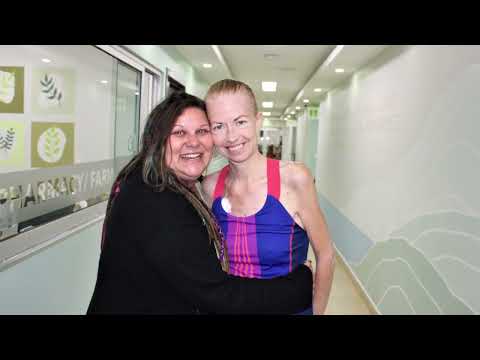
Hope, Healing, and Holistic Care – Alternative Cancer Treatment in Tijuana, Mexico
Cancer Treatment
Alternative Cancer Treatment by ITC - Immunity Therapy Center
Tijuana, Mexico
Unlock the Best Salivary Glands Cancer Packages Just for You
Discover the ultimate Salivary Glands Cancer packages designed to meet your health and wellness goals. Choose the perfect fit for your journey.

Price starting from $18,995
Alternative Cervical Cancer Treatment Package in Tijuana, Mexico by ITC
Alternative Cancer Treatment by ITC - Immunity Therapy Center
- Cancer Treatment
Tijuana, Mexico

Price starting from $18,995
Alternative Bile Duct Cancer Treatment Package in Tijuana, Mexico by ITC
Alternative Cancer Treatment by ITC - Immunity Therapy Center
- Cancer Treatment
Tijuana, Mexico

Price starting from $18,995
Alternative Carcinoid Tumors Treatment Package in Tijuana, Mexico by ITC
Alternative Cancer Treatment by ITC - Immunity Therapy Center
- Cancer Treatment
Tijuana, Mexico

Price starting from $18,995
Alternative Adrenal Cancer Treatment Package in Tijuana, Mexico by ITC
Alternative Cancer Treatment by ITC - Immunity Therapy Center
- Cancer Treatment
Tijuana, Mexico
Transformative Salivary Glands Cancer Experiences: Dive into Procedure Insights
Discover the power of Salivary Glands Cancer through compelling patient experiences. Uncover detailed insights into procedures, recovery journeys, and life-changing results.
.png)
Price starting from $18,995
Breast Cancer Immunotherapy Tijuana, Mexico
- Breast Cancer, Cancer Treatment
Tijuana, Mexico
.png)
Price starting from $18,995
Colon Cancer Immunotherapy in Tijuana, Mexico
- Colon Cancer, Cancer Treatment
Tijuana, Mexico
.png)
Price starting from $18,995
Alternative Colorectal Cancer Treatment in Mexico
- Colorectal Cancer, Cancer Treatment
Mexico
.png)
Price starting from $18,995
Alternative Colon Cancer Treatment in Mexico
- Colon Cancer, Cancer Treatment
Mexico








This was my husbands 5th trip to ITC. He goes annually for check-ups and to get an "immune boost"! He is always treated like family and gets quality care. We are happy with all aspects of ITC but above all we are happy with the results of his treatments!
Read More