
What treatment


6+ Best Clinics for Scars and Deformities in Vietnam
Trusted Medical Tourism Platform Since 2007
What are the best plastic surgery clinics for scars and deformities in Vietnam?
The top plastic surgery clinics for scars and deformities in Vietnam are: Dr. Harvard - Plastic Surgery (Danang), Dr. Nhan Ho Aesthetics and Plastic Surgery (Ho Chi Minh), Dr. Phuc Dinh Reconstructive Surgery (Ho Chi Minh), Gangwhoo Cosmetic Hospital (Ho Chi Minh), and Worldwide Dental & Cosmetic Surgery Hospital (Ho Chi Minh).
These facilities utilize board-certified surgeons and meet rigorous safety standards, including Vietnamese Ministry of Health licensing and JCI accreditations. They provide advanced, affordable treatments for complex corrections, including fractional CO2 laser scar revision, microneedling, surgical excision, dermal fillers, and corticosteroid injections.

 100.00% Patient Recommend
Dr. Harvard - Plastic Surgery


Overview
Discover world-class cosmetic surgery in Da Nang, Vietnam by Dr. Harvard. Enhance your beauty with trusted expertise and personalized care.
Read more details 75.00% Patient Recommend
Dr. Ho Co - Aesthetics and Plastic Surgery in Vietnam
Overview
Explore Dr. Ho Co, a plastic surgery clinic in Ho Chi Minh City offering aesthetic, plastic and reconstructive surgery with personalized care.
Read more details 94.12% Patient Recommend
Dr. Nhan Ho Aesthetics and Plastic Surgery
Overview
Elevate your beauty with precision at Dr. Nhan Ho's Board Certified Cosmetic Surgery Clinic in Ho Chi Minh, Vietnam. Your transformation begins here!
Read more details 100.00% Patient Recommend
Dr. Phuc Dinh - Plastic, Aesthetic and Reconstructive Surgery
Overview
Discover world-class plastic surgery in Vietnam with Dr. Phuc Dinh. Specialized in facial, breast, and body contouring with natural, lasting results.
Read more detailsDiscover your treatment options with a free, no-obligation quote!
Get your quote now!
Dr. Quang Tuan Plastic Surgery in Ho Chi Minh City, Vietnam
Overview
Explore plastic surgery in Ho Chi Minh City, Vietnam by Dr. Quang Tuan, offering facial, breast, and body contouring procedures for international patients.
Read more details.png)
Gangwhoo Cosmetic Hospital: Aesthetic Excellence in Vietnam
Overview
Gangwhoo Cosmetic Hospital in Ho Chi Minh City offers top-tier plastic surgery services, including rhinoplasty, body contouring, breast enhancement, and corrective surgeries.
Read more details 91.43% Patient Recommend
Worldwide Dental & Cosmetic Surgery Hospital

Overview
Worldwide Dental & Cosmetic Surgery Hospital is the best Plastic Surgery Clinic and Dental Treatment in Ho Chi Minh Vietnam. Book now at PlacidWay!
Read more detailsHow do I choose Scars and Deformities Clinic in Vietnam?
Choosing the right clinic for scar and deformity treatment in Vietnam requires careful research. Focus on clinics with internationally recognized accreditations, board-certified dermatologists or plastic surgeons specializing in reconstructive procedures, and transparent patient testimonials. Prioritize facilities that use advanced, modern technology for scar revision and deformity correction.
When selecting a clinic, it's essential to look beyond just the surface. A reputable clinic will readily provide information about their specialists' qualifications and experience, specifically with cases similar to yours. Don't hesitate to ask for before-and-after photos of previous patients.
Consider these key factors:
- Specialist Credentials: Verify that the doctors are board-certified in dermatology or plastic surgery and have extensive experience in scar revision techniques like laser therapy, microneedling, or surgical excision.
- Technology and Equipment: Does the clinic offer a range of modern treatment options? A good clinic will have various lasers (e.g., CO2, fractional), radiofrequency devices, and other advanced tools to tailor the treatment to your specific scar type.
- Facility Accreditation: Look for clinics that meet international standards for safety and quality of care, such as those accredited by JCI (Joint Commission International) or other recognized bodies. This ensures a high standard of hygiene and patient safety protocols.
- Consultation Process: A thorough consultation is a must. The specialist should conduct a detailed assessment of your scar or deformity, discuss your goals, explain the available treatment options, and set realistic expectations about the outcomes.
What types of scar treatments are available at clinics in Vietnam?
Leading dermatology and plastic surgery clinics in Vietnam offer a comprehensive suite of scar treatments. You can find everything from advanced laser therapies and microneedling to surgical revision and steroid injections. The best clinics provide personalized treatment plans, combining different modalities to achieve optimal results for various scar types like acne, keloid, or surgical scars.
The specific treatment offered at a clinic will depend on the type, age, and location of your scar. A single approach rarely fits all, so top clinics in Vietnam emphasize a multi-faceted strategy.
Commonly available treatments include:
- Laser Scar Revision: This is a very popular option. Clinics use fractional CO2 or erbium lasers to resurface the skin, stimulate collagen production, and improve the texture and color of atrophic (indented) or hypertrophic (raised) scars.
- Microneedling (Collagen Induction Therapy): This procedure uses fine needles to create micro-injuries in the skin, triggering the body's natural healing process and promoting new collagen and elastin. It's effective for improving the appearance of acne scars and fine lines.
- Surgical Scar Revision: For severe or wide scars, surgeons may recommend a surgical procedure to remove the old scar and re-close the incision with meticulous techniques to create a less noticeable scar. This is often used for contracture scars that limit movement.
- Dermal Fillers: Injectable fillers can be used to raise depressed or atrophic scars, making them level with the surrounding skin. The results are temporary but can be very effective.
- Corticosteroid Injections: These are the gold standard for treating keloid and hypertrophic scars. The injections help to flatten and soften the raised scar tissue.
Are clinics in Vietnam equipped for complex deformity correction?
Yes, specialized plastic and reconstructive surgery clinics in Vietnam are well-equipped to handle complex deformity corrections. These facilities feature state-of-the-art operating theaters, advanced diagnostic imaging (like 3D CT scans), and multidisciplinary teams of surgeons, anesthesiologists, and rehabilitation specialists to manage both congenital and acquired deformities safely.
Correcting complex deformities requires more than just a skilled surgeon; it demands a comprehensive infrastructure. The leading clinics in major cities like Ho Chi Minh City and Hanoi have invested heavily in technology and collaborative care models to rival international standards.
Here’s what you can expect from a top-tier clinic:
- Advanced Surgical Planning: Clinics use 3D imaging and computer-aided design (CAD) software to meticulously plan complex procedures, such as craniofacial reconstruction or post-traumatic limb deformities. This allows for greater precision and better functional and aesthetic outcomes.
- Multidisciplinary Teams: The treatment of complex deformities often involves specialists from different fields. A good clinic will have a collaborative team that may include plastic surgeons, orthopedic surgeons, neurosurgeons, and physical therapists working together on your case.
- Modern Operating Rooms: These facilities are equipped with the latest surgical tools, monitoring equipment, and infection control systems to ensure patient safety during long and complex operations.
- Comprehensive Post-Operative Care: Recovery is a critical part of the process. The best clinics provide dedicated post-operative wards, pain management protocols, and access to physical and occupational therapy to support your rehabilitation.
How do I verify a clinic's credentials and surgeon qualifications in Vietnam?
To verify a clinic's credentials in Vietnam, check for licenses from the Vietnamese Ministry of Health and international accreditations like JCI. For surgeons, ask the clinic for their board certifications, professional memberships (e.g., in national plastic surgery societies), and specific training in reconstructive surgery. Reputable clinics will be transparent with this information.
Doing your due diligence is crucial for ensuring a safe and successful outcome. Don't rely solely on marketing materials. You need to actively seek out verifiable proof of a clinic's and its staff's qualifications.
Here is a practical checklist for your verification process:
- Clinic Licensing: Ask for the clinic's official operating license issued by the local Department of Health or the Ministry of Health. This is the most basic requirement.
- Surgeon's Credentials: Request to see the surgeon's medical degree, specialization certificates (in plastic surgery, dermatology, etc.), and any additional fellowship training. Inquire about their membership in professional organizations, which often have strict ethical and professional standards.
- Online Research: Look up the clinic and surgeon on professional medical platforms and review sites. While testimonials can be subjective, a consistent pattern of positive or negative feedback is telling.
- Direct Communication: During your consultation, ask the surgeon directly about their experience with your specific condition. How many similar procedures have they performed? What are the potential risks and their complication rates? A confident and experienced surgeon will answer these questions openly.
What is the consultation process like at a Vietnamese scar treatment clinic?
The consultation process at a quality scar treatment clinic in Vietnam is thorough and patient-focused. It typically begins with a detailed medical history review, followed by a physical examination of the scar or deformity. The specialist will then discuss potential treatment options, explain the expected outcomes and recovery process, and create a personalized treatment plan for you.
This initial meeting is your opportunity to gauge the clinic's professionalism and the surgeon's expertise. It should feel like a collaborative discussion, not a sales pitch.
A typical consultation includes several key stages:
- Information Gathering: You'll be asked about how the scar was formed, how long you've had it, any previous treatments you've tried, and your overall medical history, including allergies and medications.
- Physical Assessment: The doctor will carefully examine the scar's characteristics—its size, shape, color, texture, and whether it's raised (hypertrophic/keloid) or indented (atrophic). For deformities, they will assess the functional and aesthetic impact.
- Discussion of Goals: You will have the chance to explain what you hope to achieve with the treatment. The doctor will then provide a realistic perspective on what is possible.
- Treatment Plan Proposal: Based on the assessment and your goals, the doctor will propose a tailored treatment plan. This may involve a single procedure or a combination of therapies over several sessions. They will explain the pros and cons of each option.
- Questions and Answers: A significant portion of the consultation should be dedicated to answering all your questions about the procedure, recovery, potential risks, and follow-up care.
Do clinics in Vietnam accept international health insurance for scar revision?
Acceptance of international health insurance varies significantly among clinics in Vietnam. Major, internationally accredited hospitals and clinics in large cities are more likely to have direct billing arrangements with global insurance providers. However, it's crucial to verify coverage with both the clinic and your insurer before scheduling treatment, as many scar revisions are considered cosmetic.
Navigating insurance for medical procedures abroad requires proactive communication. You cannot assume that your policy will be accepted.
Here’s how to approach this:
- Contact Your Insurer First: Before anything else, call your insurance provider. Ask specifically if "scar revision" or "reconstructive surgery" in Vietnam is a covered benefit. Understand the distinction: procedures for functional improvement (like a contracture scar limiting movement) are more likely to be covered than purely cosmetic ones.
- Check with the Clinic: Inquire directly with the clinic’s international patient department. Ask if they have experience working with your specific insurance company. Some clinics may offer direct billing, while others will require you to pay upfront and file a claim for reimbursement later.
- Get Pre-authorization: If your procedure might be covered, your insurer will almost certainly require pre-authorization. The clinic can often help by providing a detailed medical report and treatment plan to submit to your insurance company.
- Prepare for Upfront Payment: Be prepared for the possibility that you will have to pay for the treatment out-of-pocket and seek reimbursement from your insurer afterward. Ensure you get detailed invoices and medical records from the clinic to support your claim.
What kind of post-treatment support do clinics in Vietnam offer?
Reputable clinics in Vietnam provide comprehensive post-treatment support to ensure optimal healing and results. This typically includes detailed aftercare instructions, scheduled follow-up appointments (in-person or virtual), and access to medical staff for any concerns. For surgical procedures, support extends to wound care, pain management, and rehabilitation services like physical therapy.
The quality of a clinic is often reflected in its commitment to patient care after the procedure is complete. Good follow-up care is essential for minimizing complications and achieving the best possible outcome.
Key elements of post-treatment support include:
- Clear Aftercare Guidelines: You should receive written and verbal instructions on how to care for the treated area, including cleaning, medication schedules, and activities to avoid.
- Scheduled Follow-up Visits: Clinics will schedule one or more follow-up appointments to monitor your healing progress, remove sutures if necessary, and assess the treatment results. For international patients, these can often be conducted via video call.
- 24/7 Contact Information: You should be given a dedicated phone number or contact method to reach a nurse or doctor if you have urgent questions or concerns during your recovery.
- Additional Therapies: Depending on the procedure, the clinic might recommend supplementary treatments to enhance healing, such as silicone sheets or gels for scar management, or sessions with a physical therapist to restore function after deformity correction.
How do Vietnamese clinics ensure patient privacy and confidentiality?
Professional clinics in Vietnam uphold patient privacy through strict confidentiality policies, secure electronic medical record (EMR) systems, and staff training on data protection. They adhere to national healthcare regulations governing patient information. Before-and-after photos are only used with explicit, written patient consent, ensuring your personal and medical details remain private.
Patient confidentiality is a cornerstone of medical ethics, and reputable Vietnamese clinics take this very seriously, especially when catering to an international clientele.
Here’s how top clinics protect your information:
- Secure Data Management: Clinics use encrypted EMR systems to store patient files, which restricts access to authorized personnel only. This is a significant step up from paper-based records.
- Confidential Consultations: All consultations and discussions about your health are conducted in private rooms to ensure your conversations cannot be overheard.
- Staff Training: Medical and administrative staff receive regular training on patient privacy laws and the clinic's internal confidentiality protocols.
- Informed Consent for Media: The use of your images or case details for marketing or educational purposes requires a separate, specific consent form. You have the right to refuse without it affecting the quality of your care. You can explicitly state that you do not want your photos used.
What languages are spoken at top Scars and Deformities clinics in Vietnam?
At top clinics in Vietnam catering to medical tourists, English is widely spoken by surgeons, key medical staff, and dedicated international patient coordinators. While Vietnamese is the primary language, these premier facilities ensure clear communication by having English-speaking personnel at every step, from consultation to post-operative care. Some may also offer translator services for other languages.
The language barrier is a common concern for medical tourists, but high-end clinics in Vietnam have addressed this by building multilingual teams. Clear communication is essential for medical safety and patient satisfaction.
When choosing a clinic, you can typically expect:
- English-Speaking Doctors: Most surgeons and specialists who treat international patients have either trained abroad or have extensive experience working with a global clientele, making them fluent in medical and conversational English.
- International Coordinators: These are staff members dedicated to assisting foreign patients. They act as your primary point of contact, helping with scheduling, communication, and logistical arrangements, all in fluent English.
- Translated Materials: Reputable clinics often provide important documents, such as consent forms and aftercare instructions, in English.
- Translator Services: For languages other than English, many clinics can arrange for professional medical interpreters upon request, ensuring you fully understand every aspect of your treatment. It's always best to inquire about this service in advance.
How far in advance should I book a procedure at a Vietnamese clinic?
For surgical scar revisions or complex deformity corrections in Vietnam, it's wise to book at least 1-3 months in advance. This allows ample time for virtual consultations, medical evaluations, travel arrangements, and securing a slot with a top surgeon. For non-invasive laser or filler treatments, a lead time of 2-4 weeks may be sufficient, but booking earlier is always recommended.
Proper planning is key to a stress-free medical journey. The required lead time depends on the complexity of your procedure and the demand for the specific clinic and surgeon you choose.
Consider the following timeline factors:
- Consultation Phase: The initial back-and-forth, including sharing photos and having a video call with the surgeon, can take one to two weeks.
- Pre-procedure Requirements: Some treatments may require you to stop certain medications or start a specific skincare regimen weeks before the procedure.
- Surgeon's Schedule: Highly sought-after surgeons have schedules that fill up months in advance. If you have a specific doctor in mind, you'll need to accommodate their availability.
- Travel and Logistics: As an international patient, you'll need time to apply for a visa (if required), book flights, and arrange accommodation. Giving yourself a buffer of at least a month for this is a good idea.
- Clinic's Process: The clinic's own administrative process for registering an international patient and scheduling surgery also takes time.
How PlacidWay helps individuals access Scars and Deformities in Vietnam?
PlacidWay serves as your trusted guide to navigating scar and deformity treatment in Vietnam. We provide detailed, up-to-date information about various procedures, including their benefits, potential risks, and the realistic outcomes you can expect, empowering you with knowledge.
We believe quality healthcare should be accessible. PlacidWay helps you compare treatment packages from different clinics, ensuring you find affordable options without compromising on the high standards of care you deserve.
Finding a qualified specialist is paramount. PlacidWay assists you in connecting with trusted, internationally accredited clinics and highly skilled medical professionals who specialize in scar and deformity correction in Vietnam, taking the guesswork out of your search.
To ensure you make the best choice for your health, PlacidWay offers one-on-one consultations. We help you through the decision-making process, making sure your specific needs and concerns are addressed and that you feel confident in your chosen treatment path.
Our commitment doesn't end after your procedure. PlacidWay ensures you have continued support throughout your recovery journey, including assistance with follow-up care arrangements and recovery guidance to achieve the best possible results.
Ready to get Scars and Deformities in Vietnam? Contact us today for a personalized consultation.
Share with AI
Share this page with AI assistants to get summaries and insights


List of Best Scars and Deformities Clinics in Vietnam
Unlock the Best Cosmetic Plastic Surgery Packages Just for You
Discover the ultimate Cosmetic Plastic Surgery packages designed to meet your health and wellness goals. Choose the perfect fit for your journey.

Price starting from $33,142
MOMMY MAKEOVER PACKAGE(ALL FIRST TIME SURGERY)
LiMO Plastic Surgery Clinic in Seoul, South Korea
- Cosmetic/Plastic Surgery
Seoul,Gangnam, South Korea

Price starting from $15,000
Hair Restoration and Transplantation Package at The Best Medical Hair Center by Dr. Orn , Bangkok, Thailand
The Best Medical Hair Center by Dr. Orn
- Cosmetic/Plastic Surgery
Bangkok, Thailand

Price starting from $3,500
Deep Plane Facelift Package in Yerevan, Armenia by Boroyan Plastic Surgery
Boroyan Plastic Surgery in Yerevan Armenia
- Cosmetic/Plastic Surgery
Yerevan, Armenia

Price starting from $9,500,000
Abdominoplasty Package at Opera Plastic Surgery in Gangnam, South Korea, Seoul, South Korea
Opera Plastic Surgery in Gangnam, South Korea
- Cosmetic/Plastic Surgery
Gangnam, South Korea
Transformative Cosmetic Plastic Surgery Experiences: Dive into Procedure Insights
Discover the power of Cosmetic Plastic Surgery through compelling patient experiences. Uncover detailed insights into procedures, recovery journeys, and life-changing results.
.jpg)
Price starting from $4,200
Rhinoplasty in South Korea
- Nose Surgery Rhinoplasty, Cosmetic/Plastic Surgery
South Korea

.png)
Price starting from $5,500
Gender Reassignment Surgery Male to Female in Bangkok, Thailand
- Sex Change Operation, Cosmetic/Plastic Surgery
Bangkok, Thailand
.png)
Price starting from $2,900
Facial Contouring in Seoul, South Korea
- Cosmetic/Plastic Surgery
Seoul, South Korea
Explore Cosmetic Plastic Surgery: Stories, Testimonials, and Procedures
Watch in-depth videos covering everything from Cosmetic Plastic Surgery success stories to detailed procedure explanations. Learn what to expect and hear from real patients.

PlacidWay Medical Tourism: Your Bridge to Worldwide Patients
Cosmetic Plastic Surgery
PlacidWay Medical Tourism
Vietnam
Essential Post-Surgery Care for Plastic Surgery in Seoul, South Korea
Cosmetic Plastic Surgery
VG Plastic Surgery
South Korea
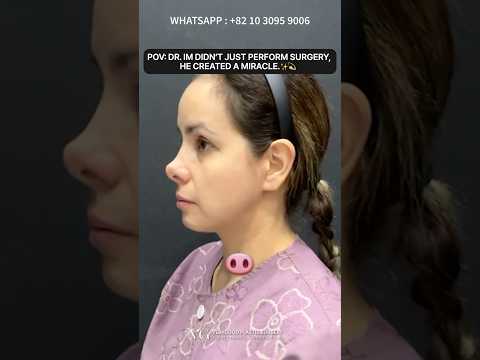
Nasal Tip Revision Surgery in Seoul, South Korea
Cosmetic Plastic Surgery
VG Plastic Surgery
South Korea

Fresh Perspective on Plastic Surgery in Bangkok Thailand at Asia Cosmetic Hospital
Cosmetic Plastic Surgery
Asia Cosmetic Hospital
Thailand
Learn More with These Cosmetic Plastic Surgery Articles
Take a look at these interesting articles, stories and research that will help you learn more about Cosmetic Plastic Surgery.

Double Eyelid Surgery in Vietnam vs Korea - Why Regional Patients are Switching to HCMC Clinics
PlacidWay Medical Tourism
- Cosmetic/Plastic Surgery
Vietnam

.jpg)
The Best Plastic Surgeons in Thailand: Price and Profiles
PlacidWay Medical Tourism
- Cosmetic/Plastic Surgery
Thailand
.png)
The Swimsuit She Stopped Buying: Olivia Hughes’s Post-Weight-Loss Localized Fat Liposuction Story from Australia to Vietnam
PlacidWay Medical Tourism
- Cosmetic/Plastic Surgery
Vietnam
Cosmetic Plastic Surgery Solutions Near You: Explore Top Medical Centers
Discover how Cosmetic Plastic Surgery is transforming lives at leading medical centers in , Vietnam. Dive into center profile, specialties, doctors, reviews, etc. and explore the best options tailored to your needs in this region.

Dr. Nhan Ho Aesthetics and Plastic Surgery
Ho Chi Minh, Vietnam

Dr. Harvard - Plastic Surgery
Danang, Vietnam

Dr. Quang Tuan Plastic Surgery in Ho Chi Minh City, Vietnam
Ho Chi Minh City, Vietnam

Dr. Ho Co - Aesthetics and Plastic Surgery in Vietnam
Ho Chi Minh City, Vietnam








Attentive staff and doctors, many high tech machines, very good.
Read More