
What treatment


Find 10+ stem cell therapy for non hodgkin lymphoma Clinics in Tokyo
Find Top stem cell therapy for non hodgkin lymphoma Clinics in Tokyo, Offering Advanced Treatments
 82.81% Patient Recommend
HELENE - Stem Cell Clinic


Overview
Japan Regenerative Medicine Leading Brand With over a decade of experience and more than 17,000 treated patients. Providing cutting-edge stem cell therapies tailored to various health concerns.
Read more details
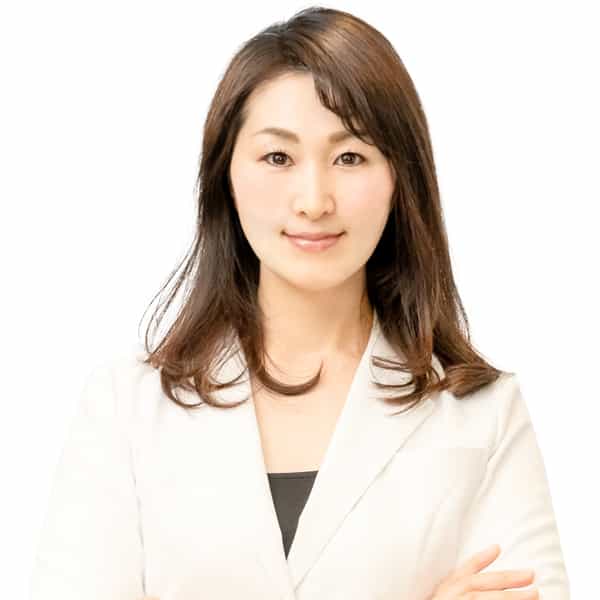
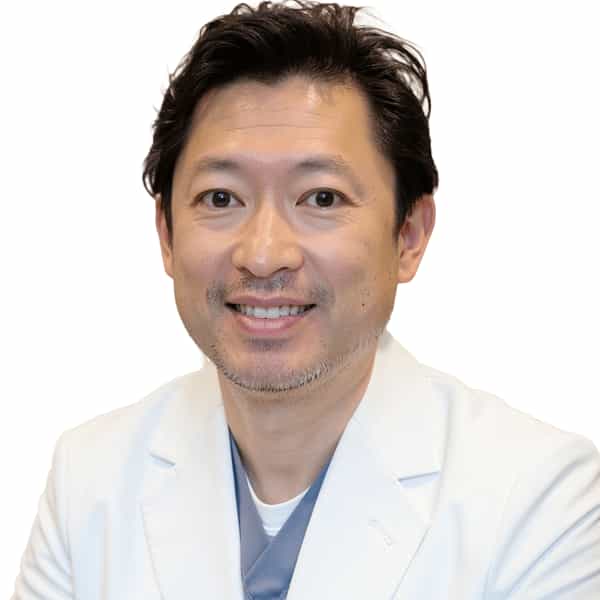

 100.00% Patient Recommend
Azabu Skin Clinic - Dermatology and Stem Cell Therapy in Japan
Overview
Azabu Skin Clinic in Tokyo offers advanced stem cell treatments, regenerative treatments, dermatology, and aesthetic care. Book your consultation today.
Read more details
Riso Clinic - Japan Stem Cell Therapy
Overview
Explore Japan stem cell therapy at Riso Clinic in Tokyo. Advanced regenerative treatments for knee osteoarthritis, joint injuries, and cartilage repair.
Read more details
Clinique Haru Osaka Umeda - Japan Stem Cell Treatment
Overview
Clinique Haru Osaka Umeda specializes in Japan stem cell treatments for joint and musculoskeletal conditions using advanced regenerative medicine.
Read more detailsDiscover your treatment options with a free, no-obligation quote!
Get your quote now!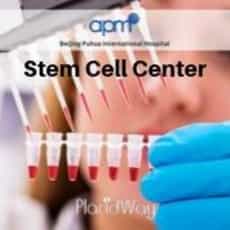
Beijing Puhua International Hospital- Stem Cell Center
Overview
Beijing Puhua International Hospital (BPIH) features a dedicated Stem Cell Center, where a team of highly educated and experienced scientists and technicians are working on the research and development of stem cell technology to restrict the development of several degenerative diseases like Parkinson’s, ALS, Batten, Multiple Sclerosis and more.
Read more details
Krishna Institute of Medical Sciences (KIMS), Bengaluru
Overview
Krishna Institute of Medical Sciences (KIMS) Bengaluru is recognized as the best hospital in India, offering advanced multispecialty care and expert doctors.
Read more details 95.18% Patient Recommend
ReeLabs Stem Cells in Mumbai, India
Overview
ReeLabs provides advanced Stem Cell Mumbai services, including stem cell banking and therapy for safe preservation and future medical use.
Read more details

SCF Clinic - Stem Cell Bangkok Thailand
Overview
Experience advanced Stem Cell Bangkok Thailand at SCF Clinic. We offer CAR-T, NK Cell therapy, Exosomes, Multi-Cancer Early Detection & Anti-Aging programs.
Read more detailsDiscover your treatment options with a free, no-obligation quote!
Get your quote now!
ZELL-V Wellness Hub - Regenerative Medicine Malaysia
Overview
ZELL-V Wellness Hub in Kuala Lumpur offers advanced regenerative medicine, cellular therapy, and wellness programs for longevity and vitality.
Read more detailsPlacidWay India Medical Tourism
For the best care, access the best. PlacidWay India Medical Tourism offers medical care options in foreign destinations, including world-class surgeons and physicians, state-of-the-art facilities and up-to-date technologies, treatments and procedures for individuals seeking health and wellness abroad.


Which are the best clinics for Stem Cell Therapy for Non-Hodgkin Lymphoma in Tokyo, Japan?
For Stem Cell Therapy for Non-Hodgkin Lymphoma in Tokyo, Japan, one highly-regarded facility is HELENE - Stem Cell Clinic. When evaluating options, patients should consider clinics with extensive experience in regenerative medicine for hematological cancers, strong patient testimonials, and adherence to Japanese medical standards. Look for specialized centers known for advanced cellular therapies tailored to specific lymphoma types, ensuring comprehensive care and promising outcomes for complex conditions.
Identifying the "best" clinic often depends on individual patient needs and specific lymphoma characteristics. However, HELENE - Stem Cell Clinic in Tokyo is a prominent center providing advanced regenerative medicine, including stem cell therapies. When researching any clinic, it's crucial to look into their:
- Specialization: Do they specifically treat hematological malignancies like Non-Hodgkin Lymphoma with stem cell therapy?
- Experience: How many years have they been performing these specific treatments, and what is their patient volume?
- Accreditations: Are they recognized by national and international medical bodies for their stem cell procedures?
- Patient Reviews: Testimonials and outcome data from previous patients can offer valuable insights into the clinic's quality of care and patient satisfaction.
- Integrated Care: Clinics offering a holistic approach, including supportive care and post-treatment follow-up, are generally preferred for complex conditions.
What accreditation should I look for in Stem Cell Therapy clinics in Tokyo?
When considering Stem Cell Therapy clinics in Tokyo for Non-Hodgkin Lymphoma, prioritize facilities holding certifications from Japanese regulatory bodies, such as the Ministry of Health, Labour and Welfare (MHLW). International accreditations like Joint Commission International (JCI) are also significant indicators of high safety standards and quality of care, ensuring the clinic adheres to rigorous global medical protocols.
Accreditation is a critical factor for ensuring patient safety and treatment efficacy, especially with specialized procedures like stem cell therapy. For clinics in Tokyo, key accreditations and recognitions include:
- Japanese Ministry of Health, Labour and Welfare (MHLW): This is the primary national regulatory body in Japan. Clinics providing regenerative medicine must comply with MHLW guidelines regarding safety, quality, and ethical practices.
- Japanese Society for Regenerative Medicine (JSRM): Membership or certification from JSRM indicates a commitment to best practices and ongoing research in regenerative medicine.
- Joint Commission International (JCI): While not Japan-specific, JCI accreditation is a global benchmark for quality and patient safety in healthcare. It signifies that a facility meets stringent international standards.
- Internal Quality Control: Beyond official accreditations, inquire about a clinic's internal quality control systems, research affiliations, and participation in clinical trials to gauge their commitment to advanced and safe care.
What types of stem cells are commonly used for Non-Hodgkin Lymphoma treatment in Tokyo clinics?
Tokyo clinics offering stem cell therapy for Non-Hodgkin Lymphoma primarily utilize hematopoietic stem cells, often harvested from bone marrow, peripheral blood, or umbilical cord blood. Mesenchymal stem cells (MSCs) might also be explored for supportive therapies or research, aiming to enhance recovery and manage treatment-related side effects. The specific type depends on the patient's condition and treatment protocol.
For Non-Hodgkin Lymphoma, the primary and most established form of stem cell treatment is hematopoietic stem cell transplantation (HSCT).
- Hematopoietic Stem Cells (HSCs): These are blood-forming stem cells responsible for generating all types of blood cells, including immune cells. For Non-Hodgkin Lymphoma, HSCs are typically used after high-dose chemotherapy to restore the patient's bone marrow. Sources include:
- Autologous: Stem cells harvested from the patient's own body prior to intensive treatment.
- Allogeneic: Stem cells obtained from a compatible donor (sibling, unrelated donor, or umbilical cord blood).
- Mesenchymal Stem Cells (MSCs): While not a primary treatment for lymphoma itself, MSCs are being investigated for their immunomodulatory and regenerative properties. Some Tokyo clinics might use MSCs in clinical trials or as supportive therapy to aid recovery, reduce graft-versus-host disease (in allogeneic transplants), or help regenerate damaged tissues from prior treatments.
How do clinics in Tokyo ensure patient safety during stem cell therapy for Non-Hodgkin Lymphoma?
Tokyo clinics prioritize patient safety through stringent MHLW guidelines, advanced sterile environments, and multidisciplinary teams. They implement rigorous screening for cell procurement, precise administration protocols, and continuous monitoring for potential side effects, ensuring treatments for Non-Hodgkin Lymphoma are delivered under strict clinical oversight to minimize risks and optimize recovery.
Patient safety is paramount, especially for advanced treatments like stem cell therapy for Non-Hodgkin Lymphoma. Clinics in Tokyo employ several measures to ensure this:
- Strict Regulatory Adherence: They operate under the rigorous guidelines set by the Japanese Ministry of Health, Labour and Welfare (MHLW) for regenerative medicine, which dictate clinical protocols, facility requirements, and ethical considerations.
- Comprehensive Patient Screening: Thorough medical evaluations are conducted to determine patient suitability, including detailed medical history, diagnostic tests, and assessment of overall health to minimize risks.
- Sterile Environments: Procedures like cell harvesting, processing, and administration are performed in highly sterile environments (e.g., clean rooms, specialized labs) to prevent infections.
- Experienced Medical Teams: Treatments are administered by highly qualified specialists, including oncologists, hematologists, regenerative medicine experts, and dedicated nursing staff with extensive experience in cellular therapies.
- Post-Procedure Monitoring: Patients receive close monitoring for several days or weeks after therapy to detect and manage any potential side effects or complications promptly.
- Quality Control and Tracking: Strict protocols for stem cell procurement, processing, storage, and tracking are in place to ensure cell viability, purity, and safety.
What patient support services do Tokyo clinics offer for international Non-Hodgkin Lymphoma stem cell patients?
Tokyo clinics catering to international patients often provide comprehensive support, including multilingual staff and translation services, assistance with travel logistics (visa, accommodation), and dedicated patient coordinators. They aim to ease the entire treatment journey for Non-Hodgkin Lymphoma patients by providing cultural sensitivity, medical interpretation, and personalized assistance from arrival through follow-up care.
Recognizing the unique needs of patients traveling for treatment, many Tokyo clinics offer specialized services to ensure a smooth and comfortable experience for Non-Hodgkin Lymphoma patients undergoing stem cell therapy:
- Multilingual Staff and Interpreters: Many clinics have English-speaking staff or readily available professional medical interpreters to facilitate clear communication between patients and their healthcare team.
- International Patient Coordinators: Dedicated coordinators assist with pre-arrival inquiries, appointment scheduling, medical record transfers, and understanding treatment plans.
- Travel and Accommodation Assistance: Support can extend to helping with visa applications, arranging airport transfers, and recommending nearby accommodations suitable for medical recovery.
- Cultural Sensitivity: Staff are often trained to understand and respect diverse cultural backgrounds, ensuring patients feel comfortable and understood.
- Telemedicine Consultations: Initial consultations may be offered via video call, allowing international patients to discuss their condition and treatment options with specialists before traveling to Japan.
- Personalized Care Plans: Treatment is tailored not only to medical needs but also considers logistical and personal preferences for international visitors.
What advanced technologies do top Stem Cell Therapy clinics in Tokyo utilize for Non-Hodgkin Lymphoma?
Leading Stem Cell Therapy clinics in Tokyo leverage state-of-the-art technologies for Non-Hodgkin Lymphoma treatment, including sophisticated cell processing labs (GMP-certified), advanced imaging for precise cell delivery, and genetic sequencing for personalized therapy selection. These technologies enhance the safety, efficacy, and precision of regenerative medicine, ensuring optimized patient outcomes and minimizing risks.
Top Stem Cell Therapy clinics in Tokyo incorporate cutting-edge technologies to enhance the precision, safety, and effectiveness of treatments for Non-Hodgkin Lymphoma. These include:
- GMP-Certified Cell Processing Facilities: These Good Manufacturing Practice (GMP) compliant laboratories ensure that stem cells are processed, expanded, and stored under strictly controlled sterile conditions, guaranteeing quality and minimizing contamination risks.
- Advanced Cell Isolation and Expansion Techniques: Technologies like apheresis machines for peripheral blood stem cell collection and bioreactors for efficient *ex vivo* cell expansion allow for the procurement of high-quality, sufficient cell numbers.
- High-Resolution Imaging for Targeted Delivery: Techniques such as ultrasound guidance or fluoroscopy are often used to precisely deliver stem cells to specific areas, ensuring optimal therapeutic effect.
- Flow Cytometry and Genetic Analysis: These diagnostic tools are used for detailed characterization and quality control of stem cell populations, as well as for identifying specific genetic markers in lymphoma cells to inform personalized treatment strategies.
- Cryopreservation Technology: Advanced cryopreservation methods ensure the long-term viability and integrity of stored stem cells, crucial for autologous transplants and future use.
- Immunomonitoring Systems: These systems help monitor the patient's immune response and engraftment success post-transplant, which is vital for managing complications and assessing treatment progress.
How can I verify the success rates of Stem Cell Therapy clinics for Non-Hodgkin Lymphoma in Japan?
To verify success rates of Stem Cell Therapy clinics for Non-Hodgkin Lymphoma in Japan, look for published clinical data, accreditation reports from the MHLW or JSRM, and transparent patient outcome statistics. Engage with international patient services for documented evidence and seek unbiased patient testimonials to corroborate the clinic's claims regarding treatment effectiveness and overall patient satisfaction.
Verifying success rates for any medical treatment, especially a complex one like stem cell therapy for Non-Hodgkin Lymphoma, requires careful research. Here's how to approach it for clinics in Japan:
- Request Published Data: Ask clinics for information on their success rates, preferably data published in peer-reviewed medical journals or presented at reputable medical conferences. This provides scientifically backed evidence.
- Consult National Registries: Inquire if the clinic contributes data to national or international transplant registries, such as those maintained by the Japanese Society for Hematopoietic Cell Transplantation. These registries often publish aggregated outcome data.
- Accreditation Reports: Review accreditation reports (e.g., from MHLW or JCI), which often include quality indicators and performance metrics that can indirectly reflect success rates and adherence to standards.
- Patient Testimonials and Reviews: While anecdotal, a pattern of positive patient experiences and recovery stories can offer qualitative insights, but should be balanced with clinical data.
- Direct Inquiry with the Clinic: During your consultation, ask direct questions about their long-term survival rates, remission rates, and complication rates specifically for Non-Hodgkin Lymphoma patients treated with stem cell therapy. Be wary of clinics that are unwilling to share this information or make overly generalized claims.
What does the initial consultation process entail at a Tokyo Stem Cell Therapy clinic for Non-Hodgkin Lymphoma?
The initial consultation at a Tokyo Stem Cell Therapy clinic for Non-Hodgkin Lymphoma typically involves a thorough review of your medical history, diagnostic tests, and previous treatments. You'll discuss your specific condition with a specialist, understand potential stem cell options, and have any questions answered to determine preliminary eligibility and create a personalized treatment pathway.
The initial consultation is a crucial step for Non-Hodgkin Lymphoma patients exploring stem cell therapy in Tokyo. This process is designed to gather comprehensive information and provide you with clear guidance:
- Medical History Review: The specialist will meticulously review all your existing medical records, including previous diagnoses, treatments (chemotherapy, radiation), biopsy results, and imaging scans (PET, CT).
- Discussion of Current Condition: You will discuss your current health status, symptoms, and how Non-Hodgkin Lymphoma has impacted your life.
- Explanation of Stem Cell Options: The doctor will explain the relevant stem cell therapy types for your condition (e.g., autologous or allogeneic HSCT), including the benefits, potential risks, and expected outcomes.
- Preliminary Eligibility Assessment: Based on your medical information, the doctor will provide a preliminary assessment of your eligibility for treatment and outline any further diagnostic tests needed.
- Personalized Treatment Plan Outline: If deemed a potential candidate, the clinic will begin to outline a preliminary treatment plan, including timelines and logistical considerations.
- Q&A Session: This is your opportunity to ask any questions you have about the treatment, the clinic, financial aspects, and what to expect during your stay in Tokyo.
- Remote Consultations: Many clinics offer remote video consultations for international patients to begin this process before traveling.
Are there specific eligibility criteria for Non-Hodgkin Lymphoma stem cell therapy at clinics in Tokyo?
Yes, eligibility for Non-Hodgkin Lymphoma stem cell therapy in Tokyo clinics includes factors like lymphoma type and stage, patient age, overall health, and remission status. Clinics assess organ function, absence of active infections, and prior treatment responses. These criteria ensure patient safety and maximize the likelihood of a successful outcome from advanced cellular treatments.
Eligibility for stem cell therapy for Non-Hodgkin Lymphoma is stringent due to the intensity of the treatment and is assessed on a case-by-case basis by clinics in Tokyo. Common criteria include:
- Lymphoma Type and Stage: The specific subtype and stage of Non-Hodgkin Lymphoma play a crucial role. Stem cell transplants are often used for aggressive lymphomas, relapsed disease, or certain high-risk types.
- Remission Status: Patients are often required to be in complete or partial remission before undergoing transplantation.
- Overall Health and Performance Status: Good general health, adequate organ function (heart, lung, kidney, liver), and a strong performance status (ability to perform daily activities) are essential to withstand the intensive conditioning regimen.
- Age: While not a strict cutoff, age can influence eligibility, with younger patients generally having better tolerance for treatment. However, advanced therapies are making it accessible to older patients in good health.
- Absence of Other Serious Conditions: Co-existing conditions such as active infections, severe cardiovascular disease, or uncontrolled diabetes might exclude a patient.
- Donor Availability (for Allogeneic): For allogeneic transplants, a suitable human leukocyte antigen (HLA)-matched donor is required.
What post-treatment follow-up care is typically provided by Stem Cell Therapy clinics in Tokyo for Non-Hodgkin Lymphoma?
Tokyo Stem Cell Therapy clinics provide extensive post-treatment follow-up for Non-Hodgkin Lymphoma patients, including regular blood tests, imaging scans, and consultations to monitor recovery and detect recurrence. This comprehensive care plan often integrates nutritional support and physical rehabilitation, ensuring ongoing patient well-being and long-term health management after undergoing cellular regenerative therapies.
Post-treatment follow-up care is crucial for patients undergoing stem cell therapy for Non-Hodgkin Lymphoma, ensuring successful recovery and early detection of any complications or recurrence. Tokyo clinics typically offer a structured follow-up plan:
- Regular Monitoring: Frequent blood tests are conducted to monitor blood counts, immune recovery, and engraftment status. Imaging scans (CT, PET) are performed periodically to assess for any signs of lymphoma recurrence.
- Clinical Consultations: Scheduled appointments with the transplant team, including oncologists and regenerative medicine specialists, to evaluate overall health, manage side effects, and discuss progress.
- Medication Management: Guidance on immunosuppressants (for allogeneic transplants), antibiotics, and other supportive medications to prevent infections and manage symptoms.
- Symptom Management and Supportive Care: Assistance with managing common side effects like fatigue, nausea, or mucositis, often involving nutritional counseling, physical therapy, and psychological support.
- Long-Term Survivorship Care: Education on long-term health management, including lifestyle recommendations, vaccination schedules, and monitoring for late complications of treatment.
- Remote Follow-up for International Patients: For patients returning to their home countries, clinics often establish protocols for remote follow-up through telemedicine or by coordinating with local healthcare providers.
How PlacidWay helps individuals access Stem Cell Therapy for Non-Hodgkin Lymphoma in Tokyo, Japan?
How PlacidWay helps individuals access Stem Cell Therapy for Non-Hodgkin Lymphoma in Tokyo, Japan?
PlacidWay provides detailed, up-to-date information about Stem Cell Therapy for Non-Hodgkin Lymphoma, including benefits, risks, and expected outcomes. We help users compare treatment in various clinics in Tokyo, Japan, ensuring affordable options without compromising on quality. PlacidWay assists users in finding trusted, accredited clinics and medical professionals specializing in Stem Cell Therapy for Non-Hodgkin Lymphoma in Japan. We offer one-on-one consultations to help users make informed decisions about their treatment, ensuring their specific needs are met. PlacidWay ensures continued support after the treatment, including follow-up care and recovery assistance. Ready to get Stem Cell Therapy for Non-Hodgkin Lymphoma in Tokyo, Japan? Contact us today for a personalized consultation.Share with AI
Share this page with AI assistants to get summaries and insights



List of Best stem cell therapy for non hodgkin lymphoma Clinics in Japan
Unlock the Best Stem Cell Therapy for Non Hodgkin Lymphoma Packages Just for You
Discover the ultimate Stem Cell Therapy for Non Hodgkin Lymphoma packages designed to meet your health and wellness goals. Choose the perfect fit for your journey.
Price starting from $368.0
Stem Cell Treatment Online Consultation Package in Osaka, Japan by Cell Grand Clinic
Cell Grand Clinic - Best Stem Cell Clinic in Japan
- Stem Cell Therapy
Osaka, Japan
.png)
Price starting from $2800.0
Stem Cell Treatment for Ovarian Rejuvenation old Package at You Clinic, Izmir, Turkey
You Clinic
- Stem Cell Therapy
Izmir, Turkey
.png)
Price starting from $70000.0
Diabetes Regenerative Medicine Package in Osaka, Japan by Cell Grand Clinic
Cell Grand Clinic - Best Stem Cell Clinic in Japan
- Stem Cell Therapy
Osaka, Japan

Price starting from $10000.0
Stem Cell Therapy for Diabetes Package in Tokyo, Japan by Helene Clinic
HELENE - Stem Cell Clinic
- Stem Cell Therapy
Tokyo, Japan
Transformative Stem Cell Therapy for Non Hodgkin Lymphoma Experiences: Dive into Procedure Insights
Discover the power of Stem Cell Therapy for Non Hodgkin Lymphoma through compelling patient experiences. Uncover detailed insights into procedures, recovery journeys, and life-changing results.
.png)
Stem Cell Therapy for Stroke Rehabilitation in Japan
- Stem Cell Therapy for Stroke, Stem Cell Therapy
Japan

.png)
Stem Cell for Knee Osteoarthritis in Osaka, Japan
- Stem Cell Therapy for Osteoarthritis, Stem Cell Therapy
Osaka, Japan
.png)
Price starting from $10000.0
Stem Cell Therapy for Knee Osteoarthritis in Japan
- Stem Cell Treatment for Knee Osteoarthritis Abroad, Stem Cell Therapy
Japan

(Translated by Google) The teacher is nice, but I am bothered by the staff\'s private conversations (laughter) and their behavior. (Original) 先生はいい方なのですが、スタッフの私語(笑い声)や対応が気になります。
Read More