
What treatment


4+ Best Clinics for Stem Cell Therapy for Plantar Fasciitis in Japan
Trusted Medical Tourism Platform Since 2007
What are the best stem cell therapy clinics for plantar fasciitis in Japan?
The best stem cell therapy clinics in Japan for plantar fasciitis are: HELENE - Stem Cell Clinic (Tokyo), Azabu Skin Clinic (Tokyo), Riso Clinic (Tokyo), Clinique Haru Osaka Umeda (Osaka), and Cell Grand Clinic (Osaka).
These facilities comply with Japan's strict Act on the Safety of Regenerative Medicine and utilize GMP-certified laboratories. They primarily use mesenchymal stem cells (MSCs) to effectively treat plantar fasciitis, knee osteoarthritis, joint injuries, and diabetes. Complete regenerative treatment packages range from $8,000 to $45,000 USD, providing patients with world-class cellular therapies, precise ultrasound-guided administration, and personalized post-treatment rehabilitation.
 100.00% Patient Recommend
Cell Grand Clinic - Best Stem Cell Clinic in Japan


Overview
Explore Cell Grand Clinic, the best stem cell clinic in Japan specializing in top regenerative therapies for anti-aging, chronic conditions, and wellness.
Read more details

 82.81% Patient Recommend
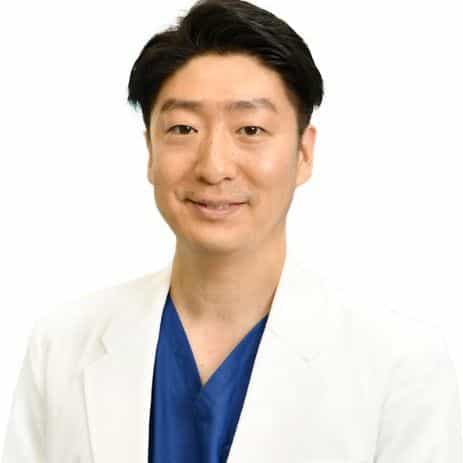
HELENE - Stem Cell Clinic
Overview
Japan Regenerative Medicine Leading Brand With over a decade of experience and more than 17,000 treated patients. Providing cutting-edge stem cell therapies tailored to various health concerns.
Read more details

 100.00% Patient Recommend
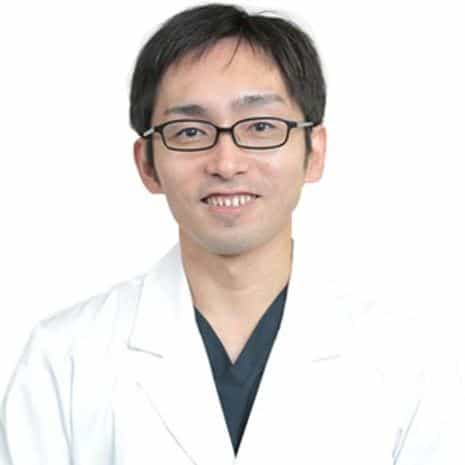
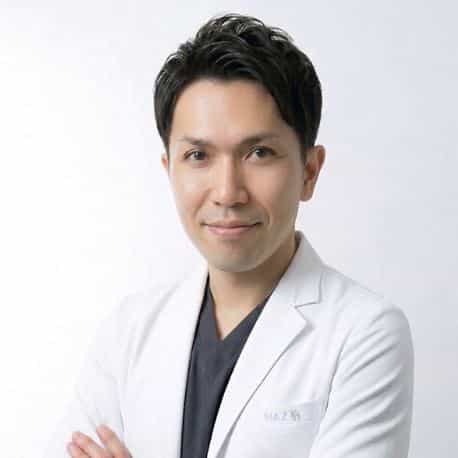
Azabu Skin Clinic - Dermatology and Stem Cell Therapy in Japan
Overview
Azabu Skin Clinic in Tokyo offers advanced stem cell treatments, regenerative treatments, dermatology, and aesthetic care. Book your consultation today.
Read more details

Riso Clinic - Japan Stem Cell Therapy
Overview
Explore Japan stem cell therapy at Riso Clinic in Tokyo. Advanced regenerative treatments for knee osteoarthritis, joint injuries, and cartilage repair.
Read more details
Discover your treatment options with a free, no-obligation quote!
Get your quote now!
Clinique Haru Osaka Umeda - Japan Stem Cell Treatment
Overview
Clinique Haru Osaka Umeda specializes in Japan stem cell treatments for joint and musculoskeletal conditions using advanced regenerative medicine.
Read more detailscopy.png)
Authored by
Usama Ahmad
Medical content writer with 5+ years of experience specializing in stem cells and regenerative medicine content.

Reviewed by
Dr. Alejandro Fernando
Dr. Alejandro Fernando is a top stem cell specialist in Mexico City, specializing in regenerative medicine, cellular therapies, and chronic disease treatment and Medical Content Reviewer
Last updated on
Which are the best clinics for Stem Cell Therapy for Plantar Fasciitis in Japan?
For top-tier Stem Cell Therapy for Plantar Fasciitis in Japan, two highly-rated clinics stand out: HELENE - Stem Cell Clinic in Tokyo and Cell Grand Clinic in Osaka. Both are recognized for their expertise in regenerative medicine and boast excellent patient recommendations. They offer cutting-edge therapies focused on foot pain relief and improving musculoskeletal health, adhering to Japan's rigorous medical standards.
When seeking advanced regenerative treatments for chronic foot pain like plantar fasciitis, clinics in Japan provide exceptional options. HELENE - Stem Cell Clinic in Tokyo is a leading facility with over a decade of experience and a high patient satisfaction rate, specializing in personalized regenerative medicine tailored to various health concerns, including orthopedic conditions. Similarly, Cell Grand Clinic in Osaka is acclaimed as one of Japan’s best stem cell clinics, known for its comprehensive regenerative therapies for chronic conditions and overall wellness. Both centers prioritize patient safety, advanced technology, and individualized treatment plans, making them excellent choices for those looking to address plantar fasciitis with stem cell therapy in Japan.
What is Stem Cell Therapy for Plantar Fasciitis and how does it work?
Stem Cell Therapy for Plantar Fasciitis is an innovative regenerative treatment leveraging the body's natural healing capabilities to reduce pain and repair damaged tissue in the foot. Specialized clinics in Japan utilize mesenchymal stem cells (MSCs) to target inflammation and promote tissue regeneration in the plantar fascia. These advanced treatments aim for long-term foot pain relief.
Stem cell therapy addresses the root cause of plantar fasciitis, which is typically chronic inflammation and degeneration of the plantar fascia ligament. Japanese regenerative medicine clinics often use mesenchymal stem cells (MSCs), usually derived from the patient's own adipose (fat) tissue or bone marrow. These cells are known for their ability to:
- Reduce inflammation at the site of injury.
- Secrete growth factors that stimulate tissue repair.
- Differentiate into various cell types, potentially aiding in fascia regeneration.
- Modulate the immune response, promoting a healing environment.
How is Stem Cell Therapy for Plantar Fasciitis performed in Japanese clinics?
In leading Japanese clinics, Stem Cell Therapy for Plantar Fasciitis typically involves two main phases: cell harvesting and cell administration. The process begins with a detailed diagnostic evaluation. Then, a small sample of the patient's own tissue (usually fat or bone marrow) is collected, processed in a specialized lab to concentrate or expand the stem cells, and finally injected precisely into the affected plantar fascia area.
Japanese medical centers adhere to stringent protocols for regenerative treatments. Here's a general outline of how the procedure is performed:
- Initial Consultation and Assessment: Patients undergo a thorough medical history review, physical examination, and advanced imaging (MRI or ultrasound) to confirm the diagnosis and assess the severity of plantar fasciitis. This helps create a personalized treatment plan.
- Cell Harvesting: A small amount of adipose tissue (fat) is usually harvested from the abdomen or thigh via a minor, minimally invasive liposuction procedure. Alternatively, bone marrow can be aspirated from the hip. This is typically done under local anesthesia.
- Cell Processing and Expansion: The collected tissue is sent to a sterile, accredited laboratory (often in-house at Japanese regenerative clinics) where mesenchymal stem cells (MSCs) are isolated, purified, and sometimes expanded in number over several weeks to achieve a therapeutic dose.
- Cell Administration: Once the stem cell solution is ready, it is precisely injected directly into the damaged plantar fascia under ultrasound guidance to ensure accurate placement. The procedure is outpatient, and patients usually return home the same day.
What should I look for when choosing a Stem Cell Therapy clinic in Tokyo?
When selecting a Stem Cell Therapy clinic for plantar fasciitis in Tokyo, prioritize clinics with strong accreditation in regenerative medicine, proven experience in treating orthopedic conditions, and transparent patient testimonials. Look for facilities that emphasize personalized treatment plans, use advanced cell processing techniques, and adhere to strict Japanese regulatory standards for patient safety and efficacy.
Choosing the right clinic is crucial for effective treatment and patient safety. Consider these key factors:
- Accreditation and Licensing: Ensure the clinic is officially licensed by Japanese health authorities for regenerative medicine, such as those governed by the Act on the Safety of Regenerative Medicine. This guarantees adherence to high safety and quality standards.
- Specialization and Experience: Opt for clinics with a clear focus and extensive experience in stem cell therapy for orthopedic conditions, especially plantar fasciitis. Clinics like HELENE - Stem Cell Clinic have a strong track record.
- Patient Testimonials and Outcomes: Review patient feedback and success stories. High patient recommendation rates, like those seen at HELENE and Cell Grand Clinic, indicate positive experiences and effective results.
- Technology and Lab Facilities: Verify that the clinic uses advanced cell processing technologies and has well-maintained, sterile laboratory facilities for cell isolation and expansion, such as a certified Cell Processing Center (CPC).
- Comprehensive Care: A good clinic offers thorough pre-treatment diagnostics, personalized treatment protocols, and detailed post-treatment care plans, including follow-up and rehabilitation guidance.
What are the qualifications of specialists performing stem cell therapy in Japanese regenerative medicine clinics?
Specialists at Japanese regenerative medicine clinics offering Stem Cell Therapy for Plantar Fasciitis typically hold advanced medical degrees and possess extensive training in regenerative medicine. Many are orthopedic surgeons or rehabilitation specialists with additional certifications in cellular therapies, ensuring they have the expertise to safely and effectively administer advanced treatments.
The medical teams at leading Japanese regenerative clinics are highly qualified, reflecting the country's commitment to advanced healthcare. Key qualifications and expertise include:
- Medical Degrees and Board Certifications: Physicians usually hold MDs and are board-certified in relevant fields such as orthopedics, sports medicine, or regenerative medicine itself.
- Specialized Training in Regenerative Medicine: Many specialists have undergone specific training in stem cell harvesting, processing, and application techniques, often with a focus on musculoskeletal conditions like plantar fasciitis.
- Experience in Orthopedic Conditions: Given that plantar fasciitis is an orthopedic ailment, the specialists typically have considerable experience in diagnosing and treating various foot and ankle conditions.
- Research and Development Involvement: Some clinics, particularly those at the forefront of regenerative medicine like those in Tokyo and Osaka, employ specialists who are actively involved in research, ensuring they stay updated with the latest advancements.
- Multilingual Capabilities: Clinics catering to international patients often have staff and specialists who are fluent in multiple languages to facilitate clear communication and patient understanding.
How do Japanese stem cell clinics ensure patient safety and quality for plantar fasciitis treatment?
Japanese stem cell clinics ensure patient safety and quality through adherence to strict national regulations like the Act on the Safety of Regenerative Medicine. They employ highly standardized protocols for cell sourcing, processing in certified GMP laboratories, and precise administration under imaging guidance. Personalized evaluations and comprehensive patient monitoring also contribute to high safety and positive treatment outcomes for conditions like plantar fasciitis.
Japan is renowned for its stringent regulatory framework regarding regenerative medicine. Clinics like HELENE and Cell Grand prioritize patient safety and quality by:
- Strict Regulatory Compliance: Operating under the Japanese government's "Act on the Safety of Regenerative Medicine," which sets rigorous standards for research, development, and clinical application of cellular therapies.
- Certified GMP Laboratories: Utilizing Good Manufacturing Practice (GMP) certified laboratories for cell processing, ensuring sterility, purity, and consistent quality of stem cell products.
- Autologous Cell Use: Frequently using the patient's own (autologous) stem cells, which significantly minimizes the risk of immune rejection or adverse reactions.
- Advanced Diagnostic and Imaging Guidance: Employing state-of-the-art diagnostic tools and imaging techniques (e.g., ultrasound) during cell administration to ensure precise and safe delivery to the target area.
- Personalized Protocols: Developing individualized treatment plans based on a thorough assessment of each patient's condition, medical history, and specific needs, rather than a one-size-fits-all approach.
- Comprehensive Monitoring: Implementing robust post-treatment monitoring and follow-up to track patient progress and detect any potential issues promptly.
What post-treatment care do Stem Cell Therapy clinics in Japan offer for Plantar Fasciitis?
Japanese Stem Cell Therapy clinics offer comprehensive post-treatment care for Plantar Fasciitis to optimize healing and recovery. This typically includes detailed instructions for rest and activity modification, individualized physical therapy programs to restore strength and flexibility, and scheduled follow-up appointments to monitor progress. Patients also receive guidance on lifestyle adjustments for long-term foot health and effective pain management.
To ensure the best possible outcomes for patients undergoing Stem Cell Therapy for Plantar Fasciitis, clinics in Japan emphasize a structured post-treatment regimen:
- Rest and Activity Modification: Immediately following the procedure, patients are advised on specific rest protocols and limitations on weight-bearing activities to allow the implanted cells to integrate and begin the healing process.
- Physical Therapy and Rehabilitation: Tailored physical therapy programs are often prescribed to gradually strengthen the foot and ankle muscles, improve flexibility, and restore normal gait mechanics. This is crucial for long-term functional improvement.
- Follow-up Appointments: Regular follow-up consultations are scheduled to assess healing progress, monitor pain levels, and make any necessary adjustments to the rehabilitation plan. These may include clinical examinations and repeat imaging.
- Lifestyle and Ergonomic Advice: Patients receive guidance on appropriate footwear, orthotics, stretching exercises, and other lifestyle modifications to prevent recurrence of plantar fasciitis and maintain foot health.
- Nutritional Support: Some clinics may also provide nutritional recommendations to support the body's healing processes and reduce inflammation, complementing the regenerative effects of the stem cells.
Are there specific screening processes for Stem Cell Therapy in Japanese clinics for plantar fasciitis?
Yes, Japanese clinics conducting Stem Cell Therapy for Plantar Fasciitis implement rigorous screening processes to determine patient eligibility and ensure safety. This involves a comprehensive review of the patient’s medical history, current health status, diagnostic imaging results, and sometimes blood tests. The aim is to identify ideal candidates who can benefit most from regenerative treatment while minimizing potential risks.
To uphold their high standards of care, Japanese regenerative medicine clinics employ meticulous screening processes:
- Detailed Medical History: A thorough review of past medical conditions, surgeries, medications, allergies, and previous treatments for plantar fasciitis is conducted to understand the patient’s overall health profile.
- Comprehensive Physical Examination: A specialist performs a focused examination of the foot and ankle, assessing pain levels, range of motion, and specific tender points to confirm the diagnosis and severity.
- Advanced Diagnostic Imaging: MRI, X-rays, or ultrasound scans are often required to visualize the extent of damage to the plantar fascia, rule out other conditions, and guide the treatment planning.
- Blood Tests and Lab Work: Blood samples may be taken to evaluate general health, identify any underlying inflammatory conditions, or detect potential contraindications for stem cell procedures.
- Discussion of Expectations and Realistic Outcomes: Clinicians engage in an open dialogue with patients to ensure they have realistic expectations about the therapy's potential benefits and limitations.
- Informed Consent: Patients are fully informed about the procedure, potential risks, and expected recovery, and provide their informed consent before proceeding with treatment.
What are common improvements seen after Plantar Fasciitis stem cell therapy in Japan?
Patients undergoing Stem Cell Therapy for Plantar Fasciitis in Japan often report significant improvements in chronic heel pain, increased mobility, and a better quality of life. Many experience reduced morning stiffness and discomfort during daily activities. The therapy aims to repair damaged tissue, leading to sustained pain relief and improved function for the foot and ankle, helping patients return to their normal routines.
The primary goal of stem cell therapy for plantar fasciitis is to enhance natural healing and functional recovery. Patients at specialized Japanese clinics typically observe these positive changes:
- Significant Pain Reduction: One of the most frequently reported benefits is a notable decrease in chronic heel and foot pain, particularly during weight-bearing activities and the first steps in the morning.
- Improved Mobility and Flexibility: As inflammation subsides and tissue repair progresses, patients often experience an increased range of motion in their ankle and foot, leading to better overall mobility.
- Enhanced Quality of Life: Reduced pain and improved function allow individuals to engage more comfortably in daily activities, exercise, and work, significantly boosting their quality of life.
- Reduced Stiffness: Many patients find that the debilitating morning stiffness associated with plantar fasciitis is considerably lessened.
- Long-term Symptom Relief: Unlike temporary solutions, stem cell therapy aims for durable tissue regeneration, leading to lasting relief and reduced reliance on pain medication.
- Functional Recovery: The ability to walk, stand, and participate in physical activities without discomfort is often restored, enabling a return to pre-injury activity levels.
What makes Japan a preferred destination for Stem Cell Therapy for Plantar Fasciitis?
Japan stands out as a top destination for Stem Cell Therapy for Plantar Fasciitis due to its advanced medical research, stringent regulatory standards, and high-quality patient-centric care. The country's "Act on the Safety of Regenerative Medicine" ensures procedures are conducted safely and ethically. Renowned clinics in major cities like Tokyo and Osaka offer cutting-edge regenerative treatments, attracting international patients seeking effective orthopedic solutions.
Several factors contribute to Japan's reputation as a leading destination for advanced regenerative medicine, including specialized stem cell therapy for plantar fasciitis:
- Pioneering Research and Development: Japan is at the forefront of regenerative medicine research, with ongoing innovations in stem cell technology and applications for various conditions, including musculoskeletal injuries.
- Robust Regulatory Framework: The Japanese government has established clear and strict regulations, such as the Act on the Safety of Regenerative Medicine, ensuring that stem cell therapies are conducted ethically, safely, and with rigorous quality control in accredited facilities.
- High Standards of Medical Care: Japanese clinics are known for their exceptional standards of hygiene, advanced medical infrastructure, and patient-focused approach, providing a comfortable and safe environment for treatment.
- Expert Medical Professionals: The country boasts a cadre of highly trained and experienced specialists in regenerative medicine and orthopedics, many of whom have contributed to global advancements in the field.
- Advanced Technology and Facilities: Clinics in Japan, such as HELENE - Stem Cell Clinic and Cell Grand Clinic, are equipped with state-of-the-art laboratories and diagnostic tools, enabling precise cell preparation and accurate administration.
- Comprehensive Patient Support: Many Japanese clinics offer comprehensive services for international patients, including multilingual staff and assistance with travel logistics, making the healthcare journey smoother.
How PlacidWay helps individuals access Stem Cell Therapy for Plantar Fasciitis in Japan?
PlacidWay provides detailed, up-to-date information about Stem Cell Therapy for Plantar Fasciitis, including its benefits, potential risks, and expected outcomes, helping you understand this advanced treatment. We assist you in comparing treatment options across various reputable clinics in Japan, ensuring you find affordable solutions without compromising on quality or safety. PlacidWay helps you identify and connect with trusted, accredited clinics and medical professionals specializing in Stem Cell Therapy for Plantar Fasciitis in Japan, streamlining your search for expert care. We offer one-on-one consultations, allowing you to discuss your specific needs and concerns with experienced medical advisors to make informed decisions about your treatment journey. Our support extends beyond the procedure, offering continued assistance with follow-up care and recovery to ensure a smooth and successful healing process. Ready to get Stem Cell Therapy for Plantar Fasciitis in Japan? Contact us today for a personalized consultation.Share with AI
Share this page with AI assistants to get summaries and insights


List of Best Stem Cell Therapy for Plantar Fasciitis Clinics in Japan
Explore Stem Cell Therapy for Plantar Fasciitis: Stories, Testimonials, and Procedures
Watch in-depth videos covering everything from Stem Cell Therapy for Plantar Fasciitis success stories to detailed procedure explanations. Learn what to expect and hear from real patients.
How Stem Cell Therapy Works at Cell Grand Clinic in Osaka, Japan
Cancer Treatment
Cell Grand Clinic - Best Stem Cell Clinic in Japan
Osaka, Japan
Stem Cell Therapy in Japan by Dr. Yuichi Wakabayashi: Why Patients Prefer Cell Grand Clinic Osaka
Cancer Treatment
Cell Grand Clinic - Best Stem Cell Clinic in Japan
Osaka, Japan

Cell Grand Clinic: Best Stem Cell Clinic in Japan Featured in Exclusive 28-Minute JP TV Interview
Cancer Treatment
Cell Grand Clinic - Best Stem Cell Clinic in Japan
Osaka, Japan
Minimally Invasive Stem Cell Therapy and Advanced Cultivation
Cancer Treatment
HELENE - Stem Cell Clinic
Tokyo, Japan
Unlock the Best Stem Cell Therapy for Plantar Fasciitis Packages Just for You
Discover the ultimate Stem Cell Therapy for Plantar Fasciitis packages designed to meet your health and wellness goals. Choose the perfect fit for your journey.

Price starting from $19,800
Diabetes Regenerative Medicine Package in Osaka, Japan by Cell Grand Clinic
Cell Grand Clinic - Best Stem Cell Clinic in Japan
- Stem Cell Therapy
Osaka, Japan

Price starting from $68,000
Advanced Autologous Stem Cell Treatment for Diabetes Package in Tokyo, Japan by HELENE Clinic
HELENE - Stem Cell Clinic
- Stem Cell Therapy
Tokyo, Japan

Price starting from $26,000
Stem Cell + NK Cell Immune Regeneration Package in Osaka, Japan by Cell Grand Clinic
Cell Grand Clinic - Best Stem Cell Clinic in Japan
- Stem Cell Therapy
Osaka, Japan

Price starting from $19,800
Knee Regenerative Medicine Package in Osaka, Japan by Cell Grand Clinic
Cell Grand Clinic - Best Stem Cell Clinic in Japan
- Stem Cell Therapy
Osaka, Japan
Transformative Stem Cell Therapy for Plantar Fasciitis Experiences: Dive into Procedure Insights
Discover the power of Stem Cell Therapy for Plantar Fasciitis through compelling patient experiences. Uncover detailed insights into procedures, recovery journeys, and life-changing results.
.png)
Price starting from $9,800
Stem Cell Therapy for Osteoarthritis in Kuala Lumpur, Malaysia
- Stem Cell Therapy for Osteoarthritis, Stem Cell Therapy
Kuala Lumpur, Malaysia
.png)
Price starting from $9,800
Stem Cell for Spinal Cord Injury in Kuala Lumpur, Malaysia
- Stem Cell Treatment for Spinal Cord Injury, Stem Cell Therapy
Kuala Lumpur, Malaysia
.png)
Price starting from $9,800
Stem Cell Therapy for Dementia in Kuala Lumpur, Malaysia
- Stem Cell Therapy
Kuala Lumpur, Malaysia
.png)
Price starting from $9,800
Stem Cell for Eye Disorders in Kuala Lumpur, Malaysia
- Stem Cell Treatment for Eye Diseases, Stem Cell Therapy
Kuala Lumpur, Malaysia








I travel from the United States to receive stem cell treatment for skin rejuvenation. I have relatives in Japan, so I used to visit a few times a year. Since my own cells are cultured and reintroduced into my body, I feel safe and reassured undergoing the treatment. About a month after the facial injections, people around me started noticing positive changes. My skin is now the best it has ever been, and I am very satisfied.
Read More