
What treatment


2+ Best Clinics for Stem Cell Treatment for ALS in China
Find Leading Stem Cell Treatment for ALS Specialists in China and Secure Your Visit
Trusted Medical Tourism Platform Since 2007
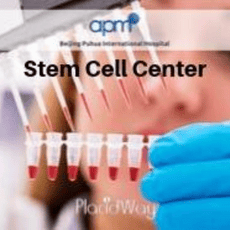
Beijing Puhua International Hospital- Stem Cell Center


Overview
Beijing Puhua International Hospital (BPIH) features a dedicated Stem Cell Center, where a team of highly educated and experienced scientists and technicians are working on the research and development of stem cell technology to restrict the development of several degenerative diseases like Parkinson’s, ALS, Batten, Multiple Sclerosis and more.
Read more details
Hebei Yanda International Hospital
Overview
Hebei Yanda International Hospital in Beijing, China, addresses your healthcare needs with expert oncology, cardiology, and neurology treatments.
Read more details
 95.65% Patient Recommend
Beijing Puhua International Hospital


Overview
Beijing Puhua International Hospital (BPIH), located in the heart of Beijing's cultural center, has been delivering international-standard healthcare since 1995. Learn about the stem-cell and cancer hospital here.
Read more details
International Hospital of Peking University
Overview
Peking University International Hospital in Beijing offers top multispecialty care, including surgery, cancer treatment, orthopedics, dentistry, and more.
Read more detailsDiscover your treatment options with a free, no-obligation quote!
Get your quote now!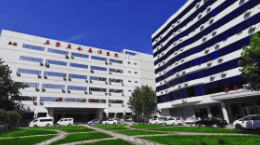
Shijiazhuang Hetaiheng Kidney Hospital
Overview
Founded in 1986, Shijiazhuang Hetaiheng Kidney Hospital is a specialty hospital for kidney disease with traditional Chinese medicine (TCM).
Read more detailsBeijing Puhua International Hospital- Diabetes
A large number of people are being diagnosed with type 1 diabetes and the numbers are rapidly increasing over time. Beijing Puhua International Hospital brings the best treatment of diabetes with stem cell therapy in Beijing, China.


copy.png)
Authored by
Usama Ahmad
Medical content writer with 5+ years of experience specializing in stem cells and regenerative medicine content.

Reviewed by
Dr. Alejandro Fernando
Dr. Alejandro Fernando is a top stem cell specialist in Mexico City, specializing in regenerative medicine, cellular therapies, and chronic disease treatment and Medical Content Reviewer
Last updated on
Which are the best clinics for Stem Cell Treatment for ALS in China?
For Stem Cell Treatment for ALS in China, two prominent and highly-regarded facilities are Hebei Yanda International Hospital and Beijing Puhua International Hospital, both located in Beijing. These centers are recognized for their commitment to advanced therapies and comprehensive patient care, with Beijing Puhua specifically noted for its positive patient recommendations and experienced specialists in regenerative medicine.
When considering the best clinics in China for Amyotrophic Lateral Sclerosis (ALS) using stem cell therapy, Hebei Yanda International Hospital and Beijing Puhua International Hospital stand out. These institutions in Beijing focus on neurological treatments and regenerative medicine. Beijing Puhua International Hospital, for instance, has a strong track record of positive patient experiences, indicated by a high patient recommendation rate and numerous reviews. Both facilities are equipped to provide specialized care, emphasizing the importance of advanced therapeutic approaches for complex neurodegenerative conditions like ALS.
What types of stem cells are primarily used in ALS treatments at Chinese clinics?
Chinese stem cell clinics specializing in ALS treatment commonly utilize mesenchymal stem cells (MSCs) and neural stem cells. MSCs are favored for their immunomodulatory and regenerative properties, while neural stem cells are explored for their potential to replace damaged neurons and support existing neural tissue. These specific cell types are chosen for their therapeutic potential in neurodegenerative conditions.
Clinics in China involved in Stem Cell Treatment for ALS often concentrate on specific types of stem cells to maximize therapeutic benefits.
- Mesenchymal Stem Cells (MSCs): These are frequently derived from sources like umbilical cord tissue, adipose tissue, or bone marrow. MSCs are known for their ability to modulate the immune system, reduce inflammation, and promote tissue repair, which are crucial for slowing ALS progression and managing symptoms.
- Neural Stem Cells (NSCs): While more complex to harvest and cultivate, NSCs hold promise for directly replacing or supporting motor neurons affected by ALS. Research in China is ongoing to harness their neuroregenerative potential.
How do ALS clinics in China ensure patient safety during stem cell therapy?
Patient safety in Chinese ALS clinics is a top priority, ensured through stringent screening, standardized treatment protocols, and continuous monitoring. Clinics adhere to international quality standards for cell processing and administration, focusing on minimizing risks associated with the advanced nature of regenerative medicine for neurological disorders.
Ensuring patient safety is paramount for any advanced medical procedure, especially stem cell treatment for neurological conditions like ALS. Chinese ALS clinics implement several measures:
- Rigorous Patient Screening: Comprehensive medical evaluations are conducted to determine patient suitability, including detailed diagnostic tests and assessment of overall health to prevent complications.
- Sterile Cell Processing: Stem cells are processed in state-of-the-art laboratories under strict aseptic conditions to prevent contamination and ensure cell viability and purity.
- Standardized Protocols: Treatment plans and cell administration methods follow established, scientifically-backed protocols to ensure consistency and minimize risks.
- Post-Treatment Monitoring: Patients receive close medical supervision after infusions, with ongoing assessment for any adverse reactions or changes in their condition.
What kind of patient support services can I expect from an ALS clinic in China?
ALS clinics in China typically offer extensive patient support, including personalized care plans, language assistance, and logistical aid. They aim to make the patient journey smooth and comfortable, providing assistance with accommodation, transportation, and dedicated patient coordinators throughout the treatment process for those seeking advanced neurological regenerative therapies.
For international patients, comprehensive support services are vital. ALS clinics in China often provide:
- Personalized Care Plans: Tailored treatment strategies are developed based on individual patient needs, encompassing medical, rehabilitative, and supportive care aspects.
- Language and Communication Support: Many clinics offer multilingual staff or professional translation services to bridge communication gaps between patients and medical teams.
- Logistical Assistance: This often includes help with travel arrangements, airport transfers, local transportation, and securing suitable accommodation near the medical facility.
- Dedicated Patient Coordinators: A dedicated staff member typically guides patients through every step, from initial inquiry and scheduling to post-treatment follow-ups, ensuring a seamless experience.
Are ALS clinics in China involved in ongoing research and clinical trials?
Yes, leading ALS clinics in China are actively engaged in innovative research and various clinical trials focused on advancing stem cell therapies for neurodegenerative diseases. Their involvement ensures patients may have access to cutting-edge treatments and contributes significantly to the global understanding and development of regenerative medicine for ALS.
Many specialized ALS clinics in China are at the forefront of regenerative medicine and actively participate in advancing the field.
- Clinical Trials: These clinics frequently host or collaborate on clinical trials, exploring new stem cell delivery methods, different cell types, and combination therapies to enhance efficacy and safety for ALS patients.
- Academic Partnerships: Strong ties with universities and research institutions foster a dynamic environment for scientific discovery and the translation of laboratory findings into clinical applications.
- Innovations in Therapy: By participating in research, these facilities contribute to refining existing stem cell protocols and developing next-generation treatments, offering hope for improved patient outcomes in neurodegenerative disorders.
What are the long-term follow-up care options for ALS patients treated in Chinese clinics?
Chinese ALS clinics typically offer structured long-term follow-up care, which can include remote consultations, monitoring disease progression, and advising on ongoing supportive treatments. This ensures continued support and assessment of the stem cell therapy's impact on neurological health, crucial for managing a complex condition like ALS effectively after discharge.
Long-term care is crucial for managing a progressive disease like ALS. Clinics in China understand this and provide:
- Remote Consultations: Many facilities offer teleconsultations, allowing patients to communicate with their medical team from their home country to discuss progress and concerns.
- Progress Monitoring: Guidance on local diagnostic tests and regular reporting of results helps the clinic track the patient's neurological status and the long-term effects of the stem cell intervention.
- Personalized Recommendations: Physicians may provide ongoing advice regarding rehabilitation, nutritional support, medication adjustments, and lifestyle changes to support sustained well-being.
- Access to Updates: Patients are often informed about new developments in ALS treatment and research, maintaining a connection to the latest advancements in regenerative medicine.
Do ALS treatment centers in China offer integrative therapies alongside stem cells?
Many ALS treatment centers in China adopt an integrative approach, combining stem cell therapy with complementary treatments such as rehabilitation, acupuncture, and traditional Chinese medicine. This holistic strategy aims to enhance overall patient well-being, mitigate symptoms, and potentially improve the effectiveness of regenerative medicine for neurodegenerative conditions.
To provide comprehensive care for ALS patients, many Chinese clinics integrate various therapeutic modalities:
- Physical Therapy and Rehabilitation: Essential for maintaining muscle function, improving mobility, and managing physical symptoms.
- Nutritional Support: Tailored dietary plans and supplements are often recommended to address specific needs and support cellular health.
- Traditional Chinese Medicine (TCM): Some clinics incorporate elements like acupuncture, herbal medicine, or massage therapy to complement conventional treatments and improve overall vitality.
- Occupational Therapy: Helps patients adapt to daily living challenges, maintaining independence and improving quality of life.
What qualifications should I look for in an ALS clinic in China?
When choosing an ALS clinic in China, prioritize facilities with international accreditations, extensive experience in neurological disorders and regenerative medicine, and clear ethical guidelines. Look for transparent reporting of patient outcomes, robust safety protocols, and a multidisciplinary team to ensure high-quality and reliable care for complex conditions.
Selecting the right ALS clinic for advanced neurological regenerative treatment in China involves considering several key qualifications:
- Accreditation and Licensing: Verify that the clinic holds official licenses and accreditations from relevant Chinese health authorities, and ideally, international bodies that uphold high standards of medical practice.
- Specialization and Experience: The clinic should have a demonstrated focus and extensive experience in treating neurological disorders, particularly ALS, with a track record in stem cell research and application.
- Ethical Practices: Ensure the clinic adheres to strict ethical guidelines regarding stem cell sourcing, processing, and patient consent.
- Multidisciplinary Team: A comprehensive team including neurologists, stem cell specialists, rehabilitation therapists, and nursing staff indicates a holistic approach to patient care.
- Infrastructure: Modern facilities, advanced diagnostic equipment, and state-of-the-art laboratories for stem cell preparation are vital.
How do Chinese ALS clinics manage the ethical considerations of stem cell therapy?
Chinese ALS clinics navigate ethical considerations by adhering to national regulations and emphasizing informed consent, transparent communication, and patient-centric care. They ensure that patients are fully aware of the therapy's experimental nature, potential benefits, and risks, maintaining ethical integrity throughout the neurological regenerative treatment process.
Ethical considerations are critical in stem cell therapy, especially for complex neurodegenerative diseases like ALS. Chinese clinics address these by:
- Strict Regulatory Compliance: Operating within the framework of national health regulations and guidelines for stem cell research and clinical application.
- Informed Consent: Ensuring that patients and their families receive detailed information about the treatment, including its status, expected outcomes, and any potential risks, before consenting to therapy. This process is thorough and respectful of patient autonomy.
- Transparency: Openly discussing the origin of stem cells, the methods of preparation, and the administration procedures.
- Patient Welfare Priority: Placing the patient’s well-being at the forefront, with medical decisions guided by the best interests of the individual, not solely by potential scientific advancements.
What is the typical patient journey like at an ALS clinic in China?
The patient journey at an ALS clinic in China typically begins with a thorough diagnostic assessment, followed by a personalized stem cell treatment plan. It then proceeds with cell administration, intensive rehabilitation, and extensive post-treatment follow-up, ensuring a comprehensive and supportive experience for individuals seeking advanced neurological care.
For individuals seeking Stem Cell Treatment for ALS in China, understanding the typical patient journey is helpful:
- Initial Consultation & Evaluation: This involves reviewing medical history, current condition, and diagnostic tests (MRI, EMG, etc.) to confirm diagnosis and assess suitability for stem cell therapy. Some clinics offer remote consultations for this first step.
- Personalized Treatment Plan: Based on the evaluation, a customized treatment protocol is developed, outlining the type of stem cells, dosage, administration route, and duration of therapy.
- Pre-treatment Preparation: Patients may undergo specific preparations like detox protocols or receive supportive medications.
- Stem Cell Administration: This typically involves intravenous infusions, intrathecal injections (into the spinal fluid), or local injections, depending on the treatment plan.
- Rehabilitation & Supportive Care: During and after cell administration, patients often engage in physical therapy, occupational therapy, and other integrative treatments to maximize functional improvements.
- Discharge & Follow-up: Upon discharge, patients receive detailed instructions for home care and participate in a structured long-term follow-up program, often involving remote check-ups.
How PlacidWay helps individuals access Stem Cell Treatment for ALS in China?
PlacidWay provides detailed, up-to-date information about Stem Cell Treatment for ALS, including benefits, risks, and expected outcomes, ensuring you have all the facts to make an informed choice. We help users compare various clinics in China, highlighting their specializations, accreditations, and patient testimonials to find affordable options without compromising on quality. PlacidWay assists users in finding trusted, accredited clinics and medical professionals specializing in Stem Cell Treatment for ALS in China, ensuring you connect with top-tier facilities. We offer one-on-one consultations to help users make informed decisions about their treatment, ensuring their specific needs are met with personalized guidance. PlacidWay ensures continued support after the treatment, including coordinating follow-up care and recovery assistance, so you never feel alone in your health journey. Ready to get Stem Cell Treatment for ALS in China? Contact us today for a personalized consultation.Share with AI
Share this page with AI assistants to get summaries and insights


List of Best Stem Cell Treatment for ALS Clinics in China
Explore Stem Cell Treatment for ALS: Stories, Testimonials, and Procedures
Watch in-depth videos covering everything from Stem Cell Treatment for ALS success stories to detailed procedure explanations. Learn what to expect and hear from real patients.
Can Stem Cell Treatment in Bangkok, Thailand Replace Surgery Explained by EDNA Wellness?
Stem Cell Therapy
EDNA Wellness - Surgeon-Led Stem Cell Clinic in Bangkok Thailand
Bangkok, Thailand
Is Stem Cell Therapy Really Safe in Bangkok Thailand Explained by EDNA Wellness
Stem Cell Therapy
EDNA Wellness - Surgeon-Led Stem Cell Clinic in Bangkok Thailand
Bangkok, Thailand
Stem Cell Therapy in Thailand: Real Patient Results Speak for Themselves at EDNA Wellness
Stem Cell Therapy
EDNA Wellness - Surgeon-Led Stem Cell Clinic in Bangkok Thailand
Bangkok, Thailand

Revitalize Your Regenerative Medicine Clinic with PlacidWay's Proven Marketing Solutions
Stem Cell Therapy
PlacidWay Medical Tourism
Denver, United States
Unlock the Best Stem Cell Treatment for ALS Packages Just for You
Discover the ultimate Stem Cell Treatment for ALS packages designed to meet your health and wellness goals. Choose the perfect fit for your journey.

Price starting from $6,000
Most Affordable Stem Cell Treatment for Eye Diseases in Beijing, China
PlacidWay China Medical Tourism
- Stem Cell Therapy
Beijing, China

Price starting from $8,000
Effective Stem Cell Treatment for ALS Package in India
PlacidWay India Medical Tourism
- Stem Cell Therapy
Mumbai, India

Price starting from $10,000
BPIH Brings Stem Cell Therapy for Anti Aging in Beijing, China
Beijing Puhua International Hospital
- Stem Cell Therapy
Beijing, China

Price starting from $15,000
The Best Stem Cell Treatment for Cerebral Palsy in Beijing, China
PlacidWay China Medical Tourism
- Stem Cell Therapy
Beijing, China
Transformative Stem Cell Treatment for ALS Experiences: Dive into Procedure Insights
Discover the power of Stem Cell Treatment for ALS through compelling patient experiences. Uncover detailed insights into procedures, recovery journeys, and life-changing results.
.png)
Price starting from $12,800
Stem Cell Therapy for Alzheimer’s Disease in Kuala Lumpur, Malaysia
- Stem Cell Treatment for Alzheimers Disease, Stem Cell Therapy
Kuala Lumpur, Malaysia
.png)
Price starting from $9,800
Stem Cell Therapy for Dementia in Kuala Lumpur, Malaysia
- Stem Cell Therapy
Kuala Lumpur, Malaysia
.png)
Stem Cell for Knee Osteoarthritis in Osaka, Japan
- Stem Cell Therapy for Osteoarthritis, Stem Cell Therapy
Osaka, Japan
.png)
Price starting from $10,000
Stem Cell Therapy for Diabetes in Tokyo, Japan
- Stem Cell Treatment for Diabetes, Stem Cell Therapy
Tokyo, Japan








If experience was a disaster & I won’t be proceeding with your services. At first I was lead to believe that I’d be holding an online meeting with a doctor, the meeting was not with the Doctor. Instead it was with the doctors sister, Cecilia. I said to Cecilia that I wanted multiple questions answered, Cecilia was unable to do that. I said I’d send out my questions via email. I do so on March 28, 2026. To date, I’ve received zero feedback. Your Mexican operation appears to be a disaster! If this is your treatment of clients BEFORE your service, I’d hate to see during & after.
Read More