


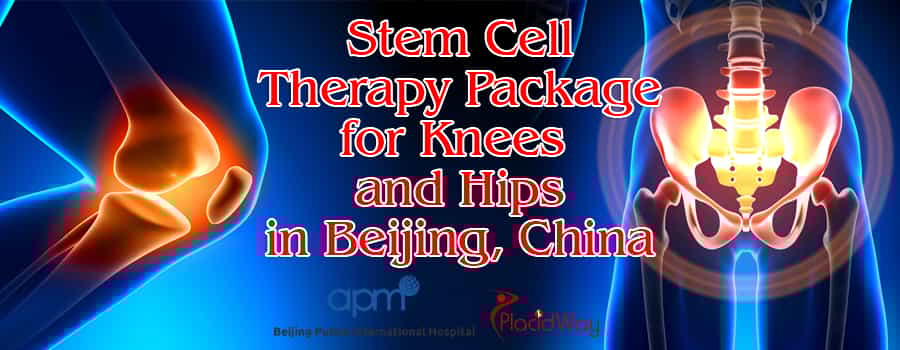
Stem Cell Therapy Package for Knees and Hips in Beijing, China
Securing a highly effective Stem Cell Therapy Package for Knees and Hips in Beijing, China is a transformative step for individuals suffering from chronic joint pain, osteoarthritis, and mobility limitations. At Beijing Tiantan Puhua International Hospital, Ltd., patients receive state-of-the-art regenerative treatments for just $3425, combining advanced medical science with incredible affordability. This innovative approach harnesses the body's natural healing mechanisms to repair damaged cartilage and reduce severe joint inflammation.
Choosing Beijing, China, for your orthopedic regenerative medicine needs allows you to access internationally trained specialists and cutting-edge biotechnology facilities. Instead of opting for invasive joint replacement surgeries with long, painful recovery periods, international patients are increasingly discovering the immense benefits of undergoing stem cell therapy in this globally recognized medical hub. The comprehensive care protocols ensure that you receive personalized attention, maximizing the potential for restored joint function and a renewed, pain-free lifestyle.
- Cost-Effective Treatment: The procedure is available for an exceptional price of $3425, offering massive savings compared to Western healthcare systems.
- Minimally Invasive Solution: This therapy provides a robust alternative to invasive hip and knee replacement surgeries, significantly reducing physical trauma.
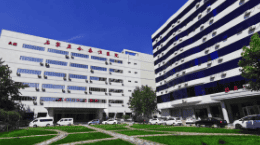
- Advanced Medical Infrastructure: Beijing Tiantan Puhua International Hospital, Ltd. features state-of-the-art laboratories strictly adhering to international medical standards.
- Accelerated Recovery Time: Patients typically experience faster healing and minimal downtime, allowing a quicker return to normal daily activities.
- Expert Regenerative Specialists: Benefit from the extensive expertise of highly trained doctors who specialize in administering targeted joint stem cell injections.
Comparing the Cost of Stem Cell Therapy for Knees and Hips in Beijing, China vs Other Countries
One of the most compelling reasons international patients seek regenerative care in Asia is the significant financial advantage. The cost of a Stem Cell Therapy Package for Knees and Hips in Beijing, China is priced competitively at just $3425, allowing patients to access top-tier medical innovations without the exorbitant fees typically charged in North America or Europe.
This dramatic price difference is largely due to lower administrative and operational costs in the Chinese healthcare sector, not a reduction in medical quality. Below is a clear comparison demonstrating the incredible savings you can achieve by selecting this renowned facility in Beijing for your joint regeneration needs.
| Country | Average Procedure Cost | Estimated Savings |
|---|---|---|
| Beijing, China | $3425 | - |
| United States | $12,000 - $15,000 | Up to 75% |
| United Kingdom | $9,000 - $11,000 | Up to 65% |
| Australia | $10,000 - $12,000 | Up to 70% |
Note: The prices listed above are estimates. Final costs may vary depending on the specific complexity of the procedure, the precise condition of the patient's joints, and any additional localized treatments required.
What’s Included in the Stem Cell Therapy Package for Knees and Hips
Understanding what your investment covers is crucial when planning your medical journey. The clinic ensures maximum transparency, offering a highly comprehensive package designed to support your joint regeneration from start to finish. Below is a detailed list of what you can expect to receive.
- Comprehensive Medical Consultation: Thorough pre-procedure evaluations with leading orthopedic and stem cell specialists to assess your joint health.
- Stem Cell Extraction and Preparation: Laboratory processing and culturing of high-quality stem cells using advanced biotechnology protocols.
- Targeted Joint Injections: The precise administration of stem cell therapy into the affected knees and hips using ultrasound or fluoroscopic guidance.
- Standard Clinical Fees: All immediate clinic fees, including the use of procedure rooms, medical equipment, and nursing staff during the injection process.
- Basic Pre-Operative Blood Tests: Necessary laboratory screenings required to ensure patient safety before proceeding with the regenerative treatment.
- Post-Procedure Follow-Up: Initial post-treatment consultations to monitor immediate joint response and provide tailored recovery guidelines.
What’s Not Included in the Joint Regeneration Package
While the primary medical costs are well-covered, patients must be aware of their personal responsibilities regarding travel and supplementary logistics. To help you plan an accurate budget for your medical trip to China, please review the specific exclusions outlined by the hospital.
- International Airfare: Flight tickets to and from Beijing, China, are the sole responsibility of the patient.
- Hotel Accommodation: Lodging expenses before, during, and after the treatment are not part of the medical package pricing.
- Ground Transportation: Airport transfers, taxi fares, and daily commuting to the clinic must be arranged independently.
- Meals and Personal Expenses: Food and beverages outside of the clinic, as well as personal tourism spending, are excluded.
- Visa Processing Fees: Costs associated with obtaining a medical or tourist visa to enter China are not covered.
- Medical Travel Insurance: Comprehensive insurance covering unforeseen medical emergencies or travel disruptions must be purchased separately.
Understanding Stem Cell Therapy for Knees and Hips in Beijing, China
Regenerative medicine has revolutionized the way we approach joint degeneration. Stem Cell Therapy Package for Knees and Hips in Beijing, China focuses on utilizing the unique properties of stem cells to repair tissue, reduce inflammation, and delay or entirely avoid joint replacement surgeries.
The procedures performed at Beijing Tiantan Puhua International Hospital, Ltd. leverage both autologous (derived from the patient) and allogeneic (donor-derived) cells. These cells possess the extraordinary ability to transform into specialized cells, such as chondrocytes (cartilage cells), fostering an environment highly conducive to natural biological healing.
- Primary Purpose: The core objective is to relieve severe chronic joint pain, repair damaged cartilage, and restore mobility to hips and knees affected by wear and tear or osteoarthritis.
- How It Works: Stem cells are strategically injected directly into the joint capsule, where they release growth factors and anti-inflammatory proteins that stimulate tissue regeneration.
- Types of Stem Cells Used: Mesenchymal Stem Cells (MSCs) are primarily used due to their strong immunomodulatory properties and high capacity for cartilage repair.
- Outpatient Convenience: The therapy is generally performed as a minimally invasive outpatient procedure, avoiding the need for prolonged hospitalization or general anesthesia.
- High Success Rates: Patients frequently report significant reductions in pain and improvements in joint function within a few weeks to months, making the success rate highly favorable compared to traditional pain management.
- Long-Term Benefits: Unlike corticosteroid injections that merely mask pain temporarily, regenerative cellular therapy aims to tackle the root cause of joint deterioration, promoting lasting relief.
Who Is the Ideal Candidate for Regenerative Joint Therapy in China?
While stem cell treatments offer remarkable benefits, not every patient is perfectly suited for this specific intervention. Medical professionals in Beijing conduct stringent evaluations to ensure the therapy will yield the best possible outcome for your unique joint condition.
The ideal candidates for a Stem Cell Therapy Package for Knees and Hips in Beijing, China are individuals who have exhausted conventional pain management strategies but wish to avoid the permanence and risks associated with major joint replacement surgeries.
- Osteoarthritis Sufferers: Individuals diagnosed with mild to moderate osteoarthritis in the knees or hips who experience daily discomfort and stiffness.
- Failed Conservative Therapy: Patients who have found no long-term relief from physical therapy, NSAIDs, or traditional cortisone injections.
- Those Seeking Alternatives to Surgery: Patients who want to delay or completely prevent the need for total hip or knee replacement procedures.
- Relatively Healthy Individuals: Candidates should be in good general health, free from active systemic infections or blood-borne diseases that could compromise the healing process.
- Patients with Cartilage Injuries: Individuals suffering from localized cartilage defects, meniscal tears, or early-stage degenerative joint disease.
- Realistic Expectation Holders: Patients who understand that cellular regeneration is a gradual biological process requiring patience over several weeks or months.
Day-by-Day Itinerary for Your Joint Stem Cell Procedure in Beijing
Traveling for a medical procedure requires a structured plan to ensure peace of mind. Beijing Tiantan Puhua International Hospital, Ltd. organizes a streamlined and efficient process for international visitors undergoing joint regeneration.
The timeline for your Stem Cell Therapy Package for Knees and Hips in Beijing, China is carefully designed to balance thorough medical attention with necessary rest, ensuring optimal cellular uptake and patient comfort.
- Day 1: Arrival and Initial Consultation: You arrive in Beijing, settle in, and attend your primary consultation involving a review of medical history, physical examination, and required diagnostic imaging (X-rays or MRIs).
- Day 2: Pre-Treatment Screening: Completion of any remaining comprehensive blood tests and specific joint assessments to finalize the precise injection strategy and stem cell dosage.
- Day 3: The Stem Cell Procedure: The core therapy day. Stem cells are meticulously prepared in the laboratory and injected into the target knee or hip joints using advanced image-guidance technology.
- Day 4: Observation and Rest: A mandatory day of rest. Patients are advised to keep weight off the treated joints while the medical team monitors for any immediate, albeit rare, adverse reactions.
- Day 5: Final Follow-up and Discharge: A concluding consultation with the specialist to assess joint mobility, discuss post-treatment physical therapy routines, and clear you for safe travel back home.
What to Expect from Your Stem Cell Therapy Package for Knees and Hips in Beijing, China?
Opting for a Stem Cell Therapy Package for Knees and Hips in Beijing, China sets the stage for a progressive journey toward pain relief. Immediately following the injections, it is entirely normal to experience mild swelling, stiffness, or localized soreness at the injection site. This is a typical inflammatory response as the active cells begin the biological repair process inside the joint capsule.
Within the first three to six weeks, patients typically report a noticeable decrease in joint pain and inflammation. As the weeks progress into months, the regenerative properties of the stem cells foster new tissue growth and improve joint lubrication. Expect an enhanced range of motion, allowing you to walk, climb stairs, and engage in daily activities with significantly less discomfort than before.
Overall patient satisfaction for this procedure is remarkably high, particularly because it eliminates the prolonged, painful rehabilitation associated with invasive surgery. Most individuals achieve their peak therapeutic benefits between three to six months post-procedure, enjoying sustained joint health that radically transforms their daily quality of life.
Post-Procedure Recovery Tips for Orthopedic Patients in Beijing
While stem cell treatments are minimally invasive, strict adherence to post-care protocols is vital for achieving the best regenerative outcomes. The period immediately following your Stem Cell Therapy Package for Knees and Hips in Beijing, China dictates how well the cells integrate and repair the joint tissue.
Your medical team will provide a customized rehabilitation plan. To ensure optimal healing and long-term joint health, patients are highly encouraged to follow these essential recovery guidelines.
- Immediate Rest: Keep weight-bearing activities to an absolute minimum for the first 48 to 72 hours, using crutches or a cane if treating the hips or knees.
- Avoid Anti-Inflammatory Drugs: Refrain from taking NSAIDs (like Ibuprofen) for several weeks, as the initial natural inflammatory response is crucial for the stem cells to activate effectively.
- Gentle Mobilization: Begin with very light, non-weight-bearing joint movements (like gentle stretching) after the first few days to maintain joint flexibility without causing strain.
- Structured Physical Therapy: Engage in a tailored physiotherapy program about two to three weeks post-treatment to strengthen the surrounding muscles and support the newly healing joint.
- Healthy Diet and Hydration: Maintain a nutrient-rich diet and stay highly hydrated to provide your body with the fundamental building blocks necessary for cellular regeneration.
- Follow-Up Communication: Keep regular virtual follow-up appointments with your specialist in Beijing to track progress and adjust rehabilitation exercises safely.
Why Choose Beijing Tiantan Puhua International Hospital, Ltd. for Stem Cell Joint Therapy?
Selecting the right clinical facility is the most critical decision in your medical journey. Beijing Tiantan Puhua International Hospital, Ltd. stands out as a premier destination for a Stem Cell Therapy Package for Knees and Hips in Beijing, China, combining elite medical talent with compassionate patient care.
The hospital has built a sterling reputation among international patients seeking reliable, ethical, and advanced regenerative medicine. Below are the key advantages of selecting this esteemed institution for your joint therapy needs.
- Decades of Excellence: The hospital possesses a long-standing history of pioneering advanced neurological and orthopedic regenerative treatments in Asia.
- Internationally Trained Specialists: The multidisciplinary team includes top-tier physicians, many of whom have trained or practiced at leading global healthcare institutions.
- Dedicated International Department: They offer specialized services for overseas patients, including fluent English-speaking staff and comprehensive medical coordination.
- Advanced Laboratory Facilities: The clinic utilizes highly sophisticated, heavily regulated in-house stem cell cultivation labs ensuring maximum cell viability and safety.
- Strict Quality Control: Adhering to rigorous international safety and sterilization protocols, the hospital guarantees the highest standard of procedural safety.
- Comprehensive Care Approach: The hospital evaluates the patient holistically, ensuring that stem cell treatments are paired with targeted rehabilitation advice for total joint recovery.
Explore Beijing, China While You Recover: Top Attractions for Regenerative Medicine Patients
Undergoing a Stem Cell Therapy Package for Knees and Hips in Beijing, China offers the unique opportunity to experience one of the world’s most historically rich cities. Since the procedure is minimally invasive, you can enjoy low-impact sightseeing during your recovery period.
While strenuous hiking is strictly off-limits post-injection, Beijing offers numerous accessible attractions that can be comfortably enjoyed via scenic drives or gentle, short walks. Here are some highly recommended, patient-friendly cultural experiences.
- The Forbidden City: Marvel at this massive ancient palace complex; many areas are flat and accessible, making for a gentle, awe-inspiring cultural stroll.
- Temple of Heaven Park: Enjoy the serene, beautifully landscaped flat grounds surrounding this imperial complex, perfect for quiet relaxation and gentle recovery walks.
- National Museum of China: Spend a leisurely afternoon exploring the extensive indoor exhibits showcasing Chinese history in a climate-controlled, highly accessible environment.
- Scenic Hutong Pedicab Tours: Experience the traditional alleyways of old Beijing without stressing your joints by taking a comfortable, guided rickshaw or pedicab tour.
- The Summer Palace: While some areas are hilly, the lakeside walkways offer beautiful, flat terrain where you can sit, relax, and take in the stunning imperial garden architecture.
FAQs About Stem Cell Therapy for Knees and Hips in Beijing, China
Is the Stem Cell Therapy Package for Knees and Hips in Beijing, China safe for international patients?
Yes, it is highly safe. The procedure is performed at Beijing Tiantan Puhua International Hospital, Ltd., which strictly complies with international medical and biological safety standards, ensuring sterile cell processing and safe injection protocols.
How long does the stem cell joint treatment take in Beijing?
The actual injection process typically takes only a few hours on an outpatient basis. However, international patients are advised to stay in Beijing for approximately 5 to 7 days to complete thorough pre-evaluations and post-procedure observation.
Will the stem cell injections for my knees hurt?
Discomfort is minimal. Local anesthesia is used to numb the injection site. Patients may feel mild pressure during the injection and temporary soreness for a few days following the procedure, which is a normal healing response.
How much does regenerative therapy for hips and knees cost in China?
The comprehensive medical package at this leading clinic is priced at an incredibly affordable $3425, offering extensive financial savings compared to Western clinics while maintaining high-quality care.
How quickly will I see results after my stem cell hip treatment in Beijing?
While a few patients experience relief in weeks, biological tissue repair takes time. The most significant improvements in pain reduction and joint mobility generally become evident between three to six months post-treatment.
Can I walk normally after receiving stem cells in my joints?
You will be able to walk, but doctors strongly advise minimizing weight-bearing activities for the first 48 to 72 hours. Using a cane or crutches temporarily helps ensure the stem cells settle and activate properly without undue stress.
Is there an age limit for undergoing stem cell therapy in Beijing, China?
There is no strict age limit; candidacy is determined by your overall health and the specific condition of your joints rather than age. Elderly patients with osteoarthritis frequently achieve excellent results.
Do I need to undergo general anesthesia for this orthopedic procedure?
No, general anesthesia is not required. The targeted joint stem cell therapy is performed using local anesthetics, making it much safer and eliminating the prolonged grogginess and risks associated with general anesthesia.
Why is Beijing a preferred destination for joint regenerative medicine?
Beijing seamlessly combines highly affordable treatment prices, advanced biotechnical research, state-of-the-art medical facilities, and globally trained experts, making it a premier destination for cutting-edge regenerative healthcare.
Empower Your Future with PlacidWay
Taking the first step toward a pain-free life is crucial. PlacidWay simplifies your journey by connecting you seamlessly with premier global healthcare providers for your regenerative medical needs. Here is how we facilitate your access to a Stem Cell Therapy Package for Knees and Hips in Beijing, China:
- Direct Clinic Coordination: We bridge the gap between you and Beijing Tiantan Puhua International Hospital, Ltd., ensuring smooth and direct communication with medical specialists.
- Transparent Pricing Details: We provide absolute clarity on the $3425 package costs, guaranteeing you understand exactly what your medical investment covers without hidden clinic fees.
- Seamless Medical Record Transfer: PlacidWay securely facilitates the transfer of your X-rays, MRIs, and medical history to the specialists in China for accurate pre-evaluations.
- Personalized Free Quotes: Our platform offers customized, no-obligation medical quotes tailored specifically to your exact orthopedic condition and regenerative needs.
- Dedicated Patient Support: From your initial inquiry to final clinic booking, our team provides continuous guidance, helping you navigate international medical forms and clinic requirements.
.png)


.png)










Share this listing