
What treatment


2+ Best Clinics for Stem Cell Treatment for Anemia in Japan
Trusted Medical Tourism Platform Since 2007
What are the best stem cell therapy clinics for anemia in Japan?
The top stem cell therapy clinics for anemia in Japan are HELENE Stem Cell Clinic (Tokyo), Cell Grand Clinic (Osaka), and Clinique Haru (Osaka).
These facilities strictly adhere to Japan's Ministry of Health regulations and utilize hematopoietic stem cells (HSCs) and mesenchymal stem cells (MSCs). Alongside aplastic anemia, these clinics treat conditions such as diabetes, osteoarthritis, neurological diseases, and anti-aging. Depending on the specific protocol and facility, comprehensive stem cell treatment packages in Japan range from $10,000 to $68,000 USD.
 100.00% Patient Recommend
Cell Grand Clinic - Best Stem Cell Clinic in Japan


Overview
Explore Cell Grand Clinic, the best stem cell clinic in Japan specializing in top regenerative therapies for anti-aging, chronic conditions, and wellness.
Read more details

 82.81% Patient Recommend
HELENE - Stem Cell Clinic
Overview
Japan Regenerative Medicine Leading Brand With over a decade of experience and more than 17,000 treated patients. Providing cutting-edge stem cell therapies tailored to various health concerns.
Read more details


Clinique Haru Osaka Umeda - Japan Stem Cell Treatment
Overview
Clinique Haru Osaka Umeda specializes in Japan stem cell treatments for joint and musculoskeletal conditions using advanced regenerative medicine.
Read more details 100.00% Patient Recommend
Azabu Skin Clinic - Dermatology and Stem Cell Therapy in Japan
Overview
Azabu Skin Clinic in Tokyo offers advanced stem cell treatments, regenerative treatments, dermatology, and aesthetic care. Book your consultation today.
Read more details

Discover your treatment options with a free, no-obligation quote!
Get your quote now!
Riso Clinic - Japan Stem Cell Therapy
Overview
Explore Japan stem cell therapy at Riso Clinic in Tokyo. Advanced regenerative treatments for knee osteoarthritis, joint injuries, and cartilage repair.
Read more details
copy.png)
Authored by
Usama Ahmad
Medical content writer with 5+ years of experience specializing in stem cells and regenerative medicine content.
Reviewed by
Dr. Alejandro Fernando
Dr. Alejandro Fernando is a top stem cell specialist in Mexico City, specializing in regenerative medicine, cellular therapies, and chronic disease treatment and Medical Content Reviewer
Last updated on
Which are the best clinics for Stem Cell Treatment for Anemia in Japan?
When exploring Stem Cell Treatment for Anemia in Japan, highly-regarded clinics include HELENE - Stem Cell Clinic in Tokyo and Cell Grand Clinic in Osaka. Both are recognized for their advanced regenerative medicine practices, specialized expertise in cellular therapies, and commitment to delivering innovative solutions for anemia within Japan's cutting-edge healthcare system. These clinics focus on patient-centric care and utilize modern protocols.
Japan is renowned for its advancements in regenerative medicine, making it a prime destination for specialized treatments like stem cell therapy for anemia. HELENE - Stem Cell Clinic in Tokyo offers extensive experience and personalized stem cell treatments. Meanwhile, Cell Grand Clinic in Osaka is noted for its cutting-edge regenerative approaches for various chronic conditions. Both facilities emphasize innovation, rigorous safety, and comprehensive patient support in their cellular therapy programs.
What factors should I consider when selecting a Stem Cell Treatment for Anemia clinic in Japan?
When choosing a Japanese stem cell clinic for anemia, look for specific accreditations, a strong focus on hematological stem cell applications, and transparent treatment protocols. It’s essential to verify their adherence to Japan's stringent regenerative medicine regulations. Also, consider patient testimonials and the clinic's track record in cellular therapies to ensure high-quality, safe, and effective anemia treatment tailored to your individual needs.
To pick a reliable clinic, check for national or international medical accreditations indicating high standards. Investigate the medical team’s specific expertise in treating blood disorders like anemia with stem cells. Ensure the clinic clearly outlines its procedures, from stem cell sourcing to administration. Reviewing previous patient experiences can provide valuable insight into the quality of care and potential outcomes, helping guide your decision.
How do Japanese clinics ensure patient safety for Stem Cell Treatment for Anemia?
Japanese Stem Cell Treatment for Anemia clinics prioritize patient safety through strict adherence to national regulations and ethical guidelines. This involves comprehensive screening of all stem cell sources, sterile processing within state-of-the-art laboratories, and meticulous adherence to clinical administration protocols. Continuous patient monitoring before, during, and after treatment is standard practice to promptly detect and manage any potential risks, ensuring safety in regenerative anemia therapies.
Patient safety is paramount in Japan's healthcare system. For stem cell treatments, clinics:
- Adhere strictly to Ministry of Health regulations.
- Rigorously screen all stem cell materials for safety and compatibility.
- Perform cell preparation and administration in highly sterile environments.
- Monitor patients continuously for any adverse reactions.
- Operate under the scrutiny of independent ethical committees.
What types of stem cells are commonly used for anemia treatment in Japan?
Japanese clinics primarily utilize hematopoietic stem cells (HSCs) and mesenchymal stem cells (MSCs) for anemia treatment. HSCs, often derived from bone marrow or umbilical cord blood, are crucial for regenerating healthy blood cells in severe anemia. MSCs, known for their regenerative and immunomodulatory properties, offer supportive benefits by improving the bone marrow environment and reducing inflammation, often complementing HSC-based therapies for a holistic regenerative approach.
The type of stem cells depends on the specific anemia. Hematopoietic Stem Cells (HSCs) are vital for severe blood disorders, forming all types of blood cells. They are usually sourced from bone marrow or umbilical cord blood. Mesenchymal Stem Cells (MSCs) support bone marrow function and modulate immunity, often used alongside HSCs to enhance recovery. Research into induced pluripotent stem cells (iPSCs) is also a significant focus for future therapies.
What does the patient journey entail for Stem Cell Treatment for Anemia in Japan?
The typical patient journey for Stem Cell Treatment for Anemia in Japanese clinics starts with a thorough diagnostic evaluation and personalized consultation. This leads to stem cell collection (if autologous) and meticulous preparation. The core treatment involves an intravenous infusion, conducted in a comfortable and monitored setting. Post-treatment, patients receive detailed recovery plans and ongoing monitoring, ensuring comprehensive care throughout their regenerative therapy experience.
The patient experience typically involves:
- An in-depth review of medical history and comprehensive diagnostic tests.
- A personalized treatment plan outlining stem cell type, dosage, and delivery.
- Sterile harvesting of stem cells (if autologous) and laboratory processing.
- Intravenous administration of stem cells, similar to a blood transfusion.
- A short recovery period, often with outpatient discharge.
How are personalized stem cell therapies for anemia tailored in Japanese clinics?
Japanese clinics specialize in tailoring stem cell therapy for anemia by meticulously evaluating each patient's unique genetic profile, specific anemia subtype, and overall health. This personalized approach utilizes advanced diagnostics to determine the ideal stem cell type, precise dosage, and optimal delivery method, aiming to maximize treatment efficacy and safety. Their goal is to address individual biological responses rather than a generic treatment plan for regenerative anemia solutions.
Personalized therapy is a core principle in Japanese regenerative medicine for anemia. This customization includes:
- Advanced genetic and bone marrow analyses for precise understanding of the anemia.
- Individualized selection of stem cell type (autologous or allogeneic HSCs/MSCs).
- Customized cell dosage and delivery methods based on patient characteristics.
- Dynamic monitoring and adjustment of the treatment plan as needed.
What kind of post-treatment follow-up can I expect from Japanese Stem Cell Treatment for Anemia clinics?
Following Stem Cell Treatment for Anemia in Japan, patients receive a structured follow-up plan crucial for monitoring their recovery and overall health. This plan typically involves regular blood tests to assess red blood cell counts and bone marrow function. Clinics also provide general health assessments and personalized lifestyle recommendations. For international patients, telehealth consultations are frequently offered, ensuring continuous medical support for sustained anemia improvement.
Comprehensive post-treatment care is essential for lasting recovery:
- Regular blood tests to closely monitor hemoglobin levels and blood cell counts.
- Scheduled clinical examinations to track overall health and recovery progress.
- Personalized lifestyle advice on nutrition and exercise to support healing.
- Telemedicine options provide convenient remote consultations for international patients.
What international patient support services are offered by Japanese stem cell clinics for anemia?
Top Japanese stem cell clinics provide extensive support for international patients seeking anemia treatment, including multilingual staff and translation services for seamless communication. They often assist with travel logistics such as visa processes, flight arrangements, and local transportation. Many facilities also offer dedicated patient coordinators who serve as a single point of contact, guiding individuals through their entire medical journey with cultural sensitivity and personalized assistance.
For international patients, clinics provide valuable assistance:
- Multilingual staff and professional interpreters facilitate clear communication.
- Help with visa applications, flight bookings, and local transfers.
- Guidance on finding suitable accommodation near the clinic.
- Dedicated patient coordinators manage appointments and paperwork.
What are the typical success rates reported by leading Japanese clinics for Stem Cell Treatment for Anemia?
Leading Japanese clinics report encouraging success rates for Stem Cell Treatment for Anemia, though outcomes vary significantly based on the specific anemia type, disease severity, and individual patient factors. For conditions like aplastic anemia, hematopoietic stem cell transplantation can achieve high success. Clinics focus on improving blood parameters, reducing transfusion dependency, and enhancing patients' overall quality of life through advanced, personalized regenerative therapies.
Success rates vary based on:
- Anemia Type: Specific forms like aplastic anemia respond well to HSCT.
- Patient Health & Age: Younger patients with fewer co-morbidities often see better results.
- Disease Stage: Earlier intervention typically yields more favorable outcomes.
- Clinic Expertise: Facilities like HELENE - Stem Cell Clinic and Cell Grand Clinic utilize advanced techniques and personalized care to maximize treatment efficacy.
How does advanced technology at Japanese Stem Cell Treatment for Anemia clinics contribute to better outcomes?
Advanced technology in Japanese Stem Cell Treatment for Anemia clinics is crucial for superior outcomes. It enables precise diagnostics, high-quality stem cell isolation and expansion in state-of-the-art laboratories, and safe, efficient delivery. Innovative imaging and real-time monitoring during procedures minimize risks and optimize therapeutic efficacy. This technological integration ensures the consistent delivery of cutting-edge regenerative solutions for patients seeking effective anemia treatment.
Technology significantly enhances the effectiveness of Japanese stem cell treatments for anemia:
- Accurate diagnostics through advanced genetic and molecular testing.
- Automated cell processing ensures high purity and viability of stem cells.
- Rigorous quality control safeguards cellular products.
- Precision delivery methods optimize cell placement.
- Continuous monitoring during and after treatment ensures patient safety.
How PlacidWay helps individuals access Stem Cell Treatment for Anemia in Japan?
PlacidWay provides detailed, up-to-date information about Stem Cell Treatment for Anemia, including its benefits, risks, and expected outcomes, empowering you to make informed choices. We help users compare treatments across various accredited clinics in Japan, ensuring you find affordable options without compromising on quality. PlacidWay assists in identifying trusted, accredited clinics and experienced medical professionals specializing in Stem Cell Treatment for Anemia in Japan. Our platform offers one-on-one consultations to help you make informed decisions, ensuring your specific needs are met. We also ensure continued support after your treatment, including follow-up care and recovery assistance. Ready to get Stem Cell Treatment for Anemia in Japan? Contact us today for a personalized consultation.Share with AI
Share this page with AI assistants to get summaries and insights


List of Best Stem Cell Treatment for Anemia Clinics in Japan
Explore Stem Cell Treatment for Anemia: Stories, Testimonials, and Procedures
Watch in-depth videos covering everything from Stem Cell Treatment for Anemia success stories to detailed procedure explanations. Learn what to expect and hear from real patients.
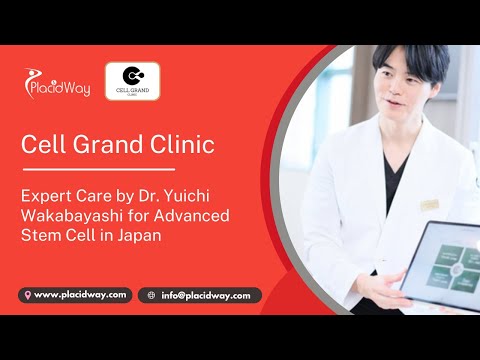
Expert Care by Dr. Yuichi Wakabayashi for Advanced Stem Cell in Japan at Cell Grand Clinic
Cancer Treatment
Cell Grand Clinic - Best Stem Cell Clinic in Japan
Osaka, Japan
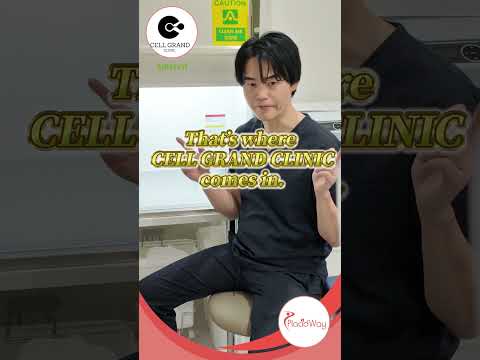
How Stem Cell Therapy Works at Cell Grand Clinic in Osaka, Japan
Cancer Treatment
Cell Grand Clinic - Best Stem Cell Clinic in Japan
Osaka, Japan
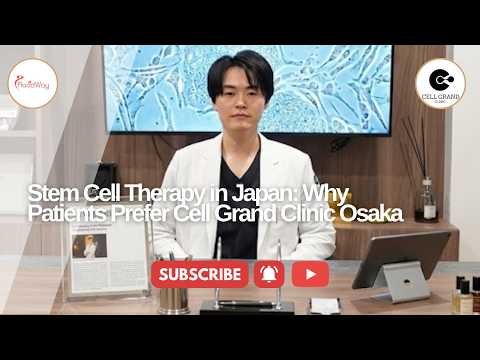
Stem Cell Therapy in Japan by Dr. Yuichi Wakabayashi: Why Patients Prefer Cell Grand Clinic Osaka
Cancer Treatment
Cell Grand Clinic - Best Stem Cell Clinic in Japan
Osaka, Japan

Safety of Stem Cell Therapy Explained by Cell Grand Clinic in Osaka, Japan
Cancer Treatment
Cell Grand Clinic - Best Stem Cell Clinic in Japan
Osaka, Japan
Unlock the Best Stem Cell Treatment for Anemia Packages Just for You
Discover the ultimate Stem Cell Treatment for Anemia packages designed to meet your health and wellness goals. Choose the perfect fit for your journey.
Price starting from $10,000
Stem Cell Therapy for Alzheimer’s Disease Package in Tokyo, Japan by HELENE Clinic
HELENE - Stem Cell Clinic
- Stem Cell Therapy
Tokyo, Japan

Price starting from $19,800
AGA/FAGA Stem Cell Therapy for Hair Loss Package in Osaka, Japan by Cell Grand Clinic
Cell Grand Clinic - Best Stem Cell Clinic in Japan
- Stem Cell Therapy
Osaka, Japan

Price starting from $19,800
Erectile Dysfunction Stem Cell Therapy Package in Osaka, Japan by Cell Grand Clinic
Cell Grand Clinic - Best Stem Cell Clinic in Japan
- Stem Cell Therapy
Osaka, Japan

Price starting from $10,000
Stem Cell Therapy for Heart Disease Package in Tokyo, Japan by HELENE Clinic
HELENE - Stem Cell Clinic
- Stem Cell Therapy
Tokyo, Japan
Transformative Stem Cell Treatment for Anemia Experiences: Dive into Procedure Insights
Discover the power of Stem Cell Treatment for Anemia through compelling patient experiences. Uncover detailed insights into procedures, recovery journeys, and life-changing results.
.png)
Price starting from $9,800
Stem Cell Therapy for Brain Injury in Kuala Lumpur, Malaysia
- Stem Cell Therapy for Brain Injury, Stem Cell Therapy
Kuala Lumpur, Malaysia
.png)
Price starting from $9,500
Stem Cell Therapy for Diabetes Bengaluru, India
- Stem Cell Treatment for Diabetes, Stem Cell Therapy
Bengaluru, India
.png)
Price starting from $9,800
Stem Cell for Spinal Cord Injury in Kuala Lumpur, Malaysia
- Stem Cell Treatment for Spinal Cord Injury, Stem Cell Therapy
Kuala Lumpur, Malaysia
.png)
Price starting from $2,250
Stem Cell Therapy for Meniscus Tear in Bangkok, Thailand
- Stem Cell Therapy for a Meniscus Tear, Stem Cell Therapy
Bangkok, Thailand








I travel from the United States to receive stem cell treatment for skin rejuvenation. I have relatives in Japan, so I used to visit a few times a year. Since my own cells are cultured and reintroduced into my body, I feel safe and reassured undergoing the treatment. About a month after the facial injections, people around me started noticing positive changes. My skin is now the best it has ever been, and I am very satisfied.
Read More