
What treatment


2+ Top Rated Clinics for Stem Cell Treatment for Vascular Diseases in Tokyo, Japan
Trusted Medical Tourism Platform Since 2007
What are the best clinics for stem cell treatment for vascular diseases in Tokyo, Japan?
The top regenerative medicine facilities in Tokyo include HELENE Stem Cell Clinic, Azabu Skin Clinic, and Riso Clinic.
These clinics operate strictly under MHLW (Ministry of Health, Labour and Welfare) approval, utilizing autologous mesenchymal stem cells (MSCs). They specialize in treating vascular conditions like peripheral arterial disease and critical limb ischemia, alongside diabetes, neuropathy, knee osteoarthritis, and anti-aging. Treatment costs generally range from $8,000 to $45,000 USD, providing advanced, patient-centered care utilizing cutting-edge Japanese regenerative technology.

 82.81% Patient Recommend
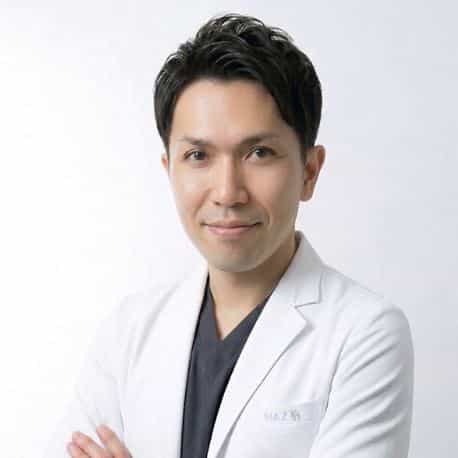
HELENE - Stem Cell Clinic


Overview
Japan Regenerative Medicine Leading Brand With over a decade of experience and more than 17,000 treated patients. Providing cutting-edge stem cell therapies tailored to various health concerns.
Read more details

 100.00% Patient Recommend
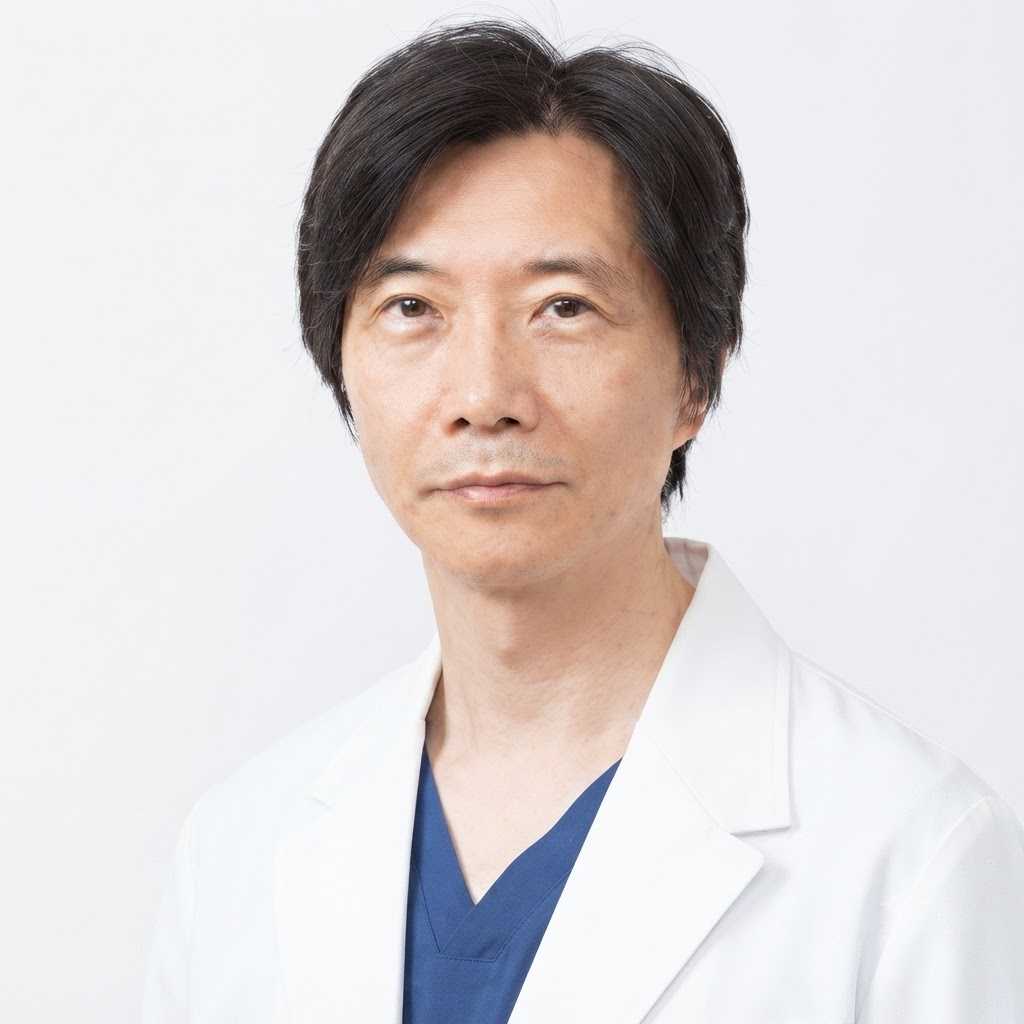
Azabu Skin Clinic - Dermatology and Stem Cell Therapy in Japan
Overview
Azabu Skin Clinic in Tokyo offers advanced stem cell treatments, regenerative treatments, dermatology, and aesthetic care. Book your consultation today.
Read more details
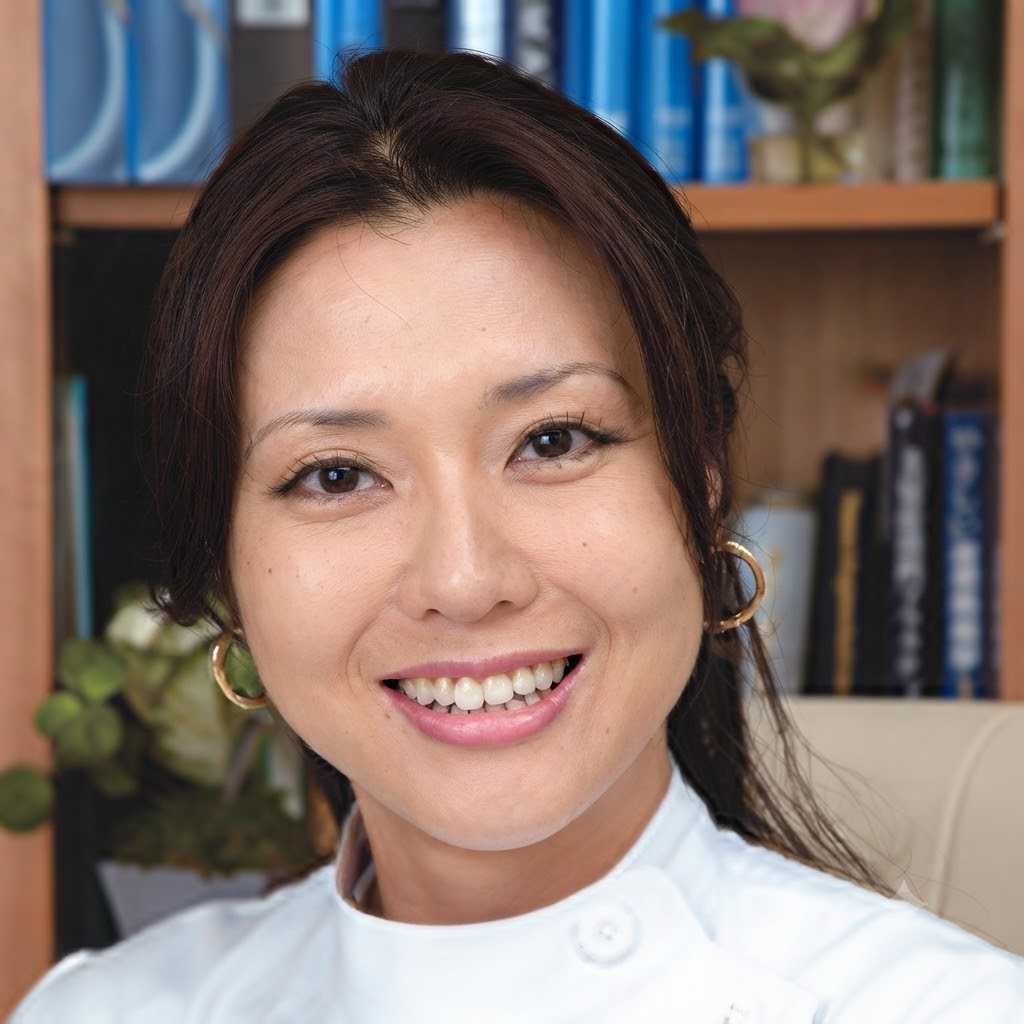
Riso Clinic - Japan Stem Cell Therapy
Overview
Explore Japan stem cell therapy at Riso Clinic in Tokyo. Advanced regenerative treatments for knee osteoarthritis, joint injuries, and cartilage repair.
Read more details
 100.00% Patient Recommend
Cell Grand Clinic - 日本で最高の幹細胞クリニック
Overview
Explore Cell Grand Clinic, the best stem cell clinic in Japan specializing in top regenerative therapies for anti-aging, chronic conditions, and wellness.
Read more details
Discover your treatment options with a free, no-obligation quote!
Get your quote now!
Clinique Haru Osaka Umeda - Japan Stem Cell Treatment
Overview
Clinique Haru Osaka Umeda specializes in Japan stem cell treatments for joint and musculoskeletal conditions using advanced regenerative medicine.
Read more detailsWhich are the best clinics for Stem Cell Treatment for Vascular Diseases in Tokyo, Japan?
When seeking top clinics for Stem Cell Treatment for Vascular Diseases in Tokyo, Japan, HELENE - Stem Cell Clinic stands out as a leading facility. They have over a decade of experience and have treated more than 16,000 patients, offering advanced stem cell therapies specifically tailored for various health concerns including vascular conditions.
Choosing the "best" clinic involves looking at several factors beyond just reputation. In Tokyo, HELENE - Stem Cell Clinic is a prominent option for Stem Cell Treatment for Vascular Diseases. This clinic highlights extensive experience in regenerative medicine with a large patient base and a focus on personalized, cutting-edge therapies.
When evaluating any clinic for such specialized treatment, consider:
- Experience and Specialization: Look for clinics with a long track record in regenerative medicine and specific expertise in treating vascular diseases with stem cells.
- Technology and Techniques: Inquire about the specific stem cell types used (e.g., mesenchymal stem cells) and the methods of administration. Advanced Japanese clinics often utilize state-of-the-art laboratory facilities.
- Patient Outcomes and Safety: While HELENE boasts high patient recommendation, understanding their specific success rates for vascular conditions and safety protocols is crucial. Reputable clinics will be transparent about their clinical results.
- Comprehensive Care: A holistic approach, including initial assessment, detailed treatment planning, and post-treatment follow-up, indicates a patient-centered philosophy.
What regulations govern Stem Cell Treatment for Vascular Diseases in Japan?
Japan has a robust regulatory framework for regenerative medicine, including stem cell treatments for vascular diseases, overseen primarily by the Ministry of Health, Labour and Welfare (MHLW). This framework emphasizes patient safety and treatment efficacy, requiring clinics to adhere to strict guidelines for cell processing, clinical research, and therapeutic applications.
The landscape of regenerative medicine in Japan, including Stem Cell Treatment for Vascular Diseases, is characterized by comprehensive and progressive regulations. The Pharmaceuticals and Medical Devices Act (PMDA) and the Act on the Safety of Regenerative Medicine (ASRM) are the key legislative pillars. These acts classify regenerative medical products into different categories based on their risk profile.
Key aspects of Japan's regulatory approach include:
- Approval Process: Clinics must obtain specific approvals from the MHLW to conduct regenerative medicine therapies. This involves submitting detailed plans for cell culture, processing, quality control, and clinical application.
- Patient Safety Focus: Regulations prioritize patient safety, mandating rigorous screening of donor cells (if applicable), sterile processing environments, and careful monitoring for adverse effects.
- Expedited Approval for Innovation: Japan has a system for conditional and time-limited approval for innovative regenerative medicine products, which can accelerate access to promising new therapies while ensuring ongoing data collection. This is particularly relevant for advanced stem cell therapies targeting complex conditions like vascular diseases.
- Ethical Guidelines: Alongside legal regulations, strict ethical guidelines are in place to ensure informed consent, patient autonomy, and responsible research practices in regenerative medicine.
How can I verify the accreditation of a Stem Cell Treatment clinic in Tokyo?
To verify the accreditation of a Stem Cell Treatment clinic in Tokyo, look for certifications from Japan's Ministry of Health, Labour and Welfare (MHLW). Clinics authorized to perform regenerative medicine must have specific approvals. You can directly request to see their MHLW registration and approvals, which should detail the scope of treatments permitted.
Verifying a clinic's credentials is paramount when considering Stem Cell Treatment for Vascular Diseases in Tokyo. Here’s how you can approach it:
- MHLW Approval: The primary authority for regenerative medicine in Japan is the Ministry of Health, Labour and Welfare. Any clinic offering stem cell therapies must have specific MHLW approvals for their procedures. You should ask for documentation of these approvals.
- Clinic Website and Public Records: Reputable clinics typically proudly display their accreditations and licenses on their official websites. Look for direct links to MHLW databases or official statements of compliance.
- Professional Associations: While not a direct accreditation, membership in Japanese professional societies for regenerative medicine can indicate adherence to certain standards and ethical practices.
- Transparency: A trustworthy clinic will be transparent about its regulatory status and readily provide information upon request. Be wary of clinics that are vague or unwilling to share their official documentation.
What types of Stem Cell Treatment are available for vascular diseases in Japanese clinics?
Japanese clinics offer various Stem Cell Treatments for vascular diseases, often utilizing autologous (patient's own) mesenchymal stem cells (MSCs) derived from adipose tissue or bone marrow. These regenerative therapies aim to improve blood flow, promote new vessel formation, and repair damaged tissues caused by conditions like peripheral arterial disease, critical limb ischemia, and certain types of cardiovascular diseases.
Stem Cell Treatment for vascular diseases in Japan focuses on leveraging the body's natural healing processes. Clinics in Tokyo and across Japan provide advanced regenerative therapies designed to address the underlying issues of vascular conditions.
Common approaches include:
- Autologous Mesenchymal Stem Cells (MSCs): This is a widely used method where MSCs are harvested from the patient's own bone marrow or adipose (fat) tissue. These cells have strong immunomodulatory and regenerative properties, capable of differentiating into various cell types and secreting growth factors that promote tissue repair and angiogenesis (new blood vessel formation).
- Peripheral Blood Stem Cells: In some cases, stem cells can be mobilized from the peripheral blood and collected for treatment, particularly for conditions requiring enhanced blood supply.
- Clinical Focus: These therapies are often applied to conditions such as:
- Peripheral Arterial Disease (PAD)
- Critical Limb Ischemia (CLI)
- Diabetic foot ulcers and other non-healing wounds
- Certain cardiovascular diseases to improve heart function and vascular integrity.
What should I expect during my initial consultation for vascular disease stem cell therapy in Tokyo?
Your initial consultation for vascular disease stem cell therapy in a Tokyo clinic will involve a thorough review of your medical history and current condition. Expect detailed discussions about diagnostic tests, potential treatment plans tailored to your needs, expected outcomes, and an in-depth explanation of the stem cell therapy process, including any risks involved.
The initial consultation is a crucial step in your Stem Cell Treatment journey for vascular diseases in a Tokyo clinic. It’s designed to be comprehensive, ensuring both you and the medical team have a clear understanding of your condition and the treatment options.
Here's what you can typically expect:
- Detailed Medical History: The doctor will review your complete medical records, including previous diagnoses, treatments, medications, and lifestyle factors relevant to your vascular condition.
- Physical Examination and Diagnostic Review: A physical exam will be conducted, and any recent diagnostic imaging (e.g., CT scans, MRIs, angiograms) or blood tests will be thoroughly discussed. Further tests might be recommended if needed.
- Treatment Suitability Assessment: The medical team will assess if you are a suitable candidate for stem cell therapy for your specific vascular disease, explaining the criteria for eligibility.
- Personalized Treatment Plan: If suitable, you'll receive an overview of a potential treatment plan, including the type of stem cells, number of sessions, and method of administration.
- Realistic Expectations: The clinic will provide clear information on the potential benefits, realistic outcomes, and any associated risks or side effects of the stem cell therapy for vascular diseases. This is a chance to ask all your questions about the treatment protocols.
How do Tokyo clinics ensure patient safety in Stem Cell Treatment for vascular diseases?
Tokyo clinics prioritize patient safety in Stem Cell Treatment for vascular diseases by adhering to strict MHLW regulations, maintaining sterile laboratory environments for cell processing, and implementing rigorous quality control measures. They also conduct comprehensive patient screening to ensure suitability for regenerative therapies and provide continuous monitoring throughout and after treatment to manage any potential risks.
Ensuring patient safety is paramount for any advanced medical procedure, especially for innovative regenerative therapies like Stem Cell Treatment for Vascular Diseases. Clinics in Tokyo operate under strict guidelines to maintain the highest safety standards.
Key safety measures typically include:
- MHLW Compliance: Adherence to the stringent regulations set by Japan's Ministry of Health, Labour and Welfare, which covers everything from cell sourcing and processing to clinical application.
- Sterile Laboratory Practices: State-of-the-art facilities with cleanroom environments are essential for preparing stem cells, minimizing the risk of contamination and infection.
- Quality Control: Each batch of stem cells undergoes rigorous testing for viability, purity, and absence of pathogens before administration.
- Comprehensive Patient Evaluation: Thorough pre-treatment screening ensures that only suitable candidates receive the therapy, reducing risks related to underlying health conditions.
- Experienced Medical Team: Procedures are performed by highly qualified specialists experienced in regenerative medicine and vascular conditions, ensuring proper technique and patient management.
- Post-Treatment Monitoring: Patients are closely monitored during and after the procedure for any adverse reactions, and long-term follow-up is provided to track outcomes and detect any delayed complications.
What post-treatment care and follow-up are offered by clinics for vascular diseases in Japan?
Clinics offering Stem Cell Treatment for vascular diseases in Japan typically provide structured post-treatment care and follow-up protocols. This includes regular check-ups, monitoring of vascular health markers, imaging studies to assess blood flow improvement, and personalized lifestyle recommendations. The aim is to optimize treatment results and ensure long-term well-being after regenerative therapies.
After undergoing Stem Cell Treatment for Vascular Diseases in a Japanese clinic, the journey doesn't end. Comprehensive post-treatment care and diligent follow-up are critical for maximizing therapeutic benefits and ensuring patient well-being.
Here’s what you can generally expect:
- Scheduled Follow-up Appointments: Regular visits will be scheduled, typically at specific intervals (e.g., 1 month, 3 months, 6 months, 1 year) to assess your progress.
- Clinical Monitoring: During these appointments, the medical team will monitor your general health, vital signs, and symptoms related to your vascular condition.
- Diagnostic Imaging: Imaging tests like Doppler ultrasound, CT angiography, or MRI may be used to objectively assess improvements in blood flow, tissue regeneration, and overall vascular health.
- Blood Tests: Blood markers relevant to vascular health and inflammation will be regularly checked to track your body's response to the stem cell therapy.
- Lifestyle Guidance: You'll receive personalized advice on diet, exercise, and other lifestyle modifications to support your recovery and maintain optimal vascular health.
- Continuous Support: The clinic often provides channels for patients to communicate concerns or ask questions between scheduled appointments, ensuring ongoing support.
Are international patients welcome at Tokyo Stem Cell Treatment clinics for vascular conditions?
Yes, many Tokyo Stem Cell Treatment clinics specializing in vascular conditions actively welcome international patients. These clinics often provide multilingual staff, assistance with travel logistics, and dedicated patient coordinators to ensure a smooth and comfortable experience for those traveling for regenerative therapies. It's advisable to inquire about specific international patient services beforehand.
Tokyo has emerged as a hub for medical tourism, particularly for advanced treatments like Stem Cell Treatment for Vascular Diseases. Many clinics are well-equipped and experienced in catering to patients from around the globe.
If you are an international patient considering stem cell therapy in Japan, here’s what you can usually expect:
- Multilingual Support: Many clinics employ staff who can communicate in English and other major languages, facilitating clear understanding throughout your medical journey.
- International Patient Coordinators: Dedicated coordinators can assist with various aspects, including appointment scheduling, travel arrangements, accommodation, and local transportation.
- Visa Assistance: Clinics can often provide necessary documentation to support your medical visa application for Japan.
- Telemedicine Consultations: Initial consultations can often be conducted remotely via telemedicine, allowing you to discuss your case and understand treatment options before traveling.
- Cultural Sensitivity: Clinics are generally mindful of cultural differences and aim to provide a welcoming and respectful environment for all patients.
What amenities and support services do Tokyo clinics provide for Stem Cell Treatment patients?
Tokyo clinics offering Stem Cell Treatment for vascular diseases often provide a range of amenities and support services to enhance patient comfort and experience. These can include comfortable private rooms, translation services, dedicated patient coordinators, assistance with local logistics like accommodation and transport, and access to nutritional guidance to complement regenerative therapies.
Beyond the medical procedure itself, the environment and support services offered by a Tokyo Stem Cell Treatment clinic can significantly impact a patient's overall experience and recovery, especially for conditions like vascular diseases.
Common amenities and support services you might find include:
- Comfortable Facilities: Modern clinics typically feature private treatment rooms, comfortable waiting areas, and often serene environments designed to reduce stress.
- Personalized Patient Coordination: A dedicated patient coordinator can act as your main point of contact, assisting with scheduling, answering non-medical questions, and coordinating various aspects of your visit.
- Translation and Interpretation: For international patients, professional translation services or multilingual staff ensure effective communication with the medical team.
- Travel and Accommodation Assistance: Many clinics offer support in arranging local transport from the airport, booking hotels, and providing guidance on navigating Tokyo.
- Nutritional and Lifestyle Counseling: Complementary services like dietary advice and recommendations for physical activity are often integrated to support overall health and enhance the effectiveness of regenerative therapies.
- Privacy and Confidentiality: Ensuring patient privacy is a core principle, with strict adherence to medical confidentiality.
How do I research the success rates of Stem Cell Treatment for vascular diseases in Japan?
To research the success rates of Stem Cell Treatment for vascular diseases in Japan, look for published clinical trials and peer-reviewed studies from Japanese institutions. Reputable clinics in Tokyo should also provide data on their patient outcomes, often categorized by specific vascular conditions and treatment protocols. Always seek information backed by scientific evidence and transparent reporting.
Investigating the success rates of Stem Cell Treatment for vascular diseases is a critical step in making informed healthcare decisions. In Japan, where regenerative medicine is actively pursued, several avenues exist for researching these outcomes.
Here's how you can effectively research success rates:
- Peer-Reviewed Medical Journals: Search medical databases (like PubMed) for clinical trials and studies conducted in Japan on stem cell therapy for vascular diseases. These provide scientifically validated data on efficacy and safety.
- Clinic-Specific Data: Contact clinics directly and ask for their internal data on patient outcomes, including improvement rates for symptoms, enhanced blood flow, and reduced need for traditional surgical interventions for specific vascular conditions. Many reputable clinics will have this information readily available.
- Regulatory Bodies' Reports: The Ministry of Health, Labour and Welfare (MHLW) might publish aggregated data or summaries of approved regenerative medicine therapies, which can offer insights into general trends and recognized efficacy.
- Conferences and Academic Institutions: Information presented at international regenerative medicine conferences or research published by leading Japanese universities often reflects the latest findings and success rates.
- Patient Testimonials (with caution): While anecdotal evidence from patient testimonials can be insightful for understanding the patient experience, always prioritize clinically reported data for assessing actual treatment success.
How PlacidWay helps individuals access Stem Cell Treatment for Vascular Diseases in Tokyo, Japan?
PlacidWay provides detailed, up-to-date information about Stem Cell Treatment for Vascular Diseases, including benefits, risks, and expected outcomes, empowering you to make informed decisions. We help users compare various clinics in Tokyo, ensuring you find affordable options without compromising on the quality of regenerative therapies. PlacidWay assists in finding trusted, accredited clinics and medical professionals specializing in Stem Cell Treatment for Vascular Diseases in Japan. We offer one-on-one consultations to help users understand their treatment options and ensure their specific needs are met. Additionally, PlacidWay ensures continued support after the treatment, including guidance on follow-up care and recovery assistance. Ready to get Stem Cell Treatment for Vascular Diseases in Tokyo, Japan? Contact us today for a personalized consultation.Share with AI
Share this page with AI assistants to get summaries and insights


List of Best Stem Cell Treatment for Vascular Diseases Clinics in Japan
Unlock the Best Stem Cell Therapy Packages Just for You
Discover the ultimate Stem Cell Therapy packages designed to meet your health and wellness goals. Choose the perfect fit for your journey.

Price starting from $68,000
Advanced Autologous Stem Cell Treatment for Diabetes Package in Tokyo, Japan by HELENE Clinic
HELENE - Stem Cell Clinic
- Stem Cell Therapy
Tokyo, Japan

Price starting from $19,800
Diabetes Regenerative Medicine Package in Osaka, Japan by Cell Grand Clinic
Cell Grand Clinic - 日本で最高の幹細胞クリニック
- Stem Cell Therapy
Osaka, Japan
.png)
Price starting from $10,000
Stem Cell Therapy for Knee Osteoarthritis Package in Tokyo, Japan by HELENE Clinic
HELENE - Stem Cell Clinic
- Stem Cell Therapy
Tokyo, Japan

Price starting from $16,000
Stem Cell Treatment for Autism Package - Malaysia
Dr. Ebenezer Abel Paul - Stem Cells in Malaysia
- Stem Cell Therapy
Dubai, UAE
Transformative Stem Cell Therapy Experiences: Dive into Procedure Insights
Discover the power of Stem Cell Therapy through compelling patient experiences. Uncover detailed insights into procedures, recovery journeys, and life-changing results.
-(2).png)

Price starting from $10,000
Stem Cell Therapy for Spinal Cord Injury in Tokyo Japan
- Stem Cell Treatment for Spinal Cord Injury, Stem Cell Therapy
Tokyo, Japan
.png)
Price starting from $19,800
Stem Cell Therapy for Diabetes in Japan
- Stem Cell Treatment for Diabetes, Stem Cell Therapy
Japan
.png)
Price starting from $10,000
Stem Cell Therapy for Diabetes in Tokyo, Japan
- Stem Cell Treatment for Diabetes, Stem Cell Therapy
Tokyo, Japan
Explore Stem Cell Therapy: Stories, Testimonials, and Procedures
Watch in-depth videos covering everything from Stem Cell Therapy success stories to detailed procedure explanations. Learn what to expect and hear from real patients.

Safety of Stem Cell Therapy Explained by Cell Grand Clinic in Osaka, Japan
Stem Cell Therapy
Cell Grand Clinic - 日本で最高の幹細胞クリニック
Japan
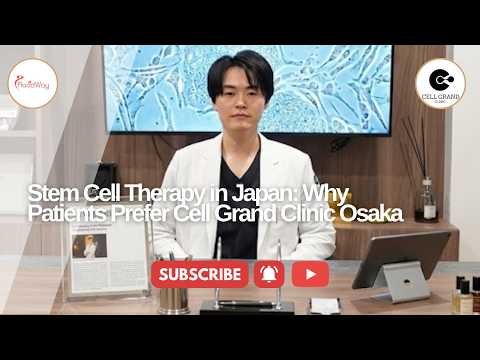
Stem Cell Therapy in Japan by Dr. Yuichi Wakabayashi: Why Patients Prefer Cell Grand Clinic Osaka
Stem Cell Therapy
Cell Grand Clinic - 日本で最高の幹細胞クリニック
Japan
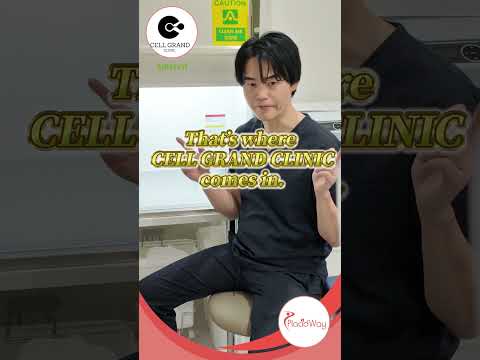
How Stem Cell Therapy Works at Cell Grand Clinic in Osaka, Japan
Stem Cell Therapy
Cell Grand Clinic - 日本で最高の幹細胞クリニック
Japan
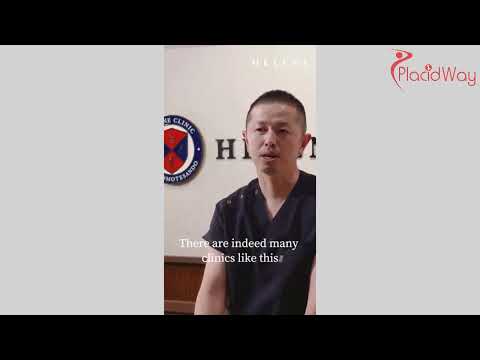
Minimally Invasive Stem Cell Therapy and Advanced Cultivation
Stem Cell Therapy
HELENE - Stem Cell Clinic
Japan
Learn More with These Stem Cell Therapy Articles
Take a look at these interesting articles, stories and research that will help you learn more about Stem Cell Therapy.

Stem Cell Therapy in Japan for Hong Kong Patients: Easy Osaka Access and MHLW-Regulated Care at Cell Grand Clinic
PlacidWay Japan Medical Tourism
- Stem Cell Therapy
Japan

Better Aging & Wellness Support: Anti-Aging & Longevity Stem Cell Program in Japan for UAE Patients
PlacidWay Japan Medical Tourism
- Stem Cell Therapy
Japan

Age Gracefully with Science: Anti-Aging Stem Cell Therapy in Japan Empowering Patients from Indonesia
PlacidWay Medical Tourism
- Stem Cell Therapy
Japan
Stem Cell Therapy Solutions Near You: Explore Top Medical Centers
Discover how Stem Cell Therapy is transforming lives at leading medical centers in Tokyo, Japan. Dive into center profile, specialties, doctors, reviews, etc. and explore the best options tailored to your needs in this region.


HELENE - Stem Cell Clinic
Tokyo, Japan
Riso Clinic - Japan Stem Cell Therapy
Tokyo, Japan








(Translated by Google) The teacher is nice, but I am bothered by the staff\'s private conversations (laughter) and their behavior. (Original) 先生はいい方なのですが、スタッフの私語(笑い声)や対応が気になります。
Read More