
What treatment


14+ Best Clinics for Uterine Removal in Mexico
Trusted Medical Tourism Platform Since 2007
What are the best uterine removal clinics in Mexico?
The top uterine removal clinics in Mexico include Centro de Fertilidad del Prado (Tijuana), Eligen Fertility Center (Gustavo A. Madero), FertilyLife (Cancun), Fertilidad Integral (Mexico City), and IREGA (Cancun).
These facilities specialize in treating conditions like fibroids and endometriosis using total, subtotal, and minimally invasive laparoscopic hysterectomies. Leading centers ensure high patient safety by maintaining international JCI, ACI, or national Consejo de Salubridad General (CSG) accreditations. Uterine removal procedures start around $6,500 USD, providing significant cost advantages compared to United States pricing while delivering comprehensive pre- and post-operative care.
IVF Clinic in Mexico ViaFERT Culiacan


Overview
ViaFERT is one of the best fertility clinics in Mexico, located in Culiacan. Expert IVF, ICSI, IUI, egg donation, and genetic testing. Book your consultation today.
Read more details



 100.00% Patient Recommend
Centro de Fertilidad del Prado

Overview
Del Prado Fertility Center, recognized as one of the best fertility clinics in Tijuana, Mexico, provides advanced fertility treatments, personalized care, and address reproductive challenges.
Read more details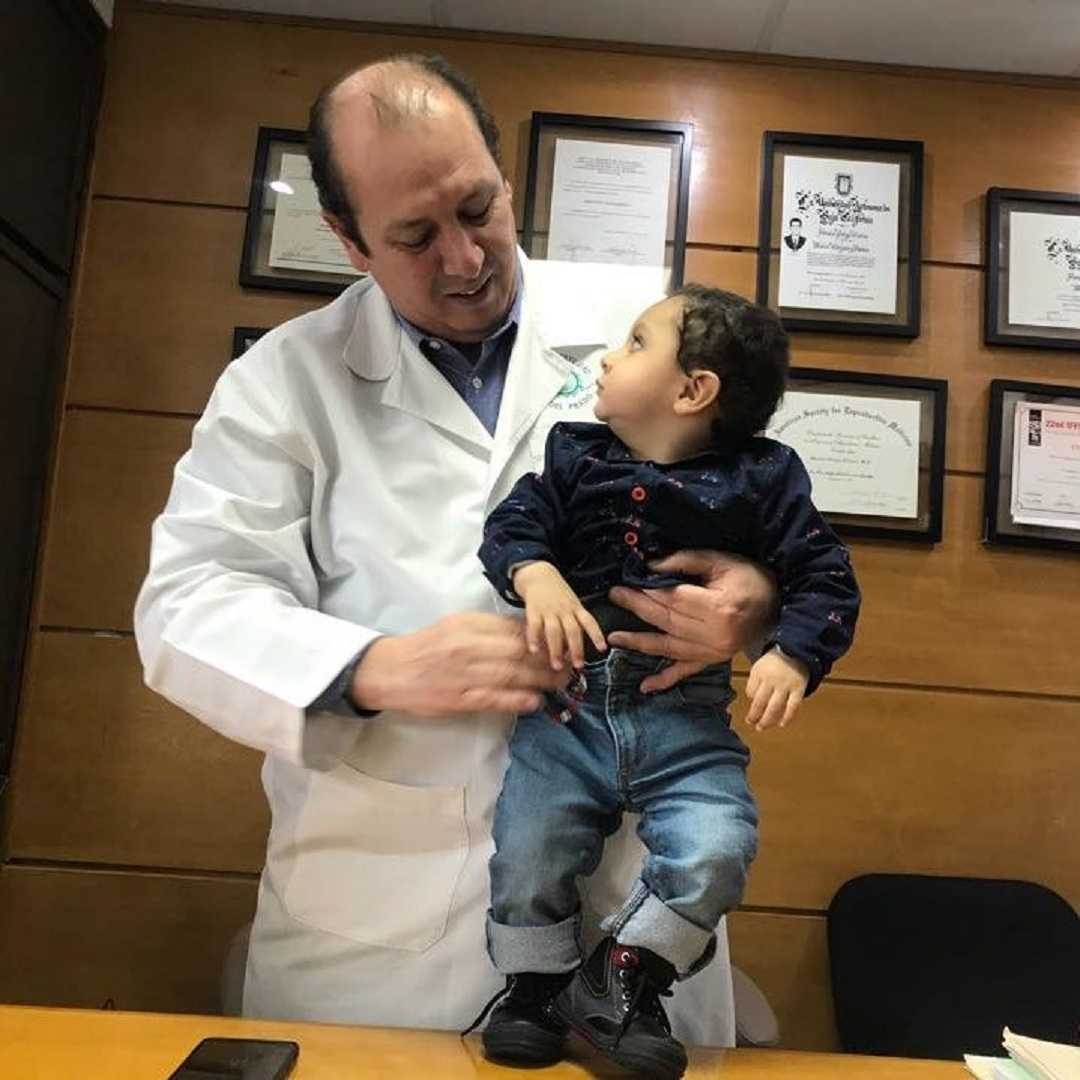
 100.00% Patient Recommend
Dr. Javier Piri Sarmiento - IVF Specialist in Tijuana Mexico
Overview
Dr. Javier Piri, fertility and reproductive medicine expert in Tijuana. Personalized IVF treatments to help you start your family.
Read more details


Eligen Fertility Center
Overview
Eligen Fertility Center in Gustavo Adolfo Madero, Mexico offers surrogacy, IVF, ICSI, semen freezing, IUI, and ovulation induction services.
Read more details
Discover your treatment options with a free, no-obligation quote!
Get your quote now! 100.00% Patient Recommend
Fertility Beyond Borders - Dr. Felix Atondo
Overview
Discover leading IVF clinic in Tijuana, Mexico. Fertility Beyond Borders offers expert fertility solutions for your journey. Book now at PlacidWay!
Read more details
 81.82% Patient Recommend
IREGA Cancun (Institute of Reproduction, Gynecology and Genetics)
Overview
Choose IREGA in Cancun, Mexico, for IVF, fertility treatments, egg donation, genetic testing, and personalized reproductive care.
Read more details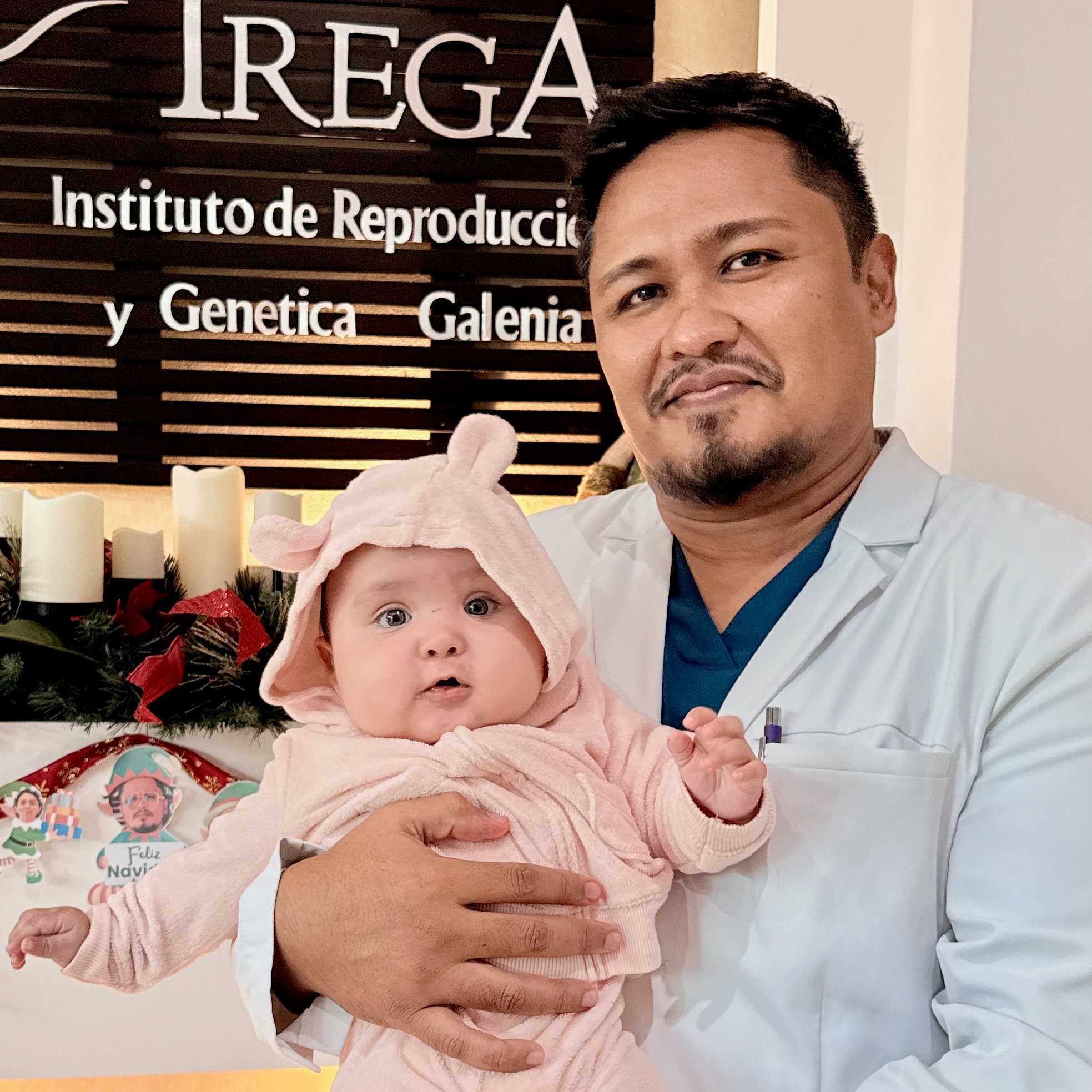


IVF Clinic in Mexico ViaFERT Mazatlan
Overview
ViaFERT is a leading IVF clinic in Mazatlan, Mexico, offering advanced fertility treatments like IVF, ICSI, egg donation, and surrogacy to help build families.
Read more details
The Fertility Center Mexico
Overview
The Fertility Center Mexico is a top IVF clinic in Tijuana, Mexico, offering advanced fertility treatments for your parenthood journey.
Read more details
Discover your treatment options with a free, no-obligation quote!
Get your quote now!
Eligen Fertility Center | Spanish Profile
Overview
Eligen Fertility Center en Gustavo Adolfo Madero, Mexico ofrece servicios de gestacion subrogada, FIV, ICSI, congelacion de semen, IUI e induccion de ovulacion.
Read more details
FertilyLife
Overview
Discover FertilyLife, the premier IVF Treatment Center in Cancun, Mexico. Offering surrogacy, egg donation, ICSI, embryo cryopreservation and more.
Read more details
Baja Fertility Services - IVF Clinic Tijuana Mexico
Overview
Discover Baja Fertility Services, a leading IVF clinic in Tijuana, Mexico, offering advanced fertility treatments and personalized patient care.
Read more details 100.00% Patient Recommend
Fertilidad Integral
Overview
Discover Mexico City's leading IVF fertility clinic. Fertilidad Integral offers premier treatment with compassion and expertise. Book your consultation today!
Read more details
Hestia Fertility
Overview
Discover expert fertility care at Hestia Fertility in Juarez, Mexico. Personalized treatments, advanced labs, and compassionate support await you.
Read more details 100.00% Patient Recommend
Advanced Fertility Center Cancun
Overview
Advanced Fertility Center Cancun is offering a wide range of infertility treatments in Cancun, Mexico at affordable price and expert proficiency.
Read more details
PlacidWay Mexico Medical Tourism
Explore affordable healthcare and quality treatments with PlacidWay Mexico Medical Tourism. Discover trusted clinics, surgeons and wellness services in Mexico.



Last updated on
Which are the best Uterine Removal clinics in Mexico and where are they located?
When considering Uterine Removal in Mexico, several highly-rated clinics stand out for their advanced care and patient focus. Notable options include Centro de Fertilidad del Prado in Tijuana, recognized for its comprehensive gynecological and fertility treatments, and Eligen Fertility Center in Gustavo A. Madero, a respected institution in reproductive health. Fertilidad Integral in Mexico City and IREGA Cancun also receive strong patient recommendations, providing excellent surgical and post-operative care within specialized environments. These clinics offer a blend of expertise and state-of-the-art facilities across key Mexican cities.
Choosing a clinic for a significant procedure like uterine removal involves looking beyond just reputation. It's about finding a facility that aligns with your specific health needs and comfort. Mexico has emerged as a preferred destination for medical travelers seeking high-quality gynecological care, including hysterectomy procedures.
- Centro de Fertilidad del Prado (Tijuana): Known for its patient-centered approach and modern facilities, offering various gynecological surgeries alongside fertility treatments.
- Eligen Fertility Center (Gustavo A. Madero): This center provides specialized women's health services, including advanced surgical options for uterine conditions, leveraging cutting-edge technology.
- FertilyLife (Cancun): While primarily a fertility center, many such clinics offer a broad spectrum of women's health services, including treatments that may precede or involve uterine procedures.
- Fertilidad Integral (Mexico City): Highly recommended for its integrated approach to reproductive health, ensuring patients receive thorough diagnostic and treatment pathways.
- IREGA Cancun: This clinic has a strong track record of positive patient feedback, delivering dedicated care in gynecological procedures.
What specialties should I look for in a Uterine Removal clinic in Mexico?
When seeking a Uterine Removal clinic in Mexico, prioritize facilities with specialists in gynecology, reproductive endocrinology, and minimally invasive surgery. A clinic that also employs skilled anesthesiologists and dedicated post-operative care teams ensures comprehensive care. Look for expertise in specific conditions like fibroids or endometriosis, as this indicates a deeper understanding of complex uterine health issues. This multi-specialty approach guarantees that your specific needs are met with the highest level of expertise.
A comprehensive approach to women's health is crucial for uterine removal procedures. Here’s what to consider:
- Gynecology and Gynecologic Surgery: This is the core specialty. Ensure the gynecologists have extensive experience specifically with hysterectomies, including complex cases and various surgical techniques (abdominal, vaginal, laparoscopic, robotic).
- Reproductive Endocrinology and Infertility (REI): If your uterine condition is tied to fertility concerns, or if you're exploring options like fertility preservation before removal, an REI specialist can offer crucial insights. Many clinics focusing on fertility also excel in advanced gynecological surgeries.
- Minimally Invasive Surgery (MIS) Expertise: Opt for clinics that prioritize laparoscopic or robotic-assisted hysterectomies. These techniques often lead to less pain, smaller scars, shorter hospital stays, and quicker recovery times compared to traditional open surgery.
- Anesthesiology and Pain Management: A strong anesthesiology department is vital for safety during surgery and effective pain control afterward.
- Pathology Services: An in-house or affiliated pathology lab is important for prompt and accurate analysis of removed tissue, which can guide further treatment if necessary.
How do I verify the credentials of Uterine Removal clinics in Mexico?
To verify the credentials of Uterine Removal clinics in Mexico, start by checking for international accreditations such as Joint Commission International (JCI) or Accreditation Canada International (ACI), which signify adherence to global quality standards. Additionally, inquire about local certifications from Mexico's Council of General Health (Consejo de Salubridad General). Always request to see the medical licenses and board certifications of the treating physicians, ensuring their specialization in gynecology or reproductive health. Cross-referencing these details with official medical registries provides robust validation for your healthcare decision.
Patient safety and quality care are paramount, so verifying clinic and physician credentials is a crucial step. Here's a detailed approach:
- International Accreditations: Look for clinics that hold certifications from recognized international bodies. These accreditations indicate that the facility meets stringent global standards for patient care, safety, and quality management. Examples include JCI and ACI.
- National and Local Certifications: Ensure the clinic is properly licensed by the Mexican government health authorities. Check for certifications from organizations like the Consejo de Salubridad General (CSG), which provides accreditation for hospitals in Mexico.
- Physician Board Certifications: Confirm that the gynecologists or surgeons performing the uterine removal are board-certified in their respective specialties (e.g., Obstetrics and Gynecology, Reproductive Medicine). You can often verify this through national medical boards or associations.
- Professional Memberships: Membership in reputable medical organizations, both national and international, can also be an indicator of a physician's commitment to ongoing education and best practices.
- Patient Testimonials and Reviews: While not a formal credential, patient experiences can offer valuable insights into the quality of care and patient satisfaction. Look for consistent positive feedback regarding surgical outcomes, staff professionalism, and post-operative support.
What patient support services do Uterine Removal clinics in Mexico offer?
Leading Uterine Removal clinics in Mexico often provide extensive patient support services to ensure a smooth and comfortable experience, especially for international patients. These typically include personalized patient coordination, assistance with travel and accommodation, and interpreter services. Many clinics offer emotional and psychological support, follow-up communication after discharge, and access to nutritional guidance. The goal is to provide holistic care that extends beyond the surgical procedure, covering logistics and emotional well-being.
Navigating medical care in a foreign country can be daunting, but many Mexican clinics excel in supporting international patients. Key support services include:
- Patient Coordinators: Dedicated staff members who assist with appointment scheduling, pre-operative instructions, travel arrangements, and generally act as a single point of contact throughout your journey.
- Language Support: Many clinics employ bilingual staff or provide professional interpreters to ensure clear communication between patients and their medical teams.
- Accommodation and Transportation Assistance: Help with booking hotels, arranging airport transfers, and local transportation to and from the clinic.
- Pre- and Post-Operative Consultations: These may be offered remotely to address concerns, explain procedures, and prepare you for recovery before and after your visit.
- Emotional and Psychological Support: Access to counseling or support groups, recognizing the emotional impact of uterine removal.
- Nutritional Guidance: Dietary recommendations to aid recovery and manage any post-surgical dietary needs.
- Follow-up Care Planning: Detailed instructions and resources for managing recovery once you return home, often including remote consultations with your surgical team.
What diagnostic technologies are available at leading Uterine Removal clinics in Mexico?
Top Uterine Removal clinics in Mexico utilize advanced diagnostic technologies to ensure accurate assessment and precise surgical planning. These include high-resolution ultrasound, MRI for detailed uterine imaging, and hysteroscopy for internal uterine examination. Some clinics also offer advanced lab testing, colposcopy, and biopsies to thoroughly evaluate conditions like fibroids, endometriosis, or abnormal bleeding. This comprehensive diagnostic approach helps tailor the most effective and safest treatment plan for each patient's specific needs.
Accurate diagnosis is the foundation of successful uterine removal. Leading clinics in Mexico invest in state-of-the-art diagnostic tools:
- High-Resolution Ultrasound: Essential for visualizing the uterus, ovaries, and surrounding pelvic structures, identifying abnormalities like fibroids, cysts, or adenomyosis. Advanced 3D/4D ultrasound may also be available for more detailed views.
- Magnetic Resonance Imaging (MRI): Provides highly detailed images of soft tissues, crucial for complex cases involving large fibroids, deep infiltrating endometriosis, or suspected malignancy, helping surgeons plan the procedure meticulously.
- Hysteroscopy: A minimally invasive procedure where a thin, lighted telescope is inserted through the cervix to visually inspect the inside of the uterus. This helps identify and evaluate polyps, fibroids, or other anomalies.
- Laparoscopy: Often used diagnostically before a full hysterectomy to assess the extent of conditions like endometriosis, adhesions, or pelvic inflammatory disease.
- Advanced Laboratory Testing: Comprehensive blood tests, hormonal assays, and genetic screenings to understand underlying causes or comorbidities affecting uterine health.
- Colposcopy and Biopsy: Used to investigate abnormal cervical cells or endometrial tissue, guiding decisions on the necessity and type of uterine removal.
Can Uterine Removal clinics in Mexico assist with pre-operative consultations remotely?
Yes, many Uterine Removal clinics in Mexico actively offer remote pre-operative consultations to accommodate international patients and facilitate planning. These virtual appointments typically involve video calls with gynecological specialists to discuss your medical history, symptoms, diagnostic results, and treatment options. This allows patients to receive expert medical advice, understand the procedure, and address any concerns from their home country before traveling. It's an efficient way to streamline your treatment journey and ensure you're well-informed.
Remote consultations have become an invaluable service, particularly for medical tourists. Here’s how they work:
- Initial Assessment: You can typically submit your medical records, imaging results, and a detailed symptom history online. The clinic's medical team will review these to determine if you are a suitable candidate for uterine removal.
- Video Consultations: Scheduled video calls with your surgeon or a gynecological specialist allow you to discuss your case in detail, ask questions, and receive personalized recommendations. This also helps establish a rapport with your medical team.
- Treatment Plan Outline: During these remote sessions, the clinic will outline a proposed treatment plan, including the type of hysterectomy recommended, estimated recovery time, and any necessary pre-operative preparations.
- Logistical Planning: Patient coordinators often join these calls to discuss travel logistics, accommodation options, and a detailed timeline for your stay in Mexico.
- Financial Transparency: While direct cost discussions are typically handled separately (as per our guidelines), logistical aspects are addressed to help you plan your journey effectively.
What post-operative care options are typically provided by clinics for Uterine Removal in Mexico?
Following uterine removal in Mexico, clinics provide comprehensive post-operative care, including hospital stays for initial recovery, pain management, and monitoring for complications. Patients often receive detailed discharge instructions, medication prescriptions, and wound care guidance. For international patients, follow-up virtual consultations and coordinated care with home country providers are common. Physical therapy referrals and nutritional advice may also be part of the tailored recovery plan, ensuring a supportive healing process.
Effective post-operative care is vital for a smooth recovery and positive outcome after uterine removal. Mexican clinics offer structured programs designed for optimal healing:
- Hospital Stay and Monitoring: Typically, patients remain in the hospital for a few days post-surgery, where medical staff monitor vital signs, manage pain, and observe for any immediate complications.
- Pain Management: Personalized pain relief strategies are implemented, utilizing appropriate medications to ensure comfort during the initial recovery phase.
- Wound Care and Infection Prevention: Nurses provide instructions on how to care for surgical incisions to prevent infection and promote healing.
- Early Mobilization: Patients are encouraged to gently move around soon after surgery to prevent blood clots and aid recovery, with assistance from nursing staff.
- Discharge Planning: Before leaving the hospital, patients receive comprehensive discharge instructions, including information on activity restrictions, medication schedules, and signs of potential complications.
- Follow-up Appointments: In-person follow-up visits are scheduled before returning home. For international patients, remote follow-up consultations via video call are common to track progress.
- Referrals and Resources: Depending on individual needs, clinics may provide referrals for physical therapy, pelvic floor rehabilitation, or psychological support, as well as resources for ongoing women's health management.
Are there specific accreditations to seek in Uterine Removal clinics in Mexico?
Yes, when considering Uterine Removal clinics in Mexico, prioritize facilities holding international accreditations such as Joint Commission International (JCI) or Accreditation Canada International (ACI). These signify adherence to the highest global standards in patient safety and quality of care. Domestically, look for accreditation from Mexico's Council of General Health (Consejo de Salubridad General), which is the national standard for healthcare excellence. These certifications assure you that the clinic meets rigorous benchmarks for medical practice and patient outcomes.
Accreditations are formal recognition that a healthcare facility meets specific quality and safety standards. For uterine removal clinics in Mexico, these can include:
- Joint Commission International (JCI): A widely recognized international accreditation that assesses healthcare quality and patient safety across various domains, including surgical care, medication management, and patient rights.
- Accreditation Canada International (ACI): Another prestigious international accreditation that focuses on continuous quality improvement and patient-centered care.
- Consejo de Salubridad General (CSG): This is Mexico's national accreditation body for healthcare facilities. A CSG accreditation indicates that the clinic complies with national standards for infrastructure, human resources, and medical processes.
- ISO Certifications: Some clinics may also hold ISO (International Organization for Standardization) certifications, such as ISO 9001 for quality management, which demonstrates a commitment to consistent service quality.
- Specialized Surgical Certifications: While less common for the general procedure, some clinics or surgeons might have certifications related to specific laparoscopic or robotic surgery platforms, indicating specialized training and expertise.
How do Uterine Removal clinics in Mexico prioritize patient safety?
Uterine Removal clinics in Mexico prioritize patient safety through stringent protocols, advanced technology, and highly trained medical teams. They implement rigorous infection control measures, utilize state-of-the-art surgical equipment, and maintain comprehensive emergency response plans. Patient identification, medication safety, and detailed surgical checklists are standard practices. Furthermore, continuous staff training, adherence to international healthcare standards, and transparent communication with patients about risks and expected outcomes are fundamental to their safety commitment.
Patient safety is a cornerstone of quality healthcare, especially for surgical procedures. Clinics in Mexico prioritize this through several key strategies:
- Strict Infection Control: Implementing rigorous hygiene protocols, including sterilization of equipment, handwashing policies, and maintaining a sterile surgical environment, to minimize the risk of post-operative infections.
- Advanced Technology and Equipment: Investing in modern surgical instruments, anesthesia machines, and diagnostic equipment that are regularly maintained and calibrated to ensure optimal performance and patient safety.
- Highly Qualified Staff: Ensuring all medical personnel, from surgeons and anesthesiologists to nurses and support staff, are fully licensed, board-certified, and undergo continuous training to stay updated with the latest medical advancements and safety practices.
- Comprehensive Pre-operative Assessments: Thorough evaluation of each patient's medical history, current health status, and any existing conditions to identify potential risks and tailor the surgical plan accordingly.
- Robust Emergency Protocols: Having well-defined and regularly practiced emergency response plans, including immediate access to intensive care units and specialized medical teams, to handle any unexpected complications swiftly and effectively.
- Medication Safety: Implementing strict procedures for medication storage, prescription, and administration to prevent errors.
- Patient Education and Informed Consent: Providing clear, understandable information about the procedure, potential risks, benefits, and alternatives, ensuring patients can make fully informed decisions about their care.
What types of Uterine Removal procedures are offered by clinics in Mexico?
Uterine Removal clinics in Mexico offer a range of hysterectomy procedures tailored to individual patient needs and medical conditions. These typically include total hysterectomy (removal of the uterus and cervix), subtotal or supracervical hysterectomy (uterus only), and hysterectomy with oophorectomy (ovary removal). Surgical approaches vary, encompassing traditional abdominal hysterectomy, less invasive vaginal hysterectomy, and advanced laparoscopic or robotic-assisted techniques, minimizing recovery time and scarring.
The choice of uterine removal procedure depends on several factors, including the patient's medical condition, overall health, and the surgeon's expertise. Mexican clinics provide various options:
- Total Hysterectomy: This is the most common type, involving the removal of the entire uterus and cervix. It is often performed for conditions like uterine fibroids, endometriosis, prolapse, or certain cancers.
- Subtotal (Supracervical) Hysterectomy: In this procedure, only the upper part of the uterus is removed, leaving the cervix intact. This option may be chosen by women who do not have cervical abnormalities and wish to preserve the cervix.
- Radical Hysterectomy: This extensive procedure removes the uterus, cervix, part of the vagina, and surrounding tissues, typically reserved for cases of cervical cancer.
- Hysterectomy with Bilateral Salpingo-Oophorectomy (BSO): This involves removing both the uterus and both fallopian tubes and ovaries. It is often considered to reduce the risk of ovarian cancer, especially in women nearing menopause or with genetic predispositions.
- Abdominal Hysterectomy: A traditional open surgery involving an incision in the abdomen.
- Vaginal Hysterectomy: The uterus is removed through an incision in the vagina, leaving no visible abdominal scars.
- Laparoscopic Hysterectomy: Minimally invasive surgery using small incisions, a camera, and specialized instruments. This includes total laparoscopic hysterectomy (TLH) and laparoscopic-assisted vaginal hysterectomy (LAVH).
- Robotic-Assisted Hysterectomy: An advanced laparoscopic technique where the surgeon controls robotic arms to perform the surgery with enhanced precision and visualization.
What are the recovery expectations after Uterine Removal in Mexico?
Recovery after Uterine Removal in Mexico typically involves an initial hospital stay of 1-3 days, followed by several weeks of rest and gradual return to normal activities. Minimally invasive procedures (laparoscopic, robotic) often have shorter hospital stays and quicker overall recovery compared to open abdominal surgery. Patients can expect pain management, activity restrictions, and wound care. Full recovery generally takes 4-8 weeks, depending on the procedure type and individual health, with clinics providing detailed post-operative guidelines for optimal healing.
Understanding the recovery process is important for planning your return to daily life and travel. Recovery expectations vary based on the surgical approach:
- Hospital Stay:
- Laparoscopic or Vaginal Hysterectomy: Typically 1-2 days.
- Abdominal Hysterectomy: Usually 3-5 days.
- Pain Management: You'll receive medications to manage post-surgical pain, which is usually most intense in the first few days and gradually subsides.
- Activity Restrictions:
- Avoid heavy lifting, strenuous exercise, and intercourse for 4-6 weeks.
- Light activities like walking are encouraged to promote circulation and prevent complications.
- Driving may be restricted for 1-2 weeks, especially if you're taking pain medication.
- Wound Care: Instructions will be provided for keeping incision sites clean and dry. Minimal discharge or light bleeding is normal for a few weeks.
- Emotional Well-being: Hormonal changes, if ovaries were removed, can affect mood. Emotional support services are available if needed.
- Full Recovery:
- For minimally invasive procedures, most women feel significantly better within 2-4 weeks.
- For abdominal hysterectomy, it might take 6-8 weeks to feel fully recovered.
How do Uterine Removal clinics in Mexico handle follow-up consultations after patients return home?
Uterine Removal clinics in Mexico commonly facilitate follow-up consultations for international patients returning home through virtual platforms. These remote appointments, often conducted via video call or secure online messaging, allow your surgical team to monitor your recovery progress, address any concerns, and provide ongoing guidance. Clinics prioritize clear communication, ensuring you feel supported throughout your healing journey. They often provide comprehensive discharge summaries to share with your local healthcare providers for seamless continued care.
Ensuring continuity of care after returning home is a priority for many Mexican clinics catering to international patients.
- Scheduled Virtual Appointments: Clinics will often schedule follow-up video consultations with your surgeon or a specialist nurse at predetermined intervals (e.g., 2 weeks, 6 weeks, 3 months post-op). These virtual visits allow your medical team to assess your healing progress, discuss any symptoms, and answer questions.
- Secure Patient Portals/Messaging: Many facilities provide secure online platforms or email channels for patients to ask non-urgent questions and receive timely responses from their care team. This helps address minor concerns without requiring an in-person visit.
- Comprehensive Discharge Summaries: You'll receive detailed medical records, including your diagnosis, procedure details, pathology reports, and post-operative care instructions, which you can share with your primary care physician or gynecologist in your home country. This facilitates seamless transfer of care.
- Coordination with Local Physicians: Some clinics may offer assistance in coordinating with your local doctors, providing them with necessary information and advice regarding your specific case.
- Emergency Contact Information: Patients are typically given emergency contact details for the clinic in case of urgent post-operative concerns that cannot wait for a scheduled virtual appointment.
- Educational Resources: Access to online resources, videos, or brochures that guide you through different phases of recovery and help you understand what to expect.
What considerations are there for long-term health and well-being after Uterine Removal in Mexico?
Long-term health after Uterine Removal in Mexico involves ongoing management of potential effects, especially if ovaries were also removed, leading to surgical menopause. This includes monitoring for bone density loss, cardiovascular health, and hormonal balance. Clinics may provide guidance on hormone replacement therapy (HRT) and lifestyle adjustments. Regular gynecological check-ups remain crucial, focusing on overall women's health and addressing any new symptoms. Lifestyle, diet, and exercise play significant roles in maintaining well-being post-procedure.
Uterine removal, while often necessary, can have long-term implications for a woman's health. Clinics in Mexico help patients understand and manage these.
- Hormonal Changes and Menopause:
- If ovaries are removed (oophorectomy) along with the uterus, it induces surgical menopause, leading to sudden onset of menopausal symptoms.
- Clinics can provide information on Hormone Replacement Therapy (HRT) options to manage hot flashes, mood swings, and other menopausal symptoms, discussing benefits and risks.
- Even if ovaries are preserved, some women may experience earlier onset of natural menopause due to reduced blood supply to the ovaries.
- Bone Health: Estrogen plays a vital role in bone density. If surgical menopause occurs, there's an increased risk of osteoporosis. Clinics will advise on calcium and vitamin D intake and recommend regular bone density screenings.
- Cardiovascular Health: Estrogen also offers some protection against heart disease. Patients in surgical menopause may need to proactively manage cardiovascular risk factors through diet, exercise, and regular check-ups.
- Pelvic Floor Health: For some, uterine removal can affect pelvic floor support, potentially leading to issues like prolapse or urinary incontinence later in life. Clinics can provide guidance on pelvic floor exercises or refer to specialists.
- Emotional and Psychological Adjustment: Uterine removal can have emotional impacts, including feelings of loss, changes in body image, or shifts in sexuality. Support resources can be discussed.
- Ongoing Monitoring: Regular general health check-ups and gynecological screenings are still important, focusing on overall wellness and early detection of any new health concerns.
How do Uterine Removal clinics in Mexico ensure cultural sensitivity for international patients?
Uterine Removal clinics in Mexico prioritize cultural sensitivity for international patients by employing multilingual staff and providing interpreter services to bridge language barriers. They train their teams to understand diverse cultural norms, religious beliefs, and personal preferences related to medical care, privacy, and modesty. Clinics often offer customized dietary options, adapt communication styles, and respect patient-specific requests, ensuring a welcoming and respectful environment. Their goal is to make every patient feel understood and comfortable during their healing journey.
For international patients, feeling respected and understood is as important as receiving excellent medical care. Mexican clinics demonstrate cultural sensitivity through:
- Multilingual Staff and Interpreters: Employing staff fluent in multiple languages, particularly English and Spanish, and providing certified medical interpreters for other languages, ensuring clear communication and comprehension.
- Training on Cultural Competency: Healthcare providers receive training to understand and respect diverse cultural backgrounds, traditions, religious beliefs, and communication styles. This helps them offer care that aligns with patients' values.
- Respect for Privacy and Modesty: Implementing policies and practices that respect patient privacy and modesty, understanding that these can vary significantly across cultures. This might include providing appropriate gowns, ensuring chaperone availability, or respecting preferences for same-gender care providers when possible.
- Dietary Accommodations: Offering a variety of meal options that can cater to different dietary restrictions, religious requirements, or personal preferences.
- Understanding of Medical Beliefs: Being open to discussing and incorporating traditional or complementary healing practices that align with modern medical care, as long as they do not compromise patient safety.
- Flexible Communication: Adapting the way information is presented, acknowledging that some cultures prefer directness while others prefer a more indirect or family-centered approach to medical decisions.
- Pre-Arrival Information: Providing detailed information about local customs, clinic policies, and what to expect during their stay to help international patients feel prepared and at ease.
What is the average duration of stay in Mexico recommended for Uterine Removal procedures?
For Uterine Removal in Mexico, clinics generally recommend an average stay of 7-14 days. This duration accounts for pre-operative consultations, the surgical procedure itself, initial hospital recovery (1-3 days), and essential post-operative rest before safe travel. Minimally invasive procedures might allow for a shorter stay, while more complex abdominal surgeries or individual recovery needs could extend it. This period ensures adequate monitoring and stability before a patient is cleared for travel.
The recommended duration of stay in Mexico for uterine removal is designed to ensure both immediate post-surgical safety and a stable condition for travel. This typically breaks down as follows:
- Pre-operative Period (1-2 days): This allows for final consultations, pre-surgical tests, and any necessary preparations. It also provides time for the patient to settle in and acclimate to the environment.
- Hospital Stay (1-5 days):
- Laparoscopic or Vaginal Hysterectomy: Typically 1-2 days in the hospital.
- Abdominal Hysterectomy: Generally 3-5 days in the hospital.
- Local Recovery Period (5-10 days post-discharge): After being discharged from the hospital, it's crucial for patients to remain in Mexico for a period of local recovery. During this time:
- You will be recovering in nearby accommodation, often arranged by the clinic.
- Pain management continues, and any initial discomfort or swelling is monitored.
- You will likely have at least one or two follow-up appointments at the clinic to check wound healing and overall progress before being cleared for travel.
- This period helps reduce the risk of complications such as deep vein thrombosis (DVT) during long flights and ensures you are stable enough for the journey home.
How PlacidWay helps individuals access Uterine Removal in Mexico?
PlacidWay provides detailed, up-to-date information about Uterine Removal, including benefits, risks, and expected outcomes. We empower users to make informed decisions by offering comprehensive insights into the procedure and recovery process. PlacidWay helps users compare treatment in various clinics, ensuring affordable options without compromising on quality. Our platform allows you to review multiple accredited facilities, compare their services, and read patient testimonials to find the best fit for your needs and budget. PlacidWay assists users in finding trusted, accredited clinics and medical professionals specializing in Uterine Removal in Mexico. We connect you with facilities that meet international standards of care, ensuring you receive treatment from experienced and certified gynecological surgeons. PlacidWay offers one-on-one consultations to help users make informed decisions about their treatment, ensuring their specific needs are met. Our expert patient coordinators provide personalized guidance, answer your questions, and tailor recommendations to your individual health requirements. PlacidWay ensures continued support after the treatment, including follow-up care and recovery assistance. We help coordinate post-operative check-ups and provide resources to ensure a smooth and successful recovery process, even after you return home. Ready to get Uterine Removal in Mexico? Contact us today for a personalized consultation.Share with AI
Share this page with AI assistants to get summaries and insights


List of Best Uterine Removal Clinics in Mexico
Explore Uterine Removal: Stories, Testimonials, and Procedures
Watch in-depth videos covering everything from Uterine Removal success stories to detailed procedure explanations. Learn what to expect and hear from real patients.

IVF Cost in Cancun Mexico: Affordable Solutions for Fertility Treatment
Fertility Treatment
PlacidWay Mexico Medical Tourism
Tijuana,Mexicali, Mexico

Where Are the Best Countries for Medical Tourism? Exploring Global Healthcare Destinations
Cosmetic/Plastic Surgery
PlacidWay Medical Tourism
Denver, United States

Why Tijuana, Mexico, is Rising as a Prime Destination for Fertility Treatments
Fertility Treatment
PlacidWay Mexico Medical Tourism
Tijuana,Mexicali, Mexico

Fertility Cost in Mexico: Understanding the Cost of Infertility Treatment in Tijuana
Fertility Treatment
PlacidWay Mexico Medical Tourism
Tijuana,Mexicali, Mexico
Unlock the Best Uterine Removal Packages Just for You
Discover the ultimate Uterine Removal packages designed to meet your health and wellness goals. Choose the perfect fit for your journey.

Price starting from $9,900
IVF Treatment Package in Cancun, Mexico by FertilyLife
FertilyLife
- Fertility Treatment
Cancun, Mexico

Price starting from $4,930
IVF Treatment Package in Mexico by ViaFERT Culiacan
IVF Clinic in Mexico ViaFERT Culiacan
- Fertility Treatment
Culiacan, Mexico

Price starting from $48,500
All Inclusive Package for Surrogacy in Mexico by ViaFERT Culiacan
IVF Clinic in Mexico ViaFERT Culiacan
- Fertility Treatment
Culiacan, Mexico

Price starting from $3,500
Tubal Ligation Reversal Package in Tijuana, Mexico by Dr. Javier Piri Sarmiento
Dr. Javier Piri Sarmiento - IVF Specialist in Tijuana Mexico
- Fertility Treatment
Tijuana, Mexico
Transformative Uterine Removal Experiences: Dive into Procedure Insights
Discover the power of Uterine Removal through compelling patient experiences. Uncover detailed insights into procedures, recovery journeys, and life-changing results.
.png)
Price starting from $5,500
Tubal Ligation Reversal in Panama City, Panama
- Tubal Ligation Reversal, Fertility Treatment
Panama City, Panama
.png)
Price starting from $5,600
IVF Treatment in Panama City, Panama
- Fertility Treatment
Panama City, Panama
.png)
Price starting from $2,000
Ovarian Rejuvenation in Tijuana, Mexico
- Ovarian Rejuvenation, Fertility Treatment
Tijuana, Mexico
.png)
Price starting from $2,000
Stem Cell Therapy for Ovarian Rejuvenation in Mexico
- Ovarian Rejuvenation, Fertility Treatment
Mexico








Assisted reproduction specialists at the Meadow Fertility Center are references in human reproduction in the Northwest of the country and Southern California. For 20 years, they offer first-rate, infertility, IVF and Gynecology treatments. Dr. Horacio Ortega has been my lifelong gynecologist and the women in my family, and we are extremely grateful to him and the clinic. Highly recommended.
Read More