


A 41 Year Old Patient With Paraplegia C4 After Stem Cell Therapy in Austria
For decades, receiving a diagnosis of a severe cervical spinal cord injury meant accepting a life of permanent immobility. However, the inspiring journey of a 41-year-old patient with paraplegia C4 after stem cell therapy in Austria is changing the narrative of neurological recovery. Navigating the complex world of spinal trauma requires immense courage, especially when traditional medical avenues offer little hope for functional restoration.
Today, advanced regenerative medicine offers an innovative approach to spinal cord repair. By traveling to leading European medical centers, patients are accessing cutting-edge cellular treatments designed to target neural inflammation and promote tissue regeneration. Watch how rigorous Austrian medical standards, combined with personalized stem cell protocols, are opening new doors for patients living with high-level spinal cord injuries.
Video Chapters & Quick Navigation
Decoding Paraplegia C4: The Clinical Reality of Spinal Cord Injuries
When an individual suffers trauma to the cervical spine, the resulting neurological deficit drastically alters their independence and quality of life. The term paraplegia C4 refers to a profound interruption of the spinal cord's communication pathways at the level of the fourth cervical vertebra. As highlighted at , this level of injury typically impacts motor function and sensory perception from the shoulders downward.
Historically, the conventional medical community has viewed severe cervical spine injuries through a lens of strict limitation. Standard care protocols focus primarily on stabilization, complication management, and adaptive living strategies. However, patients are increasingly rejecting the notion that their initial diagnosis is the final word on their physical capabilities.
The neurological architecture at the C4 level is incredibly complex, governing crucial functions including respiratory control through the diaphragm. Because the stakes of injury at this level are so high, the pursuit of advanced stem cell treatment for spinal cord injury has become a vital beacon of hope. Cellular therapies aim not just to manage symptoms, but to actively address the underlying cellular damage within the spinal canal.
Why Patients Choose Austria for Advanced Regenerative Medicine
The decision to travel internationally for profound medical intervention is never made lightly. As discussed around in the video, Austria has quietly emerged as a global powerhouse for high-tier regenerative therapies. But what exactly draws complex neurological cases to this specific European nation?
Stringent Medical Standards and GMP Compliance
Austria operates under some of the most rigorous healthcare regulations in the world, governed by the European Medicines Agency (EMA). Stem cell clinics in Vienna and surrounding regions must adhere to Good Manufacturing Practice (GMP) guidelines. This ensures that the cellular products being utilized are cultivated, harvested, and administered with pristine sterility and unmatched viability.
Pioneering Neurological Expertise
The country is home to multidisciplinary medical teams comprising leading neurosurgeons, specialized immunologists, and dedicated regenerative rehabilitation therapists. These specialists collaborate to design holistic treatment protocols. For a spinal cord injury stem cell therapy patient, this means the procedure is tailored precisely to their unique injury topography and metabolic profile.
The Science Behind Stem Cells and Neurological Recovery
To truly appreciate the journey of a patient recovering from a C4 injury, one must understand the microscopic battlefield within the spinal cord. After the initial mechanical trauma, a secondary phase of injury occurs. This involves severe inflammation, cell death (apoptosis), and the formation of a dense glial scar, which physically blocks nerve regeneration.
Stem cell therapy fundamentally disrupts this destructive cycle. When mesenchymal stem cells (MSCs) are introduced into the cerebrospinal fluid, they perform a multifaceted role known as the paracrine effect. As detailed near , these cells act as biological conductors, secreting powerful growth factors and anti-inflammatory cytokines.
These cellular messengers initiate neuroprotection, helping to save surviving neurons from further damage. Furthermore, they encourage angiogenesis—the creation of new blood vessels—which restores vital oxygen and nutrient flow to the ischemic (oxygen-starved) areas of the spinal cord. Ultimately, this creates a microenvironment where neuroplasticity can thrive, allowing the brain and spinal cord to forge new communication pathways.
| Treatment Approach | Primary Mechanism | Long-Term Goal |
|---|---|---|
| Conventional Care | Symptom management, physical stabilization. | Preventing complications, adapting to permanent paralysis. |
| Regenerative Therapy | Immunomodulation, reducing glial scarring, promoting neurogenesis. | Restoring sensory/motor function, enhancing neurological communication. |
Navigating the Age Factor: Healing at 41 Years Old
The patient's age is a critical variable in the equation of neurological recovery. At 41 years old, a patient is in a unique physiological position. They possess enough youthful resilience to withstand intensive therapy, yet they face natural metabolic changes that differ from pediatric neuroplasticity.
When assessing a 41-year-old for C4 complete paraplegia recovery options, Austrian clinicians conduct comprehensive metabolic and immunological profiling. The goal is to optimize the patient's biological terrain prior to cell implantation. This might involve customized nutritional infusions, hyperbaric oxygen therapy, and specific detoxification protocols to ensure the stem cells enter a hospitable environment.
Furthermore, the psychological maturity of a 41-year-old patient plays a monumental role in the success of the treatment. Advanced regenerative therapy requires relentless dedication to post-procedure rehabilitation. A patient in their early forties often brings a level of disciplined focus and emotional fortitude that is essential for enduring the arduous months of physical therapy that follow cellular injection.
The Step-by-Step Stem Cell Treatment Protocol in Austria
Transparency regarding the medical procedure is vital for international patients. The journey to Austria is highly structured, ensuring maximum safety and therapeutic efficacy. As noted at , the administration method is a crucial component of the therapy's success.
- Comprehensive Diagnostic Imaging: Upon arrival, patients undergo high-resolution MRI and functional neurological assessments to pinpoint the exact nature of the cervical lesion.
- Cell Harvesting and Cultivation: Depending on the specific protocol, mesenchymal stem cells are carefully extracted from the patient's own bone marrow or adipose tissue, or ethically sourced umbilical cord tissue is utilized. These are processed in GMP-certified laboratories.
- Intrathecal Administration: To bypass the blood-brain barrier, stem cells are often delivered via a lumbar puncture directly into the cerebrospinal fluid. This ensures a concentrated dose of regenerative cells reaches the damaged C4 region.
- Intravenous (IV) Infusion: Frequently combined with intrathecal delivery, IV infusions promote systemic healing and target widespread neurological inflammation throughout the body.
The Crucial Synergy of Stem Cells and Intensive Rehabilitation
One of the biggest misconceptions about regenerative medicine for paralysis in Austria is that the stem cells do all the work independently. In reality, stem cell therapy acts as the biological seed, but intensive physical rehabilitation is the water and sunlight required for that seed to grow.
Immediately following the cellular deployment, the newly forming neural connections are highly malleable. Without the stimulus of physical movement, these connections will not stabilize. Austrian clinics pair their stem cell procedures with rigorous robotic-assisted gait training, functional electrical stimulation (FES), and localized occupational therapy.
As mentioned around in the video, this synergistic approach forces the nervous system to actively map new motor pathways. By repeatedly stimulating paralyzed muscles, therapists send sensory feedback up the spinal cord, guiding the stem cells on where to integrate and how to rebuild the severed communication lines.
Expected Outcomes and Measuring Neurological Success
It is crucial to approach spinal cord injury stem cell therapy with scientifically grounded expectations. A complete reversal of a C4 injury overnight is not the clinical reality. However, the incremental improvements facilitated by these treatments can fundamentally transform a patient's independence.
Early signs of integration often manifest not as grand movements, but as subtle shifts. Patients frequently report improved autonomic function first. This can include better temperature regulation, improved bladder and bowel control, and a reduction in neuropathic pain. Following this, as described at , patients may experience the return of deep tissue sensation in areas that were previously entirely numb.
Over a period of six to eighteen months, localized motor control can begin to emerge. For a C4 patient, regaining the ability to independently shrug shoulders, stabilize their core, or move their fingers slightly can be the difference between requiring 24/7 assisted care and regaining a profound degree of personal autonomy.
Planning Your Medical Journey to Austria
Coordinating an international medical trip for a patient with severe mobility constraints is a complex logistical endeavor. It involves securing specialized medical visas, arranging accessible air travel, and ensuring that accommodations in Austria are fully equipped for wheelchair users.
Understanding the spinal cord injury stem cell therapy cost is also a vital part of the planning phase. While the investment is significant, many patients find that the comprehensive packages offered by European clinics are highly transparent, encompassing the cellular processing, hospital stays, and preliminary rehabilitation phases without hidden fees.
Partnering with a dedicated medical tourism facilitator takes the burden of logistics off the patient's shoulders. This allows the individual and their family to focus entirely on physical preparation and emotional readiness. From reviewing initial MRI scans to arranging private airport transfers in Vienna, expert facilitation is key to a stress-free medical journey.
Ready to Explore Stem Cell Therapy in Austria?
PlacidWay connects patients with the most advanced, globally accredited regenerative medicine clinics in Austria. Take the first step toward regaining your independence and discover personalized treatment options today.
GET A FREE CONSULTATION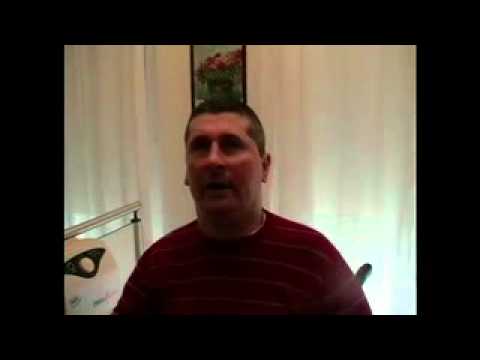




.png)















Share this listing