


The Complete Guide to Achilles Tendon Repair Surgery in Turkey: Costs, Clinics, and Recovery
A sudden pop at the back of your heel, followed by a sharp, radiating pain, is every athlete and active individual’s worst nightmare. When faced with a severe rupture, undergoing Achilles tendon repair surgery in Turkey has emerged as the premier global solution for patients seeking rapid, elite-level orthopedic intervention without the crushing financial burden often found in Western healthcare systems. You no longer have to compromise on the quality of your mobility or your financial stability.
Today, world-class medical tourism allows you to access internationally accredited orthopedic surgeons who utilize cutting-edge, minimally invasive repair techniques. Watch our comprehensive guide to discover how traveling to state-of-the-art clinics in Istanbul or Antalya can help you reclaim your active lifestyle, offering an unparalleled blend of advanced surgical precision, luxury recovery, and exceptional affordability.
Video Chapters & Quick Navigation
Understanding the Burden of an Achilles Tendon Rupture
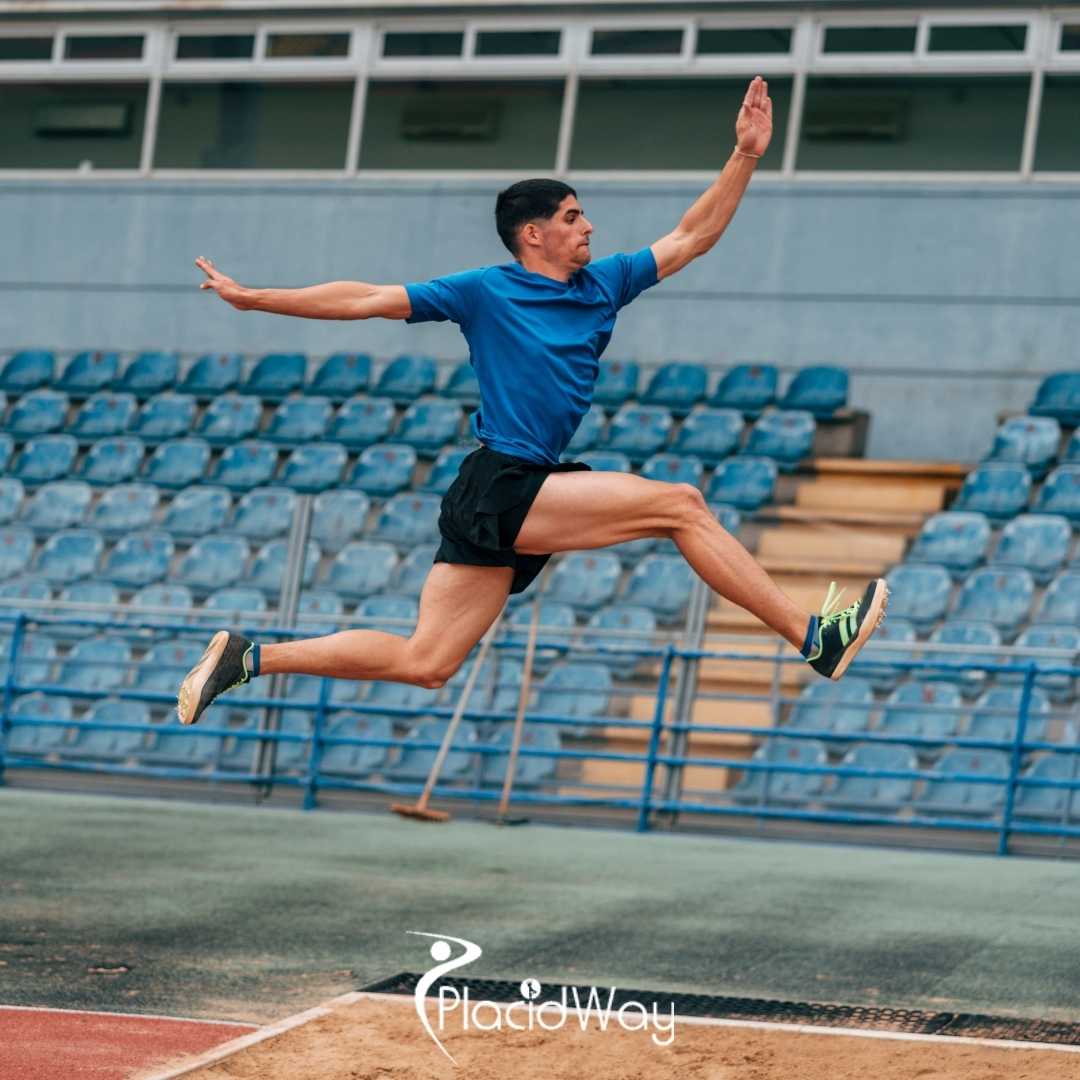
The Achilles tendon is the largest, thickest, and strongest tendon in the human body, connecting your calf muscles to your heel bone. It is the primary mechanical driver that allows you to walk, run, jump, and push off the ground. Because of the immense stress placed on this band of fibrous tissue during physical activity, it is highly susceptible to tearing or complete rupture.
As highlighted in the video at , most injuries occur during recreational sports that require sudden bursts of acceleration, pivoting, or forceful jumping. Patients often describe the sensation of being violently kicked or struck in the back of the ankle, followed immediately by an audible popping sound. This catastrophic failure of the tendon instantly compromises lower body mobility.
Once a complete rupture occurs, conservative management through casting is rarely the optimal choice for active individuals, as it significantly increases the risk of a re-rupture. Surgical intervention is the gold standard for reconnecting the torn ends of the tendon, restoring natural tension, and ensuring long-term functional recovery. However, accessing prompt, high-quality orthopedic surgery can be a daunting and expensive endeavor in many Western nations.
The Physiological Impact of Delayed Treatment
Time is of the essence when dealing with a ruptured Achilles tendon. If surgery is delayed by weeks or months, the torn ends of the tendon begin to retract further up the calf. This retraction is accompanied by the formation of dense scar tissue and the atrophy of the surrounding calf muscles.
When retraction occurs, a standard end-to-end surgical repair becomes impossible. Surgeons are then forced to employ complex tissue grafting techniques or tendon transfers to bridge the gap. By seeking timely orthopedic surgery for an Achilles rupture, patients can avoid these complicated secondary procedures and secure a more predictable healing trajectory.
This urgency is exactly why medical tourism has become a lifeline. Instead of waiting months on public healthcare lists or fighting insurance battles, patients can schedule immediate, private consultations and surgeries with world-class specialists abroad.
Why Choose Turkey for Orthopedic Achilles Surgery?
Over the past decade, Turkey has firmly established itself as a global epicenter for advanced medical tourism, particularly in the highly specialized field of orthopedics and sports medicine. Patients from the United States, the United Kingdom, Canada, and the Middle East are increasingly bypassing local providers to seek care in Istanbul, Ankara, and Antalya.
The primary driver of this trend, as noted at , is the uncompromising standard of medical excellence. The Turkish Ministry of Health, in conjunction with massive private healthcare investments, has cultivated an infrastructure of state-of-the-art “mega-hospitals” that utilize the exact same diagnostic and surgical technologies found in elite Western facilities.
Furthermore, Turkey boasts one of the highest concentrations of Joint Commission International (JCI) accredited hospitals in the world. This prestigious accreditation guarantees that the clinical protocols, sterilization standards, and patient safety measures adhere strictly to the most rigorous international guidelines.
Internationally Trained Orthopedic Surgeons
The bedrock of Turkey’s success in sports medicine is its medical professionals. Top orthopedic surgeons in Turkey frequently complete advanced fellowships in North America and Western Europe. They bring global best practices, innovative minimally invasive techniques, and extensive clinical research back to their home country.
These specialists are highly experienced in treating elite athletes and international patients alike. Their high surgical volume translates to refined surgical skills and lower complication rates. When you book a procedure for Achilles tendon repair in Istanbul, you are often being treated by a board-certified expert who performs hundreds of these specific repairs annually.
Language barriers are virtually non-existent in these premium private hospitals. The clinical teams, patient coordinators, and nursing staff are highly proficient in English, ensuring clear, compassionate, and accurate communication throughout every phase of your medical journey.
Shattering the Price Tag: The Cost of Achilles Surgery in Turkey
The financial reality of suffering an orthopedic injury in the West can be devastating. In the United States, uninsured or underinsured patients face astronomical out-of-pocket costs for hospital fees, anesthesiology, the primary surgeon, and post-operative physical therapy. Even with insurance, deductibles and co-pays can easily drain personal savings.
As detailed at , the cost of affordable Achilles tendon rupture surgery abroad is not a reflection of lower quality, but rather systemic economic differences. Lower labor costs, favorable exchange rates, and heavy government subsidies for the medical tourism sector allow Turkish clinics to offer premium healthcare at a fraction of Western prices.
To provide a clear perspective on the financial advantages of traveling for orthopedic care, consider the comprehensive comparative data in the table below. These estimates reflect the total out-of-pocket expenditure for the surgical procedure and standard hospital fees.
| Country | Average Cost Range (USD) | Wait Times |
|---|---|---|
| United States | $12,000 - $25,000+ | Immediate (If Insured/Self-Pay) |
| United Kingdom | $9,000 - $14,000 (Private) | Months (NHS) / Fast (Private) |
| Canada | $8,000 - $12,000 (Private) | Several Months (Public) |
| Turkey | $2,500 - $4,500 | Immediate / Next Available |
By electing to have your surgery performed in Turkey, you are looking at savings of up to 70% to 80%. This massive cost reduction means that even after factoring in premium international flights and luxury hotel accommodations, the total expense remains significantly lower than a domestic procedure.
Advanced Surgical Options for Tendon Repair
Orthopedic centers in Turkey do not utilize a one-size-fits-all approach to medicine. The specific surgical technique recommended by your specialist will depend heavily on the severity of the tear, the exact location of the rupture along the tendon, your age, and your desired level of future physical activity.
At , the video highlights the evolution of orthopedic surgical techniques. Turkish hospitals are equipped with the latest surgical instrumentation, allowing them to perform both traditional and highly advanced, minimally invasive repairs with exceptional precision.
1. Traditional Open Achilles Repair Surgery
The standard open repair has been the traditional backbone of orthopedic tendon surgery for decades. In this procedure, the surgeon makes a single, longer incision (typically 3 to 6 inches) longitudinally along the back of the calf and ankle. This provides complete, direct visualization of the torn tendon ends.
Once exposed, the surgeon carefully cleans away any frayed or damaged tissue, pulls the two healthy ends of the tendon together, and sutures them securely using heavy-duty, non-absorbable medical thread. Open surgery is incredibly reliable and provides exceptional structural strength, making it the preferred method for chronic tears or cases where the tendon has retracted significantly.
2. Percutaneous Achilles Repair Surgery (PARS)
For acute tears that are treated promptly, the Percutaneous Achilles Repair System (PARS) is rapidly becoming the technique of choice among top orthopedic surgeons in Turkey. This is a highly advanced, minimally invasive approach designed to vastly reduce surgical trauma to the surrounding tissues.
Instead of a large vertical incision, the surgeon creates several tiny, keyhole incisions near the site of the rupture. Utilizing specialized jig devices and advanced imaging technology, high-strength sutures are threaded through the skin and directly into the tendon. The ends are then pulled taut and tied off securely. The PARS technique drastically lowers the risk of post-operative wound infections, minimizes visible scarring, and often accelerates the early stages of rehabilitation.
3. Tendon Grafting and Augmentation
In complex cases involving severe tissue degeneration or delayed treatment, a standard end-to-end repair may be anatomically impossible. In these scenarios, Turkish orthopedic specialists utilize advanced grafting techniques. This involves harvesting a healthy tendon from another part of the patient's body—commonly the flexor hallucis longus (FHL) tendon in the foot—and transferring it to bridge the gap in the Achilles.
Alternatively, surgeons may utilize synthetic mesh augmentations or allografts to reinforce the repaired area. These complex reconstructive procedures require a master level of surgical skill, which the premier orthopedic departments in Istanbul are perfectly equipped to handle.
The All-Inclusive Medical Tourism Experience
Navigating healthcare in a foreign country might sound intimidating, but the medical tourism industry in Turkey has been optimized to provide a completely frictionless, VIP experience. Clinics do not just sell a surgery; they provide comprehensive, end-to-end medical care packages designed to remove all logistical stress from the patient.
As showcased at , these all-inclusive orthopedic packages in Turkey are meticulously curated. From the moment you land at the airport to the day you receive your fit-to-fly certificate to return home, every detail is managed by a dedicated patient coordinator.
- Pre-Operative Diagnostics: Comprehensive MRI scans, X-rays, blood panels, and cardiology clearances are typically included to ensure you are a safe candidate for anesthesia.
- The Surgical Procedure: Complete coverage of the operating theater fees, the primary orthopedic surgeon’s fees, the anesthesiologist, and all required surgical materials.
- Hospital and Hotel Stays: Packages generally cover 1 to 2 nights of inpatient care in a luxury hospital suite, followed by 5 to 7 days in a partnered 4-star or 5-star hotel for initial recovery.
- VIP Transfers: Private, wheelchair-accessible transportation between the airport, the hotel, and the hospital for all appointments.
- Post-Operative Gear: Provision of necessary medical equipment, such as customized orthopedic walking boots (CAM walkers) and specialized crutches.
- Personal Translation Services: A dedicated, bilingual host to accompany you to all medical consultations and assist with daily needs.
Top Orthopedic Clinics and Surgeons in Turkey
Through rigorous evaluation and extensive patient feedback, specific medical centers in Turkey have risen to international prominence for their exceptional work in sports medicine and traumatology. Partnering with the right facility is paramount to ensuring a successful clinical outcome.
The Memorial Hospitals Group, with elite branches in Istanbul and Antalya, is renowned for its ultra-modern infrastructure and multi-disciplinary approach to orthopedic care. Their sports medicine departments utilize cutting-edge robotic assistance and advanced digital imaging to plan complex tendon reconstructions with absolute perfection.
Another highly recommended option is the Ac?badem Healthcare Group. Known for treating professional athletes from across Europe and the Middle East, Ac?badem features dedicated physical therapy and rehabilitation centers within the hospital grounds. This allows patients to begin their critical early-stage physiotherapy under the direct supervision of their operating surgeon before flying home.
The Rehabilitation and Recovery Timeline
Surgery is only the first step in resolving an Achilles tendon rupture. The long-term success of the procedure, and your ability to return to high-impact activities, depends almost entirely on strict adherence to a structured post-operative rehabilitation protocol. Your Turkish medical team will provide a detailed roadmap for your recovery.
As explained at , the rehabilitation process is a marathon, not a sprint. Healing a major tendon requires immense patience, as pushing the repaired tissue too early can result in elongation of the tendon or a catastrophic re-rupture.
Weeks 1 to 2: Maximum Protection Phase
Immediately following the surgery, your leg will be immobilized in a cast or a rigid walking boot with specialized heel wedges. These wedges place your foot in a "plantar-flexed" (toes pointed down) position. This is absolutely critical, as it takes all mechanical tension off the freshly sutured tendon, allowing the biological healing process to commence.
During this phase, you will be strictly non-weight bearing. You must use crutches or a knee scooter to move around. The primary focus is on resting, elevating the leg above the heart to minimize swelling, and managing post-operative pain with prescribed medications.
Weeks 3 to 6: Controlled Mobilization
As the soft tissue begins to fuse, your orthopedic surgeon will gradually remove the heel wedges from your walking boot, slowly bringing your foot back to a neutral 90-degree angle. You will transition from non-weight bearing to partial weight bearing, using crutches to control the load placed on the leg.
Early physical therapy begins during this window. Therapists will guide you through gentle, passive range-of-motion exercises to prevent the ankle joint from becoming stiff and to encourage healthy collagen fiber alignment within the healing tendon. Active stretching is still strictly prohibited during this delicate phase.
Months 2 to 6: Strengthening and Normalizing Gait
Around the 6 to 8-week mark, most patients are cleared to completely transition out of the orthopedic boot and into supportive athletic shoes. You will focus intensively on normalizing your walking gait and beginning closed-chain strengthening exercises, such as seated calf raises and stationary cycling.
Over the subsequent months, the rehabilitation intensity increases significantly. The focus shifts to rebuilding the severely atrophied calf muscle. Advanced physical therapy will introduce balance training, resistance band workouts, and eventually light jogging or plyometrics as you approach the 6-month milestone. Full clearance for explosive, high-impact sports typically requires 9 to 12 months of dedicated effort.
Preparing for Your Orthopedic Trip Abroad
Traveling internationally for a major orthopedic surgery requires careful planning. First and foremost, you must secure all relevant medical documentation. Ensure you have digital copies of any previous MRI scans, X-rays, or clinical notes from your local doctors to share with your chosen clinic in Turkey.
When booking flights, it is highly recommended to select an airline that offers generous legroom or the ability to upgrade to premium economy. You will be flying back home with a heavily immobilized leg, and comfort is vital to prevent deep vein thrombosis (DVT). Inform the airline ahead of time that you will require wheelchair assistance at the departure and arrival terminals.
Packing appropriately will significantly improve your comfort. Bring loose-fitting trousers or athletic shorts that can easily fit over a bulky orthopedic cast or CAM boot. Slip-on, highly supportive shoes are essential for your healthy foot to maintain balance while using crutches.
Transforming Healing into a Restorative Retreat
Perhaps the most unique advantage of choosing Turkey for your Achilles tendon repair surgery is the environment in which you will heal. Instead of being confined to a dreary hospital room at home, your initial recovery phase takes place in a world-renowned tourism destination.
While mobility will be restricted during the first week, patients can still enjoy the immense restorative benefits of the Mediterranean climate. Relaxing on a hotel balcony overlooking the Bosphorus strait in Istanbul, or enjoying the coastal breeze in Antalya, provides a deeply calming atmosphere that actively lowers stress hormones and promotes better physical healing.
Furthermore, the world-famous Turkish hospitality ensures that every aspect of your stay is handled with warmth and dignity. Hotel staff are highly accustomed to accommodating medical tourists, offering customized room service, easy accessibility modifications, and a genuine commitment to your comfort.
An Achilles tendon rupture is a major setback, but the path to recovery does not have to be characterized by insurmountable debt or endlessly delayed waiting lists. By choosing comprehensive medical tourism, you take proactive control of your health, ensuring that you receive the highest standard of surgical precision available in the modern medical landscape.
Ready to Reclaim Your Mobility in Turkey?
PlacidWay Medical Tourism connects you with internationally accredited orthopedic centers in Turkey, offering world-class Achilles tendon repair surgery at a fraction of the cost. Let our expert team handle the logistics so you can focus on healing.
GET A FREE QUOTE
-Treatment-Package-in-Izmir,-Turkey.png)
.png)
















Share this listing