


The Complete Guide to PLDD Dr. Gian Paolo Tassi Treatment for Spinal Hernia in Italy
About this guide: Living with debilitating back pain can quickly drain the joy from everyday life. For individuals suffering from sciatic pain or a bulging disc, finding a highly effective, safe solution is paramount to restoring quality of life. You no longer have to rely on highly invasive traditional open back surgery. The PLDD Dr. Gian Paolo Tassi treatment of a spinal hernia in Italy offers a revolutionary, non-surgical slipped disc relief alternative.
By utilizing state-of-the-art laser technology, this minimally invasive spine surgery gently relieves painful nerve pressure without the need for scalpels or general anesthesia. Read on to discover how Percutaneous Laser Disc Decompression can help you reclaim your mobility, eliminate radiating pain, and return to a vibrant, active lifestyle through world-class Italian medical expertise.
Video Chapters & Quick Navigation
The Hidden Epidemic of Spinal Disc Herniation
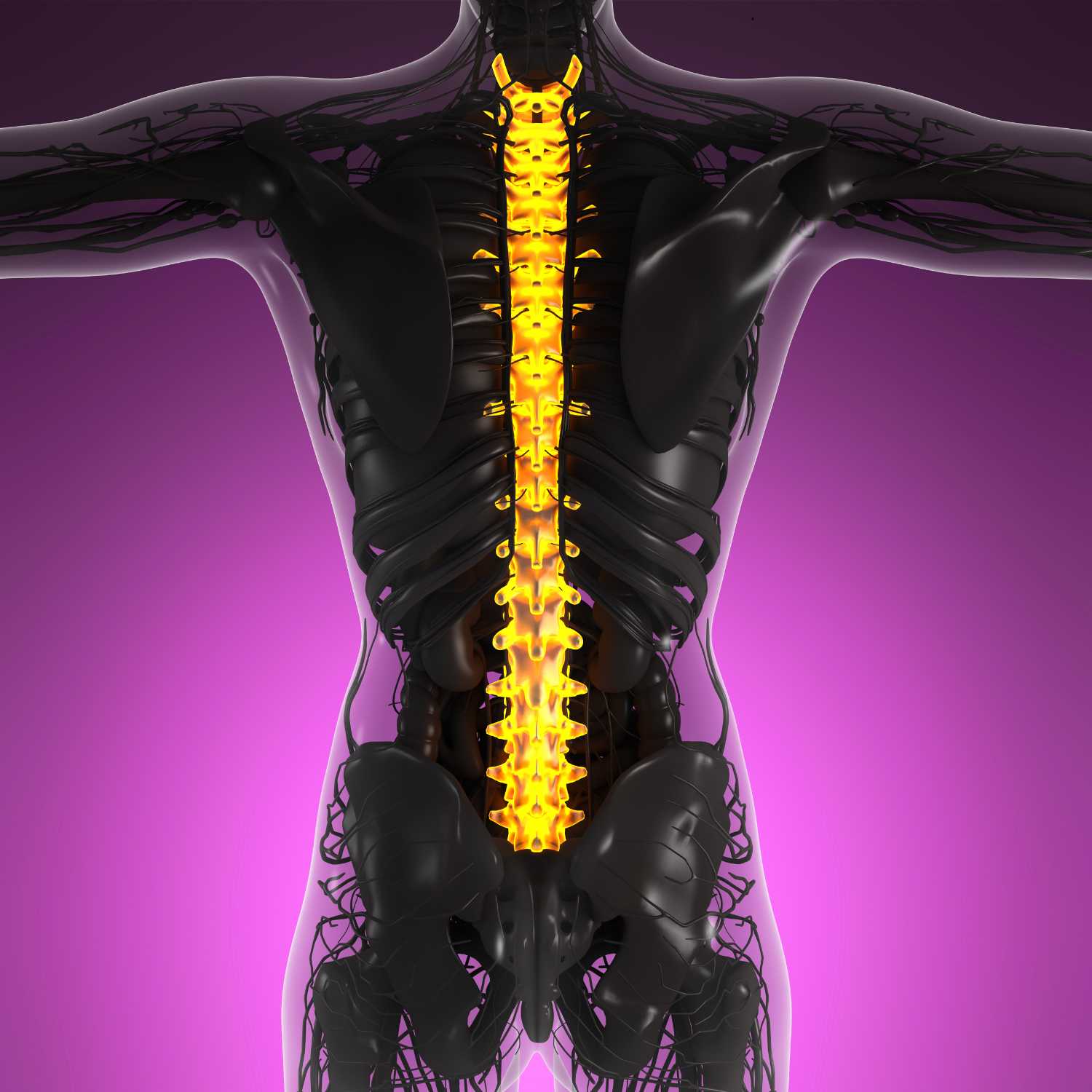
To fully appreciate the breakthrough nature of Percutaneous Laser Disc Decompression, it is vital to first understand the mechanics of the human spine. The intervertebral discs act as essential shock absorbers between the bony vertebrae. They allow us to bend, twist, and lift while protecting the spinal cord.
These discs consist of a tough outer layer called the annulus fibrosus and a soft, gel-like inner core known as the nucleus pulposus. Over time, due to aging, poor posture, heavy lifting, or sudden trauma, the tough outer layer can weaken or tear. When this occurs, the internal gel pushes outward, creating what is medically termed a disc herniation.
The Ripple Effect of Nerve Compression
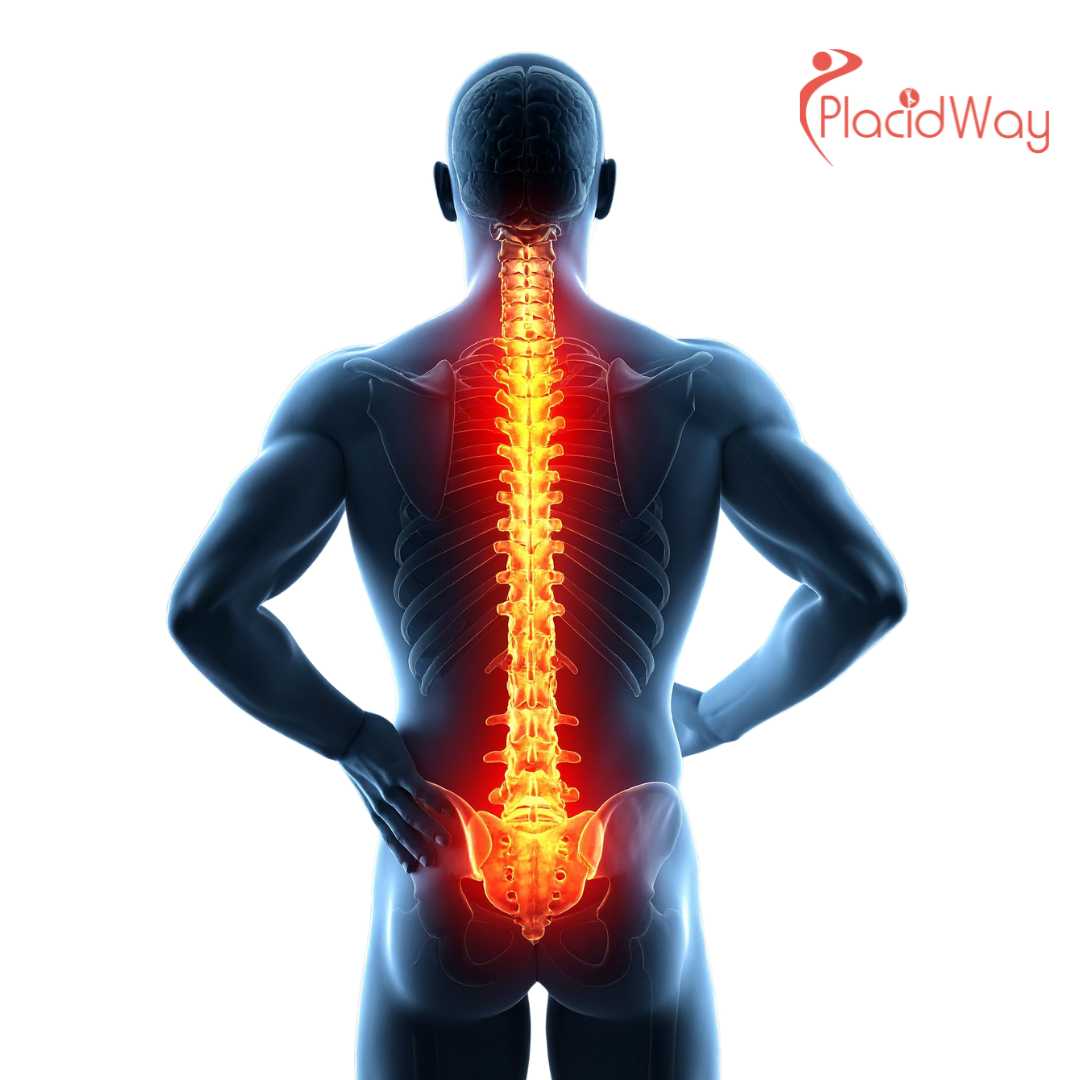
The spine is a highly crowded anatomical space. When a disc herniates or bulges out of its designated area, it frequently presses against nearby sensitive spinal nerves. This mechanical compression triggers an intense inflammatory response.
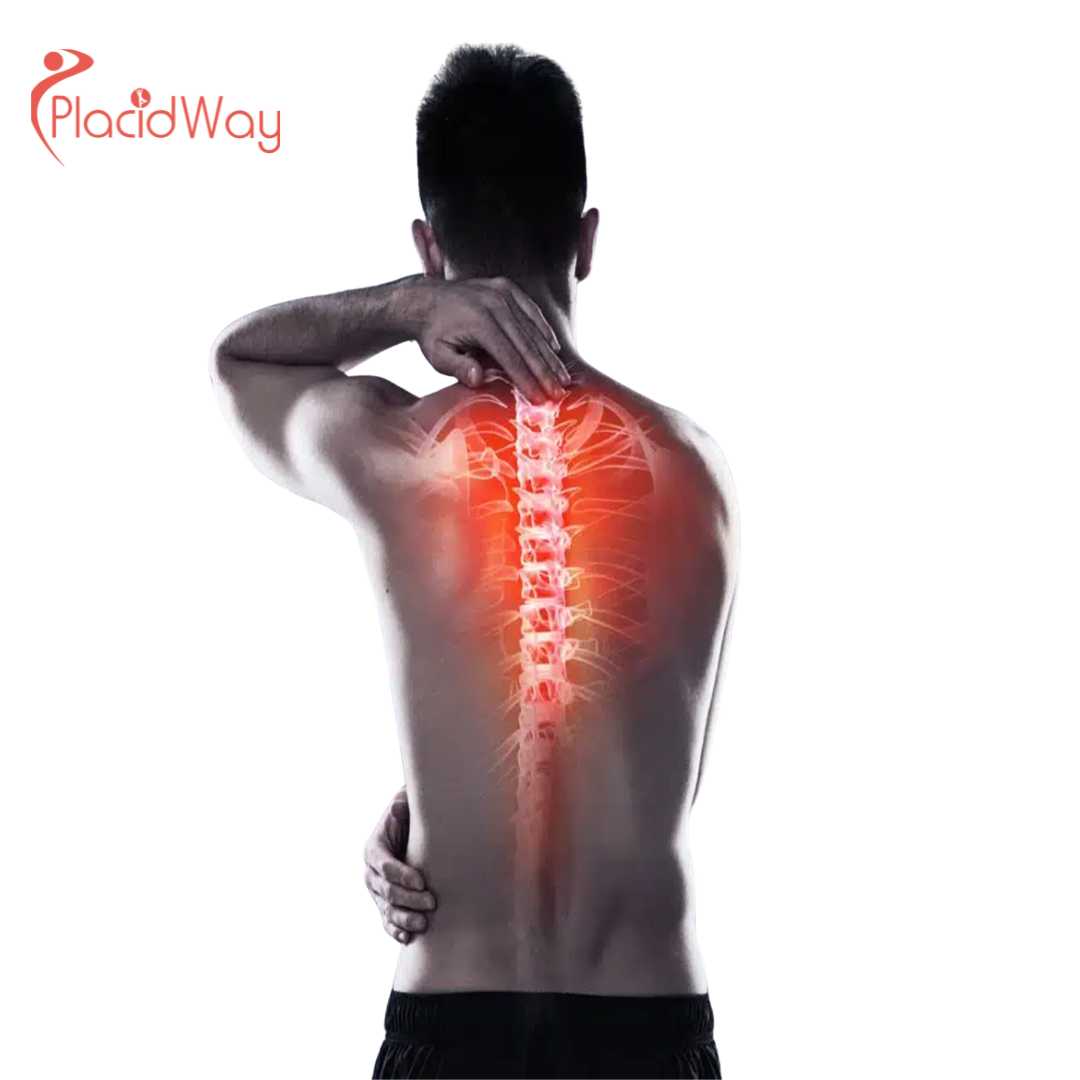
Patients often experience localized lower back or neck pain, but the suffering rarely stops there. The pain usually radiates down the pathways of the compressed nerves. For lumbar herniations, this results in severe sciatica—a sharp, shooting pain that travels through the buttocks and down the leg, often accompanied by numbness or tingling.
What is Percutaneous Laser Disc Decompression (PLDD)?
Historically, the primary solution for a severely herniated disc was open microdiscectomy—a surgical procedure involving general anesthesia, bone removal, and a significant recovery period. Percutaneous Laser Disc Decompression (PLDD) changes this paradigm entirely. It is a highly advanced, minimally invasive spinal disc herniation treatment option that relies on basic physics rather than aggressive surgical cutting.
Invented in 1986 by Dr. Daniel Choy, PLDD operates on the principle of a closed hydraulic system. Because the intervertebral disc is essentially a sealed fluid-filled chamber, a minuscule change in its internal volume leads to a massive drop in internal pressure. By utilizing laser energy to target this closed environment, PLDD effectively treats the root cause of nerve compression.
The Physics of Laser Spinal Decompression
During the PLDD procedure, specialized laser energy (often an Nd:YAG or diode laser) is delivered directly into the center of the herniated disc via a microscopic optical fiber. The laser energy heats the water content within the nucleus pulposus, instantly vaporizing a tiny amount of the gel.
Vaporizing just a few millimeters of disc material creates a dramatic vacuum effect within the disc space. This negative pressure actually draws the herniated portion of the disc away from the compressed nerve root. As the bulging disc retracts, nerve irritation is rapidly eliminated, and the patient experiences immediate or highly accelerated pain relief.
Meet Dr. Gian Paolo Tassi: A Pioneer in Laser Spine Surgery
The success of minimally invasive spine surgery depends heavily on the skill, experience, and precision of the performing physician. When discussing PLDD in Europe, the name Dr. Gian Paolo Tassi is universally recognized. He is considered one of the foremost authorities on non-surgical slipped disc relief and laser spine interventions.
Dr. Tassi is a highly distinguished neurosurgeon who introduced the PLDD technique to Italy after training extensively under the guidance of Dr. Daniel Choy, the inventor of the procedure in New York. With thousands of successful cases to his name, Dr. Tassi has refined the application of PLDD, bringing relief to patients who were previously told that highly invasive open back surgery was their only remaining option.
A Legacy of Patient-Centric Innovation
Dr. Gian Paolo Tassi reviews frequently highlight his meticulous diagnostic approach and his deep commitment to patient safety. His extensive background in neurosurgery allows him to accurately assess complex spinal pathologies. He carefully selects candidates for PLDD, ensuring that the procedure is only performed on individuals who have the highest statistical probability of a successful outcome.
Operating out of premier medical facilities in Italy, Dr. Tassi has established a center of excellence that attracts patients from the United Kingdom, the United States, and across Europe. His pioneering work has firmly positioned Italy as a leading global destination for advanced, minimally invasive orthopedic and neurosurgical care.
The Step-by-Step PLDD Treatment Process
Understanding exactly what happens during the PLDD Dr. Gian Paolo Tassi treatment helps alleviate the anxiety many patients feel when facing spinal intervention. Unlike traditional back surgery, which requires hospital admission and extensive preparation, PLDD is typically performed on an outpatient basis.
The process begins with the patient lying comfortably on an operating table. To ensure complete comfort, the surgical team administers a local anesthetic to numb the skin and the targeted area of the back. Because general anesthesia is not used, the patient remains awake, alert, and able to communicate with Dr. Tassi throughout the entire process.
Precision Through Fluoroscopic Guidance
Once the area is numb, Dr. Tassi utilizes an advanced C-arm fluoroscope. This specialized X-ray machine provides real-time, continuous imaging of the spine. Relying on this precise imaging, he guides a hollow needle (cannula) through the skin and muscles, safely avoiding all nerves, until the tip rests perfectly inside the nucleus of the herniated disc.
Applying the Laser Energy
An incredibly thin optical fiber is then threaded through the hollow needle. Once positioned correctly, the laser is activated in short, controlled bursts. The laser vaporizes the targeted disc material, initiating the crucial pressure drop. The entire laser application takes only a few minutes per disc.
After the decompression is achieved, the needle is gently removed. Because the entry point is so small, no stitches are required. A simple, small adhesive bandage is placed over the puncture site, and the procedure is officially complete. The total time spent in the operating room is usually under 45 minutes.
Key Advantages of Minimally Invasive Laser Spine Surgery
The paradigm shift from open surgery to percutaneous laser intervention brings an array of profound benefits for patients suffering from spinal disc herniation. The goal of PLDD is to provide maximum symptomatic relief with absolute minimal trauma to the body's natural structures.
- No General Anesthesia: Bypassing general anesthesia removes the cardiovascular and respiratory risks associated with being put to sleep, making PLDD accessible to older patients or those with underlying health issues.
- Zero Structural Damage: Traditional surgery requires stripping away spinal muscles and cutting through bone (laminectomy) to access the disc. PLDD uses a needle to bypass these tissues entirely, preserving the structural integrity of the spine.
- Elimination of Scar Tissue: Open spine surgeries often lead to epidural scarring, which can bind to nerve roots and cause "failed back surgery syndrome." Because PLDD is an internal puncture, the risk of external or internal nerve scarring is virtually zero.
- Rapid Outpatient Recovery: Patients do not need to endure extended hospital stays. In fact, most individuals stand up and walk out of the clinic just a few hours after the procedure is finished.
Comparing Spinal Hernia Treatments: Open Surgery vs. PLDD
When evaluating spinal disc herniation treatment options, patients must weigh the physical toll of traditional surgery against modern minimally invasive alternatives. The table below outlines the stark contrasts between a standard microdiscectomy and Percutaneous Laser Disc Decompression.
| Feature | Traditional Open Surgery (Microdiscectomy) | PLDD with Dr. Tassi |
|---|---|---|
| Anesthesia | General Anesthesia (Unconscious) | Local Anesthesia (Awake & Alert) |
| Incision Size | 1.5 to 3-inch surgical incision | No incision; 1mm needle puncture |
| Tissue Damage | Muscle dissection and bone removal required | No muscle cutting or bone removal |
| Hospital Stay | 1 to 3 days inpatient stay | Outpatient; leave within hours |
| Return to Work | 4 to 8 weeks depending on occupation | 1 to 2 weeks for light duty |
Medical Tourism: Why Choose Italy for Herniated Disc Treatment?
Choosing to travel across borders for medical care is a significant decision. However, Italian medical tourism for spine surgery is experiencing exponential growth, and for good reason. Italy boasts one of the most highly rated healthcare systems in the world, combining rigorous European medical standards with exceptional patient hospitality.
For international patients, particularly those from the United States or the United Kingdom, the cost of PLDD in Italy is a major driving factor. Private spine surgery in North America can result in exorbitant out-of-pocket expenses, often reaching tens of thousands of dollars. By seeking treatment in Italy with a renowned specialist like Dr. Gian Paolo Tassi, patients receive premium, VIP medical care at a fraction of the cost.
Healing in a Serene Environment
Beyond the financial and clinical advantages, Italy offers an unparalleled environment for recovery. Minimally invasive spine surgery recovery time is vastly reduced, allowing patients to enjoy their surroundings rather than being confined to a hospital bed.
After a brief period of required rest, recovering individuals can enjoy the restorative climate, world-renowned Mediterranean cuisine, and the tranquil beauty of Italian landscapes. The psychological benefits of recovering in a stress-free, culturally rich environment play a crucial role in overall physical healing and well-being.
Are You a Candidate for Percutaneous Laser Disc Decompression?
While PLDD is a highly effective treatment, it is important to note that it is not suitable for every type of spinal pathology. Dr. Gian Paolo Tassi conducts thorough evaluations using high-resolution MRI scans to determine if a patient’s specific condition will respond favorably to laser decompression.
Ideal candidates for PLDD are generally those suffering from a "contained" disc herniation. This means the gel-like nucleus is bulging outward and pressing on a nerve, but the outer annulus wall is still intact and has not completely ruptured. Patients experiencing continuous sciatic or radicular arm pain who have not found relief through conservative treatments like physical therapy, chiropractic care, or epidural steroid injections are prime candidates.
Conditions That Require Alternative Interventions
Conversely, if a disc has severely ruptured and the inner gel has leaked completely into the spinal canal (an extruded or sequestered disc), the closed hydraulic environment required for PLDD no longer exists. In such cases, the laser cannot effectively create the necessary vacuum pressure.
Additionally, patients suffering from severe bony spinal stenosis, advanced degenerative disc disease with total disc collapse, or spinal instability (spondylolisthesis) may require alternative surgical interventions. A remote consultation involving an MRI review with Dr. Tassi’s team is the first crucial step in determining your medical eligibility.
Post-Operative Recovery Timeline and Care
The laser spine surgery recovery time is one of the most celebrated aspects of the PLDD procedure. Because there is no muscular trauma, the immediate post-operative period is remarkably manageable. Patients are typically monitored for a few hours in a comfortable recovery room before being discharged.
Many patients report feeling an immediate reduction in their radiating nerve pain the moment they stand up. However, it is common to experience some mild localized soreness at the needle insertion site or a temporary flare-up of inflammation as the nerve begins to heal and the disc reshapes itself.
The First Few Weeks of Healing
During the first week, patients are advised to engage in light walking but must strictly avoid heavy lifting, aggressive twisting, or prolonged periods of sitting. This resting phase allows the treated disc to stabilize. Most individuals can return to desk jobs or light duty work within 7 to 10 days.
Dr. Tassi will provide a customized post-operative rehabilitation plan. A specialized physical therapy regimen usually begins a few weeks after the procedure. This therapy focuses on strengthening the core muscles that support the lumbar or cervical spine, ensuring the longevity of the decompression results.
Committing to Long-Term Spinal Health
The PLDD procedure offers a brilliant reset button for patients suffering from chronic disc-related pain. By effectively removing the pressure from the spinal nerves, it provides a window of opportunity to reclaim an active life. However, maintaining that pain-free status requires a commitment to long-term spinal hygiene.
Patients are highly encouraged to maintain a healthy body weight, as excess weight drastically increases the mechanical load on the lower lumbar discs. Embracing an active lifestyle that includes daily walking, swimming, or Pilates ensures that the spinal structures remain flexible and well-supported by surrounding core musculature.
Choosing to undergo the PLDD Dr. Gian Paolo Tassi treatment in Italy is the first step toward a renewed life. It eliminates the fear associated with traditional spine surgery and replaces it with a scientifically sound, minimally invasive path to recovery. You do not have to live with the heavy burden of chronic back pain any longer.
Ready to Reclaim Your Life from Back Pain?
Stop letting a spinal hernia control your daily activities. PlacidWay Medical Tourism can connect you directly with Dr. Gian Paolo Tassi in Italy for a remote MRI review and customized treatment plan. Experience world-class minimally invasive spine surgery at an affordable price.
REQUEST A FREE CONSULTATION

.png)


.png)

.png)



Share this listing