


Groin Pain Associated with Lower Lumbar Disc Herniation in Italy: A Complete Patient Guide
Experiencing unexplained, radiating pelvic discomfort can be deeply alarming, especially when the root cause actually originates in your spine. Groin pain associated with lower lumbar disc herniation in Italy is an increasingly recognized medical condition that is drawing patients from around the globe to European medical hubs. Often misdiagnosed as hip joint deterioration, sports hernias, or localized pelvic issues, lower back nerve compression requires highly specialized neurological assessment and care.
Watch this comprehensive presentation to understand exactly how top-tier Italian spine clinics diagnose, manage, and definitively treat radiating groin pain. You will discover how Italy’s healthcare system combines cutting-edge, minimally invasive surgical interventions with world-renowned post-operative rehabilitation, all at a fraction of the cost found in the United States or the United Kingdom.
Video Chapters & Quick Navigation
Understanding Groin Pain Associated with Lower Lumbar Disc Herniation
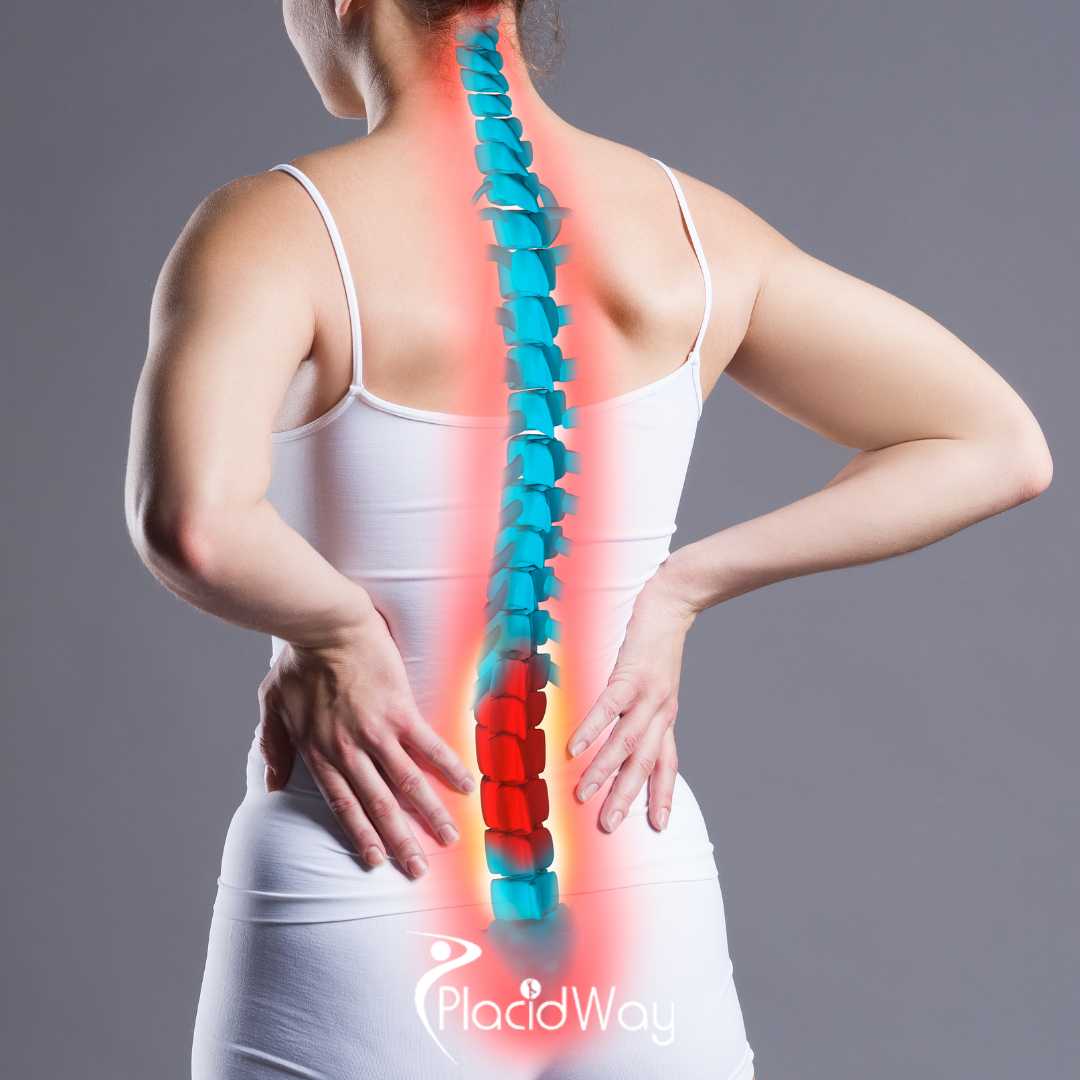
When discussing spinal health, most patients associate a herniated disc strictly with localized back pain or sciatica radiating down the back of the leg. However, anatomical complexities dictate that lower lumbar disc herniation treatment in Italy often involves addressing severe, debilitating groin pain. This occurs when the gel-like center of a spinal disc pushes through a tear in its tough exterior ring, directly compressing specific nerve roots .
The upper lumbar nerve roots, specifically the L1, L2, and L3 nerves, are primarily responsible for supplying sensation to the groin and anterior thigh regions. When a disc herniates at the L3-L4 or even the L4-L5 junction, the resulting inflammatory cascade and mechanical pressure can send sharp, electrical pain directly into the pelvic and inguinal areas. Recognizing this specific neural pathway is the first critical step toward achieving lasting relief.
The Physiological Mechanics of Referred Pain
Referred pain is a medical phenomenon where pain is perceived at a location other than the site of the painful stimulus. In the context of the lumbar spine, the dorsal root ganglion acts as a major relay station for sensory information. If a herniated disc impinges on this highly sensitive neural structure, the brain interprets the distress signals as originating from the groin .
This discomfort can range from a dull, persistent ache to sudden, sharp, shooting pains that make walking, sitting, or standing unbearable. Patients frequently report that coughing, sneezing, or bearing down exacerbates the groin discomfort. This exacerbation is a classic hallmark of increased intraspinal pressure, a key indicator that the root cause is spinal rather than an isolated pelvic injury.
The High Risks of Medical Misdiagnosis
One of the most frustrating aspects for patients suffering from L4 L5 disc herniation groin pain symptoms is the long, convoluted journey to an accurate diagnosis. Because the primary symptom manifests in the groin, initial medical consultations rarely focus on the spine. Patients are frequently misdirected to urologists, gynecologists, or orthopedic hip specialists.
Common misdiagnoses include hip osteoarthritis, inguinal hernias, kidney stones, or localized muscle strains. Patients may undergo months of ineffective physical therapy targeted at the hip flexors or, worse, invasive procedures that fail to address the underlying spinal nerve compression . This delay in appropriate treatment allows chronic nerve damage to progress, making eventual recovery more complex and time-consuming.
Differentiating Spinal Issues from Hip Pathology
Distinguishing between true hip pathology and referred spinal pain requires astute clinical expertise. Hip joint pain typically worsens with internal and external rotation of the leg, and is often felt deeply in the groin crease. Conversely, groin discomfort originating from a lumbar disc herniation is usually accompanied by other neurological signs.
These neurological signs include tingling, numbness, or a burning sensation traveling down the front or side of the thigh. International spine specialists in Milan and Rome utilize highly specific provocative tests, such as the femoral nerve stretch test, to accurately isolate the pain generator and differentiate between a localized joint issue and radicular nerve compression.
Why Are Patients Choosing Italy for Spine Surgery?
Over the past decade, Italy has quietly ascended as a premier global destination for complex neurological and orthopedic care. The influx of medical tourists seeking relief from conditions like sciatic nerve pain and groin discomfort is not a coincidence. Italian healthcare seamlessly blends centuries of medical tradition with ultra-modern, state-of-the-art technological advancements.
For patients residing in the US, Canada, or the UK, accessing specialized spine care often means facing exorbitant out-of-pocket costs or enduring agonizingly long waitlists on public health systems. Italy offers an attractive alternative: immediate access to world-renowned neurosurgeons, VIP hospital accommodations, and Joint Commission International (JCI) accredited facilities without the financial ruin .
The Standard of Italian Neurosurgical Excellence
Italian medical universities are globally recognized for their rigorous training programs in neurology and orthopedics. The neurosurgeons practicing in top-tier Italian clinics frequently hold dual fellowships, having trained extensively in North America, Germany, and Switzerland. This cross-pollination of medical knowledge ensures that patients receive care based on the most current, evidence-based global protocols.
Furthermore, Italian clinics are heavily invested in robotic spine surgery and intraoperative neuronavigation systems. These advanced tools allow surgeons to operate with pinpoint, sub-millimeter accuracy. This precision minimizes damage to surrounding healthy muscle tissue, drastically reduces blood loss, and accelerates the patient's postoperative healing timeline.
Advanced Diagnostic Imaging Protocols in Italy
Before any treatment plan is initiated, securing a flawless diagnostic picture is paramount. The journey to curing groin pain associated with lower lumbar disc herniation in Italy begins in the radiology department. Italian medical centers utilize high-field 3 Tesla (3T) MRI scanners, which provide unparalleled clarity of the spinal cord, nerve roots, and intervertebral discs.
Unlike standard X-rays, which only show bone structures, a 3T MRI can precisely identify the exact degree of disc herniation and the specific millimeter where the nerve is being pinched. If MRI results are inconclusive or if the patient has a pacemaker preventing magnetic imaging, Italian specialists will employ CT myelography to map out the spinal canal with exceptional detail .
Electromyography (EMG) and Nerve Conduction Studies
To fully understand the extent of nerve damage causing the groin pain, structural imaging is often paired with functional nerve testing. Electromyography (EMG) involves inserting microscopic needles into specific muscle groups to measure electrical activity. This helps the neurologist determine if the nerve compression has led to active muscle denervation.
Nerve conduction velocity (NCV) studies measure the speed and strength of electrical signals traveling through the peripheral nerves. Together, these functional diagnostics confirm whether the pain radiating to the groin is an acute, reversible issue or if chronic nerve scarring has occurred. This distinction directly dictates whether conservative management or surgical intervention is the most appropriate next step.
Minimally Invasive Treatments for Lumbar Disc Herniation
The era of large, open back surgeries requiring massive incisions and months of painful recovery is largely over. Today, minimally invasive spine surgery clinics in Italy prioritize tissue-sparing techniques. If a patient's groin pain has not responded to conservative measures like physical therapy or epidural steroid injections, modern surgical options offer highly effective, rapid relief.
The primary goal of these procedures is to decompress the affected nerve root while preserving the structural stability of the spine. By utilizing tubular retractors and high-powered microscopes, surgeons can access the herniated disc through an incision smaller than a coin. This approach dramatically reduces the risk of postoperative infection and allows patients to mobilize mere hours after waking from anesthesia .
Microdiscectomy: The Gold Standard
A lumbar microdiscectomy is considered the gold standard treatment for symptomatic disc herniations. During this procedure, the surgeon carefully removes only the portion of the herniated disc material that is actively pressing against the spinal nerve. The healthy portion of the intervertebral disc is left completely intact to maintain shock absorption and spinal flexibility.
In Italy, top neurosurgeons perform this procedure using advanced surgical microscopes that provide vivid 3D magnification of the neural elements. Patients suffering from excruciating groin pain often wake up from a microdiscectomy reporting immediate, total relief from their radicular symptoms. Hospital stays for this procedure are remarkably brief, typically ranging from a single overnight stay to outpatient discharge.
Endoscopic Spine Surgery (ESS)
Pushing the boundaries of minimally invasive care even further, many Italian centers now offer Endoscopic Spine Surgery (ESS). This ultra-minimally invasive technique uses an endoscope—a tiny camera equipped with a light and microscopic working channels—inserted through a quarter-inch skin puncture. The surgeon watches a high-definition monitor while removing the offending disc fragments.
Because ESS does not require cutting through major back muscles or removing significant bone, the recovery timeline is astonishingly fast. Patients experience minimal surgical site pain and can often return to light activities and desk work within a week. For international patients traveling for care, ESS means less time spent in a hospital bed and more time enjoying a comfortable, mobile recovery.
Global Cost Comparison: Spine Surgery Economics
Financial anxiety should never prevent a patient from receiving necessary neurological care. Unfortunately, the cost of herniated disc surgery in the United States has skyrocketed, often leaving underinsured patients facing insurmountable debt. Even with comprehensive insurance, high deductibles and co-pays can create massive financial burdens.
The cost of herniated disc surgery in Italy presents a drastically different reality. Due to lower administrative overhead, favorable exchange rates, and a highly regulated private healthcare sector, Italian clinics can offer premium surgical packages at a fraction of North American prices. These all-inclusive packages generally cover surgeon fees, anesthesiology, operating room time, premium implants, hospital stays, and initial physical therapy .
| Treatment Type | United States (Est.) | United Kingdom (Private) | Italy (Est. Package) |
|---|---|---|---|
| Lumbar Microdiscectomy | $25,000 - $40,000 | £12,000 - £18,000 | €7,500 - €10,000 |
| Endoscopic Spine Surgery | $30,000 - $50,000 | £15,000 - £22,000 | €8,500 - €12,000 |
| Artificial Disc Replacement | $45,000 - $70,000 | £25,000 - £35,000 | €14,000 - €18,000 |
| Comprehensive MRI & Diagnostics | $2,000 - $5,000 | £800 - £1,500 | €400 - €800 |
Top Medical Destinations for Spinal Care in Italy
Choosing the right location for your spine surgery is just as important as selecting the right procedure. Italy boasts several distinct medical hubs that cater specifically to the needs of international medical tourists. These facilities combine stringent clinical governance with dedicated international patient departments to ensure a seamless, stress-free experience.
From providing multilingual medical liaisons to assisting with visa applications and airport transfers, these clinics understand the complexities of traveling abroad for major surgery. The goal is to allow the patient to focus entirely on their healing, while the administrative and logistical burdens are expertly managed by local medical coordinators.
Milan: The Hub of Advanced Neurosurgery
Milan is widely regarded as the economic and technological powerhouse of Italy, and this reputation extends firmly into the medical sector. Hospitals in Milan are frequently ranked among the top research and clinical institutions in Europe. Facilities such as Ospedale San Raffaele and the Galeazzi Orthopedic Institute are world-renowned for their dedicated spine units.
These Milanese clinics heavily invest in clinical trials and the latest surgical robotics. For patients dealing with complex, multi-level disc herniations or severe lower back pain radiating to the groin, Milan offers an unparalleled concentration of neurological expertise and high-tech surgical resources.
Rome and Bologna: Healing Amidst History
For patients who prefer a different cultural backdrop for their recovery, Rome and Bologna offer exceptional alternatives. Rome is home to expansive, ultra-modern private clinics like the Paideia International Hospital, which routinely treats foreign diplomats and international dignitaries requiring discreet, premium medical care.
Bologna hosts the legendary Istituto Ortopedico Rizzoli, an institution that has literally written textbooks on modern orthopedics and spinal biomechanics. Recovering in these culturally rich cities provides a unique psychological boost; patients can recuperate in serene environments, enjoying the therapeutic benefits of the renowned Mediterranean climate and diet .
The Patient Journey: Traveling to Italy for Medical Care
Embarking on a journey across the globe for spinal surgery might seem daunting, but modern medical tourism facilitation has turned it into a highly streamlined process. The journey to resolve groin pain associated with lower lumbar disc herniation in Italy begins long before you board an airplane. It starts with a comprehensive virtual consultation.
Patients are instructed to securely upload their recent MRI scans, medical history, and detailed symptom reports via encrypted portals. Top Italian spine specialists will meticulously review these files and conduct a video consultation to discuss the diagnosis, propose a tailored surgical plan, and outline exact transparent costs. This ensures that every patient travels with absolute clarity regarding their medical itinerary.
Pre-Surgical Preparation and Arrival
Upon arrival in Italy, patients are typically greeted at the airport by a private driver and a medical concierge. Before any surgical intervention takes place, the hospital conducts a rigorous battery of pre-operative tests. This includes fresh blood panels, an EKG, consultations with the lead anesthesiologist, and often a confirming MRI scan to ensure no anatomical changes have occurred since the initial remote assessment.
This exhaustive preparation phase guarantees maximum patient safety. The international patient departments also assist accompanying family members, helping to arrange comfortable hotel accommodations near the hospital, local transportation, and communication translation services.
Post-Operative Recovery and Rehabilitation
The true secret to the high success rates of lumbar disc herniation treatment in Italy lies in their approach to postoperative rehabilitation. Italian medical philosophy emphasizes immediate, guided mobilization. Within 24 hours of a microdiscectomy, specialized physiotherapists work with patients to stand, walk, and begin gentle core stabilization movements.
Many clinics offer integrated rehabilitation packages where patients transition from the surgical ward directly to an inpatient wellness facility. Here, they undergo tailored physical therapy, utilizing modalities like hydrotherapy in heated pools, transcutaneous electrical nerve stimulation (TENS), and personalized ergonomic training. By the time patients are cleared to fly home, they are equipped with the strength, knowledge, and confidence needed to maintain a pain-free, active lifestyle.
Ready to Eliminate Your Spinal and Groin Pain?
Stop letting a misdiagnosed herniated disc dictate your quality of life. PlacidWay connects you with Italy’s most elite, highly accredited spine clinics for safe, affordable, and permanent relief. Let our experts handle the logistics while you focus on reclaiming your health.
GET A FREE MEDICAL QUOTE TODAY




.png)



.png)










Share this listing