


The Breakthrough of Stem Cell Therapy Treatment for Multiple Sclerosis in Kiev Ukraine
For millions living with debilitating neurological conditions, finding an effective, long-lasting intervention is paramount. Navigating the complex world of Stem Cell Therapy Treatment for Multiple Sclerosis in Kiev Ukraine presents a groundbreaking opportunity to halt disease progression and regain lost functionality. Traditional disease-modifying therapies often fall short, focusing merely on symptom management rather than addressing the root cause of autoimmune demyelination.
Today, advanced regenerative medicine offers a profound alternative. Leading medical institutions in Eastern Europe are pioneering innovative immunomodulatory treatments that are changing lives. Watch as we delve into the science, the patient experience, and why global patients are seeking affordable MS stem cell treatment in Europe to reclaim their independence and vitality.
Video Chapters & Quick Navigation
Understanding Multiple Sclerosis and the Urgent Need for Advanced Care
Multiple Sclerosis (MS) is a relentless, chronic autoimmune disease that affects the central nervous system, creating a profound impact on a patient's quality of life. In healthy individuals, the immune system protects the body from foreign invaders. However, in patients suffering from MS, the immune system mistakenly attacks the myelin sheath—the protective covering of nerve fibers in the brain and spinal cord. This aggressive attack disrupts the seamless flow of electrical impulses between the brain and the rest of the body.
As highlighted at in the presentation, the resultant nerve damage leads to a myriad of debilitating symptoms. Patients frequently experience chronic fatigue, severe mobility issues, muscle spasticity, and cognitive impairments. Because the disease manifests differently in every patient, predicting the trajectory of MS is notoriously difficult, making proactive and aggressive treatment essential for preserving neurological function.
The urgency to find effective therapies is driven by the progressive nature of the disease. Over time, the continuous demyelination causes irreversible nerve damage, leading to permanent disability. Finding a treatment that not only stops the autoimmune attack but also encourages the repair of damaged tissue is the holy grail of neurological research. This urgent need has paved the way for the integration of regenerative medicine into mainstream MS protocols.
The Limitations of Conventional MS Treatments
For decades, the standard of care for Multiple Sclerosis has revolved around Disease-Modifying Therapies (DMTs) and powerful immunosuppressants. While these medications are crucial for reducing the frequency and severity of relapses, they come with significant limitations. Traditional pharmaceuticals are designed to manage the condition rather than cure it, meaning patients must remain on these costly medications for the duration of their lives.
Furthermore, standard MS medications often carry a heavy burden of side effects. Patients routinely report liver toxicity, severe susceptibility to opportunistic infections, and extreme fatigue as a direct result of their medication regimens. More importantly, as discussed at , conventional treatments fail to address the repair of the already damaged myelin sheath. They do not possess the biological capability to reverse existing neurological deficits, leaving patients with accumulated disabilities.
This plateau in conventional medical efficacy has left a massive void in patient care. Those suffering from secondary progressive or primary progressive MS often find that standard therapies eventually lose their effectiveness entirely. The frustration of disease progression despite strict adherence to medication protocols is the primary catalyst driving patients to explore advanced, alternative options abroad.
How Stem Cell Therapy Offers a New Paradigm
Stem cell therapy represents a paradigm shift in the management of autoimmune neurological disorders. Unlike chemical pharmaceuticals, stem cells are living, intelligent biological agents capable of interacting dynamically with the patient's body. The fundamental goal of stem cell therapy for MS is twofold: to fundamentally reset the malfunctioning immune system and to promote the regeneration of damaged neural tissues.
When introduced into the patient's system, specific types of stem cells act as potent immunomodulators. They seek out areas of inflammation within the central nervous system and release cytokines and growth factors. These specialized proteins calm the aggressive autoimmune response, effectively telling the immune system to stop attacking the host's own tissues. This mechanism can halt the progression of the disease in a way that traditional medications simply cannot achieve.
Beyond halting the attack, the true breakthrough lies in the potential for remyelination. As noted at , stem cells stimulate the body's endogenous repair mechanisms. They encourage the production of oligodendrocytes, the cells responsible for creating new myelin. While total reversal of long-standing damage is challenging, many patients experience significant symptom relief and a return of lost functional abilities due to this neuroprotective and regenerative process.
Types of Stem Cell Treatments Available for MS Patients
The field of regenerative medicine is incredibly diverse, and "stem cell therapy" is an umbrella term encompassing several distinct medical protocols. When seeking Multiple Sclerosis symptom relief stem cell therapy, it is vital to understand the different methodologies utilized by leading clinics. The two primary approaches dominating the medical landscape are Hematopoietic Stem Cell Transplantation (HSCT) and Mesenchymal Stem Cell (MSC) therapy.
Hematopoietic Stem Cell Transplantation (HSCT)
HSCT is widely considered the most aggressive and highly effective treatment for halting the progression of relapsing-remitting MS. This intensive procedure essentially involves rebooting the patient's immune system from scratch. First, the patient's own hematopoietic (blood-forming) stem cells are mobilized from the bone marrow into the bloodstream, harvested, and safely frozen.
Following the harvest, the patient undergoes a course of high-dose chemotherapy. As detailed at , this chemotherapy is designed to completely eradicate the existing, faulty immune system that is responsible for attacking the myelin sheath. Once the dysfunctional immune cells are destroyed, the previously harvested stem cells are thawed and infused back into the patient's bloodstream.
These naive stem cells migrate back to the bone marrow and begin generating a brand-new, healthy immune system. Because this new immune system has no "memory" of attacking the central nervous system, the autoimmune disease is effectively halted. Clinical trials have shown that a significant majority of MS patients who undergo HSCT remain relapse-free for years, and in many cases, decades after the procedure.
Mesenchymal Stem Cells (MSCs) Therapy
While HSCT is focused on immune system ablation and replacement, Mesenchymal Stem Cells (MSCs) therapy offers a gentler, highly regenerative approach without the need for toxic chemotherapy. MSCs are multipotent adult stem cells that can be ethically sourced from a patient's own bone marrow or adipose (fat) tissue, or obtained from heavily screened, ethically donated umbilical cord tissue (Wharton's Jelly).
MSCs are renowned for their powerful immunomodulatory and anti-inflammatory properties. When infused intravenously or via lumbar puncture (intrathecally), MSCs home in on areas of active neurological inflammation. They secrete a complex array of neurotrophic factors that not only suppress the pathological immune response but also support the survival and repair of damaged neurons.
As highlighted at , MSC therapy is particularly appealing for patients who may not qualify for the rigorous physical demands of HSCT or who suffer from primary progressive MS. The procedure has an excellent safety profile with minimal downtime. Patients often undergo multiple rounds of MSC infusions over a period of weeks to maximize the therapeutic, tissue-repairing benefits.
| Feature | HSCT Therapy | MSC Therapy |
|---|---|---|
| Primary Mechanism | Immune system reboot via chemotherapy | Immunomodulation and neuro-regeneration |
| Chemotherapy Required? | Yes (Ablative or Non-Ablative) | No |
| Ideal Candidate | Highly active Relapsing-Remitting MS | Progressive MS or those avoiding chemo |
| Recovery Time | Extensive (Months of isolation) | Minimal (Days to weeks) |
Why Choose Kiev, Ukraine for Multiple Sclerosis Treatment?
When investigating international options for complex medical procedures, the destination matters just as much as the science. Kiev, the historic and vibrant capital of Ukraine, has quietly but firmly established itself as a global epicenter for advanced regenerative medicine. Patients from the United States, the United Kingdom, Canada, and Australia are increasingly choosing Kiev to undergo life-changing therapies.
World-Class Medical Infrastructure and Specialists
The rise of medical tourism in Ukraine is not accidental; it is the result of decades of dedicated research and significant investments in medical infrastructure. The best clinics for stem cell therapy in Kiev operate out of state-of-the-art facilities that rival, and often surpass, standard hospitals in Western Europe. These facilities are equipped with highly advanced biotechnology laboratories capable of cultivating and expanding stem cells to the highest international standards.
Furthermore, the medical professionals leading these protocols are globally recognized experts in their fields. Ukrainian neurologists, hematologists, and biotechnologists undergo rigorous, world-class training. As mentioned at , many of the leading physicians in Kiev hold active memberships in prestigious international medical boards and frequently publish peer-reviewed research on the efficacy of hematopoietic stem cell transplantation HSCT in Ukraine.
Patient safety and quality control are paramount. The top-tier clinics adhere strictly to Good Manufacturing Practice (GMP) standards for cell cultivation. This ensures that every biological product administered is sterile, viable, and possesses the highest possible regenerative potential. The integration of cutting-edge technology with deep medical expertise provides a level of care that instills immense confidence in international patients.
A Regulatory Environment Favorable to Regenerative Medicine
One of the primary reasons patients seek treatment abroad is the restrictive regulatory landscape in their home countries. In North America, the FDA approval process for new cellular therapies can take decades, leaving millions of patients without access to potentially life-saving treatments. MS patients simply do not have the luxury of time to wait for bureaucratic approvals while their neurological function deteriorates.
Ukraine benefits from a progressive, yet strictly monitored, regulatory framework regarding regenerative medicine. The Ministry of Health of Ukraine recognized the immense therapeutic potential of stem cells early on. They have established clear, legal pathways that allow highly qualified medical institutions to administer advanced cellular therapies safely and legally.
This forward-thinking legislation means that treatments considered "experimental" in the US or UK are available today as standardized, highly refined clinical protocols in Kiev. This access is a beacon of hope for patients who have exhausted all conventional options and are desperate to halt the progression of their multiple sclerosis before permanent disability sets in.
Comprehensive Cost Analysis: Ukraine vs. North America
The financial aspect of managing a chronic illness like Multiple Sclerosis is staggering. The annual cost of standard disease-modifying therapies in the United States can easily exceed $70,000, and this does not account for the additional costs of physical therapy, mobility aids, or loss of income due to disability. When patients begin researching stem cell therapy, the cost is often their primary concern.
If one were to access private HSCT or advanced MSC therapy in the United States or Western Europe, the out-of-pocket costs can range astronomically from $100,000 to over $150,000. Insurance rarely covers these procedures, categorizing them as experimental. This puts life-saving regenerative medicine entirely out of reach for the average family, forcing many into severe medical debt.
Conversely, affordable MS stem cell treatment in Europe is a reality in Kiev. The cost of living and operational overheads in Ukraine are significantly lower than in the West, allowing clinics to offer premium medical care at a fraction of the price. As shown at , comprehensive stem cell packages in Kiev generally range from $12,000 to $20,000 depending on the specific protocol (MSC vs. HSCT) and the duration of the hospital stay. This price typically includes the entire medical procedure, comprehensive diagnostic testing, laboratory fees, and personalized post-treatment rehabilitation plans.
| Expense Category | United States / UK | Kiev, Ukraine |
|---|---|---|
| Stem Cell Extraction & Cultivation | $40,000 - $60,000 | $5,000 - $8,000 |
| Hospital Stay & Chemotherapy (HSCT) | $80,000+ | $10,000 - $15,000 |
| Comprehensive Diagnostics & MRI | $5,000 - $10,000 | Included in Package |
| Total Estimated Cost | $125,000+ | $12,000 - $25,000 |
The Patient Journey: What to Expect During Your Treatment
Deciding to travel internationally for a complex medical procedure is a monumental decision. Understanding the step-by-step process of MS medical tourism Ukraine helps alleviate anxiety and prepares patients for their healing journey. The top clinics in Kiev have streamlined this process, creating a seamless, VIP experience that prioritizes patient comfort and safety from the moment they land.
Initial Consultation and Comprehensive Medical Evaluation
The journey begins long before the patient boards a flight. Reputable clinics require a rigorous remote evaluation of the patient's medical records, recent MRI scans, and comprehensive blood work. Once accepted into the program and upon arrival in Kiev, patients are greeted by an English-speaking medical coordinator. As detailed at , the first few days at the clinic are dedicated to exhaustive diagnostic testing to map the exact progression of the disease and tailor the biological treatment protocol.
This in-person evaluation includes updated neurological assessments, advanced imaging (MRI with contrast), cardiovascular screening, and extensive immunological blood panels. The multidisciplinary team, consisting of neurologists, immunologists, and rehabilitation specialists, collaborates to finalize the precise dosage and delivery method of the stem cells, ensuring the highest probability of therapeutic success.
The Harvesting and Cultivation Process
If the protocol utilizes the patient's own autologous stem cells, the harvesting phase is the next critical step. Under local anesthesia, physicians extract bone marrow from the iliac crest or adipose tissue via a specialized mini-liposuction procedure. This process is highly refined, minimally invasive, and causes very little discomfort to the patient.
Once harvested, the biological material is immediately transferred to the clinic's onsite GMP-certified laboratory. Here, biotechnologists isolate the potent mesenchymal or hematopoietic stem cells. In many advanced protocols, these cells are then cultivated and multiplied over several days to achieve therapeutic numbers—often in the tens to hundreds of millions of viable cells. This massive dose is essential to overwhelm the autoimmune response and initiate profound tissue repair.
The Infusion and Immediate Monitoring Phase
The actual administration of the stem cells is usually the least invasive part of the entire protocol. Depending on the patient's specific neurological deficits, the expanded cells are reintroduced into the body either via a standard intravenous (IV) drip or through a targeted intrathecal injection (lumbar puncture). The intrathecal route is particularly effective for MS patients, as it bypasses the blood-brain barrier, delivering the regenerative cells directly into the cerebrospinal fluid that bathes the damaged central nervous system.
Following the infusion, as noted at , patients are closely monitored in a comfortable, private suite. The medical team tracks vital signs and monitors for any immediate, albeit rare, adverse reactions. During this immediate post-infusion window, patients are encouraged to rest, allowing the biological agents to begin their complex work of immunomodulation and cellular repair.
Preparing for Your Medical Journey to Kiev
A successful medical outcome is heavily dependent on thorough preparation. Traveling to Eastern Europe for treatment requires logistical planning, but premium medical tourism facilitators make this process incredibly manageable. Patients are assigned dedicated case managers who assist with every detail, ensuring the patient's sole focus remains on their health and recovery.
Travel, Visa, and Accommodation Logistics
Ukraine has favorable visa policies for many Western nations, often allowing citizens of the US, UK, and EU to enter visa-free for short-term medical stays. Upon arrival at Boryspil International Airport or Igor Sikorsky Kyiv International Airport, patients are greeted by clinic representatives providing private, wheelchair-accessible VIP transfers directly to their accommodations or the hospital facility.
Accommodation options are designed to cater to patients with mobility limitations. Many clinics offer on-site luxury patient suites equipped with advanced medical beds, 24/7 nursing buttons, and comfortable sleeping arrangements for accompanying family members. For those requiring longer outpatient stays, partnered hotels provide accessible rooms and specialized dietary catering to support the healing process.
Nutritional and Physical Preparation for Therapy
Preparing the body to receive stem cells is a crucial aspect of the therapy. In the weeks leading up to the trip, patients are advised to follow strict anti-inflammatory diets. Eliminating processed sugars, gluten, and alcohol helps reduce systemic inflammation, creating a more hospitable environment for the newly introduced stem cells to thrive and engraft.
Furthermore, maintaining a reasonable level of physical activity, within the limits of the patient's MS symptoms, ensures better cardiovascular health and blood circulation. As mentioned at , clinics often provide pre-arrival guidelines including recommended supplements, such as high-dose Vitamin D, Omega-3 fatty acids, and specific antioxidants, all aimed at optimizing the body's cellular environment prior to the regenerative intervention.
Long-Term Management and Post-Treatment Care
Stem cell therapy is not a magic bullet that yields overnight results; it is the initiation of a profound biological healing process. The true benefits of the treatment unfold over the weeks and months following the return home. Patients must engage actively in post-treatment care to maximize their neurological recovery and maintain the immunomodulatory benefits achieved in Kiev.
Extensive physical therapy and neuro-rehabilitation are absolutely vital. As the stem cells encourage remyelination and reduce central nervous system inflammation, patients must train their bodies to utilize the repaired neural pathways. Specialized physical therapists work with patients to rebuild muscle mass, improve coordination, and correct gait abnormalities that developed during the progression of the disease.
Moreover, the clinics in Kiev do not abandon their patients once they board a plane home. Comprehensive telehealth follow-ups are scheduled at regular intervals. Neurologists review updated MRI scans and blood panels obtained in the patient's home country to track the cessation of active lesions and ensure the disease remains safely in remission. This ongoing partnership between the international clinic and the patient is the cornerstone of long-term success in the fight against Multiple Sclerosis.
Take Control of Your Multiple Sclerosis Today
Do not let MS dictate your future. PlacidWay Medical Tourism connects you with the world's leading, fully certified stem cell clinics in Kiev, Ukraine. Experience breakthrough regenerative treatments at a fraction of the cost. Let our dedicated team handle the logistics while you focus entirely on your healing and recovery.
GET A FREE MEDICAL CONSULTATION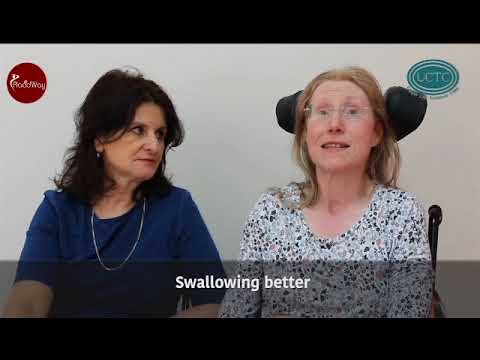
.png)



.png)
.png)
.png)

.png)










Share this listing