


The Complete Guide to the Treatment of Hernia of the Spine by Dr. Gian Paolo Tassi in Italy
Are you seeking the most advanced treatment of hernia of the spine by Dr. Gian Paolo Tassi in Italy? For millions of individuals suffering from debilitating back pain, sciatica, and severe nerve compression, the prospect of traditional open spine surgery often sounds terrifying. Lengthy hospital stays, general anesthesia, and painful rehabilitation can severely disrupt your quality of life.
Fortunately, modern medical innovation provides a better way forward. Dr. Gian Paolo Tassi offers a revolutionary, minimally invasive alternative known as Percutaneous Laser Disc Decompression (PLDD). By combining world-class neurosurgical expertise with state-of-the-art Italian medical facilities, patients can access safe, effective, and rapid relief from slipped discs. Watch to explore how this groundbreaking approach is transforming global spinal care and why medical tourists are flocking to Italy for pain relief.
Video Chapters & Quick Navigation
Understanding Spinal Disc Herniation and Its Debilitating Impact
To fully appreciate the treatment of hernia of the spine by Dr. Gian Paolo Tassi in Italy, one must first understand the underlying pathology. A spinal disc acts as a crucial shock absorber between the vertebrae of your spine. It consists of a tough outer layer called the annulus fibrosus and a soft, jelly-like center known as the nucleus pulposus.
When the outer layer tears due to age, injury, or mechanical stress, the soft inner core can protrude outward. This herniation often presses directly against the sensitive spinal nerves. As explained in the video at , this nerve compression is the primary cause of excruciating localized back pain.
Cervical vs. Lumbar Disc Herniation
A herniated disc can occur anywhere along the spinal column, but it is most frequently found in the lower back (lumbar region) and the neck (cervical region). Lumbar disc herniation symptoms often include sharp, shooting pains down the buttocks and legs, a condition commonly known as sciatica. Patients may also experience severe numbness or a tingling sensation in their feet.
Conversely, cervical disc herniation affects the upper body. Symptoms generally radiate down the shoulders, arms, and into the hands. Both conditions severely restrict mobility and can make simple daily tasks feel impossible. Seeking advanced minimally invasive spine surgery in Italy has become a top priority for patients wanting to avoid permanent nerve damage.
Who is Dr. Gian Paolo Tassi? A Global Leader in Neurosurgery
Finding the right specialist is the most critical step in addressing severe spinal issues. Dr. Gian Paolo Tassi is recognized internationally as one of the best neurosurgeons for slipped disc treatment in Italy. With decades of dedicated experience in neurological and spinal surgeries, he has pioneered modern techniques that prioritize patient safety and rapid recovery.
His impressive medical background includes specialized training in the United States, where he worked alongside the original developers of percutaneous laser treatments. Bringing this advanced non-surgical treatment for spinal disc herniation back to Europe, Dr. Tassi has successfully treated thousands of patients. His meticulous approach ensures that each patient receives a highly personalized care plan.
A Commitment to Minimally Invasive Excellence
Dr. Tassi is profoundly committed to the philosophy that spine surgery should only be as invasive as absolutely necessary. Throughout his career, he has observed the severe complications associated with traditional open back surgeries, including failed back surgery syndrome (FBSS). As highlighted at , this drove his passion for adopting and refining the PLDD technique.
His clinic in Italy serves as a beacon of hope for international patients. By maintaining rigorous international safety protocols, Dr. Tassi ensures his facility rivals the top neurosurgical centers in North America and Western Europe. His high success rates and glowing patient testimonials speak volumes about his unparalleled surgical precision.
The PLDD Technique: A Revolution in Spine Surgery
Percutaneous Laser Disc Decompression (PLDD) is at the forefront of the treatment of hernia of the spine by Dr. Gian Paolo Tassi in Italy. Unlike traditional open surgery, PLDD is a minimally invasive medical procedure performed entirely on an outpatient basis. It relies on advanced laser technology rather than scalpels and bone saws.
This state-of-the-art procedure targets the exact source of the pain without damaging the surrounding muscles, bones, or ligaments. The precise nature of the laser ensures that the structural integrity of the spinal column remains completely intact. This is a crucial factor in preventing future spinal instability.
How the Laser Decompression Works
During the PLDD procedure, the patient is placed under local anesthesia. Using real-time fluoroscopic imaging (live X-ray), Dr. Tassi carefully inserts a microscopic optical fiber through a thin needle directly into the herniated disc. Once in position, laser energy is deployed into the nucleus pulposus.
The heat from the laser vaporizes a tiny amount of the water content inside the disc. This microscopic vaporization creates a powerful internal vacuum effect. As shown at , this vacuum naturally sucks the herniated disc material back into its proper place, instantly relieving the pressure on the spinal nerve.
Comparing Traditional Spine Surgery vs. PLDD in Italy
Many patients are completely unaware of the drastic differences between traditional microdiscectomy and laser decompression. Traditional methods often require general anesthesia, significant surgical incisions, and the removal of bone (laminectomy) to access the damaged nerve. This can lead to heavy epidural scarring and prolonged rehabilitation.
Choosing PLDD significantly mitigates these risks. To help patients make an informed decision regarding their spinal health, the following table illustrates the stark contrasts between the two approaches.
| Feature | Traditional Open Surgery | PLDD with Dr. Tassi |
|---|---|---|
| Anesthesia | General Anesthesia | Local Anesthesia |
| Incision Size | Large (Requires muscle stripping) | Microscopic (Needle puncture only) |
| Hospital Stay | 3 to 5 Days | Outpatient (Leave same day) |
| Recovery Time | 3 to 6 Months | 1 to 3 Weeks |
| Epidural Scarring | High Risk | Zero Risk |
Why International Patients Choose Italy for Spine Care
Medical tourism in Europe has exploded in recent years, and Italy has emerged as a premier destination for neurological care. Patients from the United States, Canada, and the UK are increasingly looking for solutions outside their home countries due to exorbitant healthcare costs and impossibly long waiting lists. Italy offers a seamless blend of elite medical technology and unparalleled patient care.
The cost of slipped disc surgery in Italy is remarkably affordable compared to North American prices, often saving patients up to 60% without compromising on quality. Additionally, the Italian healthcare system is strictly regulated by European Union medical standards, guaranteeing a sterile, safe, and highly professional environment for all procedures.
The Healing Environment of the Mediterranean
Beyond the financial and medical advantages, recovering in Italy offers psychological and physical benefits. The warm Mediterranean climate provides an ideal, stress-free environment for post-operative healing. Stress reduction is clinically proven to lower inflammation and accelerate tissue recovery.
Patients and their companions can enjoy the rich cultural heritage, serene landscapes, and incredible cuisine while attending follow-up appointments. As mentioned at , treating a spinal issue abroad transforms a daunting medical necessity into a restorative wellness retreat.
What to Expect During Your Medical Journey to Italy
Embarking on a medical journey abroad can feel overwhelming, but specialized facilitators ensure the process is entirely stress-free. Your journey begins with a comprehensive virtual consultation. Dr. Tassi’s team will review your recent MRI and CT scans remotely to determine if you are an ideal candidate for PLDD.
Once approved, complete medical packages are curated to handle every logistical detail. From airport transfers and luxury hotel accommodations to ground transportation to the clinic, every aspect is managed for you. This allows patients to focus 100% of their energy on healing and restoring their mobility.
Preparing for Your Minimally Invasive Spinal Procedure
Preparation is key to ensuring the success of your laser spine surgery. Because PLDD is minimally invasive, the preparation phase is far less strenuous than traditional surgery, but it still requires careful attention to medical guidelines. Proper preparation minimizes any potential risks and optimizes the vacuum effect required for disc retraction.
- Recent MRI Scans: Patients must provide high-resolution MRI imaging taken within the last 3 to 6 months to ensure the herniation size and location are accurately mapped.
- Medication Review: Blood-thinning medications and certain anti-inflammatory drugs may need to be paused several days prior to the procedure to prevent bruising.
- Fasting Requirements: Although only local anesthesia is used, patients are generally advised to fast for a few hours prior to the operation as a standard safety precaution.
- Comfortable Clothing: Pack loose, comfortable clothing for the day of the procedure to ensure nothing tightly constricts the lower back or neck area post-surgery.
Life After Spine Surgery: Recovery and Long-Term Success
One of the most remarkable aspects of the treatment of hernia of the spine by Dr. Gian Paolo Tassi in Italy is the incredibly rapid recovery timeline. Because no muscles are cut and no bone is removed, the structural integrity of the back is completely preserved. Patients typically stand up and walk within a few hours of the procedure.
As detailed at , minor soreness at the needle insertion site is normal, but the severe radicular nerve pain is often resolved instantly. Most patients can return to non-strenuous desk work within a week, a timeline that is simply impossible with traditional open spinal fusion or microdiscectomy.
Maintaining Your Spinal Health
While PLDD fixes the immediate herniation, long-term spine health requires active patient participation. Dr. Tassi provides detailed post-operative guidelines tailored to each individual. Engaging in a structured physical therapy program is highly recommended to strengthen the core muscles that support the lumbar and cervical spine.
Patients are also educated on proper ergonomics, safe lifting techniques, and the importance of maintaining a healthy body weight. By adhering to these lifestyle modifications, the success rates of PLDD are exceptionally high, allowing patients to reclaim their active, pain-free lives permanently.
Ready to Reclaim Your Life from Back Pain?
Take the first step toward a pain-free future. Connect with Dr. Gian Paolo Tassi and discover if minimally invasive PLDD laser spine surgery in Italy is the right solution for you. Let our experts guide your medical journey.
GET A FREE CONSULTATION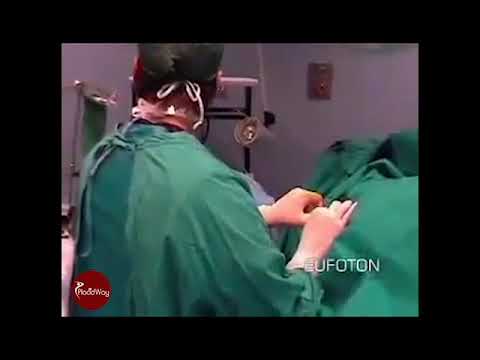





.png)










Share this listing