


Understanding the Average Cost of Hiatal Hernia Surgery in Mexico
Living with chronic acid reflux, chest pain, and severe discomfort can disrupt every aspect of your daily life. For uninsured or underinsured patients, finding lasting relief often feels financially impossible. Fortunately, exploring the average cost of hiatal hernia surgery in Mexico reveals a highly accessible, world-class alternative. Patients can now access top-tier medical facilities and board-certified surgeons without facing medical bankruptcy. Watch to discover how medical tourism is revolutionizing affordable hiatal hernia repair south of the border, combining elite surgical precision with unparalleled patient care.
Video Chapters & Quick Navigation
When conservative treatments and daily medications fail to manage severe acid reflux, surgical intervention becomes a medical necessity rather than an elective choice. Unfortunately, the exorbitant prices of healthcare in North America have left countless patients suffering in silence. Medical tourism Mexico hiatal hernia programs have emerged as a beacon of hope for these individuals.
By traveling just across the border, patients can receive gold-standard surgical care. The facilities in Mexico boast cutting-edge technology and highly experienced specialists. As seen at in the video, international patients are consistently amazed by the level of luxury, compassion, and clinical excellence they encounter.
Understanding the Need for Hiatal Hernia Surgery
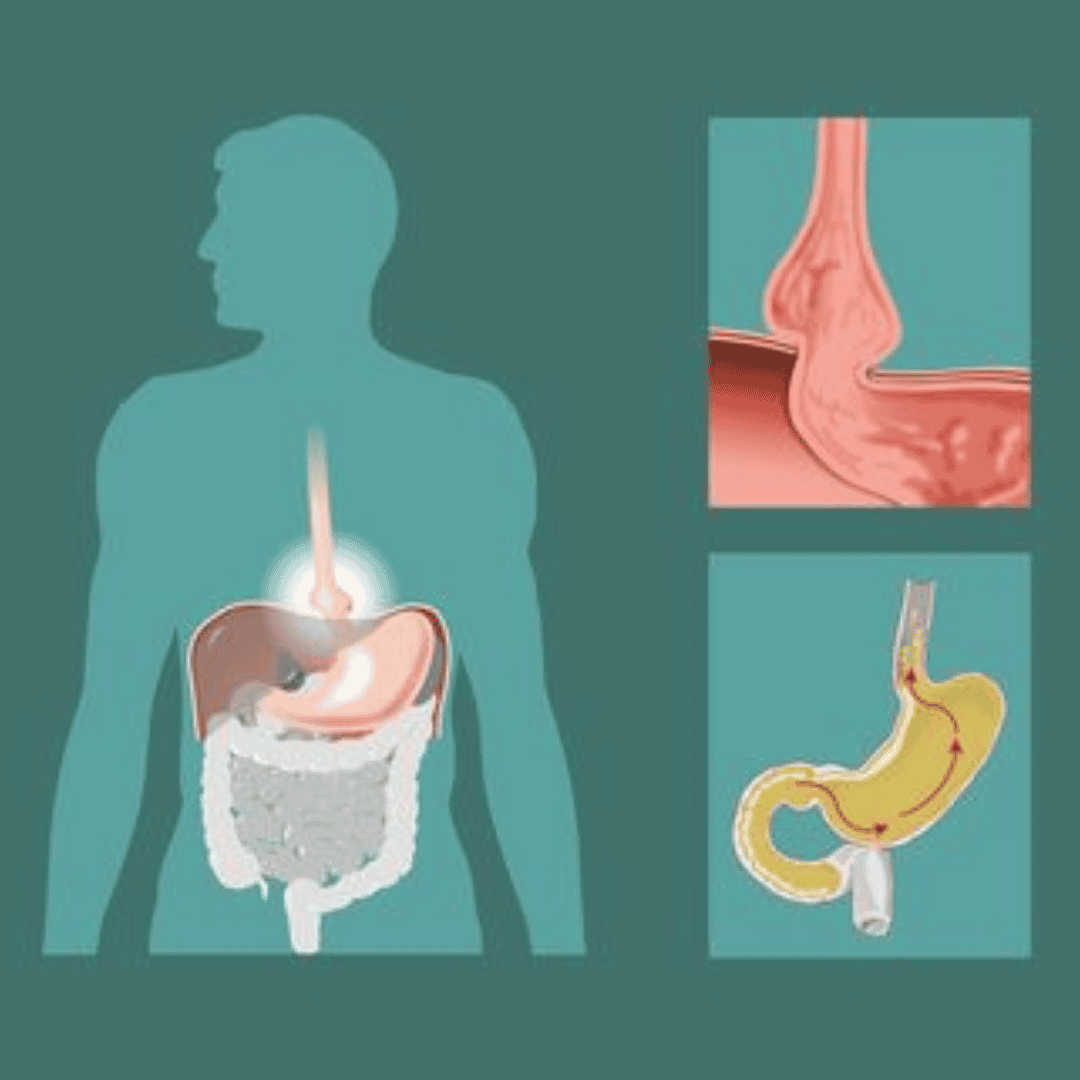
A hiatal hernia occurs when the upper part of your stomach pushes through the diaphragm and into your chest cavity. The diaphragm normally has a small opening (hiatus) through which your esophagus passes to connect to your stomach. When the muscle tissue around this opening becomes weak, the stomach bulges upward, compromising the lower esophageal sphincter (LES).
This anatomical malfunction prevents the LES from closing properly, allowing harsh stomach acids to flow freely back into the delicate esophagus. Over time, this chronic exposure leads to severe Gastroesophageal Reflux Disease (GERD). Patients often experience debilitating heartburn, regurgitation of food or sour liquids, difficulty swallowing (dysphagia), and intense chest or abdominal pain.
The Risks of Leaving a Hernia Untreated
Ignoring a severe hiatal hernia is not a viable long-term strategy. While antacids and proton pump inhibitors (PPIs) may temporarily mask the symptoms, they do absolutely nothing to fix the underlying structural defect. Prolonged acid exposure can lead to esophagitis, which is severe inflammation and ulceration of the esophageal lining.
More alarmingly, chronic untreated GERD can result in Barrett's esophagus, a precancerous condition where the esophageal tissue actually changes composition. In cases of large paraesophageal hernias, the stomach can become strangulated, cutting off its own blood supply. This is a life-threatening medical emergency that requires immediate surgical intervention.
The Financial Burden of Hiatal Hernia Repair in the US and Canada
In the United States, the healthcare system is notorious for inflated pricing and hidden fees. The hiatal hernia repair cost without insurance can be utterly staggering. On average, a patient paying out of pocket in the US can expect to be billed anywhere from $15,000 to over $30,000 for a laparoscopic procedure.
Even for those with health insurance, the financial barriers remain exceptionally high. High-deductible health plans often require patients to pay the first $5,000 to $10,000 out of their own pockets before coverage even begins. Furthermore, insurance companies frequently deny prior authorizations, attempting to force patients to remain on lifelong, expensive prescription medications instead of covering a one-time cure.
In Canada, while the direct financial cost out-of-pocket might be lower due to the public healthcare system, the hidden cost comes in the form of agonizingly long wait times. Patients with severe GERD and pain are routinely placed on waiting lists that stretch for 18 to 24 months. During this waiting period, their quality of life deteriorates significantly, and the risk of permanent esophageal damage increases daily.
The Average Cost of Hiatal Hernia Surgery in Mexico: A Cost Analysis
This brings us to the most compelling reason thousands of patients cross the border each year. The average cost of hiatal hernia surgery in Mexico is a fraction of what it costs in North America. By engaging in medical tourism, patients can secure life-changing surgery for significantly less, without ever compromising on the quality of clinical care.
Typically, the cost for affordable hiatal hernia surgery in Mexico ranges between $4,500 and $6,500. This price point represents a monumental savings of 70% to 80% compared to US hospital pricing. As highlighted at , this transparent pricing model eliminates the anxiety of surprise medical bills.
Comparing Global Surgery Prices
To truly understand the value proposition, it is helpful to look at a direct side-by-side comparison. The table below illustrates the stark contrast in pricing for a standard laparoscopic hiatal hernia repair across different countries.
| Country | Estimated Average Cost (USD) | Wait Time |
|---|---|---|
| United States | $15,000 - $35,000+ | 1 - 3 Months |
| Canada | Covered by public system | 12 - 24 Months |
| United Kingdom | $10,000 - $14,000 (Private) | 6 - 12 Months (NHS) |
| Mexico | $4,500 - $6,500 | 1 - 2 Weeks |
What Do All-Inclusive Surgery Packages Cover?
One of the most intimidating aspects of healthcare in the US is the fragmented billing system. You receive separate invoices from the hospital, the surgeon, the anesthesiologist, and the laboratory. GERD surgery in Mexico operates on an entirely different philosophy: the all-inclusive medical package.
When you book medical tourism Mexico hiatal hernia procedures through reputable facilitators, you are provided with a single, comprehensive price tag. This streamlined approach allows patients to budget precisely for their trip without the fear of hidden post-operative costs.
- Surgeon and Medical Staff Fees: Complete coverage for the lead bariatric or general surgeon, the anesthesiologist, and the assisting nursing staff.
- Hospital Stays: Generally includes 1 to 2 nights in a private, modern hospital recovery room equipped with Wi-Fi and amenities for a companion.
- Pre-Operative Diagnostics: Comprehensive blood panels, EKGs, and necessary imaging tests conducted the day before surgery.
- Ground Transportation: VIP private shuttle service from the nearest international airport directly to the clinic and hotel.
- Post-Operative Medication: Take-home prescriptions for pain management and infection prevention.
Advanced Surgical Techniques: Laparoscopic Nissen Fundoplication
The low cost of care in Mexico does not equate to outdated medical techniques. In fact, top Mexican clinics utilize the exact same state-of-the-art minimally invasive approaches used in premium North American hospitals. The gold standard procedure is the laparoscopic Nissen fundoplication in Mexico.
During a Nissen fundoplication, the surgeon makes four to five tiny incisions in the abdomen, usually no larger than a keyhole. Using a laparoscope equipped with a high-definition camera, the surgeon first pulls the herniated stomach back down into the abdominal cavity. As explained at , they then carefully repair and tighten the opening in the diaphragm to prevent future bulging.
The crucial part of the procedure involves taking the upper part of the stomach, known as the fundus, and wrapping it a full 360 degrees around the lower esophagus. This wrap is securely sutured into place. By doing this, the surgeon creates a new, functional one-way valve. When the stomach contracts to digest food, the wrap naturally squeezes the esophagus closed, physically blocking acid from splashing upward.
Alternative Approaches: Toupet and Dor Fundoplication
In some cases, a full 360-degree wrap may be too tight, potentially causing difficulty swallowing post-surgery. Highly skilled Mexican surgeons meticulously evaluate esophageal motility during pre-op testing to determine the best approach. If esophageal function is weak, they may perform a Toupet fundoplication (a 270-degree partial wrap) or a Dor fundoplication (an anterior partial wrap).
This level of customized, patient-specific surgical planning highlights the exceptional expertise of the medical teams. Paraesophageal hernia repair Mexico specialists are adept at handling complex cases, ensuring that the mechanical barrier against acid reflux is restored perfectly without compromising swallowing function.
Top Destinations for Affordable Hiatal Hernia Surgery in Mexico
Mexico is a vast country with several distinct hubs for medical tourism. Choosing the right city often depends on your geographical location in the US or Canada and your personal preferences for recovery. Each major medical hub offers unique advantages for international patients.
Tijuana: Proximity and Excellence
For patients living in California, Nevada, or the Pacific Northwest, Tijuana is overwhelmingly the most popular choice. Located just minutes across the border from San Diego, Tijuana boasts a massive, highly regulated medical infrastructure. The best bariatric surgeons in Tijuana for hernia repair operate out of dedicated, state-of-the-art surgical towers.
Patients can easily fly into San Diego International Airport, where a clinic concierge will meet them and drive them across the designated medical border lane. This seamless logistics pipeline makes Tijuana incredibly convenient for those seeking acid reflux surgery cost Mexico benefits without a long international flight.
Cancun: Recovery in Paradise
For patients located on the East Coast or in the Midwest, Cancun offers a spectacular blend of top-tier medical care and tropical tranquility. Cancun is home to several JCI-accredited hospitals that cater almost exclusively to international medical tourists. The facilities here are designed to feel more like luxury resorts than clinical environments.
Opting for hiatal hernia surgery packages Cancun allows patients to recover in a serene, low-stress environment. The warm Caribbean breeze and beautiful ocean views provide a psychological boost that many patients find invaluable during the initial days of post-operative healing.
Guadalajara and Monterrey: The Medical Powerhouses
Guadalajara, often referred to as the Silicon Valley of Mexico, and Monterrey, a major industrial and economic hub, are both home to some of Latin America's finest medical universities. These cities produce top-tier medical talent and host massive, technologically advanced hospital networks.
While they may not have the beaches of Cancun or the immediate border access of Tijuana, they offer an unparalleled depth of specialized medical expertise. Patients with highly complex or recurrent hernias often travel to these cities to be treated by veteran surgical professors and leading researchers.
Quality of Care and Board-Certified Mexican Surgeons
A common, yet entirely outdated, misconception regarding medical tourism is that lower costs equate to lower quality. The reality of modern Mexican healthcare completely shatters this stigma. The best clinics are fully accredited by organizations such as the General Health Council (CSG) of Mexico, and many hold the prestigious Joint Commission International (JCI) accreditation.
The surgeons performing these procedures are exceptionally qualified. It is standard practice for leading Mexican laparoscopic surgeons to hold dual board certifications. Many complete extensive fellowships in the United States, Canada, or Europe. You will frequently find that your surgeon is an active member or Fellow of the American College of Surgeons (FACS) and the Society of American Gastrointestinal and Endoscopic Surgeons (SAGES).
Furthermore, these top-tier clinics are outfitted with the exact same medical technology found in Beverly Hills or Manhattan. They utilize the latest generation of high-definition laparoscopic towers from global medical brands like Stryker and Medtronic. The anesthesia protocols, sterilization standards, and intensive care units meet or exceed international benchmarks.
Preparing for Your Medical Tourism Journey to Mexico
Embarking on a medical journey requires careful planning, but dedicated patient coordinators make the process remarkably smooth. The journey begins with a comprehensive virtual consultation. You will be asked to submit your recent medical records, including endoscopy reports or barium swallow X-rays, so the surgical team can evaluate your specific hernia classification.
Once approved for surgery, you will work with a concierge team to select your travel dates. You must ensure your passport is up to date. The clinic will provide you with a detailed pre-operative diet plan, which usually involves a liver-shrinking liquid diet for a few days prior to surgery to ensure optimal visibility and safety during the laparoscopic procedure.
The Post-Operative Recovery Phase
Recovery from a laparoscopic Nissen fundoplication in Mexico is relatively swift due to the minimally invasive nature of the surgery. Most patients are up and walking within hours of waking up from anesthesia. You will typically spend one to two nights in the hospital for close monitoring before being discharged to your partnered recovery hotel.
The most crucial aspect of recovery is the strict post-operative diet. Because your stomach has been surgically altered and wrapped around your esophagus, swelling is inevitable. Patients must adhere strictly to a clear liquid diet for the first week, slowly transitioning to full liquids, pureed foods, and eventually soft solids over a period of four to six weeks.
During this time, you will remain in close contact with your Mexican surgical team via telemedicine. They will monitor your progress, answer any dietary questions, and ensure your healing trajectory is perfect. Within a few short weeks, the vast majority of patients report a complete cessation of their chronic heartburn, allowing them to finally throw away their antacid medications and reclaim their quality of life.
Ready to Cure Your Acid Reflux Once and For All?
Stop letting a hiatal hernia dictate your life and drain your finances. PlacidWay connects you with globally accredited hospitals and board-certified surgeons in Mexico for safe, affordable, and life-changing hernia repair.
REQUEST A FREE QUOTE TODAY

.jpg)
.png)










Share this listing