


The Complete Guide to the Great Victories of ilaya.regeneration That Was Transformed Into Good Cells
The landscape of modern medical science is undergoing a profound evolution, shifting away from merely managing symptoms to fundamentally restoring human health at the cellular level. For years, patients facing severe joint degradation, complex bone defects, or debilitating autoimmune conditions were told that conventional surgery or lifelong medication were their only options. The historical limitations of traditional medicine often left individuals compromising their quality of life, facing prolonged recoveries, and enduring the chronic pain associated with irreversible tissue damage.
Today, a radical paradigm shift has completely rewritten the possibilities of healing. In this comprehensive breakdown, we explore the great victories of ilaya.regeneration that was transformed into Good Cells, an institution that stands at the absolute forefront of global biotechnology. By harnessing the regenerative power of the human body's own building blocks, this pioneering clinic has achieved what was once thought impossible in the realm of advanced tissue engineering and targeted stem cell therapies. Watch and read on to discover how decades of rigorous clinical research and groundbreaking cellular treatments are providing unprecedented hope and tangible healing for patients worldwide.
Video Chapters & Quick Navigation
The journey of modern regenerative medicine is marked by relentless innovation, scientific curiosity, and the courage to challenge the status quo of conventional medical treatments. Long before stem cell clinics became a globally recognized phenomenon, early pioneers were diligently working in highly specialized laboratories to understand the complex mechanisms of cellular communication and tissue repair. The transformative work achieved by ilaya.regeneration laid an unshakable foundation for what is now widely recognized as one of the most advanced biotechnology hubs in Eastern Europe.
Pioneering the Foundations of Advanced Tissue Engineering
When discussing the historical milestones of regenerative medical science, one must look at the groundbreaking initial achievements in cellular engineering . The early iterations of the clinic focused heavily on cultivating mesenchymal stem cells (MSCs) derived from the patient's own bone marrow or adipose tissue. These multipotent cells possess the unique and extraordinary ability to differentiate into a variety of cell types, including osteoblasts (bone cells), chondrocytes (cartilage cells), and adipocytes (fat cells).
The core philosophy during the ilaya era was to harness this natural biological mechanism to treat conditions that orthopedists and trauma surgeons typically deemed untreatable. Rather than relying on metallic implants or highly invasive bone grafting techniques that carry immense risks of immune rejection and severe donor-site morbidity, the researchers developed methodologies to grow massive quantities of targeted, specialized cells in heavily controlled bioreactors.
These specialized laboratory techniques allowed doctors to essentially custom-grow biological repair kits for individual patients. The clinic’s ability to isolate, multiply, and perfectly preserve these autologous cells set a new benchmark for personalized medicine. This early commitment to uncompromised scientific rigor quickly established their reputation as global leaders in safe, effective, and transformative stem cell treatments.
The Biological Mechanisms of Cellular Repair
Understanding the fundamental science behind these therapies is crucial to appreciating their impact. Mesenchymal stem cells do not just mechanically replace damaged tissue; they act as intelligent cellular managers . Once introduced to a site of injury, they release a complex symphony of growth factors, cytokines, and extracellular vesicles.
This localized biochemical signaling effectively subdues chronic inflammation, prevents the formation of rigid scar tissue, and stimulates the patient’s intrinsic progenitor cells to begin the healing process. This dual-action approach—both structurally replacing tissue and biologically directing the healing environment—is what separates advanced cellular therapy from traditional pharmacological interventions.
Revolutionary Bone Healing and Treating Complex Combat Injuries
One of the most profound chapters in the clinic's history involves their unprecedented success in treating massive bone defects, non-union fractures, and severe traumatic injuries. During periods of intense regional conflict, the clinic faced an influx of patients—many of them soldiers—who had suffered catastrophic ballistic trauma . Standard trauma surgery protocols frequently recommended amputation for these devastating injuries, as traditional bone grafts simply could not bridge gaps larger than a few centimeters.
In response, the medical team deployed an innovative 3D bioceramic scaffold technology. These biocompatible scaffolds were precisely engineered to match the exact anatomical dimensions of the missing bone segment. The crucial step involved deeply seeding these scaffolds with millions of the patient’s lab-expanded osteogenic progenitor cells and endothelial cells, effectively creating a living bone graft.
Preventing Amputations and Restoring Mobility
Once implanted, the living matrix integrated seamlessly with the patient’s existing bone structure. The endothelial cells rapidly formed a new vascular network, establishing vital blood supply, while the osteogenic cells mineralized the scaffold, turning it into dense, healthy, fully vascularized native bone. This technique resulted in full structural and functional restoration.
The impact of this specific tissue engineering breakthrough cannot be overstated. Hundreds of patients who were scheduled for permanent amputations walked out of the clinic on their own two feet. These staggering clinical victories provided undeniable proof of concept that regenerative medicine could routinely achieve medical miracles in trauma care.
Breakthroughs in Neurological and Autoimmune Disorders
While orthopedic reconstruction brought the clinic international acclaim, their research simultaneously expanded into some of the most challenging fields in modern healthcare: neurology and immunology . Autoimmune diseases, such as multiple sclerosis (MS) and rheumatoid arthritis, occur when the body’s immune system mistakenly attacks its own healthy tissues. Traditional treatments rely heavily on broad-spectrum immunosuppressants, which often carry severe, life-altering side effects.
The application of multipotent mesenchymal stem cells offered a remarkably elegant alternative. MSCs possess unique immunomodulatory properties, meaning they can actively regulate and recalibrate a dysfunctional immune system without completely shutting it down. When administered intravenously, these cells home in on areas of systemic inflammation and release regulatory cytokines.
For patients suffering from neurodegenerative conditions, the clinic pioneered protocols utilizing neural crest stem cells. These specialized therapies have shown significant promise in promoting neurogenesis, repairing damaged myelin sheaths, and halting the rapid progression of debilitating neurological decline. Patients frequently report restored motor functions, decreased fatigue, and a profound improvement in their daily independence.
The Strategic Rebranding: Why ilaya.regeneration Transformed into Good Cells
Evolution is the hallmark of any truly forward-thinking scientific institution. The decision to transition from the established ilaya brand into Good Cells was not merely a superficial marketing adjustment; it represented a massive expansion in clinical capabilities, technological infrastructure, and international ambition .
Under the new banner of Good Cells, the clinic heavily invested in next-generation sequencing, advanced flow cytometry, and state-of-the-art cryopreservation facilities. The rebranding signaled a clear shift from primarily treating severe trauma to offering a comprehensive, holistic suite of cellular therapies designed for preventative healthcare, longevity, and systemic rejuvenation.
Expanding the Biotechnological Horizon
The transformation allowed the medical facility to drastically increase its production capacity and broaden its research scope. They developed proprietary cellular products tailored for specific conditions, ranging from concentrated fibroblast injections for severe skin burns to highly purified exosome serums for cognitive support.
Good Cells emerged not just as a treatment center, but as a premier biotechnology hub. Their modernized laboratories now supply specialized cellular materials to various clinical partners across Europe, establishing the company as a foundational pillar in the rapidly expanding global regenerative medicine supply chain.
Innovative Anti-Aging Solutions and Advanced Exosome Therapy
As the understanding of cellular biology deepened, the focus of Good Cells expanded into the highly sought-after fields of longevity and anti-aging medicine . Aging is biologically characterized by cellular senescence—a state where old cells stop dividing but refuse to die, instead secreting toxic inflammatory molecules that degrade surrounding healthy tissue. Combatting this process requires interventions at the microscopic level.
Enter exosome therapy. Exosomes are tiny extracellular vesicles secreted by young, vibrant stem cells. They act as microscopic cargo ships, carrying concentrated packets of mRNA, growth factors, and regulatory proteins directly to exhausted or damaged cells. Because exosomes do not contain a nucleus, they carry zero risk of unwanted cellular mutation, making them an incredibly safe and potent anti-aging tool.
Good Cells has perfected the isolation and purification of these vital exosomes. Patients seeking systemic rejuvenation or cosmetic restoration utilize these therapies to radically improve skin elasticity, stimulate dormant hair follicles, and promote deep, restorative sleep. By resolving underlying cellular inflammation, patients experience a profound revitalization of energy, cognitive clarity, and physical vitality that far surpasses the capabilities of traditional cosmetic procedures.
| Treatment Aspect | Traditional Medical Approach | Good Cells Regenerative Approach |
|---|---|---|
| Joint Degeneration | Invasive metallic joint replacement, long physical therapy | MSC injections to regrow cartilage, outpatient procedure |
| Severe Bone Defects | Amputation or synthetic implants prone to infection | 3D bioceramic scaffolds seeded with autologous cells |
| Autoimmune Management | Lifelong immunosuppressant drugs with severe side effects | Immunomodulatory cellular therapy to recalibrate the system |
| Anti-Aging & Skin | Surgical facelifts, temporary dermal fillers | Fibroblast and exosome therapies for biological age reversal |
International Medical Tourism for High-Quality Stem Cell Therapy
The exceptional clinical outcomes achieved by Good Cells quickly caught the attention of the global medical community, sparking a significant influx of international medical tourism . Patients residing in the United States, Canada, the United Kingdom, and the Middle East often face insurmountable regulatory hurdles or exorbitant financial barriers when seeking advanced stem cell therapies in their home countries.
By traveling abroad for treatment, patients gain access to highly specialized, ethically sound, and completely customized cellular medicine at a fraction of Western costs. The lower overall cost of clinical operations in Eastern Europe allows Good Cells to price their premium treatments competitively, without ever sacrificing the quality of the biotechnology or the caliber of medical expertise provided.
Organizations like PlacidWay play a crucial role in bridging this gap, providing comprehensive logistical support for patients seeking these life-changing treatments. From handling detailed medical consultations and reviewing initial diagnostic imaging to arranging local accommodations and airport transfers, the medical tourism infrastructure ensures a seamless, stress-free healing journey for international patients.
Rigorous Quality Control and Laboratory Excellence
The true backbone of any legitimate stem cell clinic lies entirely in the quality and safety standards of its biological laboratory . Good Cells operates under incredibly strict Good Manufacturing Practice (GMP) standards, ensuring that every single cellular product cultivated is pure, potent, and biologically uncontaminated. The precision required for this level of biotechnology is immense.
- Advanced Cleanrooms: All cellular cultivation occurs in ISO-certified cleanrooms, utilizing specialized HEPA filtration systems to eliminate airborne particulates and guarantee absolute sterility.
- Flow Cytometry Analysis: Before any cells are administered, they undergo rigorous flow cytometry testing to verify exact cell counts, confirm high viability rates, and ensure correct cellular markers are present.
- Cryobank Security: The facility features a secure, automated cryopreservation bank utilizing liquid nitrogen, allowing patients to safely store their biological material for decades for future regenerative needs.
This unwavering dedication to uncompromising laboratory safety protocols eliminates the risks of adverse immunological reactions. It guarantees that patients receive highly active, living biological treatments capable of driving profound systemic healing.
The Future Horizon of Stem Cell Clinics and Patient Care
The transformation from ilaya.regeneration into Good Cells is not the end of the story; it is merely the prologue to the future of cellular medicine . The ongoing research pipelines within the clinic are actively exploring the frontiers of organogenesis—the potential to grow functional organ tissues in a laboratory setting for transplant purposes.
Furthermore, advancements in targeted gene therapy combined with precise exosome delivery systems are paving the way for treating complex genetic anomalies that currently have no cure. The focus is rapidly shifting toward creating entirely customized biological defense systems for patients, ensuring enhanced longevity, robust immune resilience, and an unprecedented quality of life.
The legacy of those early clinical victories—saving limbs from amputation, reversing joint degeneration, and restoring neurological function—continues to fuel a passionate pursuit of medical perfection. As Good Cells continues to push the boundaries of modern biotechnology, the dream of comprehensive cellular regeneration transitions from science fiction into an accessible, clinical reality for patients around the globe.
Ready to Transform Your Health with Advanced Stem Cell Therapy?
PlacidWay Medical Tourism connects you directly with world-class biotechnology hubs like Good Cells. Discover personalized regenerative medicine plans, explore affordable pricing options, and let our experts guide you on your journey to cellular restoration.
GET A FREE CONSULTATION & QUOTE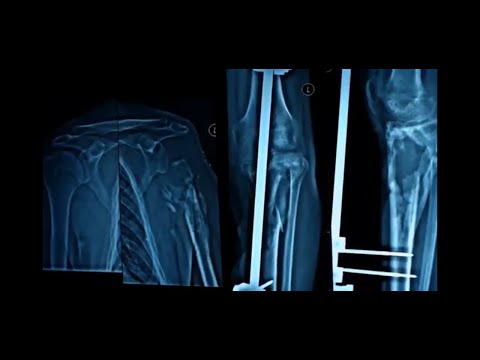
.png)



.png)
.png)















Share this listing