


The Complete Guide to Stem Cell Therapy for Autism in Europe: Hope, Healing, and Innovation
Welcome to the profound frontier of regenerative medicine. For families navigating the daily complexities of neurological development, finding effective stem cell therapy for autism in Europe has become a powerful beacon of hope. For decades, the standard approach to managing autism has relied heavily on behavioral modifications and coping strategies, often leaving the underlying biological factors completely unaddressed.
Today, medical science is rewriting what is possible. Groundbreaking European medical institutions are utilizing advanced cellular protocols to target neuroinflammation, improve immune system regulation, and enhance brain connectivity. Watch to discover how highly regulated, innovative clinical approaches in Europe are offering new pathways for cognitive, behavioral, and social improvement for children and adults on the spectrum.
Video Chapters & Quick Navigation
Understanding Autism Spectrum Disorder and the Need for Advanced Therapies
Autism Spectrum Disorder (ASD) is a complex, multifaceted neurodevelopmental condition characterized by challenges with social skills, repetitive behaviors, speech, and nonverbal communication. According to global health statistics, the prevalence of autism has been rising steadily over the last two decades. As seen in the video at , families are increasingly searching for comprehensive autism spectrum disorder treatment options that go beyond basic symptom management.
Traditionally, the medical community has focused on occupational therapy, speech therapy, and Applied Behavior Analysis (ABA). While these therapies are fundamentally crucial for skill development, they do not address the physiological abnormalities often found in the brains and immune systems of individuals with autism. Medical research now strongly indicates that many children with autism suffer from chronic neuroinflammation, immune dysregulation, and impaired blood flow to specific regions of the brain.
This is where regenerative medicine for autism steps into the spotlight. By shifting the focus from purely behavioral interventions to profound biological healing, regenerative therapies aim to repair and restore cellular function. The fundamental goal is to provide the brain with the optimal environment it needs to process information, regulate emotions, and foster neuroplasticity.
The Limitations of Psychopharmacology
Many patients on the spectrum are prescribed aggressive psychotropic medications to handle secondary symptoms such as anxiety, aggression, or severe hyperactivity. Unfortunately, these medications often come with a heavy burden of side effects, including weight gain, lethargy, and metabolic issues.
Furthermore, medications act as a temporary chemical bandage. They sedate or stimulate but fail to heal the underlying neuro-inflammatory state. This stark reality has driven the massive surge in global demand for alternative, biology-based interventions, leading thousands of families to explore the best stem cell clinics in Europe for autism.
How Stem Cell Therapy for Autism Works Biologically
To truly appreciate the value of this treatment, one must understand the fascinating science behind it. The primary cells utilized in top-tier European protocols are Mesenchymal Stem Cells (MSCs). These are adult stem cells, most commonly harvested ethically from donated human umbilical cord tissue (Wharton’s Jelly) following healthy, full-term pregnancies. As detailed in the video at , umbilical cord-derived MSCs are considered the gold standard for neurological applications.
MSCs are incredibly unique because they are immunoprivileged. This means they do not express the cell surface markers that would typically trigger an immune rejection in the recipient. Therefore, patients do not need to undergo dangerous immunosuppressive therapy prior to treatment, making the procedure remarkably safe for young children and sensitive individuals.
Targeting Neuroinflammation
One of the most profound physiological hallmarks of autism is chronic inflammation within the brain and the gastrointestinal tract. When MSCs are introduced into the body, they act as intelligent cellular paramedics. They possess a homing mechanism that allows them to detect signals of inflammation and tissue damage. Once they reach these inflamed neurological sites, they begin to release powerful anti-inflammatory cytokines.
This paracrine effect drastically reduces the swelling and irritation in the brain tissues. As the neuroinflammation subsides, the constant biological stress on the patient's nervous system is lifted. Parents frequently report that as this inflammation drops, their child's chronic irritability, brain fog, and sensory overload begin to fade, creating a state of calm that behavioral therapies alone could never achieve.
Promoting Angiogenesis and Neuroplasticity
Beyond reducing inflammation, improving autism symptoms with stem cells involves physical tissue repair. MSCs secrete growth factors that stimulate angiogenesis, which is the formation of new blood vessels. Brain scans (like SPECT or PET scans) of autistic individuals often show areas of hypoperfusion, meaning a severe lack of adequate blood flow to critical areas responsible for speech, emotional regulation, and executive function.
By promoting new blood vessel growth, stem cells help restore oxygen and essential nutrients to these dormant brain regions. Furthermore, they stimulate the patient's own native neural stem cells to multiply and repair damaged synaptic connections. This massive boost in neuroplasticity is what allows children to suddenly acquire new words, make sustained eye contact, and develop complex social awareness.
Why Choose Europe for Stem Cell Treatment for Autism?
When seeking cutting-edge medical care, destination matters. While regenerative medicine is a global phenomenon, Europe has firmly established itself as a premier sanctuary for advanced neurological cellular therapies. The reasons for this are rooted in a combination of progressive regulatory frameworks, unparalleled medical expertise, and state-of-the-art biotechnology infrastructure.
Unlike regions where cellular therapies are severely restricted or burdened by decades-long bureaucratic delays, many European nations have adopted advanced therapeutic product (ATMP) frameworks. These frameworks allow brilliant scientists and medical doctors to innovate and provide safe, highly controlled stem cell treatments under the strict oversight of health ministries.
Rigorous Safety and Laboratory Standards
European medical facilities are held to some of the highest quality control standards in the world. Clinics in countries like Germany, Spain, Switzerland, and various Eastern European nations operate highly sophisticated Good Manufacturing Practice (GMP) certified laboratories. As highlighted in the video at , this ensures that every single stem cell administered is rigorously screened for genetic mutations, viral pathogens, and bacterial contamination.
Patients traveling to Europe can have absolute peace of mind knowing that the viability, potency, and purity of the cellular products are guaranteed. The stem cell therapy success rate for autism relies heavily on the quality of the cell expansion process, and European laboratories excel in cultivating robust, highly active mesenchymal stem cells capable of maximum therapeutic impact.
A Multidisciplinary Medical Approach
European clinics rarely treat stem cell therapy as an isolated, standalone event. Instead, they integrate it into a holistic, multidisciplinary medical protocol. When you travel to a top European center, your child is evaluated by a comprehensive team comprising pediatric neurologists, immunologists, functional medicine doctors, and specialized physical therapists.
This team works collaboratively to ensure that the patient's body is entirely primed to receive the cells. They may implement specific pre-treatment dietary protocols, hyperbaric oxygen therapy (HBOT), and targeted nutritional infusions to maximize the survivability and efficacy of the stem cells once they are introduced into the body.
Expected Improvements: What Parents Need to Know
Setting realistic expectations is a vital part of the medical journey. Stem cell therapy is not a "magic cure" that erases autism overnight. Rather, it is a powerful biological catalyst that significantly improves the quality of life and functional capabilities of the individual. The timeline for improvements varies, with some parents noticing changes within weeks, while profound cognitive shifts may continue to unfold over six to nine months.
The therapeutic benefits generally fall into several distinct categories. To better illustrate the potential outcomes, we can look at the targeted symptom areas and the corresponding cellular benefits reported in clinical observations.
| Primary ASD Symptom Area | Observed Stem Cell Therapy Benefit |
|---|---|
| Speech and Communication | Initiation of new vocabulary, transitioning from non-verbal to verbal, improved sentence structure, and better receptive language understanding. |
| Social Interaction | Increased and sustained eye contact, desire to play with peers rather than isolating, appropriate emotional responses, and heightened empathy. |
| Behavioral Regulation | Significant reduction in aggressive outbursts, decreased self-injurious behavior, lower hyperactivity, and improved attention span for tasks. |
| Gastrointestinal & Immunity | Resolution of chronic diarrhea or constipation, improved appetite, expanded food tolerance, and a stronger immune system against common illnesses. |
| Sleep Patterns | Ability to fall asleep faster, uninterrupted sleep through the night, and waking up rested, leading to a calmer demeanor during the day. |
Navigating the Cost of Stem Cell Treatment for Autism in Europe
A primary concern for any family exploring medical tourism is the financial investment. While advanced cellular medicine represents a significant financial commitment, finding affordable stem cell treatment in Europe is entirely possible, especially when compared to the highly inflated healthcare economics of the United States.
In the US, if experimental cellular therapies are available at all, they can easily exceed $30,000 to $50,000 per session, often with hidden facility fees. In contrast, the cost of stem cell treatment for autism in highly rated European clinics generally ranges between $10,000 and $20,000. This price difference is not a reflection of lower quality; rather, it is the result of more efficient healthcare systems, lower administrative overhead, and specialized medical tourism infrastructure.
What All-Inclusive Packages Typically Cover
European medical centers excel at providing transparent, all-inclusive pricing designed specifically for international patients. When you book a treatment package, you are generally paying for a comprehensive medical and logistical experience. These packages typically include:
- Extensive pre-arrival medical consultations and review of the patient's medical history by head neurologists.
- The exact prescribed dosage of high-viability Mesenchymal Stem Cells (often calculated by the patient's exact body weight).
- Comprehensive metabolic, genetic, and blood panel testing upon arrival at the clinic.
- The administration procedures (intravenous drips and, if required, specialized intrathecal injections).
- Adjunct therapies during the stay, such as hyperbaric oxygen therapy, physiotherapy, or specialized nutritional IVs.
- VIP logistical support, including airport transfers, dedicated medical translators, and assistance with booking accessible local accommodations.
The Patient Journey: From Consultation to Administration
Traveling internationally with a child who has autism spectrum disorder requires meticulous planning. European clinics that specialize in pediatric regenerative medicine are acutely aware of the sensory sensitivities and routine disruptions that affect autistic children. As noted in the video at , the entire patient experience is curated to be as calm, stress-free, and accommodating as possible.
The journey begins long before you board a flight. Families submit their child's comprehensive medical records, previous diagnostic assessments, and current medication lists through secure portals. The clinic's medical board reviews these documents to determine if the patient is a viable candidate for stem cell therapy. Once approved, a customized, patient-specific protocol is drafted.
The Administration Process
Upon arriving at the clinic, the family is greeted by a dedicated patient coordinator. The clinical environment is intentionally designed to be soothing, avoiding the harsh lighting and chaotic noise typical of standard hospitals. The medical team spends the first day performing baseline examinations, blood work, and building rapport with the child.
The actual administration of the stem cells is remarkably straightforward and minimally invasive. The most common delivery method is an Intravenous (IV) infusion. The MSCs are suspended in a sterile saline solution and gently dripped into the patient's bloodstream over the course of an hour. The child can watch a movie, play with an iPad, or rest comfortably during this process.
In cases involving severe neurological deficits, the medical team might recommend an intrathecal administration. This involves injecting the cells directly into the spinal canal fluid, allowing the stem cells to bypass the blood-brain barrier completely and flood the central nervous system with regenerative factors. This procedure is always performed by an expert anesthesiologist under mild sedation to ensure the child feels zero pain or fear.
Selecting the Best Stem Cell Clinics in Europe for Autism
The surge in demand for regenerative medicine has unfortunately led to the rise of opportunistic, unregulated clinics in certain parts of the world. Therefore, intense vetting is non-negotiable when selecting a medical provider for your child. The top-tier facilities in Europe share several non-negotiable hallmarks of excellence that parents must verify.
First and foremost is laboratory transparency. The best clinics will proudly share their cell culturing techniques, providing detailed certificates of analysis that prove the viability and exact count of the stem cells being utilized. They utilize strictly umbilical cord tissue or Wharton's Jelly from heavily screened, healthy donors, ensuring maximum cellular youth and potency.
Secondly, verify the credentials of the medical staff. The facility should be led by board-certified neurologists, immunologists, and pediatric specialists, not just general practitioners. Organizations like PlacidWay perform rigorous, on-the-ground audits of these European facilities, ensuring they maintain Joint Commission International (JCI) or equivalent elite accreditations, guaranteeing adherence to global safety protocols.
Maximizing Outcomes: Integrating Post-Treatment Therapies
The true magic of stem cell therapy for autism in Europe unfolds in the months following the treatment. When families return home, they possess a child whose brain is in an optimal state of neuroplasticity. The inflammation is down, blood flow is up, and synaptic repair is actively occurring. This is the critical window of opportunity.
To maximize the return on this biological investment, it is imperative to aggressively integrate traditional therapies. Children who previously hit a frustrating plateau in their Applied Behavior Analysis (ABA) or speech therapy often begin absorbing information at an unprecedented rate post-treatment. The stem cells provide the biological "hardware" upgrade, but traditional therapies provide the necessary "software" programming.
Parents are advised to maintain a clean, anti-inflammatory diet for the child, minimizing processed sugars, gluten, and casein, which can trigger gut inflammation. Continuing with prescribed nutritional supplements, ensuring excellent sleep hygiene, and maintaining consistent occupational therapy routines will create the ultimate synergistic environment for long-term, life-altering success.
Ready to Explore Stem Cell Therapy for Your Child?
PlacidWay Medical Tourism connects families with globally accredited, elite stem cell clinics in Europe. Stop letting autism dictate your child's future. Let us help you navigate the costs, logistics, and medical consultations seamlessly.
GET A FREE CLINIC QUOTE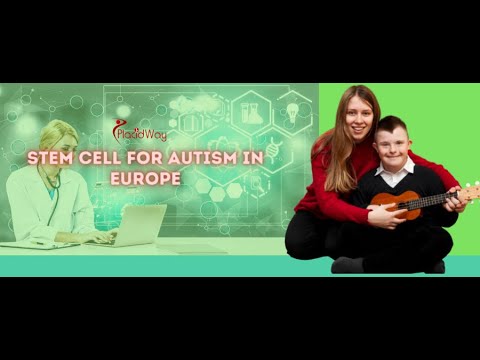
.png)


.png)









Share this listing