


How Richard Got Improvement After Regenerative Medicine for COPD: A Complete Guide
Living with a progressive respiratory condition often feels like breathing through a narrow straw, leaving patients exhausted and searching for hope. For years, traditional pulmonology has focused strictly on symptom management rather than cellular healing. However, discovering how Richard got improvement after regenerative medicine for COPD is completely changing the landscape of advanced respiratory care. His journey highlights a groundbreaking approach to treating chronic obstructive pulmonary disease. By utilizing innovative cellular therapies, he experienced life-altering relief from chronic breathlessness and reliance on oxygen. This comprehensive guide explores the precise protocols, scientific mechanisms, and extraordinary real-world outcomes of regenerative treatments for severe lung diseases.
Video Chapters & Quick Navigation
The Daily Burden of Severe Chronic Obstructive Pulmonary Disease
Chronic Obstructive Pulmonary Disease, commonly known as COPD, is a relentless and progressive inflammatory lung disease that obstructs airflow from the lungs. For patients like Richard, simple daily activities transform into monumental physiological challenges. Climbing a single flight of stairs or walking to the mailbox can induce severe dyspnea, leaving individuals gasping for air. This chronic lack of oxygen affects every single organ system in the body, leading to profound systemic fatigue and cognitive fog.
The standard medical protocol for severe emphysema and chronic bronchitis heavily relies on bronchodilators, inhaled corticosteroids, and supplemental oxygen therapy. While these traditional pharmaceuticals are highly effective at preventing acute exacerbations, they do not repair the underlying structural damage to the pulmonary alveoli. The microscopic air sacs within the lungs continue to lose their elasticity over time. Consequently, many patients find themselves trapped in a cycle of declining health, seeking alternative treatments for severe emphysema to reclaim their independence and vitality.
The Limitations of Standard Pulmonary Protocols
Standard medicine approaches COPD as an irreversible condition. Physicians typically focus on mitigating symptoms and slowing down the rapid decline of lung capacity. Patients are frequently prescribed a cocktail of daily inhalers designed to keep the airways artificially dilated. Over time, the body builds a tolerance, and the side effects of prolonged steroid use can begin to manifest, including decreased bone density and a compromised immune system.
This reality forces proactive patients to look beyond the limitations of their local medical systems. They begin exploring advanced clinical options that target the disease at a cellular level, aiming to halt the chronic inflammation that actively destroys healthy lung tissue. This search for genuine healing is precisely what leads many to explore regenerative medicine for lung tissue repair.
Richard's Turning Point: Choosing Alternative Treatments
Before his transformation, Richard's quality of life had severely diminished due to end-stage COPD. The constant presence of an oxygen tank was a heavy physical and emotional burden. Social gatherings, traveling, and even engaging in light hobbies were entirely dictated by his oxygen saturation levels. At in his journey, he realized that simply surviving was no longer enough; he wanted to actively live again.
The turning point occurred when standard medical interventions ceased providing adequate relief. His pulmonary specialist informed him that his lung function would likely continue on a downward trajectory. Refusing to accept this prognosis without a fight, Richard immersed himself in medical research regarding stem cell therapy for chronic obstructive pulmonary disease. He discovered that specialized medical centers around the world were successfully utilizing cellular therapies to modulate the immune system and promote tissue regeneration in patients deemed untreatable by conventional standards.
Understanding Regenerative Medicine for Lung Disease
Regenerative medicine represents a massive paradigm shift in how modern science approaches chronic degenerative conditions. Instead of artificially masking symptoms with chemical compounds, regenerative therapies harness the human body's innate biological ability to heal and restore damaged tissue. In the context of pulmonary health, this means actively fighting the pathological processes that cause airway remodeling and alveolar destruction.
The foundation of this approach relies heavily on specialized cellular applications, predominantly utilizing highly potent stem cells and their byproducts, known as exosomes. When these biological agents are strategically introduced into a patient's system, they act as powerful signaling molecules. They instruct the surrounding damaged cells to reduce inflammation, clear out cellular debris, and begin the complex process of regenerating healthy, functional lung tissue. For patients looking into how to improve lung capacity naturally, these advanced clinical protocols offer the most scientifically robust solution available today.
The Role of Mesenchymal Stem Cells (MSCs)
Not all stem cells are created equal. The gold standard for treating inflammatory respiratory diseases is the use of Mesenchymal Stem Cells (MSCs). These specific cells possess unique immunomodulatory properties, meaning they can actively regulate an overactive immune system. In diseases like COPD, the immune system remains in a constant state of hyper-inflammation, attacking lung tissue and causing permanent scarring (fibrosis).
MSCs work through a mechanism known as the paracrine effect. Once administered, they home in on the areas of greatest inflammation within the pulmonary system. They release growth factors, cytokines, and anti-fibrotic proteins directly into the lung microenvironment. This biological intervention helps to break down existing scar tissue while simultaneously encouraging the growth of new blood vessels, a process critical for restoring healthy oxygen exchange in the alveoli.
The Treatment Process: What to Expect
Many patients are initially apprehensive about undergoing advanced biological treatments, assuming the process will be highly invasive or painful. However, as Richard's experience details at , modern regenerative medicine protocols are designed to be minimally invasive, prioritizing patient safety and comfort. The treatment typically spans over a few days and involves comprehensive pre-procedure diagnostic testing to ensure the cellular dosage is perfectly tailored to the patient's specific lung volume and disease severity.
Top-tier clinics employ a multi-modal approach to administration to maximize the therapeutic efficacy of the stem cells. This ensures that the regenerative agents bypass bodily filtration systems and reach the deeply damaged lower respiratory tract where they are needed most.
- Intravenous (IV) Infusion: A vast number of stem cells are administered systemically through an IV drip. Because all blood eventually circulates through the lungs for oxygenation, the pulmonary capillary bed naturally traps these cells, allowing them to directly target lung inflammation.
- Nebulization Therapy: To ensure direct contact with the upper and lower airways, patients inhale millions of specialized cells or exosomes through a high-tech nebulizer. This localized delivery method is crucial for treating chronic bronchitis and airway wall thickening.
- Supportive Therapies: Advanced clinics often combine cellular administration with supplementary treatments such as Hyperbaric Oxygen Therapy (HBOT), ozone therapy, and high-dose intravenous Vitamin C to create the optimal internal environment for cell survival and engraftment.
Remarkable Improvements: Richard's Life After Treatment
The results of Richard's regenerative treatment were nothing short of extraordinary. Within the first few weeks following his cellular therapy, he began noticing subtle yet profound shifts in his respiratory mechanics. The tight, heavy sensation in his chest began to dissipate. By the three-month mark, which is typically when the peak biological effects of MSCs take hold, the changes were objectively measurable and clinically significant.
One of the most notable milestones, highlighted around , was his ability to drastically reduce his reliance on supplemental oxygen. His resting oxygen saturation levels, which previously hovered in the dangerous low-90s or high-80s without assistance, stabilized consistently above 95% on room air. Furthermore, his energy levels surged. Activities that were previously impossible, such as walking extended distances and participating in family events without severe fatigue, became a normal part of his daily routine once again.
Clinical Biomarkers of Success
To truly understand the impact of regenerative medicine for COPD, it is vital to look at the objective clinical data. Pulmonary function tests (PFTs) often reveal distinct improvements in patients who successfully respond to treatment. To illustrate typical clinical improvements observed in successful regenerative pulmonary cases, consider the following comparative data metrics:
| Health Metric Evaluated | Before Stem Cell Therapy | Post-Treatment Outcome |
|---|---|---|
| Resting Oxygen Saturation (SpO2) | 88% (Required continuous supplemental O2) | 96% (Room air, zero supplemental O2 required) |
| 6-Minute Walk Test Distance | Less than 150 meters (severe dyspnea) | Over 350 meters (mild to no dyspnea) |
| Frequency of Exacerbations | 3-4 severe hospitalizations per year | Zero acute exacerbations in 12 months |
| Energy Levels & Quality of Life | Severely restricted, homebound | Fully independent, traveling, socially active |
Long-Term Success and Post-Therapy Management
While the biological power of stem cells is undeniable, achieving long-term success requires a holistic commitment from the patient. Regenerative medicine is not an overnight magic cure; it is a profound medical catalyst. The cells provide the biological scaffolding and anti-inflammatory environment necessary for healing, but the patient must maintain that environment through dedicated lifestyle management.
Post-therapy pulmonary rehabilitation is absolutely critical. Once the lungs have been biologically optimized, patients like Richard must engage in targeted breathing exercises to actively rebuild diaphragmatic strength. Additionally, adopting an anti-inflammatory diet rich in antioxidants, omega-3 fatty acids, and essential vitamins helps to ensure the newly repaired cellular structures remain protected against future oxidative stress. Eliminating all exposure to environmental toxins, particularly tobacco smoke and chemical fumes, is mandatory to preserve the longevity of the treatment.
Why More Patients are Seeking Stem Cell Therapy Abroad
A pressing question many patients ask is why individuals must often travel internationally to access these life-saving therapies. The reality of modern medical legislation is that regulatory agencies in regions like the United States and Canada tightly restrict the expansion, culturing, and application of highly potent mesenchymal stem cells. This regulatory bottleneck prevents local clinics from offering the high cell-count dosages required to effectively treat severe systemic diseases like COPD.
Conversely, progressive medical hubs in regions such as Latin America, Europe, and Asia have established robust, safe, and highly regulated frameworks for advanced cellular medicine. By choosing to seek alternative treatments for severe emphysema abroad, patients gain access to state-of-the-art laboratories that utilize ethically sourced, highly viable Wharton's Jelly-derived stem cells. These international centers frequently employ board-certified immunologists and pulmonologists who are global pioneers in the field of regenerative medicine, offering protocols that are years ahead of standard domestic care.
Evaluating Top Clinics for Regenerative Lung Therapies
When researching clinics for advanced pulmonary care, stringent due diligence is required. The most reputable medical centers maintain strict transparency regarding their cell sourcing, laboratory expansion techniques, and overall cell viability rates. High-quality clinics will always insist on a comprehensive medical review of the patient's current pulmonary function tests, CT scans, and overall cardiovascular health before accepting them into a regenerative protocol.
Furthermore, premier medical tourism facilitators seamlessly manage the complexities of cross-border healthcare. They ensure that patients are matched exclusively with internationally accredited medical facilities that adhere to the strictest global sterilization and safety standards. This allows patients to focus entirely on their healing journey rather than administrative logistics.
Ready to Reclaim Your Breath and Your Life?
Do not let COPD dictate your future. PlacidWay Medical Tourism connects patients with the world's leading regenerative medicine clinics, offering highly advanced stem cell therapies for chronic lung disease. Discover your personalized treatment options today.
REQUEST YOUR FREE MEDICAL CONSULTATION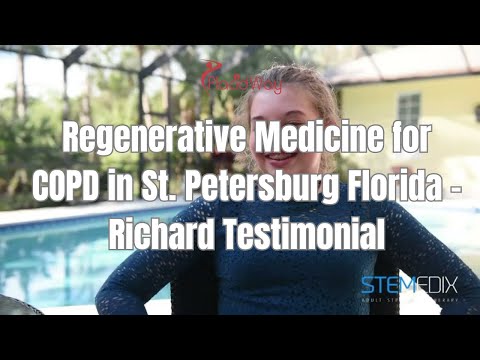







Share this listing