


The Breakthrough Journey: Stem Cell Treatment for Cerebral Palsy (CP) – Patient Mason
When a child is diagnosed with a neurological condition, parents immediately begin searching for the most effective interventions available globally. Traditional management offers vital symptom relief, but modern regenerative medicine presents an entirely new frontier. Stem cell treatment for cerebral palsy (CP) is rapidly emerging as a transformative approach aimed at addressing the root cellular damage within the brain. In this detailed exploration of patient Mason's journey, we uncover how pediatric stem cell therapy abroad is providing families with unprecedented hope. By targeting neuroregeneration and reducing neuroinflammation, this advanced medical protocol is helping pediatric patients unlock new milestones in motor function, speech, and cognitive development.
Video Chapters & Quick Navigation
The Complex Landscape of Cerebral Palsy in Children
Cerebral palsy is not a single disease, but rather a group of complex neurological disorders that permanently affect body movement, muscle coordination, and balance. It is typically caused by damage to the developing brain, which often occurs before, during, or shortly after birth. For decades, the standard medical consensus has maintained that brain damage is largely irreversible, leaving families with few options beyond managing the daily symptoms. The focus has traditionally been on supportive therapies to improve quality of life rather than addressing the underlying neurological deficits.
Traditional treatment modalities usually encompass intensive physical therapy, occupational therapy, speech pathology, and pharmacological interventions like muscle relaxants to manage severe spasticity. In more severe cases, children may undergo invasive orthopedic surgeries to lengthen muscles and tendons, or neurosurgeries like selective dorsal rhizotomy (SDR) to cut nerve fibers and reduce spasticity. While these conventional treatments are absolutely crucial for maintaining joint mobility and preventing severe contractures, they do not repair the damaged brain tissue. They act as a vital management system rather than a restorative cure.
This significant gap in restorative care is exactly what has driven the medical community to explore the potential of regenerative medicine. The emergence of stem cell treatment for cerebral palsy has shifted the paradigm from purely symptomatic management to active cellular repair. By introducing powerful, regenerative cells into the patient's system, researchers and clinicians aim to stimulate neuroplasticity—the brain's inherent ability to rewire itself, form new neural connections, and bypass the areas of hypoxic-ischemic damage that originally caused the cerebral palsy.
The Science Behind Stem Cell Treatment for Cerebral Palsy
To truly understand why families travel globally for these treatments, one must first understand the biological mechanisms of stem cells. The most commonly utilized cells in pediatric neurological conditions are Mesenchymal Stem Cells (MSCs). These multipotent cells can be ethically sourced from donated umbilical cord tissue (Wharton's Jelly) following healthy, full-term pregnancies. Wharton's Jelly-derived MSCs are incredibly robust, highly proliferative, and importantly, they are immunologically privileged. This means that they do not require human leukocyte antigen (HLA) matching, and the risk of immune rejection or graft-versus-host disease (GVHD) in the recipient is virtually nonexistent.
Mechanisms of Action: How Stem Cells Heal
When administered to a patient with cerebral palsy, MSCs perform several critical functions. First, they exhibit a phenomenon known as "homing." MSCs possess special receptors that allow them to detect inflammatory signals and chemical distress markers released by damaged tissues in the brain. Once they migrate to these injured neurological sites, they begin their most important work: the paracrine effect. Rather than directly transforming into new brain cells (neurons), MSCs secrete a powerful cocktail of neurotrophic factors, cytokines, and growth factors.
These secreted proteins actively reduce the chronic neuroinflammation that persists long after the initial brain injury. By calming this inflammatory environment, the stem cells protect surviving neurons from further degradation. Furthermore, they stimulate angiogenesis—the formation of new blood vessels. Improved blood flow means better oxygen and nutrient delivery to the compromised areas of the brain. Simultaneously, they promote synaptogenesis, encouraging the existing healthy neurons to sprout new dendrites and form fresh communication pathways, thereby physically bypassing the damaged white matter.
Mason's Story: The Search for Pediatric Stem Cell Clinics Abroad
Mason's journey is a profound testament to the relentless dedication of parents facing a CP diagnosis. Like many children with cerebral palsy, Mason’s early developmental milestones were significantly delayed. At in his journey, his parents recall the overwhelming moment they received the official diagnosis of spastic diplegia, a form of CP that primarily affects muscle control and stiffness in the lower extremities. The news was accompanied by a grim prognosis regarding his independent mobility and long-term functional independence.
Determined to provide Mason with every possible advantage, his family immersed themselves in traditional therapies. They spent countless hours in physical therapy clinics, practicing repetitive motions to stretch his tight muscles. However, as noted around , they realized that while therapy was preventing his condition from worsening rapidly, it wasn't unlocking new pathways for significant improvement. Mason's progress had hit a plateau. His spasticity remained high, making simple tasks like crawling, transitioning to a standing position, or maintaining balance exceptionally painful and difficult.
This plateau was the catalyst for their global search. Frustrated by the regulatory restrictions that limit access to expanded stem cell therapies in their home country, Mason's parents began researching international medical tourism for stem cell therapy. By , they had connected with leading medical facilitators who guided them toward highly accredited, internationally recognized regenerative medicine clinics. These clinics specialized in high-dose, umbilical cord-derived mesenchymal stem cell protocols specifically tailored for pediatric neurological conditions.
The Evaluation and Diagnostic Phase for CP Patients
Traveling abroad for advanced cellular therapy is not a decision made lightly, nor is it an automated process. Reputable stem cell clinics require a rigorous, comprehensive medical evaluation before accepting a patient. The goal is to ensure that the patient is an appropriate candidate for the therapy and that the intervention has a strong probability of yielding measurable clinical benefits.
Pre-Treatment Medical Review
The evaluation phase begins with an exhaustive review of the child's medical history. A multidisciplinary medical board, often comprising neurologists, pediatricians, and regenerative medicine specialists, reviews the patient's records. This includes detailed examinations of recent MRI scans to identify the exact locations and extent of the periventricular leukomalacia (PVL) or cortical damage. They also assess EEG reports to rule out severe, uncontrolled seizure disorders, which can sometimes complicate stem cell administration protocols.
Additionally, the medical team evaluates the child's current Gross Motor Function Classification System (GMFCS) level. This standardized system categorizes the child's current functional abilities, providing a baseline against which post-treatment progress can be accurately measured. Blood panels, metabolic profiles, and nutritional assessments are also conducted. Ensuring that the child is in optimal overall health before the procedure maximizes the potential efficacy of the stem cells, creating a hospitable environment for cellular engraftment and regeneration.
The Stem Cell Administration Procedure: A Step-by-Step Look
When the day of treatment arrives, anxiety is often replaced by a sense of profound hope. Modern stem cell clinics prioritize patient comfort, particularly for pediatric patients who may be easily frightened in medical settings. The clinical environment is usually designed to be calming, with specialized pediatric anesthesiologists on staff to ensure the child experiences absolutely no pain or distress during the procedure.
Targeted Delivery Methods
For neurological conditions like cerebral palsy, the method of stem cell administration is just as critical as the quality of the cells themselves. The most effective protocol utilizes a combination of Intravenous (IV) infusion and Intrathecal administration. The IV infusion allows stem cells to circulate systemically. While many of these cells are filtered by the lungs or target systemic inflammation, they help modulate the child's overall immune system and reduce body-wide inflammatory markers, which is highly beneficial for overall health and recovery.
However, the cornerstone of CP stem cell therapy is the intrathecal injection, as highlighted around in similar medical documentation. Under mild sedation or light anesthesia, a highly skilled specialist performs a lumbar puncture, introducing millions of concentrated, viable mesenchymal stem cells directly into the spinal canal. This method completely bypasses the blood-brain barrier—a strict biological filter that normally prevents large molecules and cells from entering the brain from the bloodstream. By injecting the cells into the cerebrospinal fluid (CSF), they are carried directly to the brain and spinal cord, ensuring maximum concentration at the site of the neurological injury.
Post-Treatment Rehabilitation: Maximizing Neuroplasticity
A common misconception about stem cell therapy is that it is a standalone "magic bullet." In reality, stem cell treatment for cerebral palsy acts as a powerful catalyst. It creates the optimal biological environment for change, but that change must be actively shaped and directed through rigorous post-treatment rehabilitation. The stem cells lay the foundation by reducing inflammation and promoting synaptogenesis, but physical and occupational therapies are required to build the new neural pathways.
In the weeks and months following the treatment, children often experience a noticeable reduction in muscle spasticity. At , families frequently report that their child's limbs feel "looser" and more pliable. This reduction in tone presents a golden window of opportunity for therapists. Without the constant battle against rigid muscles, physical therapists can introduce new, complex movement patterns. Modalities like the Anat Baniel Method (ABM), Cuevas Medek Exercises (CME), and intensive suit therapy become exponentially more effective during this period of heightened neuroplasticity.
Beyond motor skills, parents and therapists closely monitor cognitive and speech developments. Many CP patients suffer from dysarthria or non-verbal conditions due to lack of muscle control in the face and throat. Following stem cell therapy, it is not uncommon to witness significant leaps in expressive language, improved eye contact, better attention spans, and enhanced cognitive processing. These holistic improvements drastically elevate the child's ability to interact with their environment and communicate their needs.
Financial Considerations: Cost of Stem Cell Therapy for CP
Navigating the financial aspect of raising a child with cerebral palsy is daunting. The lifetime cost of care in the United States or the United Kingdom—factoring in specialized equipment, home modifications, lifelong physical therapy, and multiple orthopedic surgeries—can easily exceed a million dollars. While stem cell therapy is a significant upfront investment, it has the potential to alter the child's long-term trajectory, potentially reducing the need for continuous, highly invasive, and expensive medical interventions in the future.
Because high-dose, expanded MSC therapies are often not covered by traditional health insurance in western countries, families look toward international options. Medical tourism has democratized access to these advanced treatments. Clinics in top medical tourism destinations operate with lower administrative overhead and possess streamlined regulatory pathways for regenerative medicine, allowing them to offer world-class, rigorously tested stem cell protocols at a fraction of the cost one might expect.
| Treatment/Service | Estimated Cost in US/UK (Out of Pocket) | Estimated Cost via Medical Tourism |
|---|---|---|
| Comprehensive MSC Therapy Protocol | $35,000 - $50,000+ (Highly restricted availability) | $15,000 - $25,000 (All-inclusive medical packages) |
| Pre-Treatment Diagnostics & MRI | $3,000 - $6,000 | Included in most international packages |
| Specialized Post-Op Therapy (1 month) | $4,000 - $8,000 | $1,500 - $3,000 |
Choosing the Right Medical Tourism Destination for CP Stem Cell Treatment
The decision to travel abroad for medical care requires diligent research and an understanding of global healthcare standards. Not all clinics are created equal. It is imperative that families seek out medical facilities that adhere to international regulatory standards, possess state-of-the-art Good Manufacturing Practice (GMP) certified laboratories, and utilize highly verifiable cell counting and viability testing protocols. The transparency of the clinic's cell sourcing and expansion processes is non-negotiable when dealing with pediatric patients.
Several global regions have established themselves as premier destinations for regenerative medicine and CP care. Latin American countries, particularly Mexico and Panama, are highly sought after by North American families due to their geographical proximity, world-class medical facilities, and the presence of US-board-certified medical directors. These locations offer highly advanced intrathecal protocols using ethically sourced, vigorously tested umbilical cord MSCs.
Similarly, select nations in Asia and Eastern Europe have dedicated massive resources to becoming hubs of regenerative excellence. These centers often combine stem cell administration with highly intense, inpatient rehabilitation programs that last for several weeks. Medical facilitators play a crucial role in this process, helping families navigate the complex landscape of international healthcare. They assist with everything from initial medical record reviews and translation services to organizing specialized medical transport and securing handicap-accessible accommodations, ensuring the family can focus entirely on their child's healing and recovery.
Ready to Explore Stem Cell Therapy for Your Child?
Finding the right advanced treatment shouldn't be overwhelming. PlacidWay connects families with highly accredited, globally recognized regenerative medicine clinics specializing in pediatric cerebral palsy. Take the first step toward unlocking new possibilities for your child's future.
REQUEST FREE CLINICAL INFO & QUOTE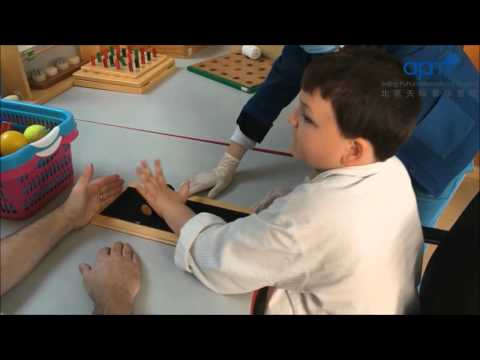



.png)












Share this listing