


Advanced Glaucoma Treatment in Tijuana: The Comprehensive Guide to Saving Your Sight
Glaucoma is often referred to as the "silent thief of sight" because it typically progresses without pain or obvious symptoms until significant permanent damage has occurred. For residents and medical tourists alike, finding world-class glaucoma treatment in Tijuana has become a top priority. At the Tijuana Eye Center SC, leading experts like Dr. Juan Pablo Rodríguez utilize state-of-the-art diagnostic technology to detect, manage, and treat this complex condition.
By combining international medical standards with the accessibility of Mexico’s premier medical hub, patients can access life-changing care that prevents blindness and preserves quality of life. In this guide, we dive deep into the causes, risks, and revolutionary treatments available for glaucoma, ensuring you have the knowledge needed to protect your vision.
Video Chapters & Quick Navigation
What Exactly is Glaucoma and How Does it Occur?
Glaucoma is not a single disease but a group of eye conditions that damage the optic nerve, the health of which is vital for good vision. This damage is often caused by an abnormally high pressure in your eye. As Dr. Rodríguez explains at [00:07], glaucoma is a neurodegenerative process where the nerve fibers responsible for sending images to the brain begin to die off.
The core issue usually stems from the "drainage angle" of the eye. Your eye produces a fluid called aqueous humor that normally drains out through a mesh-like channel. If this channel gets blocked or doesn't function correctly, the fluid builds up, causing intraocular pressure to rise. Think of it like a sink where the tap is running, but the drain is clogged; eventually, the water levels rise and create pressure. In the eye, this pressure pushes against the optic nerve, leading to permanent vision loss [00:41].
Identifying High-Risk Individuals for Glaucoma
Knowledge is the first line of defense. Understanding your risk profile can be the difference between early intervention and irreversible blindness. The medical team in Tijuana emphasizes specific glaucoma risk factors that everyone should be aware of [01:26].
The Age and Health Connection
Age plays a massive role in the development of eye diseases. Individuals over the age of 40 [01:45] are at a significantly higher risk. However, it isn't just about the years on the calendar; systemic health issues often manifest in the eyes. Diabetes is a major contributor to secondary glaucoma [01:49], as high blood sugar can damage the blood vessels in the eye or lead to the growth of new, abnormal vessels that block drainage.
| Risk Factor | Why it Matters |
|---|---|
| Age (40+) | Natural drainage efficiency decreases over time. |
| Diabetes | Can cause neovascularization, blocking fluid outflow. |
| Hypertension | High blood pressure correlates with higher eye pressure. |
| Family History | Genetic predisposition is a primary indicator [02:10]. |
How is Glaucoma Diagnosed in Modern Clinics?
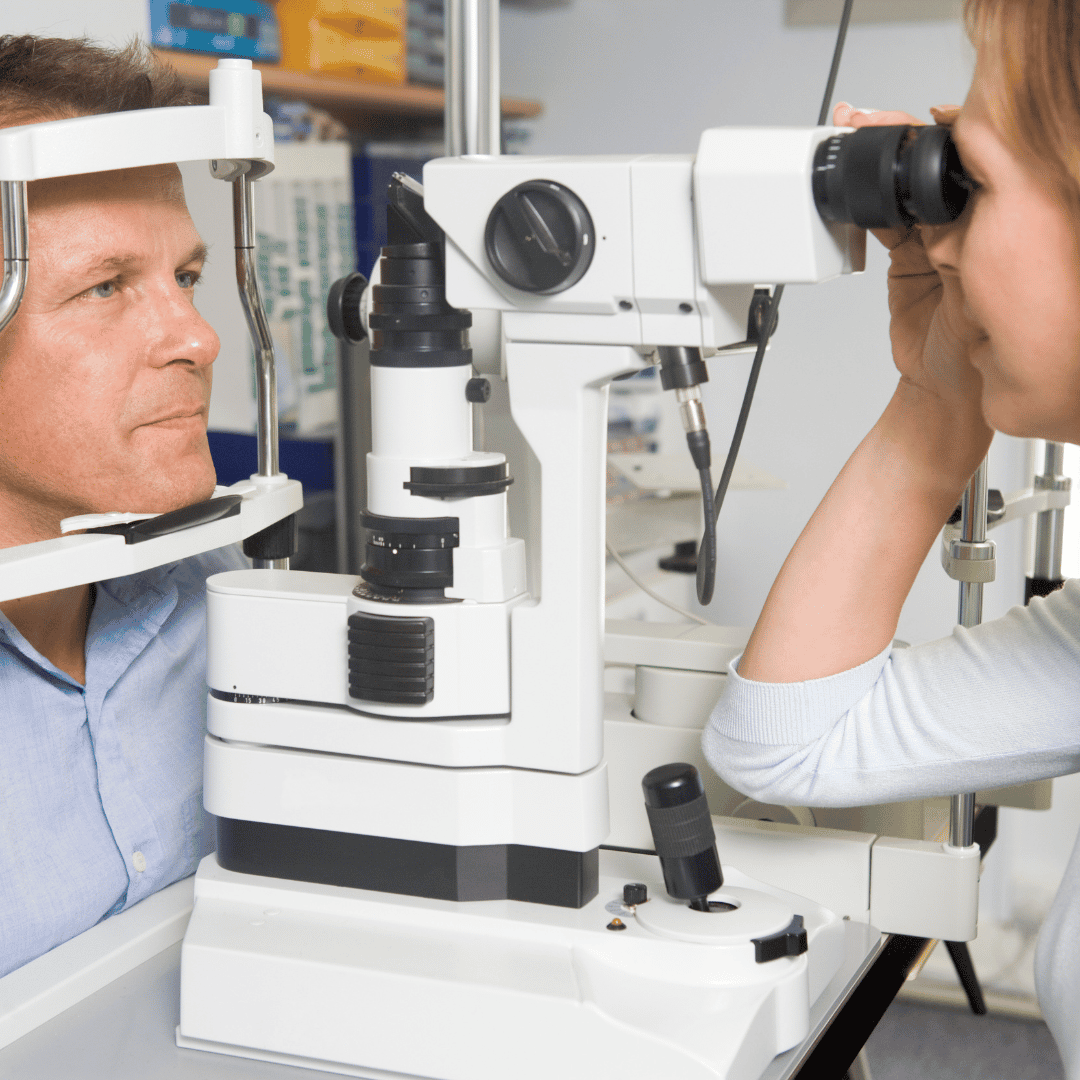
Diagnosing glaucoma requires more than just a quick glance. At the Tijuana Eye Center, a multi-step evaluation is conducted to ensure no detail is missed [02:29]. This includes a complete ophthalmic and optometric exam where visual acuity is measured, and the anterior structures of the eye are checked using a slit lamp [03:07].
The surgeon meticulously reviews the anatomy of the eye's drainage system. If the "angle" is too narrow or closed, the risk of an acute glaucoma attack—a medical emergency—increases. Specialized tools allow the doctor to see parts of the eye that are otherwise invisible during a standard check-up.
Campimetry and OCT: The Gold Standards of Vision Preservation
One of the most enlightening comparisons made by Dr. Rodríguez is that Campimetry (Visual Field Testing) is to the eye what an EKG is to the heart [03:25]. It tells the doctor exactly how the optic nerve is functioning and if there are "blind spots" that the patient hasn't noticed yet. Because glaucoma usually takes away peripheral vision first, many people don't realize they have a problem until their central vision is impacted—by then, it is often too late.
Optical Coherence Tomography (OCT)
While Campimetry measures function, OCT (Optical Coherence Tomography) measures structure [03:55]. This high-resolution imaging technology allows the specialist to see the thickness of the nerve fiber layer. By measuring the "excavation" of the optic nerve, the doctor can determine with mathematical precision how much damage has occurred and, more importantly, monitor for any changes over time [04:10].
Effective Management: Controlling the Pressure
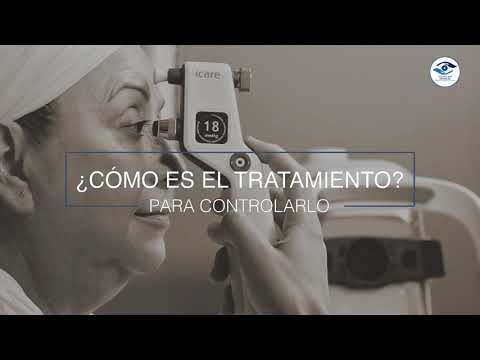
The first thing patients must understand about glaucoma is that it is controlled, not cured [05:25]. Much like managing high blood pressure or diabetes, the goal of glaucoma treatment is to maintain a stable state where no further damage occurs. The journey usually begins with medical therapy, specifically medicated eye drops [05:38].
These drops work by either reducing the amount of fluid the eye produces or helping the fluid drain more effectively. While it may seem like a simple solution, consistency is key. Missing even a few doses can cause pressure spikes that lead to incremental nerve damage. For many patients, these drops are a lifelong commitment to saving their sight.
When Drops Aren't Enough: Glaucoma Surgery in Tijuana
In cases where medication is insufficient or causes severe side effects, the best eye surgeons in Mexico turn to advanced procedural interventions. Glaucoma surgery has evolved significantly, offering several pathways depending on the patient's specific needs [06:33].
- Laser Trabeculoplasty: A focused beam of light is used to "unclog" the drainage angle, improving fluid outflow without the need for traditional incisions.
- Filtration Surgery (Trabeculectomy): The surgeon creates a new drainage path (a "trapdoor") for the fluid to bypass the clogged meshwork.
- Drainage Implants: Small artificial tubes or "shunts" are inserted into the eye to channel excess fluid away.
The Importance of Follow-up and Expert Evaluation
Because glaucoma is a progressive condition, long-term follow-up is non-negotiable [07:12]. Regular check-ups in Tijuana allow your specialist to verify that the chosen treatment is working. This is where the OCT and Campimetry tests prove their value once again—by comparing new results to your "baseline" scans, the doctor can catch even the smallest changes and adjust your treatment plan before your vision is compromised.
Each case is unique. A "one-size-fits-all" approach does not work for glaucoma. A personalized, high-tech evaluation at a dedicated clinic like the Tijuana Eye Center ensures that your specific type of glaucoma is treated with the precision it requires.
Ready to Save Your Sight?
Discover how cutting-edge diagnostic technology and expert care at the Tijuana Eye Center can help you manage glaucoma and protect your vision. Watch real patient journeys and see how modern treatments, including laser surgery and OCT, are revolutionizing glaucoma care.
GET A FREE QUOTEView Video Transcript + Show Details
00:00 Intro - Tijuana Eye Center SC Clínica de Ojos de Tijuana.
00:07 ¿Qué es el glaucoma? Es una enfermedad del nervio óptico que ocasiona la pérdida de fibras nerviosas.
00:41 El aumento de la presión intraocular es la causa principal del daño al nervio.
01:26 ¿Cuáles son los factores de riesgo? ¿Quiénes lo desarrollan?
01:45 Personas con más de 40 años de edad.
01:49 Ser diabético o padecer hipertensión arterial.
02:10 Antecedentes familiares de glaucoma son fundamentales.
02:29 ¿Cómo se diagnostica? Se basa en un examen oftalmológico completo.
03:07 Evaluamos la agudeza visual y las estructuras anteriores del ojo con lámpara de hendidura.
03:25 La campimetría es como el electrocardiograma para el corazón; nos dice cómo funciona el nervio.
03:55 La tomografía óptica (OCT) analiza las fibras nerviosas y la excavación del nervio óptico.
04:36 El tratamiento comienza con una buena evaluación inicial.
05:25 El glaucoma no se cura, se controla, al igual que la diabetes.
05:38 Inicialmente empezamos con gotas para controlar la presión.
06:33 Si las gotas no funcionan, existen alternativas como láser o diferentes cirugías de drenaje.
07:12 El seguimiento es vital para mantenerlo bajo control y evitar la progresión.
08:30 Conclusión y contacto Tijuana Eye Center.

.png)






Share this listing