


The landscape of modern healthcare is undergoing a massive transformation, shifting the focal point of healing from the clinical ward directly into the comfort of your living room. For decades, patients with limited mobility, chronic illnesses, or severe discomfort faced the grueling logistical nightmare of traveling to clinical facilities. Today, the concept of premium home care medical services eliminates these barriers entirely. Advanced medical institutions are now mobilizing their expertise, bringing cutting-edge diagnostics, compassionate care, and expert physician consultations directly to the patient's doorstep. Watch as we explore the rigorous protocols, advanced mobile technology, and unparalleled patient dedication that define the highest echelon of in-home medical care.
Video Chapters & Quick Navigation
The Evolution of Professional In-Home Healthcare Services
Historically, the concept of a doctor performing a house call was the standard of medical practice worldwide. However, as medical technology advanced and heavy diagnostic machinery became stationary, care was centralized into large clinical institutions.
Today, miniaturization of medical devices and robust digital health infrastructure have sparked a renaissance in professional home nursing care. We are witnessing a seamless blend of traditional bedside compassion with ultra-modern, clinical-grade diagnostics.
This evolution addresses a critical gap in the medical industry. High-volume long-tail search queries consistently show patients seeking "comprehensive geriatric home care" and "mobile medical teams at home" because the logistical strain of transporting an ailing loved one is simply too great. Modern in-home medical services eradicate these transport risks, effectively turning any bedroom into a fully monitored, safe clinical environment.
Why Choose Liv Bona Dea Hospital for Home Care?
Not all home medical services are created equal. Liv Bona Dea Hospital has established itself as an absolute titan in the realm of mobile healthcare by treating their home service department not as a secondary option, but as an extension of their intensive care and clinical wings.
When you seek the best hospital for home care services, accreditation, equipment standards, and staff training must be meticulously evaluated. Liv Bona Dea ensures that the medical personnel dispatched to residences possess the exact same rigorous training as the staff operating within their main hospital corridors. This guarantees that whether a patient requires routine chronic disease management or urgent home medical care response, the quality of clinical judgment remains uncompromised.
Furthermore, the hospital utilizes a highly synchronized digital database. The moment a physician gathers data during a home visit, it is instantly securely uploaded to the patient’s central medical file. This allows multidisciplinary teams back at the hospital—ranging from cardiologists to endocrinologists—to review real-time data and adjust treatment protocols without the patient ever needing to step foot in a waiting room.
The Rapid Response Dispatch and Logistics Protocol
The efficiency of an in-home medical visit relies heavily on the logistical framework supporting it. The journey begins seamlessly at the hospital’s central command center. As seen at [00:04], the dedicated home medical services department (Evd? Tibbi Xidm?t) immediately processes incoming requests with precision and urgency.
Once a call is logged, the medical team swings into immediate action. By [00:18], highly trained nurses are shown meticulously packing specialized medical transit bags. These kits are not mere first-aid boxes; they are comprehensive mobile diagnostic units containing sterilized instruments, emergency medications, and advanced biometric scanners designed to handle a wide array of clinical scenarios.
Transportation is another critical factor in medical response times. Utilizing branded, fully equipped dispatch vehicles, as demonstrated at [00:24], the team navigates directly to the patient's residence. Upon arrival at [00:30], the transition from travel to clinical care is instantaneous, reflecting the hospital’s commitment to minimizing patient wait times and maximizing clinical efficiency.
Meet the Expert: Dr. Sabina Guliyeva
Behind every successful medical department is visionary leadership. At Liv Bona Dea Hospital, the Home Care Services Department is spear-headed by Dr. Sabina Guliyeva, as introduced at [00:12]. Her role as the Head of the Home Care Services Department is pivotal in maintaining the stringent clinical standards required for remote medical interventions.
Under her guidance, the department operates with military precision combined with profound medical empathy. Overseeing a mobile medical unit requires a unique blend of clinical expertise and logistical mastery. Protocols must be constantly updated to reflect the latest in international medical standards, ensuring that every dispatched team is prepared for unpredictable domestic environments.
Having a seasoned medical professional at the helm guarantees that the care plans executed in patients' homes are not generic templates, but highly individualized medical strategies. This level of oversight provides immense peace of mind to families, knowing that the mobile healthcare services they receive are backed by high-tier hospital administration.
Comprehensive In-Home Medical Diagnostics Breakdown
The cornerstone of effective home care is the ability to perform precise diagnostic assessments. The mobile medical team executes a flawless sequence of vital checks, ensuring no underlying condition goes unnoticed. Bringing these in-home diagnostic testing services to the patient ensures continuous, accurate health tracking.
1. Pulse Oximetry and Respiratory Assessment
At [00:36], the team initiates monitoring with a digital pulse oximeter. This tiny yet critical device measures blood oxygen saturation (SpO2) and pulse rate. For patients suffering from chronic obstructive pulmonary disease (COPD), asthma, or cardiovascular issues, real-time oxygen monitoring is vital for preventing hypoxia-related emergencies.
2. Blood Pressure Monitoring
By [00:39], manual blood pressure readings are taken. In-home blood pressure monitoring is often far more accurate than clinical readings due to the absence of "white coat syndrome"—a phenomenon where patient anxiety in a hospital setting artificially inflates blood pressure results. Accurate baseline readings are crucial for adjusting hypertension medications.
3. Capillary Blood Glucose Testing
Blood sugar regulation is paramount, especially in geriatric care. At [00:42], a rapid blood glucose test is administered. Immediate diabetic screening allows the physician to instantly assess the risk of hypoglycemia or hyperglycemia, adjusting insulin dosages or dietary recommendations on the spot without waiting for laboratory delays.
4. Temperature and Physical Examination
Digital temperature screening at [00:46] helps detect silent infections early. This is followed by a thorough physical and throat examination at [00:50]. The physician palpates the neck, checks the mucosal lining, and evaluates overall physical responsiveness, ensuring a holistic view of the patient's current health status.
| Diagnostic Test | Clinical Importance in Home Care | Condition Prevented |
|---|---|---|
| Pulse Oximetry | Monitors exact oxygen saturation levels in the blood. | Silent Hypoxia, Respiratory Failure |
| Blood Pressure | Provides accurate cardiovascular baseline in a relaxed environment. | Hypertensive Crisis, Stroke Risk |
| Glucose Testing | Instant metabolic feedback for diabetes management. | Diabetic Ketoacidosis, Hypoglycemic Shock |
| Physical Exam | Hands-on assessment of lymph nodes, throat, and joint mobility. | Undiagnosed Infections, Mobility Decline |
Specialized Geriatric and Chronic Disease Management
One of the most profound applications of these services is in the realm of elderly care. At [00:54], the team is seen treating a senior patient, Basti khanim, demonstrating the gentle, patient-centric approach required for geriatric demographics. Elderly patients often suffer from a compounding array of mobility issues, making regular hospital visits physically exhausting and emotionally draining.
Professional elderly home care medical support focuses heavily on preventative medicine. By consistently monitoring vital signs and conducting routine physical assessments in the home, doctors can identify microscopic changes in a patient’s health trajectory long before they escalate into acute medical emergencies requiring hospitalization.
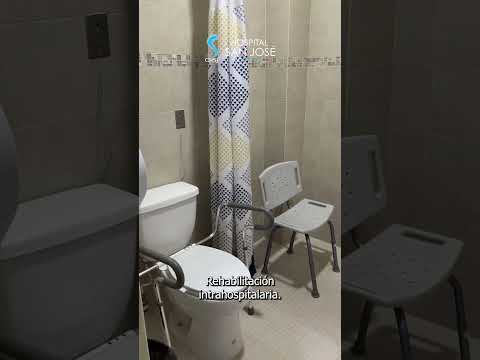
Furthermore, evaluating an elderly patient in their actual living space allows the medical team to assess environmental risks. Doctors and nurses can provide immediate advice on fall prevention, mobility aids, and ergonomic adjustments to the patient's daily routine. This holistic approach ensures that the environment itself promotes healing rather than presenting hidden hazards.
The Psychological Benefits of Healing at Home
The impact of environment on physical recovery is a widely documented medical fact. Hospitals, despite being centers of healing, are inherently stressful environments. The unfamiliar sounds, bright lights, and disruption of daily routines can spike cortisol levels, which in turn suppresses the immune system and delays wound healing and recovery.
By bringing healthcare services to the home, Liv Bona Dea Hospital allows patients to remain in their most comfortable, familiar environment. Surrounded by family members, personal belongings, and the comfort of their own bed, patients experience vastly reduced anxiety levels. This psychological comfort translates directly into measurable physiological benefits, including stabilized heart rates, lower blood pressure, and better reception to prescribed treatments.
As Dr. Guliyeva and her team conclude their comprehensive visit, noting at [00:58] that they listened to the patient's complaints and provided all necessary medical information, the relief on the patient's face is palpable. The reassurance that a world-class medical team is just a phone call away provides immeasurable mental peace for both the patient and their caregiving relatives.
The Advantages for Medical Tourism and Expatriates
Liv Bona Dea Hospital's exceptional home medical services also play a crucial role in international patient care and medical tourism. Expatriates living in the region, or international patients traveling for specialized surgeries, often require meticulous post-operative monitoring. Navigating a foreign hospital system for routine follow-ups can be daunting for non-locals.
In-home doctor visit coordination offers a luxurious and highly pragmatic solution. International patients recovering in local hotels or temporary residences can receive top-tier, English-speaking medical professionals directly to their suite. This guarantees continuity of care that aligns perfectly with global healthcare standards, eliminating the stress of medical transit during vulnerable recovery periods.
As confirmed by the medical team at [01:04], the Evd? Tibbi Xidm?t (Home Medical Service) department stands perpetually ready to serve patients precisely where they are. This unwavering commitment to accessibility, combined with uncompromised clinical excellence, redefines what it means to be a modern healthcare provider in a globally connected world.
Secure Your Premium Health Services Today
Do not compromise on your family's health and comfort. PlacidWay Medical Tourism connects you directly with elite institutions like Liv Bona Dea Hospital for world-class, comprehensive in-home medical care and diagnostic services. Let our experts coordinate your seamless healthcare experience.
REQUEST FREE INFORMATION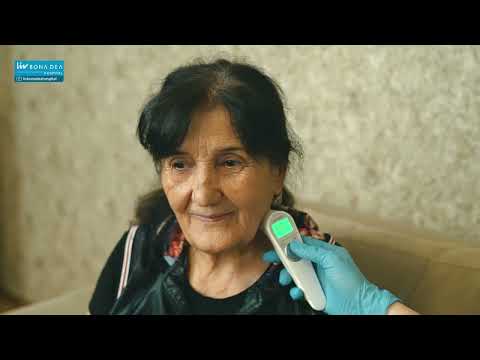



.png)
.png)








Share this listing