
Deciding to undergo a comprehensive facial rejuvenation is a life-changing choice for many patients seeking to restore a youthful appearance. A combined [00:00] facelift and neck lift procedure in South Korea has rapidly become the gold standard for achieving natural, long-lasting anti-aging results. Medical tourists flock to Seoul to benefit from elite surgical precision, advanced techniques, and world-class post-operative care.
When addressing severe signs of aging, a single procedure rarely provides a harmonious result. This is why top tier surgeons frequently combine lower facial lifting with complementary surgeries like a lower blepharoplasty, brow lift, and rhinoplasty. By treating the face as an interconnected canvas, board-certified specialists can turn back the clock by a decade or more while maintaining the patient's unique ethnic features and facial identity.
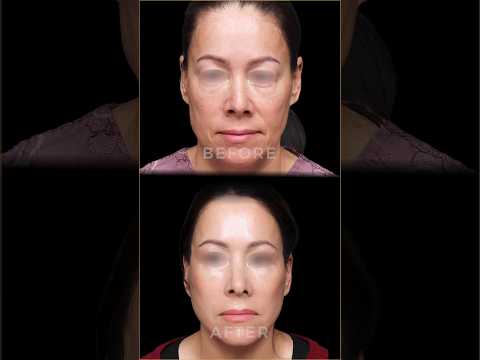
In the visual case study analyzed here, we observe the stunning early recovery stages of a patient who opted for this extensive surgical suite. Analyzing the transformation at just the two-week mark offers incredible insight into the rapid healing protocols utilized by elite Korean clinics. Let us explore the specifics of each procedure, the biology of facial aging, and the logistical steps required to embark on a similar medical tourism journey.
Video Chapters & Quick Navigation
Understanding the Modern SMAS Facelift Surgery Process
The foundational element of this dramatic transformation revolves around the facelift. Traditional facelifts often relied solely on pulling the skin tighter, which frequently resulted in an unnatural, "windblown" appearance. Today, the leading facelift and neck lift procedure in South Korea utilizes the advanced SMAS (Superficial Musculoaponeurotic System) technique.
By lifting and repositioning the underlying muscle and tissue layers, surgeons can restore the foundational structure of the face. This deep-plane approach ensures that the tension is placed on the muscles rather than the delicate skin. Consequently, the skin is gently re-draped over the newly contoured facial framework, providing a remarkably natural and youthful aesthetic.
As demonstrated in the early frames of the video at [00:02], the patient's preoperative state shows typical signs of mid-face volume loss and jowling. The SMAS facelift specifically targets these nasolabial folds and sagging jowls. Korean plastic surgeons are particularly renowned for their meticulous incision placements, often hiding scars within the natural contours of the ear and hairline to ensure they remain virtually invisible post-healing.
Combining the Neck Lift for Seamless Rejuvenation
A facelift alone cannot address the visible bands and excess skin that form beneath the chin. The integration of a neck lift (platysmaplasty) is crucial for maintaining harmony between the face and the neck. Aging causes the platysma muscle to separate and droop, creating the dreaded "turkey neck" appearance.
During a comprehensive neck lift, the surgeon creates a tiny incision under the chin to access these muscles. The platysma muscles are sutured back together like a corset, tightening the entire submental region. Excess fat may also be removed via micro-liposuction to further define the jawline and create a crisp, youthful cervicomental angle.
When the jawline is properly contoured, it frames the face and amplifies the results of the facelift. The striking profile improvement visible at the [00:10] mark highlights how addressing the neck is non-negotiable for patients seeking a complete anti-aging solution.
Lower Blepharoplasty: Eliminating Under-Eye Bags and Hollows
The eyes are frequently the first area of the face to show significant signs of aging due to the incredibly thin skin surrounding them. A lower blepharoplasty, or lower eyelid surgery, is designed to eradicate persistent under-eye bags, severe puffiness, and deep tear trough hollows. These issues often make patients look perpetually exhausted, regardless of how much sleep they get.
In highly specialized Korean clinics, surgeons often prefer a transconjunctival approach for younger patients, making the incision inside the lower eyelid to avoid external scarring. However, for older patients requiring skin excision alongside fat removal, a subciliary incision is made just millimeters beneath the lower lash line. This technique allows for the precise removal of redundant skin while offering access to the orbital fat pads.
Rather than simply excising the bulging fat, modern lower blepharoplasty in South Korea often involves fat repositioning. The excess fat from the "bags" is meticulously spread downward into the tear trough hollows. This creates a smooth, flush transition from the lower eyelid to the upper cheek, restoring the vibrant mid-face volume seen in the patient's two-week post-op results.
Lifting the Upper Third: Endoscopic Brow Lift
While a facelift manages the lower two-thirds of the face, an endoscopic brow lift is required to rejuvenate the forehead and upper eye area. Heavy, descending eyebrows crowd the upper eyelids, creating a hooded appearance that can even obstruct vision. A brow lift corrects this by elevating the tissues of the forehead.
Using advanced endoscopic technology, surgeons make small incisions hidden behind the hairline. A tiny camera is inserted, allowing the surgeon to release the ligaments that pull the brow downward. The tissue is then elevated and secured into a higher, more youthful position using dissolvable fixation devices like Endotines.
This minimally invasive approach drastically reduces recovery time compared to older coronal brow lifts. It effectively smooths horizontal forehead wrinkles, diminishes frown lines between the eyebrows, and restores a bright, alert expression to the eyes without an artificial, surprised look.
Rhinoplasty Surgery Cost and Results: Completing the Facial Profile
The nose acts as the central anchor of the face, directly influencing overall facial proportions. Including rhinoplasty within a comprehensive anti-aging plan is common for patients looking to refine a drooping nasal tip or reduce a dorsal hump that has become more prominent with age. As the facial skin loses elasticity, the tip of the nose often begins to plunge, contributing significantly to an aged appearance.
In South Korea, rhinoplasty techniques are incredibly advanced, often utilizing autologous cartilage to restructure the nasal framework safely. Surgeons frequently harvest septal cartilage, ear cartilage, or even rib cartilage to build a strong, refined nasal tip. For dorsal augmentation, custom-carved silicone implants or Gore-Tex may be utilized depending on the patient's specific anatomical needs.
By examining the side profile comparison at [00:14], the harmony achieved between the lifted jawline and the newly refined nose is striking. The rhinoplasty surgery cost and results in South Korea vary widely based on the complexity of the revision or primary status, but bundling procedures often presents a significant financial advantage while ensuring perfectly balanced aesthetic outcomes.
| Procedure Name | Primary Treatment Area | Key Aesthetic Benefit |
|---|---|---|
| SMAS Facelift | Mid-face, Cheeks, Jawline | Eliminates severe jowls and deep nasolabial folds |
| Neck Lift (Platysmaplasty) | Submental region, Neck | Tightens loose neck skin and repairs separated muscle bands |
| Lower Blepharoplasty | Under-eye region | Removes puffiness, dark circles, and tear trough hollows |
| Endoscopic Brow Lift | Forehead, Eyebrows | Elevates descending brows and smooths deep forehead wrinkles |
| Structural Rhinoplasty | Nasal bridge, Nasal tip | Corrects plunging tips and refines overall facial symmetry |
The Two-Week Post-Operative Recovery Milestones
Recovering from a multi-procedure facial surgery requires patience, meticulous care, and a clear understanding of the healing timeline. The footage reveals the patient at the exact two-week post-op mark, as indicated by the text overlay at [00:06]. At this stage, the majority of the dramatic swelling and deep bruising has successfully subsided.
During the initial three to five days following surgery, patients typically experience the peak of their facial edema. Clinics in South Korea are famous for their intensive post-operative deswelling programs, which significantly accelerate this phase. Patients receive daily LED light therapy sessions, hyperbaric oxygen treatments, and specialized lymphatic drainage massages to push fluid away from the surgical sites.
By the fourteenth day, patients are generally comfortable returning to social settings or flying back to their home countries. While some minor, residual swelling remains invisible to the untrained eye, the structural transformations are vividly apparent. Strict adherence to sleeping with the head elevated, consuming a low-sodium diet, and avoiding strenuous physical activity is critical during this sensitive two-week window.
Managing Scars and Long-Term Healing Expectations
Proper scar management dictates the final quality of any aesthetic procedure. Because the facelift and neck lift procedure in South Korea heavily utilizes hidden incision techniques, visible scarring is heavily minimized right from the beginning. However, proactive dermatological care remains necessary to ensure the incisions fade into fine, imperceptible white lines.
Surgeons typically advise patients to begin applying high-grade medical silicone gels or using silicone sheeting once the external sutures have been removed and the wounds are fully closed. Direct sunlight is the primary enemy of healing scars. Consequently, religious application of broad-spectrum SPF 50 sunscreen and wearing wide-brimmed hats outdoors is mandatory for at least the first year of recovery.
While the immediate results at two weeks are encouraging, the final, completely settled outcome of a facelift, rhinoplasty, and lower blepharoplasty will reveal itself around the six to twelve-month mark. The tissues continue to soften, and the sensory nerves slowly regenerate throughout the mid-face and scalp.
Why South Korea is the Ultimate Medical Tourism Destination
South Korea has firmly established itself as the global epicenter for advanced aesthetic surgery. The nation boasts the highest number of plastic surgeries per capita, fostering an environment of intense medical innovation and surgical mastery. For international patients seeking a comprehensive facelift and neck lift procedure in South Korea, the expertise available is largely unmatched on the global stage.
Korean clinics operate with a highly specialized, factory-like efficiency that prioritizes patient safety and VIP care. Major hospitals feature in-house anesthesiologists, fully equipped intensive care units, and state-of-the-art 3D CT scanning technology to map facial structures precisely before making a single cut. This level of infrastructure drastically reduces the risks associated with prolonged, combined surgeries under general anesthesia.
Furthermore, the sheer volume of operations performed by Korean surgeons means their technical execution is flawless. A board-certified surgeon in Seoul may perform more facelifts and rhinoplasties in a single month than a Western counterpart might perform in an entire year. This vast clinical experience translates directly to more predictable, refined, and aesthetically pleasing outcomes for international visitors.
Key Benefits of Choosing Seoul for Anti-Aging Surgery
- Pioneering Surgical Techniques: Access to cutting-edge deep plane lifts, endoscopic tools, and complex cartilage grafting not widely available elsewhere.
- Extensive Post-Op Support: Complimentary access to premium deswelling treatments, pumpkin juice to reduce edema, and daily wound cleaning services.
- Cost-Effective Excellence: Transparent pricing models that often make combining five procedures significantly more affordable than performing a single surgery in North America or Europe.
- Seamless Logistics: Dedicated international departments that assist with hotel bookings, airport transfers, and provide native-speaking medical translators.
Planning Your Journey to Verygood Plastic Surgery
Embarking on a medical tourism trip to undergo major facial surgery requires careful logistical planning. The process almost always begins with a virtual consultation. Patients submit clear, well-lit photographs from various angles to the clinic's international coordinators. Many top clinics utilize messaging platforms extensively to connect with global clientele seamlessly.
During these initial online assessments, the lead surgeon reviews the structural anatomy and recommends a customized surgical plan. Once the patient agrees to the proposed combination of facelift, blepharoplasty, brow lift, and rhinoplasty, surgical dates are locked in. International patients are typically required to arrive in Seoul at least one or two days prior to their operation for an extensive physical examination, blood work, and an in-person, detailed consultation with the surgical team.
Accommodation strategy is a vital part of the recovery phase. Patients should book hotels or medical recovery houses located in close proximity to their clinic, usually in the Gangnam or Seocho districts. This proximity minimizes travel stress when attending daily post-operative checkups and laser therapy sessions. Most medical tourists allocate a minimum of 14 days for their trip to ensure all stitches are removed and they receive medical clearance before their long-haul flight home.
Ready to Start Your Anti-Aging Transformation?
Discover the exact costs, required recovery time, and customized procedural plan tailored specifically to your facial anatomy. Connect with elite board-certified plastic surgeons today.
Get Free QuoteView Video Visual Transcript Details
[00:00]
Visual Display: Split screen showing the "BEFORE" image of a female patient presenting signs of facial aging, mid-face volume loss, jowling, and descending eyebrows.
[00:01]
On-Screen Text: "Facelift & Neck Lift + Lower Blepharoplasty Brow Lift + Rhinoplasty"
[00:03]
Visual Display: Smooth transition presenting the "AFTER" image, showing the patient with a tightened jawline, lifted brows, refreshed under-eye area, and refined nasal tip.
[00:04]
On-Screen Text: "Whatsapp: +82 10 3095 9006" appears at the top. Logo for "VERYGOOD PLASTIC SURGERY Vibrant results, Glamorous you." appears at the bottom.
[00:06]
On-Screen Text: "AFTER 2W" indicating the two-week post-operative mark.
[00:08]
On-Screen Text Disclaimer: "Filmed in the early post-op stage. Swelling and bruising are temporary and part of the normal healing process."
[00:10]
Visual Display: Side profile comparison. The "BEFORE" angle clearly highlights loose skin along the neck and a plunging nasal tip.
[00:14]
Visual Display: The final "AFTER 2W" side profile displays a remarkably contoured cervicomental angle, a lifted mid-face, and a beautifully structured nasal bridge and tip, completing the anti-aging transformation.

.jpg)
.png)
.png)

.jpg)
.jpg)
.jpg)
.jpg)








Share this listing