


Millions of individuals suffer from severe bone loss in the upper jaw, making traditional implant solutions impossible without extensive grafting. Advancements in surgical dentistry have introduced revolutionary techniques to solve this complex clinical challenge. If you are exploring options for total smile restoration, understanding the intricacies of full mouth zygomatic dental implants in Turkey can be completely life-changing.
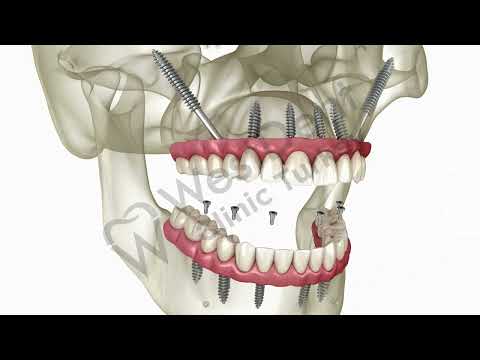
This highly advanced protocol bypasses deteriorated maxillary bone by securing specialized titanium anchors directly into the dense cheekbone. The procedure entirely eliminates the need for lengthy bone grafting procedures and allows for immediate loading of fixed prostheses. The animated demonstration at [00:00] perfectly illustrates how these elongated titanium fixtures anchor deeply into the zygomatic arch.
By utilizing the patient's cheekbone, oral and maxillofacial surgeons achieve exceptional primary stability immediately upon placement. This superior structural integrity is absolutely paramount for successfully supporting a permanent full arch bridge. Patients who were previously dismissed by local dentists because they lacked sufficient bone density now have a highly predictable pathway to a fully functional smile.
Video Chapters & Quick Navigation
Understanding Severe Bone Loss in the Upper Maxilla
The maxilla, or upper jawbone, is naturally more porous and less dense compared to the robust structure of the mandible. Because it is composed largely of trabecular spongy bone, it is highly susceptible to rapid volume reduction following tooth extraction. The human body is highly efficient at reabsorbing calcium when mechanical chewing stimulation ceases.
As the alveolar ridge shrinks vertically and horizontally, the maxillary sinuses begin to expand downwards in a process called sinus pneumatization. Periodontal disease, chronic infections, and long-term denture wear exponentially exacerbate this localized atrophy. The constant friction from resting traditional removable appliances on the gums actually accelerates bone degradation.
Once the bone volume drops below a critical threshold, standard threaded implants simply cannot gain enough traction to withstand chewing forces. Maxillofacial surgeons must meticulously evaluate three-dimensional cone-beam computed tomography scans to precisely map the remaining bone topography. This critical diagnostic step dictates the optimal trajectory for specialized anatomical anchors.
What Are Zygomatic Dental Implants for Severe Maxillary Bone Loss?
Zygomatic dental implants represent a pinnacle of bioengineering designed specifically to address the severely atrophic maxilla. Ranging from 30 millimeters to over 60 millimeters in length, they are significantly longer and structurally distinct from conventional root-form implants. Instead of relying on the fragile jawbone, they traverse the maxillary sinus cavity to anchor firmly into the dense cheekbone.
This dense skeletal structure offers unparalleled, immediate anchorage due to its highly mineralized cortical bone makeup. The cortical bone of the cheekbone is highly resistant to resorption, providing a permanent and biologically stable foundation. This incredible stability allows experienced surgeons to frequently attach a fully functional prosthesis on the exact same day.
How Zygomatic Implants Differ from Traditional Dental Implants
Standard implant placement mandates a strict minimum depth, width, and density of alveolar bone to be successful. When this foundational bone is entirely absent, traditional implant protocols absolutely mandate extensive preparatory surgeries like sinus floor elevations and block grafts. These preliminary procedures delay the placement of teeth by six to twelve months.
The zygomatic approach is intelligently designed to entirely bypass the resorbed and deficient alveolar ridge. By strategically angling these much longer fixtures, surgeons cleverly leverage remote anatomical landmarks for maximum structural support. This paradigm shift means drastically fewer surgical interventions and a dramatically streamlined timeline to final prosthetic restoration.
| Clinical Feature | Traditional Implants | Zygomatic Implants |
|---|---|---|
| Fixture Length | 8mm - 16mm | 30mm - 60mm |
| Primary Anchorage Point | Alveolar Ridge (Standard Jawbone) | Zygomatic Bone (Dense Cheekbone) |
| Bone Grafting Requirements | Mandatory for severe bone loss cases | Completely bypassed and avoided |
| Timeline to Fixed Teeth | 6 to 12 months (Delayed loading) | Immediate loading (Same-day function) |
The Complete Surgical Procedure for Full Arch Restoration in Turkey
The complex transition from severe edentulism to a fully functional bite requires meticulous digital planning and flawless surgical execution. The visual sequence starting at [00:04] clearly demonstrates the precise integration of a custom-milled upper prosthesis onto standard and zygomatic supports. This multi-disciplinary approach ensures maximum stability across the entire maxillary arch.
Surgeons typically utilize a highly strategic hybrid approach for the upper jaw tailored precisely to remaining bone volume. Two to four standard anterior implants manage front biting forces, while bilateral zygomatic implants are placed posteriorly to support heavy molar loads. Once the titanium fixtures are meticulously secured, the precise seating of the upper arch bridge ensures balanced occlusal force distribution.
The lower jaw restoration follows a parallel, yet anatomically distinct protocol utilizing dense mandibular bone. Because the lower jaw retains bone density longer, standard conventional implants are almost always sufficient for full arch support. The detailed animation at [00:10] highlights the careful alignment, angulation, and final fixation of the lower prosthetic framework.
Achieving Perfect Occlusion and Functional Harmony
The ultimate overarching goal of reconstructive implantology is the complete restoration of natural bite force and optimal joint health. As seen in the highly detailed final stages of the demonstration around [00:14], the lower arch is firmly screwed into place. The stunning final result at [00:18] exhibits the absolutely ideal alignment between the maxillary and mandibular prostheses.
Achieving perfect occlusion ensures that immense chewing forces are evenly and safely distributed across all underlying titanium pillars. Uncompromising attention to biomechanical detail prevents excessive lateral forces that could jeopardize the delicate osseointegration process. Advanced digital workflows allow prosthodontists to achieve millimeter-perfect fabrication of these fixed bridges.
Why Choose Full Mouth Dental Implants in Turkey for Complex Cases?
Medical tourism for highly complex oral surgery has surged exponentially due to undeniable clinical quality and unparalleled cost efficiency. Turkish dental centers have become globally recognized hubs housing top-tier maxillofacial surgeons who specialize heavily in advanced zygomatic protocols. These specialists routinely handle extraordinarily high volumes of complex reconstruction cases from around the world.
Premium dental facilities in this region are built specifically to handle demanding total smile restorations. They are fully equipped with state-of-the-art diagnostic imaging centers, comprehensive in-house milling laboratories, and dedicated surgical suites. Patients receive an elite concierge-level experience including private airport transfers and dedicated multilingual patient coordinators.
Stringent regulatory standards governing international clinics ensure strict adherence to global sterilization, hygiene, and material protocols. Reputable clinics exclusively utilize premium, globally recognized implant brands backed by international lifetime warranties. This uncompromising commitment to safety assures patients that their substantial investment is built on proven medical excellence.
Ideal Candidates for Complex Zygomatic Dental Implant Surgery
This specialized procedure is tailored specifically for individuals disqualified from traditional implant therapy due to extreme maxillary resorption. A thorough medical and dental evaluation is strictly necessary to ensure the patient can tolerate a lengthy surgical procedure under sedation. Contraindications generally involve uncontrolled systemic conditions, active bisphosphonate therapy, or severe untreated chronic sinus infections.
- Severe Maxillary Atrophy: Patients lacking the vertical or horizontal bone height necessary for standard root-form implants.
- Failed Grafting Procedures: Individuals who previously underwent unsuccessful sinus augmentations or painful block bone grafts.
- Long-Term Denture Wearers: Those experiencing severe slippage, tissue irritation, and discomfort from removable appliances.
- Desire for Immediate Function: Active patients seeking same-day fixed teeth without waiting agonizing months for healing.
Step-by-Step Breakdown of the Full Arch Implant Placement Protocol
The diagnostic phase relies entirely on high-definition cone-beam computed tomography to visualize exact three-dimensional bone thickness. Advanced virtual surgical planning software is utilized to map the exact safe drill path, ensuring vital facial structures are completely avoided. Custom surgical guides are frequently 3D printed to ensure physical surgery perfectly matches the digital blueprint.
On the day of surgery, specialized elongated drills sequentially create the osteotomy through the residual alveolar crest. The surgical path travels safely past the lateral sinus wall and deep into the solid body of the cheekbone. The long titanium fixtures are methodically threaded into position with extremely high torque to achieve immediate rigid mechanical fixation.
Once foundational structural supports are solidly in place, specialized multi-unit abutments are securely attached to correct steep angulations. Highly accurate intraoral digital scans are immediately taken while the patient rests comfortably in a private recovery suite. The in-house laboratory rapidly fabricates a rigid temporary bridge, allowing the patient to leave with a beautiful fixed smile.
Post-Operative Care and Dental Implant Recovery Timeline
Recovering from a complex surgical procedure involving deep facial structures requires strict adherence to all post-operative medical instructions. Significant facial swelling, mild discomfort, and visible bruising around the eyes and upper cheeks are expected biological responses. Diligent application of cold compresses and on-time administration of prescribed anti-inflammatory drugs aggressively manage edema.
A strict, non-negotiable soft food diet is completely mandatory during the initial osseointegration phase lasting four to six months. Patients must avoid any hard or sticky foods to prevent dangerous micro-movements of the newly placed titanium fixtures. Meticulous oral hygiene, including antimicrobial mouthwashes and ultra-soft surgical toothbrushes, prevents destructive soft tissue infections.
After the lengthy integration period completes, the patient returns joyfully to the clinic for the definitive restorative phase. The temporary acrylic bridges are permanently replaced with highly durable custom frameworks milled from solid monolithic zirconia. This final prosthesis offers vastly superior aesthetics, lifelike translucency, and immense structural strength for unrestricted dietary choices.
Cost Efficiency of Complex Dental Implant Procedures in Turkey
The daunting financial aspect of extensive full-mouth oral rehabilitation is frequently the single largest barrier for desperate patients. Advanced zygomatic procedures command astronomical premium fees domestically due to technical complexity and required surgical expertise. Choosing to undergo this precise treatment abroad dramatically reduces the crippling financial burden without sacrificing clinical safety.
This staggering cost disparity is driven by significantly lower operational overhead and favorable currency exchange rates. Savvy patients can very often save up to seventy percent on comprehensive treatment plans compared to North American pricing. This massive economic advantage completely democratizes access to elite dental care that would otherwise remain permanently out of reach.
Reputable international clinics heavily utilize transparent, bundled treatment packages encompassing surgical and restorative phases. These all-inclusive pricing models entirely eliminate the crippling fear of hidden fees for vital bone shaping or provisional prostheses. Absolute financial clarity provides immense peace of mind, allowing the patient to focus entirely on their physical recovery.
Long-Term Success Rates and Maintenance of Full Arch Prostheses
Extensive clinical studies consistently demonstrate truly exceptional long-term survival rates for zygomatic implant supports exceeding ninety-five percent. The incredibly dense, highly mineralized cortical bone of the cheekbone provides a remarkably stable environment resisting ongoing resorption patterns. This biological advantage makes the zygomatic approach not just a rapid full mouth solution, but a highly permanent one.
Diligently maintaining this incredible success rate requires an absolute lifelong commitment to rigorous professional dental maintenance. The permanent fixed bridge must be thoroughly cleaned and expertly inspected annually by a specially trained clinical team. Dental hygienists carefully use non-abrasive titanium scalers to meticulously remove harmful bacterial plaque without scratching delicate abutment surfaces.
Post-rehabilitation patients are almost always advised to religiously wear a custom-fabricated hard acrylic nocturnal occlusal guard while sleeping. This vital appliance acts as a powerful shock absorber, effectively protecting expensive restorative materials from destructive teeth grinding. With uncompromising proper daily home care and routine monitoring, a full arch zygomatic restoration predictably provides a lifetime of renewed confidence.
Ready to Restore Your Smile?
Contact our specialized medical team today to explore your options for full mouth zygomatic dental implants and receive a detailed, personalized treatment plan.
Get Free QuoteView Video Transcript & Animation Description
[00:00] Anatomical visualization of a human skull featuring four standard dental implants and two elongated zygomatic implants anchored deeply into the upper jaw and dense cheekbones.
[00:04] The digital sequence illustrates a complete full arch upper dental prosthesis being carefully aligned and lowered onto the established titanium implant abutments.
[00:08] The custom-milled upper jaw prosthesis is firmly seated and permanently screwed into position, fully securing the restored upper dental arch.
[00:10] The camera focus shifts smoothly to the lower jaw, demonstrating an array of standard titanium dental implants properly prepared to receive the lower prosthetic bridge.
[00:14] The complete lower jaw prosthetic framework is meticulously guided into place and rigidly attached to the underlying mandibular implants.
[00:18] The final animated frame showcases the stunning completed full mouth restoration, highlighting the perfect functional occlusion and alignment between the upper and lower prosthetic teeth.

.png)















Share this listing