


The Comprehensive Guide to the World Medical Tourism & Global Health Congress
The landscape of global healthcare is evolving at an unprecedented pace, rendering geographic borders practically obsolete for patients seeking high-quality care. The World Medical Tourism & Global Health Congress stands as the epicentre of this transformation, uniting industry pioneers, healthcare providers, and policymakers.
This premier international healthcare networking event addresses critical shifts in cross-border healthcare solutions, exploring how medical travel facilitators and top-tier global clinics are reshaping patient experiences. Delve into the core discussions from the congress to understand why the future of global medical travel impacts everyone from self-funded employers to individual patients seeking excellence.
Video Chapters & Quick Navigation
Unveiling the World Medical Tourism & Global Health Congress
The global medical travel landscape is no longer a niche market reserved for the highly affluent. Today, it represents a massive, interconnected ecosystem of international healthcare providers, buyers, and facilitators. At the very heart of this ecosystem is the World Medical Tourism & Global Health Congress, an annual summit that dictates the trajectory of international healthcare solutions. As highlighted at in the video, this event serves as the ultimate gathering for visionaries who are unsatisfied with the constraints of localized medical care.
Industry leaders congregate at this congress to dismantle the traditional barriers that have historically kept patients isolated from world-class treatments. By focusing heavily on the future of global medical travel, the congress provides a platform for introducing disruptive technologies, innovative insurance models, and advanced patient facilitation strategies. Attendees include government tourism boards, hospital executives, international health insurance providers, and major corporate HR directors looking to optimize their employer-sponsored healthcare plans.
Understanding the core mission of this congress is vital for anyone involved in the medical tourism industry growth phase. It is not merely a trade show; it is a collaborative environment where cross-border healthcare policies are drafted and international patient care standards are rigorously debated. The insights generated here ripple outward, eventually dictating the quality of care a patient will receive when they travel from the United States to Costa Rica, or from the UK to Turkey for specialized treatments.
The Genesis of a Global Healthcare Movement
The origins of the congress stem from a recognized gap in global healthcare communication. A decade ago, outstanding medical facilities in Asia and Latin America struggled to connect with patients in North America and Europe who desperately needed affordable, high-quality care. There was a profound lack of an international healthcare networking framework.
This summit was established to bridge that exact gap. It created a trusted environment where international accreditations, such as the Joint Commission International (JCI), could be standardized and promoted. As mentioned at , establishing uniform quality metrics was the first crucial step in making medical tourism a viable, safe alternative to domestic healthcare systems that are often plagued by long wait times and exorbitant costs.
Why International Healthcare Networking Matters
In the realm of medical travel, isolation is the enemy of progress. The success of a patient's journey across borders relies entirely on a seamless network of cooperating entities. The World Medical Tourism Congress is fundamentally built upon the concept that international healthcare networking events are the catalysts for seamless patient experiences. When a hospital director from South Korea shakes hands with a medical travel facilitator from Canada, a new, streamlined pathway to health is forged for countless patients.
These networking opportunities extend far beyond simple business-to-business introductions. They facilitate deep integrations between disparate health systems. For instance, discussions often center around how to transfer complex electronic medical records (EMRs) securely across international borders, ensuring compliance with both HIPAA in the US and GDPR in Europe. Such technical alignments are impossible without the face-to-face problem-solving environment that this global congress provides.
Furthermore, the networking aspect plays a massive role in crisis management and continuum of care. If a patient travels abroad for a complex orthopedic surgery, their local primary care physician must be kept in the loop for post-operative rehabilitation. The congress trains facilitators and hospital coordinators on how to build these crucial communication bridges, ensuring the patient is never left stranded in a medical grey zone upon returning home.
Bridging the Gap Between Providers and Payers
One of the most dynamic networking intersections at the event happens between global healthcare providers and international insurance payers. Historically, insurance companies were hesitant to cover treatments abroad due to a lack of verifiable quality control. The congress directly addresses this by allowing payers to audit, interview, and partner with globally accredited hospitals.
| Stakeholder Group | Primary Networking Goal at Congress | Direct Patient Benefit |
|---|---|---|
| Healthcare Providers | Establish international brand trust and accreditations. | Access to globally vetted, high-quality medical facilities. |
| Medical Travel Facilitators | Build robust hospital and hospitality networks. | Seamless, stress-free travel and treatment logistics. |
| Insurance/HR Directors | Negotiate transparent, bundle-priced medical procedures. | Lower out-of-pocket costs and broader coverage options. |
As detailed around , when these two giants of the industry align, the ultimate winner is the patient, who suddenly gains access to life-saving treatments at a fraction of domestic costs, completely covered by their modernized health plan.
Key Themes Shaping the Future of Global Medical Travel
The World Medical Tourism & Global Health Congress is synonymous with forward-thinking innovation. It serves as a crystal ball for the future of global medical travel, highlighting the macro trends that will dominate the next decade. Chief among these themes is the rapid integration of digital health ecosystems into the traditional medical tourism journey. Telemedicine is no longer just a buzzword; it is a mandatory preliminary step for international patients.
Patients expect to have detailed, high-definition video consultations with their prospective overseas surgeons before ever booking a flight. The congress emphasizes that clinics failing to adopt robust, secure telehealth platforms will quickly fall behind in the competitive international market. Additionally, artificial intelligence is taking center stage. AI algorithms are now being showcased at the congress as tools to perfectly match patients with the most appropriate global specialists based on specific medical histories and success rates.
- Personalized Precision Medicine: Tailoring treatments based on genetic profiles, prompting patients to travel to niche global centers of excellence.
- Wellness and Preventative Tourism: A massive shift from reactive surgeries to proactive, holistic health retreats, blending traditional medicine with luxury wellness.
- Blockchain in Healthcare: Utilizing decentralized technology to give patients complete, immutable control over their cross-border medical records.
Another profound theme is the democratization of healthcare information. Patients are becoming highly educated consumers, arriving at consultations armed with extensive research about implant brands, surgical techniques, and global price comparisons. The congress teaches medical providers how to adapt to this new breed of highly informed medical travelers, stressing the importance of total pricing transparency and outcome reporting.
Sustainability in healthcare travel is also an emerging topic. As global travel faces environmental scrutiny, top medical tourism destinations are exploring ways to offer eco-friendly recovery resorts and carbon-offset medical travel packages. This holistic view ensures the medical tourism industry growth is both economically and environmentally sustainable for the future.
The Role of Cross-Border Healthcare Solutions
Traveling for medical care introduces a unique set of logistical and legal challenges that domestic healthcare completely bypasses. Cross-border healthcare solutions are the specific methodologies and services designed to mitigate these challenges, and they form a cornerstone of the congress's educational tracks. One of the most complex issues discussed is the navigating of international medical visas.
Securing expedited medical visas for patients in critical condition requires specialized governmental cooperation. The congress actively hosts panels with international immigration officials to streamline these processes. As noted at , creating dedicated "medical travel corridors" between nations ensures that bureaucratic red tape does not stand in the way of urgent, life-enhancing surgical procedures.
Furthermore, cross-border solutions encompass the physical logistics of moving a vulnerable patient. This includes everything from specialized medical flight transports equipped with ICU capabilities, to arranging ground transportation that accommodates wheelchairs or stretchers. The hospitality sector plays a massive role here, with hotels adapting their infrastructure to serve recovering surgical patients rather than just standard vacationers.
Ensuring Continuity of Care Across Oceans
Perhaps the most critical cross-border solution is the guarantee of a continuum of care. A successful surgery abroad is only half the battle; the recovery and long-term monitoring dictate the final outcome. The global health congress strongly advocates for formalized handover protocols between the international surgeon and the patient's local primary care physician.
This involves translating complex surgical notes, transferring post-operative imaging, and establishing clear guidelines for rehabilitation. By standardizing these handover protocols globally, the industry dramatically reduces the risk of post-operative complications going unnoticed once the patient returns to their home country. This seamless transition is what elevates medical tourism from a risky venture to a safe, highly strategic healthcare choice.
Enhancing International Patient Care Standards
If there is one unifying cry at the World Medical Tourism & Global Health Congress, it is the uncompromising demand for elevated international patient care standards. The stigma of "cheap, substandard foreign healthcare" has been aggressively dismantled over the past two decades, replaced by a rigorous culture of global accreditation and clinical excellence. Quality is no longer subjective; it is measurable and heavily audited.
The Joint Commission International (JCI) often takes a leading role in these discussions. JCI accreditation is widely considered the gold standard in global healthcare, demanding that international hospitals meet or exceed the exact same safety and hygiene protocols required of top-tier US hospitals. The congress provides intensive workshops for international hospital administrators on how to prepare for and achieve these grueling accreditations.
Beyond physical safety protocols, patient care standards also encompass the cultural competency of the medical staff. When treating a diverse global patient base, understanding cultural nuances regarding pain management, dietary restrictions, and communication styles is vital. Nurses and doctors are trained to provide a highly empathetic, culturally sensitive environment that puts anxious international travelers at ease.
As highlighted at , this dedication to comprehensive care means that the international patient experience frequently surpasses domestic care in terms of personalized attention, nurse-to-patient ratios, and overall hospital hospitality.
Economic Impact and Medical Tourism Industry Growth
The economic ramifications of global healthcare mobility are staggering. The medical tourism industry growth has transformed it into a multi-billion dollar economic pillar for many developing and developed nations alike. The congress serves as the primary data-gathering hub where annual industry valuations, patient volume statistics, and revenue forecasts are released to global investors and government stakeholders.
| Economic Driver | Impact on Host Country | Impact on Origin Country |
|---|---|---|
| Foreign Direct Investment | Funds the construction of ultra-modern mega-hospitals. | Corporate investors see high ROI on international clinics. |
| Job Creation | Massive hiring in healthcare, hospitality, and translation sectors. | Growth of specialized medical travel facilitator agencies. |
| Healthcare Cost Savings | Revenue boosts local economy and infrastructure. | Employers and insurers save millions on complex claims. |
For destination countries, the influx of medical tourists provides a powerful injection of foreign currency. This revenue doesn't just line corporate pockets; it frequently subsidizes the domestic healthcare system. By treating high-paying international patients, foreign hospitals can afford state-of-the-art MRI machines, robotic surgery units, and top-tier talent, which ultimately benefits the local population as well. This symbiotic economic model is a frequent topic of keynote speeches at the global summit.
Conversely, for the nations exporting patients (primarily the US, UK, and Canada), the economic impact is measured in massive cost savings. Self-funded employers are discovering that flying an employee to Costa Rica for a knee replacement, covering their five-star hotel, and paying for the surgery entirely out-of-pocket is still 50% to 60% cheaper than facilitating the same surgery domestically in the United States.
The congress heavily promotes these economic realities, providing corporate HR directors with the analytical tools and case studies needed to convince their boardrooms to adopt global health benefits. The continued upward trajectory of the medical tourism industry growth relies heavily on this corporate buy-in.
Building Trust with Medical Travel Facilitators
Navigating the complex waters of international healthcare is daunting for the average patient. Enter the medical travel facilitators—the crucial architects of the patient journey. The World Medical Tourism Congress recognizes that these agencies are the linchpins of the industry. However, the rapid growth of the sector has occasionally led to uneven service quality among facilitators, making trust a paramount issue.
To combat this, the congress focuses heavily on establishing ethical guidelines, transparency protocols, and certification programs specifically for medical travel facilitators. A reputable facilitator does far more than just book a flight and a hotel; they act as a fiercely independent patient advocate.
- Vetting Healthcare Providers: Facilitators perform on-site inspections of clinics, ensuring marketing claims match the clinical reality.
- Transparent Quoting: Eliminating hidden fees by securing all-inclusive, bundled pricing for surgeries, anesthesia, and facility fees.
- Legal and Ethical Advocacy: Ensuring patients fully understand informed consent documents translated into their native language.
At , the discussion pivots to how platforms like PlacidWay lead the industry by exemplifying these high-trust facilitator models. By rigorously auditing their network of global clinics and providing end-to-end concierge support, top facilitators remove the anxiety from medical travel.
The congress serves as a continuing education platform for these professionals, ensuring they are updated on the latest global health laws, international patient rights, and crisis intervention strategies. When patients trust their facilitator, the entire medical tourism ecosystem thrives.
Innovations in Global Health Insurance Trends
Historically, health insurance policies were strictly localized, rendering them useless the moment a patient crossed a border. The World Medical Tourism & Global Health Congress has been instrumental in dismantling this outdated paradigm. Innovations in global health insurance trends are currently reshaping how multi-national corporations and digital nomads secure coverage.
We are witnessing the rise of borderless health plans. Insurers are now actively partnering with international centers of excellence to offer "medical travel riders" on standard policies. Under these plans, if a patient requires a major procedure like a heart bypass or spinal fusion, the insurance company will waive all deductibles and co-pays if the patient agrees to have the surgery performed at a highly rated, accredited facility abroad.
Furthermore, the congress highlights the growing trend of insurance networks absorbing the logistical costs of medical travel. Payers are realizing that funding a patient's business-class flight and luxury recovery suite in Malaysia is a rounding error compared to the astronomical domestic surgical fees. By normalizing these global health insurance trends, the congress is successfully shifting international healthcare from an out-of-pocket luxury to an integrated, fully covered medical right.
Top Medical Tourism Destinations Showcased
A central highlight of the congress is the exhibition of the world's top medical tourism destinations. Governments and tourism ministries heavily invest in showcasing their localized medical specialties to the global market. These destination showcases are crucial for setting geographic healthcare benchmarks.
For instance, South Korea is universally recognized at the congress as the undisputed leader in advanced cosmetic and reconstructive surgery, driven by unparalleled technological integration. Meanwhile, destinations like Mexico and Costa Rica dominate the North American market for bariatric surgery and complex dental restorations due to their extreme geographic proximity and rigorous adherence to US medical standards.
Turkey has aggressively positioned itself as a global hub for hair transplantation and orthopedic procedures, uniquely bridging the gap between European and Middle Eastern patients. Thailand continues to set the gold standard for blending complex acute care—such as gender confirmation surgery and cardiology—with world-class, luxury hospitality that feels more like a resort than a hospital.
The congress allows these top medical tourism destinations to present clinical outcome data, infection rates, and technological advancements to a global audience. This healthy competition drives continuous improvement across the board, ensuring that international patient care standards never stagnate. Patients are no longer asking "if" they should travel for care, but rather "where" the absolute best care in the world resides for their specific condition.
Unlock Your Access to World-Class Healthcare Today
The future of your healthcare shouldn't be limited by geographical borders or exorbitant local pricing. Join the thousands of patients who have successfully leveraged the global medical network to find affordable, top-tier treatments. Let PlacidWay guide you safely to the world's premier medical destinations.
GET YOUR FREE GLOBAL HEALTH QUOTE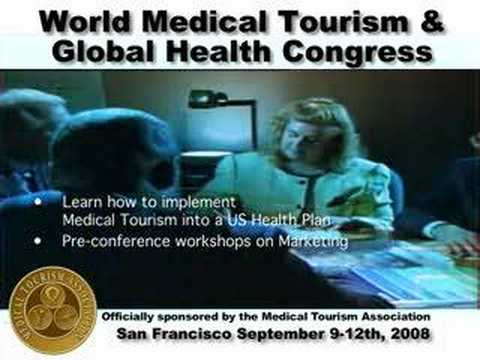




.jpg)

.png)











Share this listing