
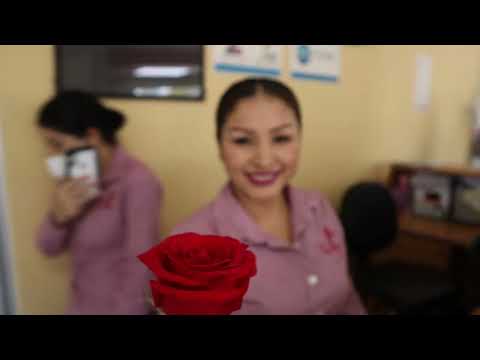
When evaluating a healthcare destination, understanding the operational environment and facility infrastructure is often just as important as researching specific medical procedures. An internal staff event at Hospital San José Navojoa in Sonora, Mexico, provides a candid, unscripted look into the facility’s diverse clinical departments and the integrated team that manages daily patient care.
Quick Takeaway: This visual walkthrough of Hospital San José Navojoa reveals the facility's internal infrastructure, including intermediate care, pediatrics, and in-house laboratory services. The footage highlights the hospital's diverse workforce, demonstrating how both clinical specialists and operational support staff collaborate to maintain the healthcare environment.
- 0:00 - Introduction: Hospital San José Navojoa Facility Overview
- 0:14 - Clinical Laboratory: Diagnostic Support Staff
- 0:21 - Admissions and Reception: Patient Coordination
- 0:26 - Intermediate Care Unit: Nursing and Monitoring Stations
- 0:52 - Hospital Kitchen: Dietary and Nutritional Services
- 1:06 - Facility Operations: Internal Laundry and Maintenance
- 1:27 - Medical Consultations: Physicians and Administrative Personnel
- 1:53 - Specialized Care Corridors: Hemodialysis and Pediatrics
Looking Beyond the Surgeon: The Role of the Integrated Hospital Workforce
When patients research medical treatment abroad, the focus is naturally drawn to the primary physician or specialized surgeon. However, the reality of any healthcare journey is that the patient's daily experience, comfort, and safety are managed by a vast, integrated network of support professionals. The footage from Hospital San José Navojoa, captured during a staff appreciation event for Mother's Day (May 10th in Mexico), provides an unfiltered look at this exact workforce.
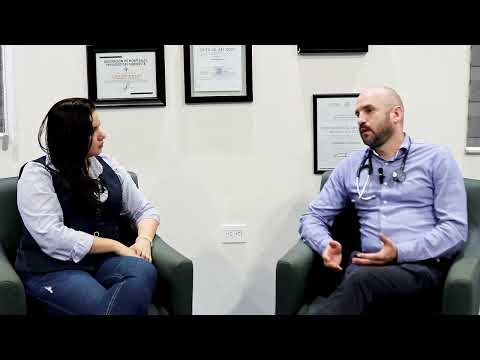
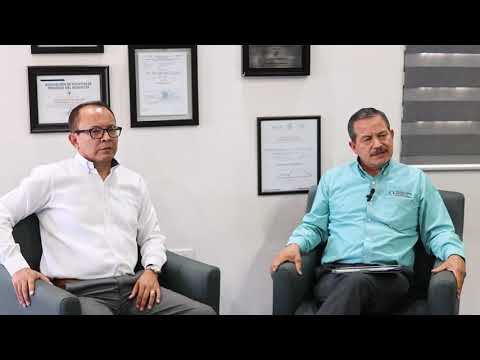
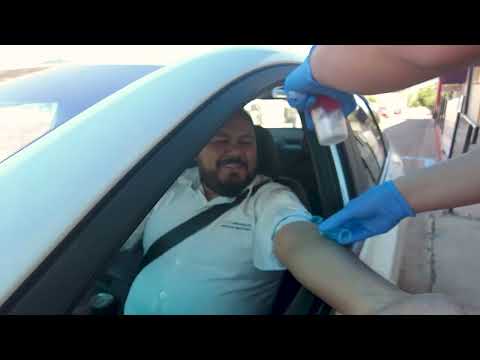
By stepping away from traditional promotional medical interviews, the video highlights the individuals who operate the facility minute by minute. We observe the volume of personnel required to keep a hospital functioning, from the front desk coordinators who handle initial admissions to the specialized nurses monitoring critical care displays.
First Impressions and Patient Coordination
The patient journey begins long before a clinical consultation. As seen in the reception and admissions areas, administrative staff serve as the initial point of contact. For international patients, these are often the individuals coordinating medical records, managing intake forms, and navigating the logistical aspects of a hospital stay. A well-staffed and organized admissions department is an essential component of reducing patient anxiety upon arrival.
When evaluating a foreign healthcare facility, observing the ratio and demeanor of support staff can provide insight into how smoothly the logistical side of your care will be managed.
Understanding Facility Infrastructure: Key Departments at Hospital San José Navojoa
Beyond the staff themselves, the visual walkthrough reveals critical aspects of the hospital's physical infrastructure. The presence of specific departments indicates a facility's capability to handle different levels of medical complexity, from routine diagnostics to specialized chronic care.
| Visible Department | Clinical Role and Patient Impact |
|---|---|
| In-House Laboratory | Allows for rapid processing of pre-operative blood panels and post-treatment diagnostic monitoring without relying on external testing centers. |
| Terapia Intermedia (Intermediate Care) | Provides a step-down level of care for post-surgical patients who require close physiological monitoring before being moved to a standard recovery room. |
| Hemodiálisis (Hemodialysis) | Indicates the facility maintains the strict water purification, specialized equipment, and nephrology staffing required to manage complex, continuous chronic care. |
Intermediate Care and Post-Surgical Safety
At the 0:26 mark, the footage shows the "Terapia Intermedia" or Intermediate Care Unit. For patients traveling for complex surgeries, the presence of this unit is a vital safety indicator. Intermediate care serves as a bridge between an Intensive Care Unit (ICU) and a general medical-surgical ward. It is designed for patients who are stable but still require continuous cardiac monitoring, frequent vital sign checks, or specialized nursing interventions that cannot be adequately provided in a standard room.
A hospital equipped with dedicated intermediate care demonstrates a commitment to graded patient recovery, ensuring that surgical patients have access to the exact level of observation their condition requires before discharge.
Specialized Units as Indicators of Clinical Capacity
Similarly, visible signage for a Hemodialysis unit suggests a broader clinical capacity. Operating a dialysis center requires rigorous infection control protocols, advanced plumbing and electrical infrastructure, and highly trained specialists. While a medical tourist may be visiting for an unrelated procedure, such as orthopedics or bariatrics, the presence of these advanced departments indicates that the hospital operates under strict regulatory and operational standards necessary to support complex ongoing care.
Behind the Scenes: How Operational Departments Protect Patient Health
Healthcare extends into areas patients rarely see, yet these operational zones are fundamental to infection prevention and recovery. The video provides rare glimpses into two crucial non-clinical areas: the hospital kitchen and the laundry facility.
- Infection Control Through Internal Laundry Services: Managing linens, surgical scrubs, and patient gowns in-house allows a hospital to maintain absolute control over sterilization temperatures, chemical treatments, and biohazard separation. When a hospital operates its own laundry rather than outsourcing to commercial providers, it can enforce strict hygiene protocols that directly reduce the risk of hospital-acquired infections.
- Dietary Management and Recovery Nutrition: Proper nutrition is a clinical requirement for post-surgical healing. An internal hospital kitchen enables dietitians and medical staff to tightly control meal composition, ensuring that patients receive food appropriate for their specific medical conditions—whether that involves liquid diets post-bariatric surgery, low-sodium requirements, or strict allergen management.
Why Staff Culture Matters When Choosing a Medical Destination
Healthcare is ultimately a human endeavor. The environment in which medical professionals work directly influences the quality of care they provide. High-stress clinical environments can lead to burnout, which in turn can affect patient communication and attentiveness.
While this video functions as a simple Mother's Day acknowledgment, it subtly reveals the internal culture of Hospital San José Navojoa. Recognizing and appreciating the workforce—from the cleaning staff ensuring sanitized corridors to the nurses dispensing medications—fosters a cohesive, positive environment. For an international patient far from home, being surrounded by a staff that feels valued and works cooperatively can significantly ease the stress of a medical journey.
When reviewing facility tours, patients should look not only at the physical equipment but also at the demeanor, organization, and integration of the people working within those walls.
- Does the facility process pre-operative diagnostics internally, or are patients required to travel to a secondary location?
- What level of step-down or intermediate care is available if additional monitoring is required after surgery?
- Will I be assigned a dedicated patient coordinator to assist with non-clinical logistics and communication during my stay?
Explore Your Healthcare Options in Mexico
Understanding a hospital's infrastructure, available departments, and operational environment is an important step in planning medical travel. PlacidWay helps patients organize their inquiries, understand international facility options, and connect with healthcare resources that match their specific medical needs in Mexico.
Discuss Facility Options and PlanningView Video Transcript +
0:00 - [Music playing]
0:02 - This May 10th, we celebrate the pillar of the home.
0:05 - And at Hospital San José Navojoa, we have a small detail to recognize the work they do.
0:10 - Our mothers, every day, for the well-being of the family.
0:14 - [Music playing - "Can't Take My Eyes Off You" continuing through the remainder of the footage]



















Share this listing