
Planning a full mouth dental implants procedure in Turkey requires understanding the clinical standards, costs, and technology available at international facilities. Patients seeking high-quality restorations often look abroad for specialized care that combines advanced surgical techniques with significant cost savings.
This comprehensive resource breaks down exactly what you can expect from modern overseas dental centers. From state-of-the-art diagnostic equipment to specialized surgical protocols, navigating the landscape of international dentistry is simple when you have the right information.
Video Chapters & Guide Navigation
- Why Choose a Full Mouth Dental Implants Procedure in Turkey?
- Advanced Technology at the Best Dental Tourism Clinics
- The Cost of Porcelain Veneers and Implants in Istanbul
- What to Expect During Your Dental Procedure in Turkey
- Visual Tour of Modern Dental Care Facilities
- Understanding All-on-4 and All-on-6 Dental Implant Systems
- Zirconia vs. E-max Crowns: Selecting the Right Material
- Patient Safety and Hygiene Standards in Turkish Dental Centers
- Post-Procedure Care and Long-Term Recovery Guidelines
- How to Plan Your Dental Vacation for Smile Restoration
Why Choose a Full Mouth Dental Implants Procedure in Turkey?
The demand for a full mouth dental implants procedure in Turkey has surged due to the unique intersection of highly specialized medical professionals and accessible pricing models. Patients suffering from severe tooth loss or decay require extensive reconstructive work that can be financially prohibitive in North America or Western Europe. Overseas clinics provide the exact same surgical protocols using globally recognized implant brands at a fraction of the domestic cost.
Surgeons in these leading clinics handle thousands of complex implant cases annually. This high volume of specialized surgery translates to refined surgical skills, shorter operation times, and improved patient outcomes. Many maxillofacial surgeons and prosthodontists operating in these centers have completed fellowships or continuous training in the United States, Germany, or the United Kingdom.
Regulatory Standards and Government Oversight
The Ministry of Health strictly regulates clinics catering to international patients, enforcing rigorous standards for hygiene, emergency protocols, and technological infrastructure. Facilities must maintain specific licenses to treat foreign patients, ensuring a baseline of quality that protects the consumer. This governmental oversight prevents subpar operations from entering the medical tourism sector.
Furthermore, top-tier establishments often pursue independent international accreditations, such as Joint Commission International (JCI) or International Organization for Standardization (ISO) certifications. These credentials guarantee that the clinical environment matches or exceeds the standards found in leading Western hospitals.
Advanced Technology at the Best Dental Tourism Clinics
Modern dentistry relies heavily on digital workflows to ensure precision, predictability, and patient comfort. The best dental tourism clinics in Turkey invest heavily in Cone Beam Computed Tomography (CBCT) scanners. These 3D imaging devices allow surgeons to map out the exact bone density and nerve pathways before a single incision is made, heavily reducing surgical risks.
Intraoral scanners have largely replaced traditional, uncomfortable putty impressions. A digital wand captures thousands of images per second to create a highly accurate 3D model of the patient's mouth. This digital file is then sent to an in-house laboratory where CAD/CAM (Computer-Aided Design and Computer-Aided Manufacturing) milling machines carve custom crowns or implant bridges from solid blocks of ceramic or zirconia.
The Role of In-House Dental Laboratories
One of the primary reasons overseas treatments are completed so rapidly is the integration of on-site dental laboratories. Rather than shipping impressions to external labs and waiting weeks for the final product, technicians work directly alongside the prosthodontist. This proximity allows for immediate adjustments to the shade, shape, and bite alignment of the new teeth.
Having a master ceramist on the premises ensures that the final restoration perfectly matches the patient's facial aesthetics. The turnaround time for temporary prosthetics is often reduced to mere hours, allowing patients to leave the clinic with functional teeth on the exact same day as their implant surgery.
The Cost of Porcelain Veneers and Implants in Istanbul
Financial considerations are the primary driver for medical travel, and understanding the cost of porcelain veneers and implants in Istanbul helps patients budget effectively. The price disparity is not due to inferior materials; clinics use the same titanium implants (like Straumann, Nobel Biocare, or Osstem) and ceramics (like Ivoclar Vivadent) found worldwide. The savings stem from lower operational costs, reduced laboratory fees, and a favorable exchange rate.
Package deals often bundle the medical procedures with VIP airport transfers, luxury hotel accommodations, and dedicated patient coordinators. This all-inclusive approach provides transparency, eliminating hidden fees and making the financial planning aspect of the trip highly predictable.
Comparative Pricing Estimates
| Dental Procedure | Average Cost (US/UK) | Average Cost (Turkey) |
|---|---|---|
| Single Titanium Dental Implant (with Crown) | $3,500 - $5,000 | $600 - $1,100 |
| All-on-4 System (Per Jaw) | $15,000 - $24,000 | $3,500 - $5,500 |
| Porcelain Veneer (Per Tooth) | $1,200 - $2,500 | $200 - $350 |
| Zirconia Crown (Per Tooth) | $1,000 - $2,000 | $180 - $300 |
What to Expect During Your Dental Procedure in Turkey
Knowing what to expect during your dental procedure in Turkey minimizes anxiety and helps set realistic timelines for your stay. The journey begins weeks before your flight with a remote consultation. Patients submit local panoramic x-rays or 3D scans to the international clinic, allowing the surgical team to evaluate bone volume and draft a preliminary treatment plan.
Upon arrival, the first clinic day involves comprehensive clinical examinations, fresh digital imaging, and blood tests to ensure fitness for surgery. The oral surgeon and prosthodontist will sit down with the patient to finalize the aesthetic goals, confirm the choice of materials, and explain the step-by-step surgical protocol.
For complex cases like full mouth reconstructions, the surgery is typically scheduled for the second day. Depending on the patient's anxiety levels and the extent of the procedure, treatments are performed under local anesthesia, conscious IV sedation, or occasionally general anesthesia. Following the placement of the titanium posts, temporary fixed bridges are often attached, allowing the patient to maintain function and aesthetics while the implants heal over the next few months.
Visual Tour of Modern Dental Care Facilities
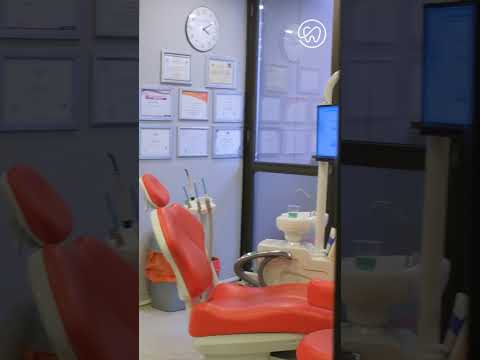
Taking a visual walk through a premier facility highlights the investment these clinics make in patient comfort and clinical excellence. Right from the start at [00:00], patients are greeted by highly ergonomic dental chairs equipped with integrated digital monitors. These screens are used immediately to display 3D bone scans and educate the patient on their specific jaw anatomy before any tools are picked up.
Moving through the clinic at [00:05] reveals expansive, glass-lined corridors designed to reduce the clinical, sterile feeling often associated with dental anxiety. The bright, naturally lit hallways create an inviting atmosphere. At [00:15], the focus shifts to the advanced delivery systems and smart trays that house sterilized instruments, ensuring the dentist has immediate access to CAD/CAM interfacing tools.
Patient psychology plays a massive role in pain management and recovery. As seen at [00:20], treatment rooms frequently feature floor-to-ceiling windows offering panoramic city views. This architectural choice provides visual distraction and a calming backdrop during lengthy procedures like implant placements or full arch preparations.
Understanding All-on-4 and All-on-6 Dental Implant Systems
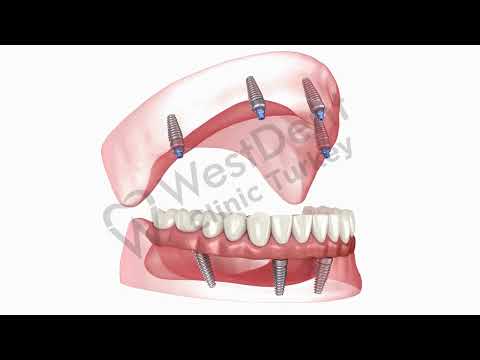
When replacing an entire arch of teeth, replacing each tooth with an individual implant is unnecessary and anatomically impractical. The All-on-4 and All-on-6 protocols utilize a strategic number of titanium posts to support a permanent, fixed bridge of 12 to 14 teeth. The key to these systems lies in the angulation of the posterior implants.
By tilting the rear implants up to 45 degrees, surgeons can utilize denser anterior bone, frequently bypassing the need for extensive bone grafting or sinus lifts. This angled placement increases the bone-to-implant contact area, providing superior immediate stability. The All-on-6 variation simply adds two additional implants for patients who have sufficient bone volume and require higher bite force distribution.
The Concept of Immediate Loading
Historically, patients had to wait up to six months with no teeth, or uncomfortable removable dentures, while their implants fused with the jawbone. Modern protocols now favor immediate loading whenever primary stability is achieved during surgery. A rigid acrylic or composite temporary bridge is screwed onto the implants within 24 hours.
This temporary prosthetic prevents the soft tissues from collapsing and allows patients to eat soft foods and speak normally immediately after surgery. Once the osseointegration process is complete—usually three to six months later—the patient returns for a brief visit to swap the temporary bridge for the final, highly durable monolithic zirconia or porcelain-fused-to-metal bridge.
Zirconia vs. E-max Crowns: Selecting the Right Material
Choosing the right material for dental crowns or veneers heavily dictates the longevity and aesthetic success of affordable cosmetic dentistry abroad. Zirconia is a highly durable ceramic known for its incredible tensile strength. It is milled from a single block of crystal, making it almost indestructible and highly resistant to chipping or cracking.
Because of its opaque nature, Zirconia is exceptionally adept at hiding severely discolored underlying teeth or dark metal implant abutments. It is primarily recommended for molar restorations or full arch implant bridges where bite forces are the highest. However, modern translucent Zirconia blends are becoming increasingly popular for front teeth as well.
When to Choose Lithium Disilicate (E-max)
E-max, or lithium disilicate, offers unparalleled aesthetic properties. Its natural translucency closely mimics the light-reflecting qualities of organic dental enamel. When placed on the front teeth, E-max restorations blend seamlessly with the surrounding dentition, providing a vivid, lifelike smile.
- Aesthetic Anterior Restorations: Ideal for veneers and single crowns on incisors and canines.
- Minimal Preparation: E-max requires less removal of healthy tooth structure compared to traditional metal-ceramic crowns.
- Bonding Strength: It bonds microscopically to the tooth enamel, creating a highly secure and long-lasting seal against bacteria.
Patient Safety and Hygiene Standards in Turkish Dental Centers
Cross-contamination and infection control are critical factors when undergoing invasive oral surgery. Premier clinics utilize Class B autoclaves, the highest standard in medical sterilization, to process all reusable instruments. These machines use fractionated vacuum technology to ensure steam penetrates even the most complex hollow instruments and surgical handpieces.
Treatment areas are meticulously prepped using heavy-duty surface disinfectants and barrier films between every single patient. Disposable items, including surgical gowns, gloves, suction tips, and irrigation syringes, are strictly single-use. Clinics maintain detailed sterilization logs, often utilizing barcode tracking systems to link specific sterilized instrument batches to individual patient files.
Air quality within the surgical suites is also heavily managed. High-efficiency particulate air (HEPA) filtration systems combined with negative pressure environments are utilized in specialized implant operating rooms. This prevents airborne pathogens from settling on sterile surgical fields, drastically lowering the risk of post-operative infections.
Post-Procedure Care and Long-Term Recovery Guidelines
The success of a full mouth dental implants procedure relies heavily on strict adherence to post-operative care instructions. Immediately following the placement of the implants, patients will experience mild to moderate swelling and bruising around the jaw and neck. Clinics provide a comprehensive care package containing prescribed antibiotics, high-strength anti-inflammatories, and specialized antimicrobial mouthwashes.
For the first 48 hours, applying cold compresses to the outside of the face significantly reduces edema. Patients must avoid spitting, using straws, or aggressive rinsing, as these actions create negative pressure in the mouth that can dislodge blood clots and delay the healing of the surgical sites. Sleeping with the head elevated on extra pillows also mitigates morning swelling.
Dietary Adjustments During the Healing Phase
Osseointegration is the biological process where the jawbone grows into the microscopic threads of the titanium implant. This phase takes several months and requires the implants to remain entirely undisturbed by heavy bite forces. A strict soft-food diet is absolutely mandatory during the temporary prosthetic phase.
- First 7 Days: Liquid and pureed foods only. Smoothies, protein shakes, broths, and yogurt are highly recommended.
- Weeks 2 to 12: Fork-tender foods. Pasta, flaky fish, scrambled eggs, and mashed potatoes. Avoid anything that requires tearing or heavy chewing.
- Foods to Strictly Avoid: Nuts, hard crusty breads, raw carrots, ice cubes, and sticky candies. Chewing these can fracture temporary bridges or cause implant failure.
How to Plan Your Dental Vacation for Smile Restoration
Organizing a medical trip requires coordinating clinical appointments with travel logistics. Most full arch implant treatments are broken into two distinct phases, requiring two separate trips to the clinic. The initial surgical trip involves extractions, implant placement, and fitting the temporary prosthetics. Patients typically need to stay in the country for 5 to 7 days to allow for initial healing and follow-up checks.
A healing period of three to six months follows, during which the patient returns to their home country. Once the implants are fully integrated and the gums have stabilized, the second trip is scheduled. This restorative phase involves taking final impressions and permanently affixing the customized Zirconia or E-max bridges. The second visit usually requires a stay of 7 to 10 days to accommodate lab manufacturing times and final bite adjustments.
Patients should utilize the services of dedicated international patient coordinators provided by the clinics. These professionals assist with securing medical visas, arranging VIP transport from the airport to partner hotels, and managing the daily itinerary. By relying on established medical tourism frameworks, patients can focus entirely on their recovery and enjoying the cultural sites of their destination during their downtime.
Ready to Transform Your Smile with Advanced Dental Care?
Connect with top-tier international dental specialists today. Secure your personalized treatment plan and discover how affordable a full mouth dental implants procedure can be without compromising on world-class quality.
Get Free QuoteView Full Video Transcript & Timestamps
[00:00] Visual tour of the modern clinic begins, featuring a state-of-the-art dental chair with an integrated digital treatment planning monitor.
[00:05] Panning shot moving down the pristine, brightly lit main hallway connecting the private surgical suites and consultation rooms.
[00:10] A brief glimpse into the clinical preparation areas, showcasing sterile cabinetry and organized supply stations.
[00:15] Detailed view of the advanced delivery system, smart trays, and sterilization protocols maintained in the treatment zones.
[00:20] The camera reveals a private operating suite featuring expansive, floor-to-ceiling windows that provide calming panoramic city views for the patient.
[00:25] Final closing shot focusing on the premium ergonomic leather upholstery of the dental chair beneath high-powered overhead surgical LED lighting.


.png)
.png)

.png)
.png)
.png)
.png)
.jpg)
.jpg)
.jpg)
.jpg)








Share this listing