


Finding Hope with Alternative Stage 4 Breast Cancer Treatment in Tijuana, Mexico
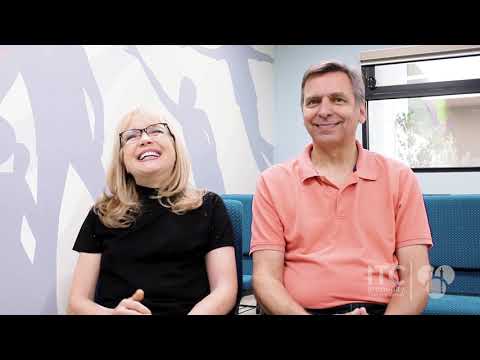
When faced with a late-stage diagnosis, many patients find themselves searching for comprehensive, personalized medical options outside the confines of standard oncology. The pursuit of an effective alternative stage 4 breast cancer treatment in Tijuana, Mexico, has become a beacon of hope for individuals whose bodies can no longer tolerate aggressive conventional therapies. For Patricia Gale, a vibrant professional whose life was abruptly halted by severe spinal metastasis, this journey was not just about fighting a disease, but about reclaiming her basic human mobility and dignity.
Her experience highlights a growing shift in how patients approach advanced malignancies, moving away from a one-size-fits-all protocol and toward integrative medicine. By seeking out holistic cancer treatment centers in Tijuana, patients like Patricia are discovering medical environments that prioritize the entire healing process. From targeted nutrition to innovative heat therapies, these facilities aim to rebuild the immune system rather than deplete it further.
Understanding the profound impact of these non-invasive therapies requires a closer look at the actual patient experience. This detailed account explores the realities of cancer-induced paralysis, the emotional toll on caregivers, and the undeniable benefits of cross-border medical care. By examining Patricia's transformative recovery, we can better understand why so many are turning to alternative medicine for advanced oncological care.
Video Chapters
- The Devastating Reality of Spinal Metastasis
- Navigating Daily Life After Cancer-Induced Paralysis
- Choosing Holistic Treatment Centers Over Conventional Care
- The Compassionate Approach of Dr. Bautista
- Gentle Therapies for Rebuilding the Immune System
- Incredible Results: Recovering Mobility Fast
- The Crucial Role of Family Support
- Overcoming Stigmas About Medical Tourism in Tijuana
The Devastating Reality of Stage 4 Breast Cancer with Spinal Metastasis
A diagnosis of late-stage carcinoma is life-altering, but when the disease spreads to the skeletal structure, the complications multiply exponentially. In January 2021, Patricia Gale faced this exact nightmare when she was diagnosed with stage 4 breast cancer that had aggressively metastasized to her spine [00:15]. This specific type of metastasis occurs when malignant cells break away from the original tumor and travel through the bloodstream, taking root in the bone tissue of the vertebrae.
When tumors grow within the spinal column, they place immense pressure on the spinal cord and surrounding nerve roots. This compression disrupts the vital electrical signals traveling between the brain and the lower extremities. As the inflammation and tumor mass increase, patients often experience rapid neurological decline, leading to severe mobility issues and, in many cases, complete paralysis.
Standard medical protocols often treat spinal metastasis with high-dose radiation or invasive decompression surgeries, which carry significant risks for patients whose systems are already compromised. For individuals like Patricia, these aggressive interventions can sometimes do more harm than good, prompting the search for non-invasive cancer therapies for paralyzed patients. Finding a medical team capable of treating the underlying malignancy while simultaneously addressing the severe neurological deficit becomes the absolute highest priority.
The Physiology of Bone Metastasis
Bone is one of the most common sites for breast cancer to spread, fundamentally altering the structural integrity of the skeletal system. The malignant cells interfere with the normal cycle of bone renewal, causing the tissue to become dangerously weak and prone to fracturing. This weakening of the vertebrae is what makes any physical movement incredibly dangerous and painful for the patient.
Furthermore, the presence of tumors in the bone marrow drastically impairs the body's ability to produce healthy red and white blood cells. This leads to profound anemia and a weakened immune system, compounding the patient's exhaustion. Treating this requires an approach that goes beyond merely attacking the tumor; it necessitates a comprehensive strategy to rebuild the body's natural defense mechanisms.
Navigating Daily Life After Cancer-Induced Paralysis
The transition from an active, independent lifestyle to sudden immobility is a profound psychological and physical shock. Before her diagnosis, Patricia was highly active, managing a Panera Bread location and frequently commuting into Brooklyn to support ballroom dance coaching [00:34]. Her daily routine was defined by constant movement, leadership, and high energy.
The decline began insidiously, starting with a simple dragging of her left foot in January. As the spinal tumors grew, the nerve damage worsened daily, eventually leaving her completely paralyzed from the waist down. Losing the ability to walk strips away a person's autonomy, forcing them to rely entirely on others for the most basic human functions.
This level of physical deterioration severely limits traditional treatment options, as oncologists are often hesitant to administer heavy chemotherapy to a bedridden patient. The urgent need to halt the progression of the paralysis while fighting the breast cancer drove Patricia to explore holistic cancer treatment centers in Tijuana. She required a facility that could safely accommodate her severe physical limitations while providing aggressive, yet non-toxic, anti-cancer therapies.
The Psychological Toll of Sudden Immobility
The mental health impact of losing mobility cannot be overstated. Patients often struggle with severe depression and anxiety as their world physically shrinks to the size of a bed or a wheelchair. The inability to participate in previously loved activities, like ballroom dancing in Patricia's case, leads to a profound loss of personal identity.
Addressing the psychological state of the patient is a critical component of successful alternative breast cancer treatments in Mexico. Facilities that understand the mind-body connection incorporate emotional support and mental health care into their primary protocols. A patient who feels safe, supported, and psychologically resilient is far more likely to respond positively to immunological therapies.
Choosing Holistic Treatment Centers Over Conventional Care
When standard oncology dictates a rigid path of maximum-dose chemotherapy, many patients feel their individual needs are being ignored. Patricia recognized that her fragile, paralyzed state could not withstand the devastating side effects of a 100% chemotherapy protocol [03:51]. She actively sought a treatment philosophy that aligned with healing the body, rather than systematically poisoning it in hopes of killing the cancer first.
The decision-making process for medical tourism often involves intense research and reliance on the experiences of previous patients. Patricia noted that patient testimonials were the ultimate tiebreaker in her decision to attend the Immunity Therapy Center [01:58]. Hearing directly from others who had successfully navigated alternative stage 4 breast cancer treatment in Tijuana provided the reassurance needed to make a life-changing choice.
Unlike mainstream medical institutions driven largely by bottom-line protocols, holistic clinics often operate on a fundamentally different paradigm. Patients seek out these centers because they prioritize the individual's comfort, safety, and overall well-being. This patient-centric model ensures that every therapy administered is carefully calibrated to support the person's unique metabolic and physical requirements.
Evaluating Treatment Options
| Factor | Conventional Oncology | Holistic Centers in Tijuana |
|---|---|---|
| Primary Approach | Aggressive eradication (Chemo/Radiation) | Immune system rebuilding and targeted therapies |
| Patient Focus | Standardized, symptom-based protocols | Highly personalized, addressing root causes |
| Nutritional Support | Often minimal or generic dietary advice | Integral part of therapy, custom meal plans |
The Compassionate Care of Dr. Bautista and His Dedicated Staff
The environment in which a patient heals plays a measurable role in their physical recovery. Upon arriving at the Immunity Therapy Center, Patricia was immediately struck by the spotless facility and the overwhelming friendliness of the staff [02:33]. Moving past initial nervous apprehensions is much easier when greeted by a team that treats individuals like family rather than medical ID numbers.
Leadership sets the tone for any medical facility, and Dr. Bautista exemplifies compassionate, individualized care. Instead of rushing through clinical check-boxes, he prioritized human connection, famously addressing her by name and asking, "More importantly, Patricia, how are you?" [03:26]. This level of personalized attention is frequently cited in positive Immunity Therapy Center reviews, undersoring the clinic's commitment to emotional intelligence in medicine.
Pioneering a non-mainstream medical approach requires immense courage and deep expertise. Dr. Bautista has dedicated his career to going against the rigid teachings of conventional United States oncology, choosing instead to hit the disease with a comprehensive, multi-layered approach. By combining advanced medical knowledge with genuine empathy, he creates a safe space where profound healing can actually begin.
The Healing Power of a Warm Environment
Sterile, cold hospital rooms often induce a stress response in the body, elevating cortisol levels and suppressing the immune system. Conversely, a warm, caring environment activates the parasympathetic nervous system, which is essential for cellular repair. The loving nature of the ITC staff provided an additional layer of healing for Patricia, making her feel safe, respected, and deeply cared for.
When patients feel emotionally supported, their physical bodies are more receptive to alternative therapies. The reduction of medical anxiety allows the treatments to work without the constant interference of stress hormones. This holistic view of the patient's environment is a cornerstone of alternative stage 4 breast cancer treatment in Tijuana.
Gentle and Non-Invasive Cancer Therapies for Paralyzed Patients
Administering treatment to a patient suffering from spinal metastasis requires an incredibly delicate touch. The therapies utilized at the Immunity Therapy Center were specifically tailored to be gentle, recognizing that Patricia's body could not endure aggressive, toxic shocks [05:14]. Instead of a single, blunt instrument like radiation, the clinic employs a symphony of synergistic treatments designed to work with the body's natural processes.
A core component of this strategy involves customized nutrition and targeted metabolic therapies. The center features nutritionists who design precise dietary plans to starve cancer cells while nourishing healthy tissue, paired with a cafeteria that actively prepares these therapeutic meals [04:08]. Proper nutrition is the foundational building block required for any immune system recovery.
Furthermore, the integration of specialized heat treatments, known as hyperthermia, plays a vital role in these holistic protocols. By safely elevating the body's core temperature, hyperthermia makes cancer cells more susceptible to the immune system and concurrent treatments, without damaging surrounding healthy tissue. This non-invasive cancer therapy for paralyzed patients is highly effective in reducing tumor burdens safely.
Key Components of Holistic Oncology
- Targeted Hyperthermia: Utilizing controlled heat to selectively damage heat-sensitive cancer cells.
- Intravenous Nutrition: Delivering high-dose vitamins and minerals directly into the bloodstream to bypass compromised digestive systems.
- Immunotherapy Protocols: Stimulating the body's own defense mechanisms to recognize and attack malignant cells naturally.
- Detoxification: Assisting the liver and kidneys in clearing metabolic waste and toxins generated by tumor breakdown.
Incredible Results: Recovering Mobility After Spinal Metastasis
The true measure of any medical intervention lies in the physical results experienced by the patient. For someone totally paralyzed from the waist down, the prospect of regaining movement often seems statistically impossible within standard medical frameworks. However, Patricia's experience defies these grim statistics; during her very first treatment session, she noticed she was able to start wiggling her toes [05:52].
This immediate neurological response strongly suggests that the targeted, gentle therapies rapidly reduced the acute inflammation pressing against her spinal cord. As the pressure on the nerve roots decreased, the electrical pathways to her lower extremities began to reopen. This rapid alleviation of symptoms is a primary goal of recovering from spinal metastasis paralysis through holistic methods.
Her progress did not stop at minor toe movements; through continuous, dedicated therapy, she achieved her goal of walking again. The transition from being carried like a ragdoll to walking out of the clinic under her own power is a testament to the efficacy of the treatments. This incredible recovery highlights exactly why patients seek alternative stage 4 breast cancer treatment in Tijuana when traditional avenues have been exhausted.
The Science of Nerve Recovery
Nerve tissue is notoriously slow to heal, and prolonged compression often leads to permanent damage. By rapidly shrinking the surrounding tumor tissue and drastically lowering systemic inflammation, alternative therapies can prevent irreversible nerve death. The immediate return of motor function indicates that the neural pathways were dormant rather than destroyed.
Continued nutritional support ensures that the myelin sheath—the protective coating around nerves—has the necessary building blocks to repair itself. This comprehensive biological support is what allows a paralyzed patient to regain complex motor skills like walking. It is a vital distinction between merely surviving cancer and actually reclaiming one's quality of life.
The Crucial Role of Family Support in Healing and Recovery
Behind almost every successful medical recovery is a dedicated caregiver who sacrifices immensely to support the patient. Patricia refers to her husband, Mike, as her "guardian angel," a title earned through relentless, round-the-clock physical and emotional support [06:54]. Because the cancer caused her to lose all muscle mass above her waist, she required constant physical handling.
The physical reality of caring for a paralyzed adult is grueling and exhausting. Mike had to carry her to the bathroom multiple times in the middle of the night and physically prop her up because she lacked the core strength to sit upright. Recognizing the gravity of the situation, he made the profound decision to quit his job entirely to stand by her side through the treatment process.
Caregiver burnout is a serious issue in oncology, yet having a devoted partner significantly improves a patient's survival odds. The unwavering presence of a loved one drastically reduces anxiety and provides the necessary logistical support to navigate complex daily therapies. When researching holistic cancer treatment centers in Mexico, finding facilities that welcome and support caregivers is just as important as the treatments themselves.
Supporting the Support System
A high-quality holistic clinic understands that the caregiver is an integral part of the healing team. Medical staff at these centers often take time to educate spouses and family members on proper physical handling techniques to prevent injury. They also provide emotional check-ins, recognizing that the emotional burden on the family is immensely heavy.
By creating an environment where the caregiver feels supported, the clinic indirectly boosts the patient's recovery. When the primary support person is well-rested, informed, and respected by the medical team, they can provide a much higher level of care. This collaborative approach is a defining characteristic of successful alternative therapy programs.
Overcoming Stigmas: Is Tijuana Safe for Medical Tourism?
One of the most significant barriers preventing patients from accessing life-saving care is the outdated stigma surrounding cross-border medicine. Before arriving, Patricia's husband Mike harbored typical misconceptions, jokingly assuming Tijuana was primarily a destination for "drunk sailors on shore leave" [08:38]. These stereotypes often deter desperate families from exploring highly effective international treatment options.
The reality of modern medical tourism in Tijuana completely shatters these preconceived notions. The city has evolved into a premier global hub for advanced, alternative medical care, boasting state-of-the-art facilities and highly educated, bilingual medical professionals. Upon experiencing the environment firsthand, Mike was so impressed by the safety, friendliness, and quality of life that he expressed a desire to permanently move there.
Making the most important decision of your life requires looking past societal stigmas and focusing on factual medical outcomes. For those hesitant to seek alternative stage 4 breast cancer treatment in Tijuana, the advice from successful patients is clear: read the testimonials and make the phone call [09:04]. Speaking directly with doctors who patiently listen to your symptoms, rather than dictating orders, quickly dispels any lingering fears about the quality of care in Mexico.
The Reality of the Medical District
Tijuana's medical district is specifically designed to cater to international patients, prioritizing security, accessibility, and comfort. Clinics like the Immunity Therapy Center provide comprehensive logistical support, including secure transportation from the San Diego airport directly to the facility. This seamless integration ensures that patients can focus entirely on their healing journey without the stress of navigating a foreign city.
Furthermore, the cost-effectiveness of medical tourism allows patients to access a vast array of therapies that would be financially ruinous in the United States. By combining affordability with world-class, compassionate care, Tijuana offers a viable, life-saving alternative for those who have been told there is no hope left. Taking that first step to reach out can truly alter the trajectory of a stage 4 cancer diagnosis.
Ready to Explore Alternative Treatments?
Don't let a late-stage diagnosis dictate your future. Discover how personalized, holistic cancer therapies can help rebuild your body and restore your quality of life. Take the most important step today.
Get Free QuoteRead Full Video Transcript
00:06 My name is Patricia Gale and we were from East Brunswick New Jersey and we've just recently moved back to London, Ohio.
00:15 I was diagnosed with stage four breast cancer in 2021 of January and I had a metastasis that had gone into my spine, so it left me paralyzed.
00:34 I was very active before all of this happened in last December. I was a manager at Panera, I was taking Haley back and forth into Brooklyn for her ballroom dance coaching and everything stopped.
00:50 I started dragging my left foot in January and day by day it got progressively worse.
01:03 You know, when I decided to go to ITC, I had looked at one other hospital first that was also highly rated as ITC.
01:15 But you know, you have to go with your gut. And the thing that really was a tiebreaker for me was the patient testimonials. Everybody loves this place.
01:25 Everybody just raved about how friendly the place is and how they treat you like family. And it's like, that's where I want to be.
01:33 I want to be where I'm comfortable, where I feel safe, where people look at my best interest instead of their bottom line.
01:48 You know I was nervous because you have your blood work done and the hospital is spotless and everybody was very friendly.
01:58 But you know, he's the big guy, right? So I was a little nervous about that. I walked in and he always says the same thing to me.
02:04 I say, "Hi Dr. Bautista, how are you?" and he said, "More importantly Patricia, how are you?"
02:11 So just warm, very caring, and but most of all I always felt that Dr. Bautista is a pioneer in his field.
02:22 And I know that it could not have been easy for him to go against mainstream medicine and come down here and actually go against the teachings of the United States.
02:33 "Let's give 100% chemotherapy and let's knock it out." I feel like here you come down and they hit it with everything they've got.
02:42 From nutrition to heat treatments to nutrition as far as telling you what to eat and a cafeteria that actually feeds you those foods.
02:58 And then you've got the staff that's very loving and kind which is another layer of healing for me. Feeling safe and feeling respected and cared for.
03:14 The therapies have been very gentle for me. I always tease Dr. Alvarez and I said, "You always have a way of getting me to do things."
03:25 You always tell me, "I think it's going to be a game changer Patricia for your cancer and it's going to be very gentle."
03:31 And I'm like, "Well what dummy wouldn't do that, right?"
03:35 Okay Dr. Alvarez, whatever you want me to do because he knows me. He knows that the quality of my life is just as important as the quantity of my life.
03:51 Well the first time I came in, by the time I had gotten here I was totally paralyzed from the waist down.
03:59 And within the first treatment I started wiggling my toes.
04:03 And I'm like, "I'm gonna walk, I'm gonna walk out of here." And I did.
04:13 Mike has been... I call him my guardian angel.
04:18 I mean, for somebody to stay around, to tell you how pitiful I was, I had lost like all the muscle like probably above my waist.
04:29 And he calls me a ragdoll, because I had to literally sit in something with arms on it otherwise I'd kind of fall over.
04:36 But this man took me to the bathroom in the middle of the night, two or three times in the middle of the night.
04:42 Got me whatever I needed, had the patience of a saint. I don't even know how to begin to thank somebody for saving your life, really.
04:53 And taking the time off work, quitting his job so he could stand by me.
05:04 We love it here. It's been great. The people are so friendly, it's a great experience, and it's safe.
05:12 And that's not what Mike thought when he first came here. He's like, "I heard that the sailors come here and all they do is party." The drunken sailors on shore leave.
05:22 That's what, and whatever.
05:23 And so when we first got here he's like, "What have you gotten us into?" That's what he said.
05:27 And the next day he's like, "If anything happens to me, I want to come here. Absolutely."
05:32 And I'm like, "What? Now it's time to move here?" Yeah, and now he wants to move here.
05:44 This is the most important decision of your life because it's all about saving your life.
05:50 So, get as much information as you can. Don't take my word for it, read the testimonials.
05:58 What I can tell you is you won't be sorry. I mean, just call.
06:03 15 minutes after I called this place, Dr. Alvarez was on the phone listening—not telling me you need to be here—listening to me with my symptoms and telling me what they could do and calming my fears.
06:17 Just call. Make that phone call. It will be the most important phone call of your life. It was the most important phone call of mine.




.png)
.png)
.png)










Share this listing