
Natural Breast Reconstruction: Elisa's Journey with Autologous Tissue and DIEP Flap Surgery
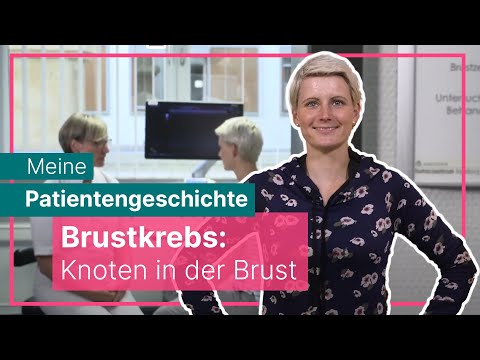
When a woman faces a breast cancer diagnosis, the immediate focus is often on survival. However, as the initial shock fades, the conversation inevitably shifts toward quality of life, body image, and the complex path of reconstruction. For Elisa, a patient at the Asklepios Klinik Barmbek, the journey was not just about removing a life-threatening illness but about reclaiming her sense of self through advanced restorative surgery.
Breast reconstruction with autologous tissue—using the body's own fat and skin—represents a gold standard for many seeking a natural look and feel. In this deep dive into Elisa's patient story, we explore the nuances of inflammatory breast cancer, the technical brilliance of the DIEP flap procedure, and the emotional resilience required to move from a "marathon" of treatment to a life of renewed freedom. Watch the video to witness her transformation and gain insight into the world-class medical care offered by leading specialists.
Video Chapters & Quick Navigation
The Discovery: Subtle Symptoms and Sudden Reality
Elisa’s journey began with a symptom that many might overlook: a persistent redness on the skin of her breast [00:23]. Unlike a hard lump, which is the most common sign associated with breast cancer, Elisa noticed an area that simply would not heal. This "atypical" presentation is often the first warning sign of a specific and aggressive form of the disease.
After consulting her gynecologist, she was referred to the Breast Center at Asklepios Klinik Barmbek. The diagnostic process was intensive, involving multiple biopsies from 8 to 10 different locations within the breast to accurately map the extent of the tissue involvement [00:32]. The call that followed changed her life forever—a moment of profound shock that marks the beginning of many patients' long battles with cancer.
What is Inflammatory Breast Cancer (IBC)?
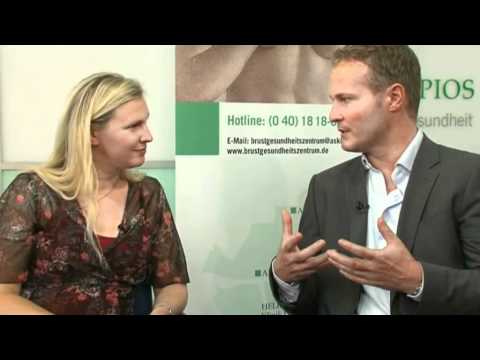
Dr. Ursula Scholz, Chief Physician at the Breast Center, explains the diagnosis: Inflammatory Breast Carcinoma [00:45]. IBC is rare, accounting for only 1% to 5% of all breast cancer cases, but it is known for being highly aggressive. It is called "inflammatory" because the cancer cells block the lymphatic vessels in the skin, making the breast appear red, swollen, and warm—mimicking an infection.
Because IBC spreads rapidly through the skin's lymphatic system, the treatment protocol is usually robust. In Elisa’s case, there was an additional factor: a family history of the disease. This genetic predisposition led the medical team to recommend a bilateral (double) mastectomy [00:58]. Removing both breasts was the safest path to mitigate the risk of recurrence and ensure long-term survival.
Choosing Autologous Tissue Over Implants
Once the decision for a mastectomy was made, the next vital question was how to reconstruct. While silicone implants are a common choice, many women opt for autologous tissue reconstruction, which uses the patient's own skin and fat. Elisa reflects on her perspective before the illness, noting that even from a feminist background, the loss of her breasts was a significant emotional hurdle [01:04].
Autologous reconstruction, specifically the DIEP flap, offers several long-term benefits:
- Natural Result: The reconstructed breast feels soft and moves naturally, unlike the often firmer feel of implants.
- No Foreign Bodies: Because it uses your own tissue, there is no risk of implant rupture or capsular contracture.
- Permanent Solution: Implants often need replacement every 10–15 years, whereas autologous tissue lasts a lifetime.
- Body Contouring: Since the tissue is often taken from the abdomen, the patient essentially receives a "tummy tuck" as part of the procedure.
The Science of the DIEP Flap Procedure
Dr. Marie Luise Onken, a Senior Physician specializing in Plastic Surgery, describes the specific technique used for Elisa: the DIEP flap [01:38]. DIEP stands for "Deep Inferior Epigastric Perforator." Unlike older techniques like the TRAM flap, the DIEP flap does not involve cutting or moving the abdominal muscles. Instead, the surgeon carefully dissects only the skin, fat, and the specific blood vessels required to keep that tissue alive.
This is a highly sophisticated microsurgical procedure. The surgeon must disconnect the blood vessels in the abdomen and then painstakingly reconnect them to the internal mammary vessels in the chest using a microscope. This ensures that the newly shaped breast has a healthy blood supply. The result is a total restoration of the breast mound using the patient's own living tissue [01:43].
The Recovery: A Marathon of Physical and Mental Healing
Elisa describes her recovery journey as a "marathon, not a sprint" [01:50]. This is a common sentiment among patients who undergo combined oncology treatments and major reconstructive surgery. Beyond the physical healing of scars and tissues, there is a profound psychological shift that must take place.
During her recovery, Elisa turned to mindfulness and yoga to reconnect with her body [01:23]. Modern breast cancer care emphasizes "integrative medicine"—combining high-tech surgery with holistic practices like physical therapy, meditation, and exercise to help the patient feel whole again. The ability to move freely and see herself in the mirror without the immediate visual reminder of a missing breast was a crucial part of her emotional healing [01:30].
Post-Operative Care and Life Beyond Cancer
Maintenance and monitoring are key to ensuring the long-term success of the reconstruction and the patient's overall health. Dr. Scholz outlines the follow-up protocol: examinations every six months and a breast MRI once a year [02:06]. These check-ups utilize advanced ultrasound and imaging technology to monitor the reconstructed tissue and ensure there are no signs of recurrence [02:18].
Today, Elisa is considered cured. The closing moments of the video show her swimming in a lake, a powerful symbol of her return to nature and normal life [02:34]. She reflects on how the experience has changed her perspective, teaching her to stop procrastinating on the things that truly matter and to live with intention [02:50]. Her story serves as a beacon of hope for any woman facing the daunting path of breast cancer treatment and reconstruction.
Why Seek Treatment in Germany?
Elisa's experience highlights why Germany remains a top destination for medical tourism, particularly for complex oncological and reconstructive cases. The Asklepios Klinik Barmbek is a prime example of German medical excellence, offering:
- Interdisciplinary Teams: Radiologists, oncologists, and plastic surgeons work in the same center to provide seamless care.
- Advanced Microsurgery: Germany is home to some of the world's most skilled microsurgeons capable of performing the DIEP flap with high success rates.
- Patient-Centered Support: From psychological counseling to post-operative physical therapy, the focus is on the "whole person."
Ready to Restore Your Smile in Egypt?
PlacidWay Medical Tourism connects you with top-rated dental clinics in Egypt, offering world-class care at unbeatable prices. Let us handle the details while you focus on your new smile.
GET A FREE QUOTE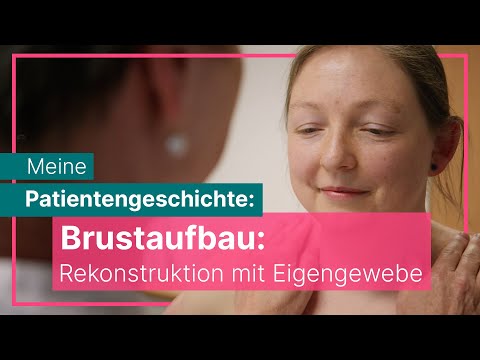
















Share this listing