
Revolutionary Incision-Free Myoma Treatment: A Guide to Sonata Therapy at Asklepios Klinik Altona
Uterine fibroids, or myomas, are a silent epidemic affecting millions of women worldwide, often causing debilitating pain and heavy menstrual bleeding that disrupts daily life. While traditional options like hysterectomy or invasive surgery were once the only answers, a medical breakthrough called Sonata Therapy is changing the landscape of women's health. At the Asklepios Klinik Altona in Hamburg, led by experts like Dr. Tina Cadenbach-Blome, patients are finding relief through a procedure that requires no incisions, preserves the uterus, and offers a rapid return to normal activities.
This comprehensive guide explores the innovative transcervical radiofrequency ablation (RFA) technology, explaining how it targets fibroids from the inside out. If you are seeking a way to manage heavy periods without the scars of traditional surgery, watch this video to see how the Sonata system works in real-time.
Video Chapters & Quick Navigation
What Are Uterine Myomas (Fibroids)?
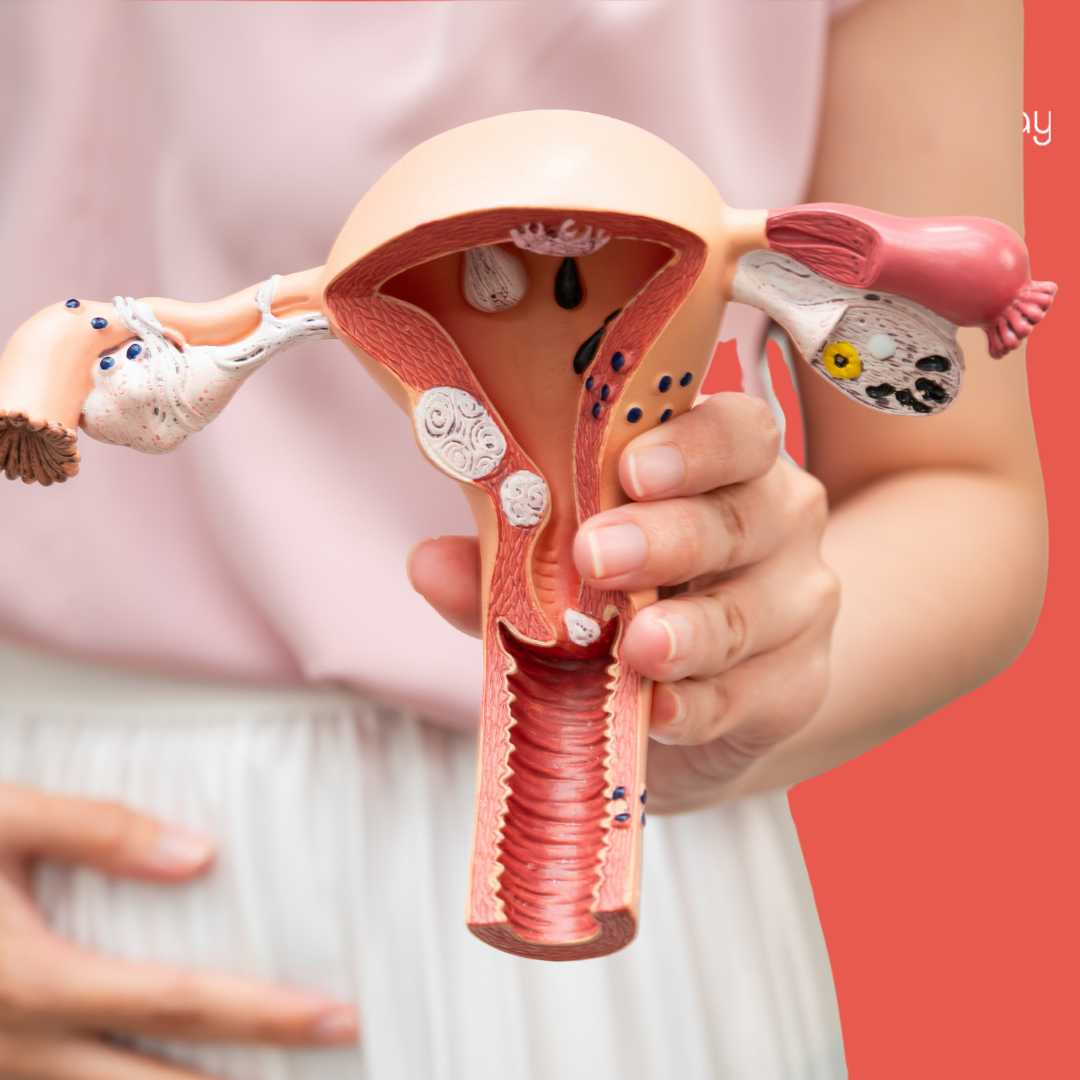
At [00:27], the video introduces myomas as benign muscle nodules that develop within the uterine wall. These growths are extremely common, affecting approximately 70% of women by the age of 40. While they are non-cancerous, their presence can drastically alter the shape of the uterus and pressure surrounding organs.
Fibroids are classified based on their location: intramural (within the muscle wall), subserosal (on the outer surface), and submucosal (projecting into the uterine cavity). The Sonata system is particularly effective for those hard-to-reach intramural fibroids that were previously difficult to treat without invasive surgery.
Understanding the commonality of this condition helps remove the stigma and anxiety many women feel when diagnosed. Many women live with these nodules for years, unaware that their heavy periods are not "normal" but are actually a treatable medical condition caused by these growths.
The Debilitating Symptoms of Fibroids
While many fibroids are asymptomatic, about 20% of women suffer from significant medical issues. As noted at [00:40], the most frequent complaints include painful and excessively heavy menstrual bleeding (menorrhagia). This can lead to chronic fatigue, anemia, and a decreased quality of life.
Beyond bleeding, myomas can cause a "fullness" in the pelvic region, frequent urination due to bladder pressure, and even lower back pain. For many, these symptoms mean missing work, avoiding social engagements, and living in constant discomfort during their menstrual cycle.
The emotional toll of managing these symptoms is often overlooked. Women may feel tethered to their homes during their heaviest days, and the physical drain of anemia can make even simple tasks feel insurmountable. Sonata therapy aims to restore this lost quality of life.
What Makes Sonata Therapy Different?
Introduced at [00:50], the Sonata system represents a "gentle" therapy. It is a low-complication, short, and—most importantly—incision-free procedure. Unlike a myomectomy, which requires cutting through the abdomen or uterine wall, Sonata accesses the fibroids through the natural opening of the cervix.
This "transcervical" approach means there are no external scars and significantly less trauma to the body. As one of the few clinics in Germany to offer this, Asklepios Klinik Altona is at the forefront of uterus-preserving medicine, allowing women to avoid the radical step of a hysterectomy.
| Feature | Traditional Surgery | Sonata Therapy |
|---|---|---|
| Incisions | Abdominal/Laparoscopic cuts | None (Incision-free) |
| Recovery Time | 2 - 6 weeks | 1 - 3 days |
| Hospital Stay | Multiple nights | Outpatient/Overnight |
| Uterus Preserving | Varies (Hysterectomy removes it) | Yes (100% preserved) |
Step-by-Step: The Sonata Procedure
At [00:58], we see the actual Sonata system. The device is a specialized handpiece that combines two essential technologies: radiofrequency energy and high-resolution ultrasound. The entire procedure is performed under short general anesthesia and typically takes only 15 to 20 minutes.
Because the probe is inserted via the vagina and cervix, there is no need to cut through the sensitive abdominal muscles or the uterine lining. This makes the procedure ideal for women who want to avoid the risks associated with major surgery, such as infection, significant blood loss, or long-term scarring.
The speed of the procedure is a major benefit for patients. Rather than a multi-hour surgery requiring an extensive surgical team, the Sonata treatment is an efficient, targeted intervention that minimizes the time the patient is under anesthesia.
Precision Ultrasound Visualization
The "magic" of Sonata happens at [01:12]. The tip of the Sonata probe contains an integrated ultrasound transducer. This allows the surgeon to "see" from within the uterine cavity, identifying exactly where the fibroids are located in real-time on a monitor.
This internal view provides far greater precision than external abdominal ultrasounds. The surgeon can map the boundaries of the myoma, ensuring that the treatment is localized only to the problematic tissue while leaving the surrounding healthy uterine muscle completely untouched.
The Ablation Process: Shrinking Myomas with Heat
Once the fibroid is localized, the treatment begins as shown at [01:28]. Small electrodes are deployed from the tip of the probe into the fibroid tissue. These electrodes deliver radiofrequency energy, which generates localized heat within the center of the myoma.
This heating process—known as thermal ablation—takes approximately 3 minutes per fibroid. The heat causes the proteins in the fibroid tissue to coagulate, essentially "deactivating" the growth. Over time, the body’s natural healing response takes over to process the treated tissue.
A significant advantage of this technology is its ability to treat multiple fibroids in a single session. By moving the probe to different locations within the uterus, the medical team can address several myomas, providing comprehensive relief for patients with multi-focal disease.
Recovery and Long-Term Results
What happens after the procedure? As explained at [01:40], the results are gradual but significant. Over the course of the next three months, the treated fibroid tissue begins to shrink and soften. In some cases, treated tissue may even be naturally expelled during the menstrual cycle.
By the three-month mark, clinical data shows a symptom reduction of up to 90%. Patients report significantly lighter periods, less pain, and a complete resolution of the "pressure" symptoms they previously experienced.
- Month 1: Initial softening of the myoma; first menstrual cycle after procedure is often already lighter.
- Month 2: Continued shrinkage of the treated area as the body resorbs the tissue.
- Month 3: Peak symptom relief reached; significant reduction in pelvic bulk and bleeding.
Accessing Treatment in Germany
For patients in Germany, there is excellent news at [01:57]: the Sonata procedure is covered by all health insurance providers. This makes it an accessible option for any woman suffering from fibroid-related symptoms.
Asklepios Klinik Altona offers a dedicated "Myom-Sprechstunde" (Myoma Consultation) where women can receive a personalized assessment. During this consultation, the medical team uses imaging and history to determine if the Sonata system is the right fit for the specific size and location of the patient's fibroids.
The clinic’s commitment to patient-centric care is evident in their specialized approach. By providing a dedicated space for fibroid discussions, they ensure that every patient feels heard and understands all their options before proceeding with treatment.
Why Asklepios Klinik Altona?
Choosing the right facility for a specialized procedure like Sonata is crucial. Asklepios Klinik Altona is a recognized center of excellence for gynecology and urogynecology. Their team has undergone extensive training specifically on the Sonata system, ensuring the highest standards of safety and efficacy.
Beyond technical skill, the clinic focuses on the holistic experience of the patient. From the initial consultation to the post-operative follow-up, the emphasis is on minimizing discomfort and maximizing the restorative benefits of the therapy. This patient-first philosophy is why they are leaders in the Hamburg region.
Ready to Restore Your Smile in Egypt?
PlacidWay Medical Tourism connects you with top-rated dental clinics in Egypt, offering world-class care at unbeatable prices. Let us handle the details while you focus on your new smile.
GET A FREE QUOTE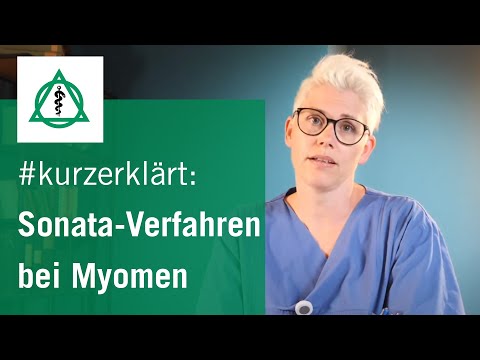























Share this listing