
Comprehensive Guide to Pelvic Floor Prolapse Treatment and Sacrofixation in Germany
Pelvic floor health is a critical yet often overlooked aspect of women's well-being, affecting millions worldwide. When the intricate network of muscles and ligaments supporting pelvic organs weakens, it leads to a condition known as pelvic organ prolapse, often referred to in Germany as "Senkungszustände." This can profoundly impact a woman's quality of life, physical comfort, and confidence.
In this specialized video guide, Prof. Dr. Gerhard Gebauer, Chief Physician of Gynecology at the renowned Asklepios Klinik Barmbek, provides expert insights into how a dedicated Pelvic Floor Center (Beckenbodenzentrum) addresses these complex issues. From diagnostic precision to the latest advancements in sacrofixation surgery, discover how modern medicine is restoring function and dignity to patients suffering from incontinence and prolapse.
Video Chapters & Quick Navigation
Understanding the Beckenbodenzentrum: A Specialized Institution
As Prof. Dr. Gerhard Gebauer explains at [00:05], a Pelvic Floor Center (Beckenbodenzentrum) is not just a clinic department; it is a specialized institution dedicated to the highly focused treatment and diagnosis of pelvic floor disorders. In Germany, these centers are often interdisciplinary, bringing together gynecologists, urologists, and proctologists to ensure every aspect of pelvic health is addressed.
The primary focus of such a center is to manage patients experiencing "Senkungszustände" (prolapse conditions) or various forms of incontinence. By centralizing expertise, patients receive a higher standard of care where diagnostic tools and surgical techniques are refined through high-volume specialization. This collaborative approach is essential because pelvic floor issues rarely affect just one organ; the bladder, uterus, and bowel are all part of a connected system.
Typical Disease Patterns: Prolapse and Incontinence
In the video at [00:15], Prof. Gebauer outlines the most common presentations seen in the clinic. These typically fall into two main categories: pelvic organ descent and urinary or fecal incontinence.
Pelvic organ prolapse occurs when the pelvic floor muscles and connective tissues (ligaments and fascia) can no longer support the weight of the pelvic organs. This results in one or more organs dropping from their normal position. Depending on the area affected, this might be a cystocele (bladder prolapse), rectocele (rectum prolapse), or uterine prolapse.
The Impact of Urinary Incontinence
Urinary incontinence often accompanies prolapse but can also exist independently. Patients may suffer from stress incontinence—leakage during physical activities like coughing or jumping—or urge incontinence, characterized by a sudden, intense need to urinate. A specialized center utilizes urodynamic testing to pinpoint the exact cause, allowing for a tailored treatment plan that might range from specialized physiotherapy to minimally invasive surgical "tapes."
The Urogynecological Examination: Precision Diagnostics
Effective treatment begins with an exhaustive diagnostic phase. Starting at [00:18], the video describes the urogynecological examination process. The goal is to answer critical questions: What is the primary problem? Which specific organs have descended? Which supporting structures are defective?
This diagnostic clarity is vital because no two prolapses are identical. Surgeons must identify whether the defect is central, lateral, or apical (at the top of the vaginal vault). Modern diagnostics in Germany often include high-resolution ultrasound and sometimes dynamic MRI to visualize the pelvic floor in motion, ensuring that the surgical intervention targets the exact anatomical failure.
| Diagnostic Step | Purpose |
|---|---|
| Medical History | Understanding symptom severity and impact on daily life. |
| Clinical Examination | Physical assessment of organ position and muscle strength. |
| Introital Ultrasound | Visualizing the bladder, urethra, and pelvic floor movement. |
| Urodynamics | Measuring bladder pressure and function to assess incontinence. |
Root Causes of Pelvic Floor Descent
Why do these support structures fail? At [00:37], Prof. Gebauer highlights that the most frequent and decisive cause is the overstretching or tearing of the ligaments (Haltebänder) that secure the cervix or the end of the vagina within the small pelvis.
The Role of Childbirth: The trauma of vaginal delivery is a primary factor. Large infants or operative vaginal deliveries (using forceps or vacuum) can place immense strain on the connective tissues. While the body has remarkable healing powers, these ligaments can remain permanently elongated or detached from their pelvic sidewall anchors.
Aging and Hormones: Beyond childbirth, the natural aging process and the decrease in estrogen during menopause lead to a loss of collagen and tissue elasticity. Chronic strain from heavy lifting, persistent coughing, or obesity can further exacerbate the descent over time, leading to the symptoms patients eventually present with at the clinic.
The Goal of Operation: Anatomical Restoration
The philosophy of surgical intervention at Asklepios Klinik Barmbek, as noted at [00:59], is to restore the "Haltebänder" (holding ligaments) shown in the anatomical models. The objective is to return the pelvic organs to their original, healthy positions.
Modern pelvic floor surgery has moved away from simply "tucking" tissues. Instead, it focuses on site-specific repair. By reinforcing the damaged fascia or replacing the function of torn ligaments with biocompatible materials or the patient's own tissue, surgeons can create a durable support system that withstands daily physical pressures. This not only resolves the bulge or pressure sensation but also often restores normal bladder and bowel function.
What is Sacrofixation? Innovations in Surgical Technique
One of the most effective procedures for apical prolapse (where the top of the vagina or uterus drops) is sacrofixation, also known as sacrocolpopexy. Prof. Gebauer discusses this in detail at [01:07].
Traditional sacrofixation usually involved attaching the vagina to the sacrum (the bone at the base of the spine) on only the right side. However, the team at Barmbek has refined this. They now offer a modified bilateral sacrofixation technique.
Bilateral vs. Unilateral Support
Why choose a bilateral approach? As Prof. Gebauer notes, restoring support on both sides of the pelvis is significantly more effective and durable. By creating a balanced, symmetrical support structure, the risk of recurrence is lowered, and the anatomical result is more natural. This procedure is typically performed laparoscopically (keyhole surgery) or using robotic assistance, allowing for high precision, less pain, and a faster return to daily activities for the patient.
The Future of Pelvic Floor Health in Hamburg
Choosing a specialized center like the Beckenbodenzentrum at Asklepios Klinik Barmbek ensures access to a depth of experience that general clinics may not provide. Prof. Dr. Gerhard Gebauer and his team represent the pinnacle of German gynecological expertise, focusing on "life quality surgery"—procedures that may not be life-saving in the traditional sense but are life-changing in the freedom and comfort they restore.
If you are experiencing symptoms of pressure, a "foreign body" sensation in the pelvic area, or urinary leakage, remember that these are medical conditions with established, highly effective treatments. You do not have to live with the discomfort; modern sacrofixation and specialized pelvic floor care offer a path back to an active, confident life.
Ready to Restore Your Quality of Life in Germany?
PlacidWay Medical Tourism connects you with top-rated specialists like Prof. Dr. Gerhard Gebauer in Germany, offering world-class pelvic floor care and advanced sacrofixation. Let us handle the details while you focus on your health and recovery.
GET A FREE QUOTE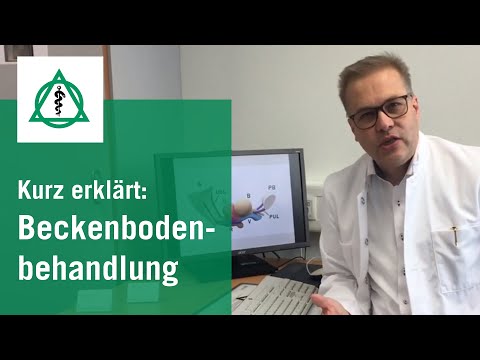



























Share this listing