
Liver Transplant Cost in Turkey: Factors, Prices & Success Rates
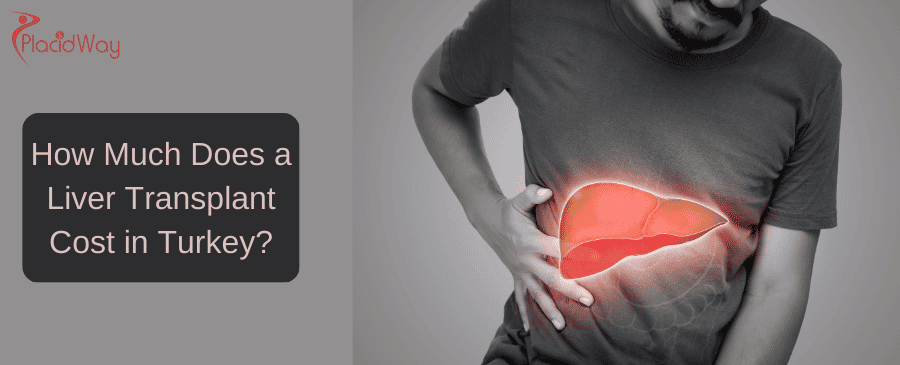
Deciding to undergo organ transplantation is one of the most significant medical choices a person can make. When end-stage liver disease or acute liver failure occurs, finding timely and effective care becomes the primary focus for patients and their families. Because of the high expenses and long waitlists in many regions, some individuals explore medical tourism in Turkey to access complex surgical care.
Understanding the financial aspects, medical requirements, and logistical challenges is essential for anyone considering a liver transplant in Turkey. This guide provides a thorough overview of estimated expenses, the living donor process, potential risks, and what to expect during recovery.
Key Takeaways
- The estimated baseline cost for the procedure ranges between $45,000 and $70,000, depending on medical complexity.
- International patients generally require a compatible, related living donor, as deceased donor organs are reserved for local citizens.
- Extensive physical, psychological, and ethical evaluations are mandatory for both the recipient and the donor.
- Recovery involves a hospital stay of several weeks, followed by mandatory outpatient monitoring before flying home.
- Lifelong immunosuppressive medication and continuous follow-up care with a local hepatologist are required to prevent organ rejection.
What factors influence a liver transplant cost in Turkey?
While the baseline estimates provide a helpful starting point, medical treatments of this magnitude rarely have a fixed price tag. The overall financial requirement is heavily influenced by the patient's existing health status. For instance, individuals with multiple comorbidities may require extensive stabilization before surgery, which increases the total expense.
The length of the hospital stay is another major variable. Standard estimates usually account for a typical ICU recovery period followed by a stay in a regular ward. However, if a patient experiences complications such as infection, delayed graft function, or internal bleeding, they may need prolonged intensive care. These extended stays, along with additional imaging and specialized medications, will add to the overall cost.
Furthermore, evaluating the living donor incurs its own set of expenses. The donor must undergo a rigorous battery of blood tests, imaging scans, and psychological assessments to ensure they are fit for surgery and acting voluntarily. If a prospective donor is found to be incompatible during this phase, the evaluation costs are usually still applied, and the process must begin again with a new donor.
How does a liver transplant procedure work for international patients?
Because organ shortages are a global issue, most countries tightly regulate how deceased donor organs are allocated. In Turkey, international patients cannot typically join the national waiting list for a cadaveric organ. Therefore, the only viable path is a living-donor liver transplant.
Upon arriving in the country, the patient and their donor meet with a multidisciplinary team. This team usually includes hepatologists, transplant surgeons, anesthesiologists, psychiatrists, and medical ethicists. The ethical evaluation is particularly strict; a committee must verify that the donor is a legitimate relative (often up to the fourth degree of consanguinity) and that no financial coercion is involved in the donation.
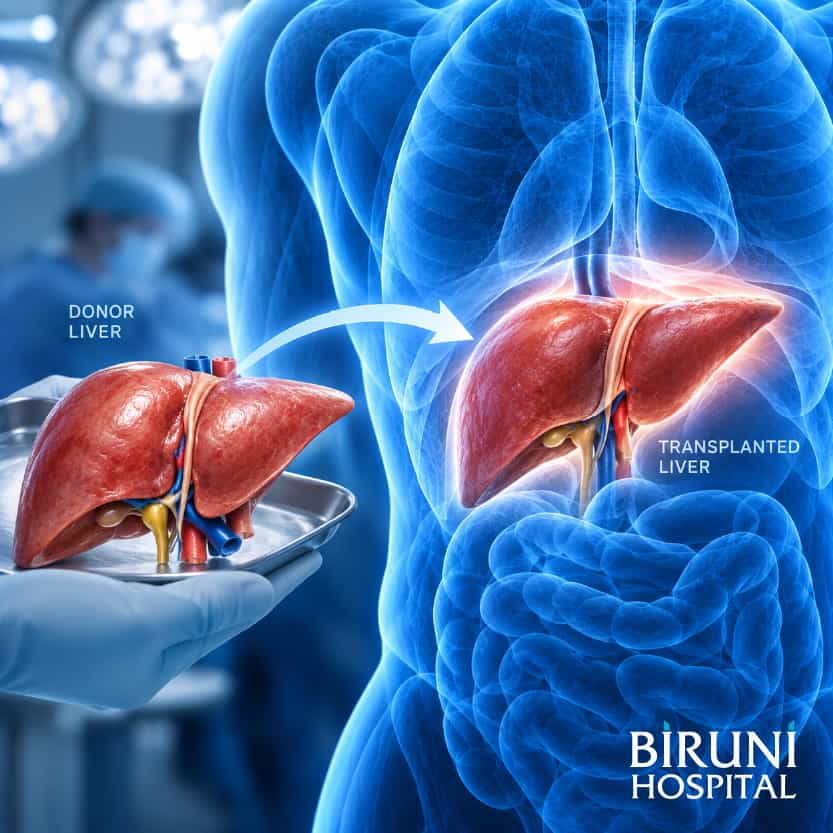
Once medical compatibility and legal requirements are cleared, the surgical phase begins. Living-donor transplantation involves two simultaneous surgeries. The surgical team removes a portion of the healthy donor's liver (usually the right lobe for adult recipients) and transplants it into the recipient after removing their diseased liver. Because the liver has a unique ability to regenerate, both the remaining portion in the donor and the transplanted portion in the recipient will typically grow to normal size over several months.
What is included in a typical liver transplant package?
When reviewing estimates from a liver transplant clinic in Turkey, you must understand exactly what the quote covers. A comprehensive initial quote often consolidates the primary medical services required for a standard, uncomplicated procedure.
| Typically Included | Usually Excluded (Additional Costs) |
|---|---|
| Surgeon and anesthesiologist fees | Long-term immunosuppressant drugs for home |
| Standard pre-operative bloodwork and scans | Treatment for post-operative complications |
| Standard ICU and hospital ward days | Extended hospital stays beyond the standard quote |
| Living donor surgery and recovery room | Flights, accommodation, and visas |
Patients should always request an itemized breakdown of the estimated costs. It is crucial to have a financial buffer for unexpected medical needs. The cost of living in the destination country during the required weeks of outpatient recovery must also be factored into the overall budget.
What are the medical requirements for a living donor?
The safety of the living donor is the highest priority for any ethical medical team. Because the donor is undergoing a major surgery without any physical benefit to themselves, they must be in peak condition to minimize surgical risks. The evaluation process investigates every aspect of the donor's health.
Physicians will evaluate the anatomy of the donor's liver using MRI or CT scans to ensure the blood vessels and bile ducts are structured in a way that allows for safe division. The remaining portion of the liver must be of sufficient volume to sustain the donor while it regenerates.
Donors with a high Body Mass Index (BMI), fatty liver disease, heart conditions, or a history of significant substance abuse will be disqualified. Additionally, the psychological evaluation ensures the donor comprehends the risks of surgery, the recovery timeline, and is making the decision free from external pressure.
How long is the recovery period after a liver transplant?
Recovery is a gradual, carefully monitored process. Immediately following surgery, the recipient is moved to the ICU. During this critical window, the medical team closely watches for signs that the new liver is functioning—such as bile production and blood clotting capability. If stable, the patient is moved to a regular transplant ward.
During the hospital stay, physical therapy begins almost immediately. Patients are encouraged to sit up and walk as soon as safely possible to prevent pneumonia and blood clots. Simultaneously, the medical team calibrates the dosage of immunosuppressive drugs to prevent the body's immune system from attacking the new organ.
After discharge, patients cannot simply fly home. They must remain near the medical facility for frequent outpatient check-ups. Doctors will routinely draw blood to check liver enzyme levels and adjust medication dosages. Only when the medical team deems the patient stable and out of immediate danger will they be cleared for international travel.
What are the potential risks and complications of a liver transplant?
A liver transplant is a life-saving but highly invasive procedure. Outcomes vary significantly based on the patient's underlying disease, age, and adherence to post-operative care. It is vital to understand that success is not guaranteed, and complications can occur at any stage.
One of the most immediate surgical risks is bleeding or the formation of blood clots in the vessels supplying the new liver (hepatic artery thrombosis). Biliary complications, such as leaks or strictures in the bile ducts where the new and old ducts were joined, are also relatively common and may require additional interventions to fix.
Long-term risks are primarily tied to organ rejection and the medications used to prevent it. Because the body recognizes the new liver as foreign tissue, the immune system will attempt to attack it. Immunosuppressive drugs suppress this response but leave the patient highly susceptible to common viruses, bacterial infections, and fungal infections. Over time, these medications can also increase the risk of high blood pressure, diabetes, kidney damage, and certain types of cancer.
How do patients arrange a liver transplant clinic in Turkey?
Finding an appropriate healthcare provider abroad requires diligent research. Patients should look for facilities that hold international accreditations, such as Joint Commission International (JCI), which indicates adherence to rigorous safety and quality protocols. The volume of transplants performed by a facility is also a crucial indicator of their experience.
The initial step usually involves sending medical records—such as recent blood work, imaging, and detailed medical history—to the prospective clinic for preliminary review. The international team will evaluate the records to determine if the patient and the proposed donor seem like viable candidates before advising them to travel.
Transparency in communication is vital during this phase. Patients should ask detailed questions regarding the surgeon's credentials, the hospital's infection rates, and the protocols in place should a medical emergency arise. A reputable medical team will be clear about the risks and will never pressure a patient into immediate surgery.
What follow-up care is required after returning home?
The success of a transplant relies heavily on local aftercare. Before traveling abroad, patients must secure a local medical team willing to take over their care upon their return. Bridging the communication between the surgical team abroad and the local doctors is essential for a safe transition.
Upon returning home, patients will initially need blood tests once or twice a week to ensure liver enzymes remain stable and medication levels are therapeutically appropriate. Over time, the frequency of these tests will decrease, but they will never stop completely. Routine screenings for skin cancer and other conditions related to prolonged immunosuppression will also become a normal part of life.
If patients experience signs of rejection—such as fever, fatigue, jaundice (yellowing of the skin or eyes), or abdominal pain—they must seek immediate emergency medical attention at their local hospital. Early detection of rejection often allows doctors to treat it effectively by adjusting medication.
Are there alternative treatments to consider before a transplant?
A transplant is generally viewed as the treatment of last resort for end-stage liver disease. Your local healthcare provider will first explore all available medical interventions. For instance, if the liver damage is caused by Hepatitis C, highly effective antiviral medications can cure the infection and halt further damage, sometimes allowing the liver to recover partially.
If the patient has localized liver cancer without severe cirrhosis, surgeons might opt for a liver resection (removing the cancerous part of the liver) or localized therapies like radiofrequency ablation rather than a full transplant.
Medical management of cirrhosis symptoms—such as taking diuretics for fluid retention, medications for encephalopathy, and endoscopic treatments for bleeding varices—can often prolong survival and improve quality of life, allowing patients to delay the risks associated with major transplant surgery.
Why Choose PlacidWay for Medical Tourism in Turkey?
PlacidWay is a medical tourism resource that assists patients in navigating healthcare options globally. Here is how they support individuals researching complex procedures abroad:
- • Extensive Network: Connects patients with accredited hospitals and specialized medical centers equipped for complex treatments.
- • Information Access: Provides transparent details regarding estimated costs, facility credentials, and treatment scope.
- • Comparison Tools: Allows individuals to evaluate multiple healthcare providers and destinations to make informed decisions.
- • Multilingual Support: Helps bridge the language gap by facilitating initial communication with international medical teams.
- • Educational Resources: Offers guides and articles to help patients understand the medical tourism process and what to expect during their journey.
Frequently Asked Questions
Can international patients receive a deceased donor liver in Turkey?
Typically, international patients traveling to Turkey for a liver transplant must bring a compatible living donor. Deceased donor organs are heavily regulated and generally prioritized for local citizens due to widespread organ shortages.
Is the living donor's medical care included in the transplant estimate?
Most transplant estimates cover the surgical procedure and initial hospital stay for both the recipient and the living donor. However, preliminary compatibility testing and extended care for complications may incur additional charges.
What blood types are compatible for a liver transplant?
Living donors must have a compatible blood type with the recipient. For example, a person with blood type O can donate to any blood type, while a person with type AB can only donate to another type AB recipient. Specific cross-matching is evaluated by the medical team.
How long does the evaluation process take once in Turkey?
The rigorous medical, psychological, and ethical evaluation for both the recipient and the living donor usually takes 3 to 7 days, assuming no unexpected health issues arise during testing.
Can I fly immediately after being discharged from the hospital?
No. Patients are typically required to stay in the country for several weeks after hospital discharge. This allows the medical team to monitor liver function, adjust immunosuppressive medications, and ensure it is safe for you to endure air travel.
Do I need a medical visa for a transplant stay in Turkey?
Depending on your country of origin, you may need a specific medical visa to cover the extended stay required for a transplant and recovery. You should check current visa regulations with the local consulate prior to travel.
What happens if the donor's liver is not a match during final testing?
If final evaluations reveal that the donor is medically unsuitable or incompatible, the transplant will be canceled to protect both individuals. Patients must then seek an alternative living donor and begin the evaluation process again.
Are immunosuppressive medications expensive after returning home?
Anti-rejection medications are a lifelong requirement and can be expensive. Patients must research the cost and availability of these drugs in their home country before committing to a transplant abroad.
Can pediatric patients undergo liver transplants in Turkey?
Yes, many facilities in the country have specialized pediatric hepatology and transplant departments equipped to perform living-donor liver transplants on children, subject to strict medical and ethical guidelines.
What dietary changes are required after the surgery?
Post-transplant patients typically need to follow a balanced diet low in sodium and processed foods to manage blood pressure and protect kidney function. Alcohol must be strictly avoided to prevent damage to the new liver.
Compare Treatment Options
Gather detailed information, compare estimated costs, and consult with specialized medical teams to make an informed decision regarding your healthcare journey.
Request Treatment InformationReferences
- Organ Transplantation – World Health Organization (WHO)
- Liver Transplant Overview & Risks – Mayo Clinic
- Liver Transplant Surgery & Recovery – Cleveland Clinic
- Transplant Data & Safety Protocols – Organ Procurement and Transplantation Network (OPTN)
- Liver Transplant Patient Information – National Institute of Diabetes and Digestive and Kidney Diseases (NIDDK)
- Living Donation Guidelines – United Network for Organ Sharing (UNOS)





















Share this listing