What treatment


20+ Key FAQs on Organ Transplant in Turkey
Questions About Organ Transplant in Turkey? Start Here
Trusted Medical Tourism Platform Since 2007

Who is a good candidate for Kidney Transplant in Turkey
A good candidate for a kidney transplant in Turkey is an international patient with end-stage renal disease who is healthy enough for major surgery and can bring a medically compatible, legally approved living donor from their home country. When facing end-stage renal disease (ESRD), finding timely and effective care is a priority for patients and their families. Many individuals explore international options due to long waiting lists or treatment limitations in their home countries. Understanding whether you are a suitable candidate for a kidney transplant in Turkey involves navigating a combination of medical requirements, strict legal regulations, and logistical considerations. Turkey has developed a robust healthcare infrastructure with highly experienced transplant teams. However, pursuing international transplant surgery is a complex medical decision. Before seeking a transplant evaluation, patients must understand the specific clinical parameters they need to meet, as well as the unique laws governing organ donation for foreign nationals. This guide outlines the essential criteria to help you and your medical team determine if this pathway is a viable option for your health. Key Takeaways Living Donor Requirement: International patients cannot receive deceased (cadaveric) organs in Turkey and must bring their own living donor. Medical Eligibility: Candidates generally have Stage 5 Chronic Kidney Disease (CKD) or ESRD and are currently on, or approaching the need for, dialysis. Surgical Fitness: Patients must have strong enough cardiovascular and pulmonary health to safely withstand major surgery and general anesthesia. Commitment to Aftercare: Successful candidacy requires a lifelong commitment to taking immunosuppressant medications and attending regular medical follow-ups. Ethics Committee Approval: Non-related living donors must pass a stringent legal and ethical review by the Turkish Ministry of Health to prevent organ trafficking. What are the legal requirements for international transplant patients in Turkey? By Turkish law, international patients cannot be placed on the national deceased donor waitlist. You must bring a willing, medically suitable living donor from your home country to proceed with surgery. The legal framework in Turkey is designed to prioritize domestic patients for deceased donor organs while maintaining strict ethical standards for international living donor transplants. This means that medical tourism for organ transplantation in Turkey relies entirely on living donation. If you do not have a living donor, you cannot receive a transplant in the country. Furthermore, the relationship between the recipient and the donor is legally scrutinized. Donors who are relatives up to the fourth degree (such as parents, siblings, children, grandparents, aunts, uncles, and first cousins) or legally married spouses are generally processed directly by the hospital after verifying official documentation. If the donor is a non-relative—such as a close friend—the pair must undergo a rigorous evaluation by the regional Ethics Committee of the Ministry of Health. This committee conducts interviews to confirm that the relationship is genuine, long-standing, and that no financial transaction or coercion has taken place. Approval is never guaranteed and is decided on a case-by-case basis. What medical conditions qualify you for a kidney transplant? Patients with End-Stage Renal Disease (ESRD) or Stage 5 Chronic Kidney Disease (typically with a Glomerular Filtration Rate below 20 ml/min) are the primary medical candidates for a transplant. A kidney transplant is not a first-line treatment for early-stage kidney disease. It is reserved for patients whose kidneys have irreversibly failed or are very close to failing. Many candidates are already undergoing hemodialysis or peritoneal dialysis, though "pre-emptive" transplants (before dialysis begins) are often preferred if a living donor is available, as they generally yield better long-term outcomes. To be considered a suitable medical candidate, your underlying condition must be one that is well-managed and unlikely to immediately destroy the new kidney. Common causes of ESRD that lead to transplantation include: Diabetic nephropathy (kidney damage from diabetes) Hypertensive nephrosclerosis (damage from uncontrolled high blood pressure) Glomerulonephritis (inflammation of the kidney's filtering units) Polycystic kidney disease (a genetic disorder causing cysts) Your nephrologist will evaluate whether your primary disease is stable enough for transplantation. Certain autoimmune diseases may require periods of remission before a transplant can be safely performed to minimize the risk of the disease recurring in the transplanted organ. Who can act as your living kidney donor in Turkey? Your living donor must be a consenting adult in excellent physical and mental health, with compatible blood and tissue typing, and a legally verifiable relationship to you. Finding a suitable living donor is often the most challenging aspect of preparing for a transplant. Medically, the donor must have two perfectly functioning kidneys and no history of conditions that could lead to kidney disease later in life, such as diabetes, uncontrolled high blood pressure, or cancer. They must also pass comprehensive psychological evaluations to ensure they fully understand the risks and are donating voluntarily. In terms of compatibility, the donor and recipient traditionally need compatible blood types. However, some advanced facilities offer ABO-incompatible transplants, which involve extensive medical preparation to prevent organ rejection. Additionally, tissue typing (HLA typing) and crossmatching are performed to check how the recipient's immune system reacts to the donor's cells. A positive crossmatch usually means the transplant cannot proceed directly, though paired exchange programs might be an alternative option. Which medical conditions might disqualify you from receiving a transplant? Active infections, recent or untreated malignancies, severe heart or lung disease, and active substance abuse are typical contraindications that can disqualify a patient from transplant surgery. Because kidney transplantation is a major surgical procedure followed by a lifetime of medically induced immunosuppression, candidates must be healthy enough to survive the surgery and thrive afterward. Immunosuppressant medications, which prevent organ rejection, also lower the body's ability to fight off infections and can accelerate the growth of cancer cells. You may not be eligible, or you may be asked to delay the procedure, if you have: Active or recently treated cancer (waiting periods vary by cancer type) Severe cardiovascular disease that makes anesthesia life-threatening Active, untreated infections (such as tuberculosis or severe dental infections) Irreversible liver disease (unless considered for a dual organ transplant) Severe psychiatric illnesses that prevent adherence to a strict medication regimen Every patient's medical history is reviewed comprehensively. Conditions that once ruled out a transplant may now be manageable, so individualized assessment by an appropriately qualified healthcare professional is crucial. How does age affect your eligibility for a kidney transplant? There is no strict upper age limit for a kidney transplant, but older adults are evaluated based on their overall biological health and presence of other medical conditions rather than chronological age alone. Age is a factor in transplant candidacy, but it is rarely the sole deciding factor. While pediatric and younger adult patients are common recipients due to the long-term benefits of receiving a kidney, older adults in their 60s and 70s routinely receive transplants if they are otherwise in good health. The primary concern for older candidates is the presence of comorbidities, particularly cardiovascular disease. Older patients typically undergo more rigorous cardiac screening, including stress tests and echocardiograms, to ensure their heart can handle the stress of surgery and the fluctuating fluid volumes that occur during and immediately after the procedure. The decision ultimately comes down to "physiological age" versus "chronological age." If a senior patient has strong cardiovascular health, no active malignancies, and a good support system, they may be considered an excellent candidate and experience significantly improved quality of life compared to remaining on dialysis. What medical tests are required before approval at a kidney transplant clinic in Turkey? Candidates must undergo an exhaustive evaluation including blood typing, tissue matching, cardiovascular screening, imaging studies, and comprehensive cancer screenings to ensure surgical safety. Before being accepted by any kidney transplant clinic in Turkey, you and your donor will undergo a thorough, multi-day medical evaluation. Even if you have had tests in your home country, the surgical team in Turkey will usually require up-to-date testing at their facility to ensure accuracy and meet legal protocols. The standard pre-transplant workup typically includes: Immunological Testing: Blood typing, HLA (Human Leukocyte Antigen) typing, and crossmatching to predict the likelihood of organ rejection. Cardiopulmonary Exams: Electrocardiogram (ECG), echocardiogram, chest X-rays, and possibly pulmonary function tests. Imaging: Ultrasounds of the abdomen and pelvis to examine the blood vessels where the new kidney will be attached. Cancer Screenings: Depending on age and gender, this may include mammograms, Pap smears, colonoscopies, and PSA tests. Infectious Disease Screening: Testing for HIV, Hepatitis B and C, Cytomegalovirus (CMV), and Epstein-Barr virus (EBV). How does BMI impact your candidacy for transplant surgery? A high Body Mass Index (BMI) can increase surgical risks and the likelihood of complications, prompting many clinics to prefer candidates with a BMI below 35 or 40. Body Mass Index (BMI) is an important consideration in transplant surgery. Severe obesity can complicate the surgical procedure itself, as the new kidney is usually placed in the lower abdomen. A higher BMI increases the risk of prolonged surgery times, poor wound healing, surgical site infections, and complications like deep vein thrombosis or hernias. Different transplant centers have varying policies regarding weight limits. Some may require patients to lose weight before being officially approved for surgery, often setting a target BMI below 35. This is not meant to be punitive but rather a necessary step to ensure the highest possible chance of a successful surgery and recovery. If weight loss is recommended, patients are often guided by dietitians who specialize in renal diets, as losing weight while managing ESRD or navigating dialysis requires careful nutritional management to avoid malnutrition. Why do international patients choose medical tourism in Turkey for renal care? Patients often choose Turkey due to its highly experienced transplant surgeons, advanced medical infrastructure, and the ability to schedule surgery without the multi-year waits common in their home countries. The rise of medical tourism in Turkey is largely driven by the combination of clinical expertise and accessibility. Turkish transplant surgeons often perform a high volume of living donor kidney and liver transplants, which contributes to their extensive experience in complex cases, including paired exchanges and minimally invasive donor nephrectomies (removing the kidney from the donor using laparoscopic techniques). Additionally, many private hospitals in Turkey are accredited by international organizations like the Joint Commission International (JCI). These facilities often feature dedicated international patient departments that assist with language translation, medical record transfers, and local coordination, making the daunting process of seeking healthcare abroad more manageable. For many patients, the primary motivator is time. In regions where the waitlist for a deceased donor organ spans five to ten years, the ability to travel abroad and receive a transplant promptly—provided they have a healthy, willing living donor—can significantly improve their prognosis and quality of life. What is the typical kidney transplant cost in Turkey compared to other countries? The estimated cost for a kidney transplant in Turkey typically ranges from $15,000 to $25,000, which is often significantly lower than uninsured or out-of-pocket prices in the United States or Western Europe. Financial considerations are a major factor for candidates considering international treatment. The kidney transplant cost in Turkey is generally lower than the cost of equivalent procedures in the US or UK, largely due to differences in living costs, healthcare economics, and favorable exchange rates. When comparing costs, it is vital to understand what is included in the estimate. A comprehensive transplant package typically covers the recipient's surgery, the donor's surgery (nephrectomy), hospital stays for both individuals, standard pre-operative testing upon arrival, and immediate post-operative medications. Potential Cost Factors Description Medical Complexity ABO-incompatible transplants require extra treatments (e.g., plasmapheresis), increasing the cost. Length of Stay Complications requiring extended ICU stays will result in additional medical fees. Travel & Accommodation Flights, visas, and hotels for the 4-6 week recovery period in Turkey must be budgeted. Prices are estimates and can vary by clinic and individual medical needs. Patients should also carefully budget for their lifelong post-operative medications, which will need to be purchased in their home country upon return. What post-operative commitments must a candidate be willing to make? A successful candidate must be fully committed to taking daily immunosuppressant medications for life and attending frequent medical follow-ups to monitor kidney function and prevent organ rejection. The surgery is only the first step in the transplant journey. To be a good candidate, you must demonstrate the willingness and capability to adhere strictly to a demanding post-operative medical regimen. The new kidney requires daily immunosuppressive drugs to prevent your immune system from attacking it. Missing even a few doses can trigger acute rejection and lead to organ failure. Before traveling to Turkey, patients must establish a relationship with a nephrologist in their home country. The Turkish surgical team will manage your immediate recovery, but your local doctor will take over your long-term care. This involves frequent blood tests (initially weekly, then monthly) to monitor drug levels, kidney function, and signs of infection. Candidates must also commit to lifestyle changes. This includes maintaining a healthy diet, staying hydrated, avoiding certain foods or supplements (like grapefruit) that interact with anti-rejection medications, and taking serious precautions to avoid infections, especially in the first few months when immunosuppressant doses are highest. Why Choose PlacidWay for Medical Tourism in Turkey? Navigating international healthcare options requires careful research. PlacidWay serves as a resource for patients seeking medical treatments abroad, offering several informational benefits: Access to Information: PlacidWay provides details on numerous internationally recognized hospitals and specialized transplant clinics in Turkey. Provider Comparisons: The platform allows patients to review facility credentials, medical team qualifications, and available technologies in one place. Direct Communication: Patients can use the platform to initiate contact with international patient departments for preliminary consultations. Treatment Insights: PlacidWay offers educational content regarding procedure expectations, legal requirements, and estimated care packages. Global Network: Patients can explore a broad directory of medical centers, allowing them to gather comprehensive information before making healthcare decisions. Frequently Asked Questions How long do I need to stay in Turkey after a kidney transplant? International patients are typically advised to stay in Turkey for 3 to 6 weeks after hospital discharge. This allows your medical team to closely monitor your kidney function, adjust your immunosuppressant medications, and ensure you are stable enough for international travel. Can my spouse donate a kidney to me in Turkey? Yes, a spouse can act as a living donor for a kidney transplant in Turkey, provided you can present legally valid marriage certificates to prove the relationship. The spouse must also pass all medical and psychological evaluations to ensure they are a suitable match and healthy enough to donate. Do Turkish hospitals perform ABO-incompatible kidney transplants? Some highly specialized transplant centers in Turkey do perform ABO-incompatible (blood type incompatible) kidney transplants. This requires advanced medical protocols, including desensitization treatments like plasmapheresis before the surgery, to prevent your body from rejecting the incompatible kidney. What happens if my donor and I are not a compatible match? If you and your donor are incompatible, some Turkish transplant programs offer paired kidney exchange (cross-over transplant). In this system, you and your donor are paired with another incompatible donor-recipient pair, allowing you both to receive compatible kidneys. Are pediatric kidney transplants performed in Turkey? Yes, several major hospitals in Turkey have specialized pediatric nephrology and transplant surgery departments that perform kidney transplants on children. The donor requirements remain strict, and the child's parents or close relatives typically act as living donors. Is it safe to travel back home after kidney transplant surgery? Flying home is generally safe once your transplant team officially clears you for travel. You will need to take precautions against infections, stay hydrated, and move regularly during the flight to prevent blood clots. You must also have your local nephrologist appointment scheduled before you leave. What languages do transplant coordinators speak in Turkish clinics? Most international patient departments in Turkey employ transplant coordinators who speak fluent English. Many clinics also provide professional interpreters for Arabic, Russian, French, German, and other languages to ensure clear medical communication. Can a friend be my kidney donor in Turkey? Yes, a friend can potentially be a donor, but it is heavily regulated. Non-related donors must be thoroughly evaluated and approved by the Turkish Ministry of Health's regional Ethics Committee to prove there is a genuine, long-standing relationship and absolutely no financial exchange involved. How is the living donor evaluated before the transplant? The donor undergoes extensive medical and psychological screening. This includes blood and tissue typing, advanced imaging of the kidneys, cardiovascular testing, cancer screenings, and psychological evaluations to confirm they are healthy, willing, and understand the risks of donation. What documents do I need to bring for an ethics committee review? If using a non-related donor, you will typically need translated and notarized documents such as passports, detailed personal statements, joint photographs spanning several years, and official affidavits proving your relationship, all prepared according to the clinic's specific legal guidelines. Compare Treatment Options Take the next step in gathering information about medical requirements, facility options, and care packages for international patients. Request Treatment Information References Organ Donation and Transplantation – World Health Organization (WHO) Kidney Transplant Overview – National Kidney Foundation Global Transplantation Guidelines – International Society of Nephrology (ISN) Kidney Transplantation Policies – Organ Procurement and Transplantation Network (OPTN) Kidney Transplant for Kidney Failure – National Institute of Diabetes and Digestive and Kidney Diseases Medical Tourism Safety Guidelines – Centers for Disease Control and Prevention (CDC) Medical Disclaimer: The information provided in this article is for educational and informational purposes only and does not constitute medical advice, diagnosis, or treatment planning. Eligibility for a kidney transplant depends on complex, individualized medical and psychological assessments. Laws regarding medical tourism and organ donation are subject to change. Always consult directly with a qualified nephrologist, transplant surgeon, or relevant healthcare provider regarding your specific health condition, treatment options, and travel risks. Outcomes, risks, and recovery times vary significantly by patient....
Read more details


How Much Does a Liver Transplant Cost in Turkey?
The estimated liver transplant cost in Turkey typically ranges from $45,000 to $70,000. This price generally includes pre-operative testing, the surgical procedure, donor expenses, and initial hospital stay, though individual costs may vary. Deciding to undergo organ transplantation is one of the most significant medical choices a person can make. When end-stage liver disease or acute liver failure occurs, finding timely and effective care becomes the primary focus for patients and their families. Because of the high expenses and long waitlists in many regions, some individuals explore medical tourism in Turkey to access complex surgical care. Understanding the financial aspects, medical requirements, and logistical challenges is essential for anyone considering a liver transplant in Turkey. This guide provides a thorough overview of estimated expenses, the living donor process, potential risks, and what to expect during recovery. Key Takeaways The estimated baseline cost for the procedure ranges between $45,000 and $70,000, depending on medical complexity. International patients generally require a compatible, related living donor, as deceased donor organs are reserved for local citizens. Extensive physical, psychological, and ethical evaluations are mandatory for both the recipient and the donor. Recovery involves a hospital stay of several weeks, followed by mandatory outpatient monitoring before flying home. Lifelong immunosuppressive medication and continuous follow-up care with a local hepatologist are required to prevent organ rejection. What factors influence a liver transplant cost in Turkey? The final cost varies depending on the complexity of the surgery, the length of the intensive care unit (ICU) stay, specialized preoperative testing, and any required treatment for unexpected complications. While the baseline estimates provide a helpful starting point, medical treatments of this magnitude rarely have a fixed price tag. The overall financial requirement is heavily influenced by the patient's existing health status. For instance, individuals with multiple comorbidities may require extensive stabilization before surgery, which increases the total expense. The length of the hospital stay is another major variable. Standard estimates usually account for a typical ICU recovery period followed by a stay in a regular ward. However, if a patient experiences complications such as infection, delayed graft function, or internal bleeding, they may need prolonged intensive care. These extended stays, along with additional imaging and specialized medications, will add to the overall cost. Furthermore, evaluating the living donor incurs its own set of expenses. The donor must undergo a rigorous battery of blood tests, imaging scans, and psychological assessments to ensure they are fit for surgery and acting voluntarily. If a prospective donor is found to be incompatible during this phase, the evaluation costs are usually still applied, and the process must begin again with a new donor. How does a liver transplant procedure work for international patients? International patients must travel with a compatible living relative to act as a donor and undergo a strict legal and medical evaluation process upon arrival before surgery can be scheduled. Because organ shortages are a global issue, most countries tightly regulate how deceased donor organs are allocated. In Turkey, international patients cannot typically join the national waiting list for a cadaveric organ. Therefore, the only viable path is a living-donor liver transplant. Upon arriving in the country, the patient and their donor meet with a multidisciplinary team. This team usually includes hepatologists, transplant surgeons, anesthesiologists, psychiatrists, and medical ethicists. The ethical evaluation is particularly strict; a committee must verify that the donor is a legitimate relative (often up to the fourth degree of consanguinity) and that no financial coercion is involved in the donation. Once medical compatibility and legal requirements are cleared, the surgical phase begins. Living-donor transplantation involves two simultaneous surgeries. The surgical team removes a portion of the healthy donor's liver (usually the right lobe for adult recipients) and transplants it into the recipient after removing their diseased liver. Because the liver has a unique ability to regenerate, both the remaining portion in the donor and the transplanted portion in the recipient will typically grow to normal size over several months. What is included in a typical liver transplant package? Standard packages typically cover the dual surgeries, basic anesthesia, operating room fees, initial ICU and ward stays for both individuals, and standard pre-operative compatibility testing. When reviewing estimates from a liver transplant clinic in Turkey, you must understand exactly what the quote covers. A comprehensive initial quote often consolidates the primary medical services required for a standard, uncomplicated procedure. Typically Included Usually Excluded (Additional Costs) Surgeon and anesthesiologist fees Long-term immunosuppressant drugs for home Standard pre-operative bloodwork and scans Treatment for post-operative complications Standard ICU and hospital ward days Extended hospital stays beyond the standard quote Living donor surgery and recovery room Flights, accommodation, and visas Patients should always request an itemized breakdown of the estimated costs. It is crucial to have a financial buffer for unexpected medical needs. The cost of living in the destination country during the required weeks of outpatient recovery must also be factored into the overall budget. What are the medical requirements for a living donor? A living donor must be a compatible blood type, typically between 18 and 55 years old, in excellent physical and mental health, and completely free of liver disease, significant obesity, or chronic illnesses. The safety of the living donor is the highest priority for any ethical medical team. Because the donor is undergoing a major surgery without any physical benefit to themselves, they must be in peak condition to minimize surgical risks. The evaluation process investigates every aspect of the donor's health. Physicians will evaluate the anatomy of the donor's liver using MRI or CT scans to ensure the blood vessels and bile ducts are structured in a way that allows for safe division. The remaining portion of the liver must be of sufficient volume to sustain the donor while it regenerates. Donors with a high Body Mass Index (BMI), fatty liver disease, heart conditions, or a history of significant substance abuse will be disqualified. Additionally, the psychological evaluation ensures the donor comprehends the risks of surgery, the recovery timeline, and is making the decision free from external pressure. Important Consideration: Even if a donor is perfectly healthy, their liver anatomy may simply be incompatible for donation. Patients should prepare themselves emotionally for the possibility that a willing relative may be medically declined. How long is the recovery period after a liver transplant? Recipients usually spend 2 to 4 weeks in the hospital, followed by 4 to 8 weeks of outpatient recovery in the host country. Full recovery and integration of the new liver can take up to a year. Recovery is a gradual, carefully monitored process. Immediately following surgery, the recipient is moved to the ICU. During this critical window, the medical team closely watches for signs that the new liver is functioning—such as bile production and blood clotting capability. If stable, the patient is moved to a regular transplant ward. During the hospital stay, physical therapy begins almost immediately. Patients are encouraged to sit up and walk as soon as safely possible to prevent pneumonia and blood clots. Simultaneously, the medical team calibrates the dosage of immunosuppressive drugs to prevent the body's immune system from attacking the new organ. After discharge, patients cannot simply fly home. They must remain near the medical facility for frequent outpatient check-ups. Doctors will routinely draw blood to check liver enzyme levels and adjust medication dosages. Only when the medical team deems the patient stable and out of immediate danger will they be cleared for international travel. What are the potential risks and complications of a liver transplant? Major risks include organ rejection, severe bleeding, bile duct leaks, blood clots, and a heightened vulnerability to infections due to lifelong immunosuppressant medications. A liver transplant is a life-saving but highly invasive procedure. Outcomes vary significantly based on the patient's underlying disease, age, and adherence to post-operative care. It is vital to understand that success is not guaranteed, and complications can occur at any stage. One of the most immediate surgical risks is bleeding or the formation of blood clots in the vessels supplying the new liver (hepatic artery thrombosis). Biliary complications, such as leaks or strictures in the bile ducts where the new and old ducts were joined, are also relatively common and may require additional interventions to fix. Long-term risks are primarily tied to organ rejection and the medications used to prevent it. Because the body recognizes the new liver as foreign tissue, the immune system will attempt to attack it. Immunosuppressive drugs suppress this response but leave the patient highly susceptible to common viruses, bacterial infections, and fungal infections. Over time, these medications can also increase the risk of high blood pressure, diabetes, kidney damage, and certain types of cancer. How do patients arrange a liver transplant clinic in Turkey? Patients typically start by consulting with their local hepatologist to confirm they are suitable candidates, followed by researching accredited international facilities that specialize in living-donor programs. Finding an appropriate healthcare provider abroad requires diligent research. Patients should look for facilities that hold international accreditations, such as Joint Commission International (JCI), which indicates adherence to rigorous safety and quality protocols. The volume of transplants performed by a facility is also a crucial indicator of their experience. The initial step usually involves sending medical records—such as recent blood work, imaging, and detailed medical history—to the prospective clinic for preliminary review. The international team will evaluate the records to determine if the patient and the proposed donor seem like viable candidates before advising them to travel. Transparency in communication is vital during this phase. Patients should ask detailed questions regarding the surgeon's credentials, the hospital's infection rates, and the protocols in place should a medical emergency arise. A reputable medical team will be clear about the risks and will never pressure a patient into immediate surgery. What follow-up care is required after returning home? Lifelong medical supervision by a local hepatologist or transplant center is mandatory to continually monitor organ function, adjust anti-rejection medications, and manage long-term health. The success of a transplant relies heavily on local aftercare. Before traveling abroad, patients must secure a local medical team willing to take over their care upon their return. Bridging the communication between the surgical team abroad and the local doctors is essential for a safe transition. Upon returning home, patients will initially need blood tests once or twice a week to ensure liver enzymes remain stable and medication levels are therapeutically appropriate. Over time, the frequency of these tests will decrease, but they will never stop completely. Routine screenings for skin cancer and other conditions related to prolonged immunosuppression will also become a normal part of life. If patients experience signs of rejection—such as fever, fatigue, jaundice (yellowing of the skin or eyes), or abdominal pain—they must seek immediate emergency medical attention at their local hospital. Early detection of rejection often allows doctors to treat it effectively by adjusting medication. Are there alternative treatments to consider before a transplant? Depending on the cause and severity of liver disease, alternatives may include antiviral medications, lifestyle changes, tumor ablation, or medical management of complications to delay the need for surgery. A transplant is generally viewed as the treatment of last resort for end-stage liver disease. Your local healthcare provider will first explore all available medical interventions. For instance, if the liver damage is caused by Hepatitis C, highly effective antiviral medications can cure the infection and halt further damage, sometimes allowing the liver to recover partially. If the patient has localized liver cancer without severe cirrhosis, surgeons might opt for a liver resection (removing the cancerous part of the liver) or localized therapies like radiofrequency ablation rather than a full transplant. Medical management of cirrhosis symptoms—such as taking diuretics for fluid retention, medications for encephalopathy, and endoscopic treatments for bleeding varices—can often prolong survival and improve quality of life, allowing patients to delay the risks associated with major transplant surgery. Why Choose PlacidWay for Medical Tourism in Turkey? PlacidWay is a medical tourism resource that assists patients in navigating healthcare options globally. Here is how they support individuals researching complex procedures abroad: • Extensive Network: Connects patients with accredited hospitals and specialized medical centers equipped for complex treatments. • Information Access: Provides transparent details regarding estimated costs, facility credentials, and treatment scope. • Comparison Tools: Allows individuals to evaluate multiple healthcare providers and destinations to make informed decisions. • Multilingual Support: Helps bridge the language gap by facilitating initial communication with international medical teams. • Educational Resources: Offers guides and articles to help patients understand the medical tourism process and what to expect during their journey. Frequently Asked Questions Can international patients receive a deceased donor liver in Turkey? Typically, international patients traveling to Turkey for a liver transplant must bring a compatible living donor. Deceased donor organs are heavily regulated and generally prioritized for local citizens due to widespread organ shortages. Is the living donor's medical care included in the transplant estimate? Most transplant estimates cover the surgical procedure and initial hospital stay for both the recipient and the living donor. However, preliminary compatibility testing and extended care for complications may incur additional charges. What blood types are compatible for a liver transplant? Living donors must have a compatible blood type with the recipient. For example, a person with blood type O can donate to any blood type, while a person with type AB can only donate to another type AB recipient. Specific cross-matching is evaluated by the medical team. How long does the evaluation process take once in Turkey? The rigorous medical, psychological, and ethical evaluation for both the recipient and the living donor usually takes 3 to 7 days, assuming no unexpected health issues arise during testing. Can I fly immediately after being discharged from the hospital? No. Patients are typically required to stay in the country for several weeks after hospital discharge. This allows the medical team to monitor liver function, adjust immunosuppressive medications, and ensure it is safe for you to endure air travel. Do I need a medical visa for a transplant stay in Turkey? Depending on your country of origin, you may need a specific medical visa to cover the extended stay required for a transplant and recovery. You should check current visa regulations with the local consulate prior to travel. What happens if the donor's liver is not a match during final testing? If final evaluations reveal that the donor is medically unsuitable or incompatible, the transplant will be canceled to protect both individuals. Patients must then seek an alternative living donor and begin the evaluation process again. Are immunosuppressive medications expensive after returning home? Anti-rejection medications are a lifelong requirement and can be expensive. Patients must research the cost and availability of these drugs in their home country before committing to a transplant abroad. Can pediatric patients undergo liver transplants in Turkey? Yes, many facilities in the country have specialized pediatric hepatology and transplant departments equipped to perform living-donor liver transplants on children, subject to strict medical and ethical guidelines. What dietary changes are required after the surgery? Post-transplant patients typically need to follow a balanced diet low in sodium and processed foods to manage blood pressure and protect kidney function. Alcohol must be strictly avoided to prevent damage to the new liver. Compare Treatment Options Gather detailed information, compare estimated costs, and consult with specialized medical teams to make an informed decision regarding your healthcare journey. Request Treatment Information References Organ Transplantation – World Health Organization (WHO) Liver Transplant Overview & Risks – Mayo Clinic Liver Transplant Surgery & Recovery – Cleveland Clinic Transplant Data & Safety Protocols – Organ Procurement and Transplantation Network (OPTN) Liver Transplant Patient Information – National Institute of Diabetes and Digestive and Kidney Diseases (NIDDK) Living Donation Guidelines – United Network for Organ Sharing (UNOS) Medical Disclaimer: The information provided in this article is for educational and informational purposes only and should not be construed as medical advice, diagnosis, or treatment recommendations. All medical procedures carry inherent risks, and outcomes vary by individual. Suitability for a liver transplant must be determined by a qualified medical professional based on an individualized assessment. Always seek the advice of your physician or other qualified healthcare provider with any questions you may have regarding a medical condition or treatment plan. Prices mentioned are estimates and are subject to change based on specific medical needs and facility policies....
Read more details
Which Are The Best Kidney Transplant Hospitals in Turkey?
The best kidney transplant hospitals in Turkey are JCI-accredited medical centers located primarily in Istanbul, Ankara, and Antalya. While strict ethical guidelines prevent listing specific facility names, top centers feature dedicated transplant boards, specialized nephrology teams, and strict adherence to international safety standards. Finding the right facility for a kidney transplant in Turkey requires careful consideration of medical credentials, ethical standards, and patient safety protocols. The country has developed a robust healthcare infrastructure, attracting patients globally for complex procedures. When evaluating options, the focus should always remain on clinical excellence rather than promotional claims. The Turkish Ministry of Health tightly regulates organ transplantation, ensuring that all approved facilities meet rigorous operational and ethical benchmarks. Many international patients explore this destination because it combines advanced medical technology with specialized surgical expertise. However, choosing the right hospital is a critical medical decision. You should look for institutions that prioritize multi-disciplinary care, offering collaborative teams of nephrologists, urologists, transplant surgeons, and critical care specialists. This collaborative approach is a hallmark of high-quality healthcare and a key factor for those considering medical tourism in Turkey. Key Takeaways Top transplant centers in Turkey hold international accreditations such as JCI and ISO. International patients must bring a living, related donor; deceased donor lists are restricted to citizens. The procedure requires thorough pre-operative compatibility testing and legal ethics committee approval. Lifelong post-operative care and immunosuppression management are mandatory for transplant recipients. Evaluating a clinic involves reviewing their surgical volume, multi-disciplinary approach, and post-operative ICU capabilities. What criteria define a top kidney transplant clinic in Turkey? A leading kidney transplant clinic in Turkey is defined by its international hospital accreditations, strict adherence to ethical organ donation laws, and a high annual volume of successful transplant surgeries. When assessing a medical facility for such a complex procedure, clinical infrastructure is paramount. The most reputable hospitals operate dedicated organ transplant centers rather than generalized surgical wards. These specialized departments are equipped with advanced diagnostic laboratories capable of rapid tissue typing (HLA typing) and crossmatching, which are critical for determining donor-recipient compatibility. Furthermore, leading centers employ a multi-disciplinary board. This means your case is not evaluated by a single surgeon, but rather by a team comprising transplant surgeons, nephrologists, immunologists, infectious disease specialists, and psychologists. This comprehensive evaluation minimizes risks and helps ensure the patient is physically and mentally prepared for the lifelong commitment of receiving an organ. Post-operative care facilities are equally vital. A premier hospital will have specialized intensive care units (ICUs) designed specifically for immunosuppressed transplant patients. These isolation units are crucial for preventing post-surgical infections during the most vulnerable days of recovery. Who is eligible for a kidney transplant in Turkish hospitals? Eligibility requires patients to be in end-stage renal disease (ESRD) and healthy enough to survive major surgery, while international patients are legally required to bring a living, related organ donor. Medical eligibility is determined through rigorous testing. Patients suffering from chronic kidney disease or end-stage renal failure who are currently on dialysis, or approaching the need for dialysis, may be candidates. However, the patient must possess adequate cardiovascular health to withstand general anesthesia and a prolonged surgical procedure. Active infections, severe heart disease, or active malignancies often serve as contraindications for transplantation. For international patients, the legal eligibility requirements are strict and strictly enforced. Turkey operates under the ethical guidelines of the Declaration of Istanbul to prevent organ trafficking. As a result, non-citizens cannot be placed on the national deceased-donor waiting list. If you travel to Turkey for this procedure, you must be accompanied by a living donor who is a relative (up to the fourth degree of consanguinity) or a spouse. How does the organ donation process work for international patients? The process involves extensive medical compatibility screening followed by a mandatory legal review by the Turkish Ministry of Health's Ethics Committee to verify the familial relationship. The journey begins long before arriving in the country. Patients typically send their initial medical records, blood types, and preliminary donor information to the hospital for an initial remote assessment. Once in Turkey, both the donor and recipient undergo comprehensive physical and psychological evaluations. The donor's health is prioritized to ensure that living with one kidney will not compromise their future well-being. Legally, the relationship between the donor and recipient must be proven using official, apostilled documents from their home country. If the donor is a distant relative or a spouse, the pair must pass an interview with the local Ethics Committee. This committee is an independent governmental body that ensures no financial transaction or coercion has taken place regarding the organ donation. Only after committee approval can the surgery be scheduled. What is the average kidney transplant cost in Turkey? The estimated kidney transplant cost in Turkey typically ranges between $15,000 and $25,000 USD, though final prices vary based on surgical complexity, hospital selection, and length of stay. Understanding the financial aspect is a major part of medical planning. The quoted costs generally encompass both the donor's nephrectomy (kidney removal) and the recipient's transplant surgery. It often includes standard pre-operative tests, hospital stays for both individuals, operating room fees, and standard post-operative medications while admitted. However, it is crucial to recognize what is usually not included in standard estimates. Complications requiring extended ICU stays, highly specialized crossmatching for high-risk patients, or treatment for pre-existing conditions can increase the overall cost. Additionally, patients must budget for travel, extended accommodation in Turkey for the required post-operative recovery weeks, and the lifelong cost of immunosuppressive medications once they return home. Important Consideration: Never choose a medical facility solely based on cost. Abnormally low prices may indicate a lack of necessary emergency infrastructure or comprehensive post-operative care. What surgical techniques do leading Turkish hospitals use? Advanced centers utilize minimally invasive laparoscopic or robotic-assisted techniques for donor nephrectomy, while recipient surgery is typically performed through a traditional lower abdominal incision. The standard of care for living donors has evolved significantly to minimize their surgical risk and recovery time. Leading facilities predominantly employ laparoscopic donor nephrectomies. This minimally invasive technique involves making several small incisions and using a camera to carefully extract the kidney. It typically results in less pain, reduced scarring, and a faster return to normal activities for the donor compared to traditional open surgery. For the recipient, the procedure is different. The surgeon usually places the new kidney in the lower abdomen (iliac fossa) rather than in the anatomical position of the native kidneys. The native kidneys are typically left in place unless they are causing severe complications like unmanageable high blood pressure or recurrent infections. The surgeon then connects the new kidney's blood vessels to the recipient's iliac artery and vein, and attaches the ureter to the bladder. How long is the typical recovery period after surgery? Hospitalization generally lasts 5 to 7 days for the recipient and 3 to 5 days for the donor, followed by a mandatory 2 to 4-week outpatient recovery phase in Turkey before flying home. Recovery is an intensive and closely monitored process. Immediately following surgery, the recipient is often monitored in a specialized transplant ICU for the first 24 to 48 hours to ensure the new organ begins functioning and producing urine. During the subsequent days in the standard ward, medical staff will continuously monitor blood tests to adjust immunosuppressive medication dosages and watch for early signs of rejection or infection. Once discharged from the hospital, international patients cannot fly home immediately. The first month post-transplant carries the highest risk of acute rejection and surgical complications. You will be required to stay near the hospital, attending frequent outpatient clinics—sometimes two to three times a week. Complete physical recovery can take three to six months, and patients are generally advised to avoid heavy lifting and strenuous activity during this period. Are there risks associated with traveling for transplant surgery? Yes, combining major organ transplantation with international travel introduces unique risks, including deep vein thrombosis (DVT) during flights and the challenge of coordinating continuous medical care across borders. All surgical procedures carry inherent risks, and a kidney transplant is a major operation. Standard risks include bleeding, infection, blood clots, and adverse reactions to anesthesia. Specific transplant risks include the possibility of organ rejection, surgical injury to surrounding structures, and complications arising from powerful immune-suppressing medications, such as an increased susceptibility to opportunistic infections. When participating in medical tourism, patients must account for travel-specific risks. Flying long distances shortly before or after major surgery can increase the likelihood of developing deep vein thrombosis (blood clots in the legs). Furthermore, being far from home means you may lack your usual familial support network. Patients must adhere strictly to the travel timelines set by their surgical team and never rush their return journey. What accreditations should I look for in a transplant center? Patients should seek facilities accredited by the Joint Commission International (JCI) and verified by the Turkish Ministry of Health as authorized Organ Transplantation Centers. Accreditation is an objective measure of a hospital's commitment to patient safety and quality of care. The Joint Commission International (JCI) is widely considered the gold standard in global healthcare. A JCI-accredited hospital must pass rigorous evaluations covering everything from infection control protocols and surgical safety checklists to facility management and patient rights. Additionally, specialized procedures require specific governmental oversight. In Turkey, a hospital cannot simply decide to perform transplants; they must be formally licensed by the Ministry of Health as an Organ Transplantation Center. This designation ensures the facility reports their survival rates, adheres strictly to ethical organ sourcing laws, and maintains the specialized infrastructure required for this complex medical discipline. How do I arrange long-term aftercare once I return home? Securing a local nephrologist in your home country before you travel is mandatory, as lifelong monitoring and precise medication management are required to preserve the function of the transplanted kidney. A kidney transplant is not a cure; it is a lifelong treatment. The success of the procedure relies heavily on what happens after you leave the hospital. Before committing to surgery abroad, you must secure an agreement with a local nephrologist who is willing to take over your care upon your return. This ensures continuity of care, which is vital for early detection of complications. Your local doctor will need to perform frequent blood tests to monitor kidney function (creatinine levels) and adjust your immunosuppressant medications. These medications require a delicate balance: too little, and your body may reject the kidney; too much, and you risk severe infections or toxicity. A comprehensive medical report, surgical notes, and medication regimens must be translated into your native language and provided to your local doctor immediately upon your return. Why Choose PlacidWay for Medical Tourism in Turkey? Navigating international healthcare can be overwhelming, especially when managing serious medical conditions. PlacidWay serves as an educational platform and directory to help patients research their global healthcare options. Here are five factual points about using PlacidWay: Extensive Directory: PlacidWay provides access to a database of accredited medical centers and hospitals across Turkey. Information Gathering: The platform allows you to request profiles, medical credentials, and basic facility information from various international clinics. Direct Connection: It facilitates the initial communication process, allowing patients to ask questions directly to hospital coordinators. Educational Resources: PlacidWay offers articles, guides, and informative content regarding treatment types and medical destinations. Free Research Tool: Patients can use the platform at no cost to compare facility credentials and begin planning their medical consultations. Frequently Asked Questions Can international patients receive a deceased donor kidney in Turkey? Under Turkish law, international medical tourists are not eligible for national deceased donor waiting lists. You must bring a willing, living related donor with you to undergo a kidney transplant in Turkey. Is an ethics committee interview required for kidney transplants in Turkey? Yes. If the donor is not a first-degree relative, or to verify the legal and ethical validity of the donation, the donor and recipient must pass an evaluation by the Ministry of Health's Ethics Committee to ensure no commercial transaction is taking place. What blood tests are needed before a kidney transplant? Pre-operative testing typically includes blood typing (ABO compatibility), tissue typing (HLA typing) to check genetic markers, and crossmatching to ensure the recipient's body will not immediately reject the donor kidney. How long does the donor need to stay in Turkey? Living donors usually stay in the hospital for 3 to 5 days after a laparoscopic nephrectomy. They are generally advised to remain in Turkey for an additional 1 to 2 weeks for follow-up appointments before flying home. Can a spouse donate a kidney in Turkey? Yes, spouses can legally donate a kidney in Turkey, provided they are medically compatible and can provide official, authenticated proof of marriage. What is paired kidney exchange, and is it available in Turkey? A paired exchange occurs when a donor is incompatible with their intended recipient, so they swap kidneys with another donor-recipient pair in a similar situation. Many top Turkish transplant centers facilitate these exchanges. How soon after a transplant can I fly home? Recipients are typically required to stay in Turkey for 3 to 4 weeks post-surgery. This allows the medical team to monitor kidney function, adjust immunosuppressant dosages, and ensure it is safe for you to travel. Will I need to take anti-rejection medications forever? Yes, almost all kidney transplant recipients must take immunosuppressive medications for the rest of their lives to prevent their immune system from rejecting the transplanted organ. Are pediatric kidney transplants performed in Turkey? Yes, several highly accredited centers in Turkey specialize in pediatric nephrology and possess the specialized multi-disciplinary teams required to perform kidney transplants on children. What happens if my body rejects the new kidney? Rejection is often treatable if caught early. Doctors will adjust your immunosuppressant medications to suppress the immune response. If the kidney completely fails, the patient may need to resume dialysis or consider another transplant. Compare Treatment Options Gather more information about accredited facilities, medical criteria, and treatment processes to make an informed healthcare decision. Request Treatment Information References Organ Transplantation Guidelines – World Health Organization (WHO) The Declaration of Istanbul on Organ Trafficking and Transplant Tourism – Declaration of Istanbul Kidney Transplant Overview – National Kidney Foundation International Standards in Transplantation – The Transplantation Society (TTS) Hospital Accreditation Standards – Joint Commission International (JCI) Kidney Transplant Risks and Recovery – Mayo Clinic Medical Disclaimer: The information provided in this article is for educational and informational purposes only and does not constitute medical advice, diagnosis, or treatment recommendations. Organ transplantation is a highly complex medical procedure with significant risks. Suitability, risks, and recovery times vary greatly among individuals. Always seek the advice of a qualified physician or nephrologist regarding any medical condition or treatment plan. Never disregard professional medical advice or delay in seeking it because of something you have read on this website....
Read more detailsDiscover your treatment options with a free, no-obligation quote!
Get your quote now!
How Much Does Kidney Transplant Cost In Turkey?
Kidney transplant in Turkey offers a viable and often more affordable solution for individuals suffering from end-stage renal disease. The cost of a kidney transplant in Turkey is significantly lower than in many Western countries, attracting patients from around the globe. This guide will delve into the specifics of kidney transplant costs in Turkey, what's included, and answer other pressing questions you might have. We aim to provide a clear, human, and approachable overview to help you navigate this important healthcare decision. How much does a kidney transplant in Turkey typically cost? "A kidney transplant in Turkey typically costs between $20,000 and $35,000 USD. This price can vary based on the hospital, the surgeon's experience, the complexity of the procedure, and the specific services included in the transplant package." This cost is considerably lower when compared to countries like the United States, where the procedure can exceed $400,000, or the UK, where it can be around £70,000-£80,000 for private patients if not covered by the NHS. The affordability in Turkey does not mean a compromise on quality; many Turkish hospitals boast state-of-the-art facilities and highly experienced medical teams specializing in organ transplants. The final cost will often be provided as a package, which might include pre-operative assessments, the surgery itself, hospital stay, post-operative care for a certain period, and sometimes even accommodation for the donor and recipient. It's crucial to get a detailed breakdown of what the quoted price includes from the chosen medical facility. What factors influence the cost of a kidney transplant in Turkey? "Several factors influence the final kidney transplant cost in Turkey, including the choice of hospital and its accreditation, the surgeon's expertise and reputation, the type of kidney transplant (living donor or deceased donor, though deceased donor transplants are rare for foreigners), the recipient's overall health condition, the length of hospital stay, and the inclusion of post-operative medications and follow-up care." For instance, a transplant at a JCI (Joint Commission International) accredited hospital with a renowned surgeon might be at the higher end of the price spectrum. If the patient has other co-existing medical conditions that could complicate the surgery or recovery, this might also increase the cost. Furthermore, the type of room chosen during the hospital stay (e.g., private suite vs. standard room) can affect the price. It's also important to consider that initial quotes might not cover all potential expenses. Patients should inquire about costs related to unexpected complications, extended hospital stays, or specific medications that might be required post-transplant, which could be billed separately. What is generally included in a kidney transplant package in Turkey? "A typical kidney transplant package in Turkey often includes the surgeon's fees, anesthesia costs, operating room charges, standard hospital stay for both donor (if applicable) and recipient, initial pre-operative evaluations (blood tests, imaging), basic post-operative medications while in the hospital, and initial follow-up consultations." However, the specifics can vary significantly between hospitals. Some comprehensive packages might also cover: Accommodation for the donor and recipient for a set period before and after the surgery. Airport transfers. Translator services. The cost of the donor's evaluation and surgery (in the case of a living donor transplant). It's essential to request a detailed list of inclusions and exclusions before committing. Expenses like flights, long-term immunosuppressive medications (required for life after transplant), and treatment for any unforeseen complications are often not included. Are there different types of kidney transplant procedures available in Turkey, and how do they affect cost? "Yes, Turkey offers both living donor and deceased donor kidney transplants. However, for international patients, living donor kidney transplants are more common and accessible. The cost will primarily relate to a living donor transplant, as deceased donor organs are typically allocated to national patients first due to ethical and legal frameworks." Living donor transplants involve a healthy person (often a relative or altruistic donor, subject to legal and ethical approvals) donating one of their kidneys. This is the most frequent type of transplant for medical tourists in Turkey. Deceased donor transplants, using a kidney from someone who has recently passed away, are less common for foreigners due to organ allocation policies prioritizing local citizens. The cost structure provided usually refers to living donor transplants. The complexity of the surgery, such as whether it's a laparoscopic (minimally invasive) or open surgery for the donor, can also slightly influence the overall cost and recovery time. How does the success rate of kidney transplants in Turkey compare internationally? "The success rates for kidney transplants in Turkey are comparable to those in major developed countries. Reputable Turkish hospitals report graft survival rates (the transplanted kidney functioning) of over 95% at one year and over 85-90% at five years for living donor transplants." Many transplant centers in Turkey are equipped with advanced technology and staffed by surgeons who have trained internationally and have extensive experience in organ transplantation. They follow international guidelines and protocols, contributing to these high success rates. Patients should research specific hospital statistics and surgeon experience when making their decision. Factors that contribute to high success rates include thorough pre-transplant evaluation of both donor and recipient, skilled surgical teams, excellent post-operative care, and patient adherence to medication and lifestyle changes. Is it safe to get a kidney transplant in Turkey? "Yes, getting a kidney transplant in Turkey is generally safe, provided you choose an accredited hospital with experienced transplant teams. Many Turkish hospitals adhere to high international standards of care and possess certifications like JCI accreditation." Like any major surgery, a kidney transplant carries inherent risks, such as infection, bleeding, rejection of the transplanted organ, and side effects from immunosuppressive medications. However, these risks are managed effectively in well-equipped Turkish facilities. Patients are encouraged to thoroughly research hospitals, read patient testimonials, and even consult with their local nephrologist before deciding. Open communication with the Turkish medical team regarding all potential risks and safety protocols is crucial. Can a foreigner legally receive a kidney transplant in Turkey? "Yes, foreigners can legally receive kidney transplants in Turkey, primarily through living donor transplantation. Turkish law allows for organ transplants for international patients, provided all legal and ethical requirements are met, especially concerning organ donation." For living donor transplants, the donor and recipient must undergo a thorough ethical committee review to ensure the donation is voluntary, altruistic, and there is no financial coercion or organ trafficking involved. The relationship between the donor and recipient (if any) will be scrutinized. It's important to work with reputable hospitals that have clear protocols for international patients and can guide them through the legal and ethical approval processes. Attempting to bypass these regulations can have serious legal consequences. What are the legal and ethical considerations for kidney donation in Turkey for foreigners? "For foreigners undergoing a kidney transplant in Turkey with a living donor, the primary legal and ethical considerations revolve around proving the voluntary and altruistic nature of the donation. The donor must be a close relative (up to the 4th degree of kinship) or, in cases of non-related donors, approval from a regional ethics committee is mandatory. The hospital will facilitate this ethics committee review." Turkish regulations are strict in preventing organ commercialization. Both donor and recipient will be interviewed, and documentation proving the relationship (if any) and the voluntary nature of the donation will be required. This process ensures compliance with international ethical standards for organ transplantation. The ethics committee will evaluate the psychological and physical fitness of the donor, their understanding of the risks, and the absence of any financial transaction for the organ. How long is the waiting time for a kidney transplant in Turkey for international patients? "For international patients opting for a living donor kidney transplant in Turkey, the waiting time is relatively short, typically ranging from a few weeks to a couple of months. This period is mainly for comprehensive pre-transplant evaluations, donor matching, and ethical committee approvals." If a suitable and willing living donor is available, the process can be expedited once all medical and legal checks are completed. This is a significant advantage compared to the long waiting lists for deceased donor kidneys in many countries. For deceased donor transplants (which are rare for foreigners), the waiting time would be unpredictable and likely very long due to priority given to Turkish citizens. Therefore, medical tourists almost exclusively undergo living donor transplants. What are the eligibility criteria for a patient to undergo a kidney transplant in Turkey? "Eligibility criteria for a kidney transplant in Turkey include being diagnosed with end-stage renal disease (ESRD), being generally fit for major surgery, having a compatible and willing living donor (for most international cases), and being free from active infections, uncontrolled cancer, or severe cardiovascular conditions that would make the surgery too risky." A thorough medical evaluation is conducted to determine suitability. This includes blood tests, imaging studies, cardiac assessments, and psychological evaluations for both the recipient and the donor. The patient's ability to adhere to lifelong immunosuppressive medication and follow-up care is also a critical factor. Each hospital may have slight variations in its specific criteria, so a detailed consultation with the transplant team is necessary. What does the pre-transplant evaluation process involve in Turkey? "The pre-transplant evaluation for a kidney transplant in Turkey is a comprehensive process involving detailed medical history reviews, physical examinations, extensive blood tests (including tissue typing and crossmatching for donor-recipient compatibility), viral screening, radiological imaging (like CT scans and ultrasounds), cardiac assessments (ECG, echocardiogram), and consultations with various specialists." This thorough workup aims to ensure both the recipient and the living donor are suitable candidates for the procedure and to minimize potential risks. The donor undergoes a similarly rigorous evaluation to confirm they are healthy enough to donate a kidney without significant long-term health consequences. The evaluation process can take several days to a couple of weeks, depending on the hospital's schedule and the specific tests required. What is the typical hospital stay duration for a kidney transplant in Turkey? "The typical hospital stay for a kidney transplant recipient in Turkey is around 7 to 14 days, assuming no major complications. For a living kidney donor, the hospital stay is usually shorter, around 3 to 5 days." During this period, the recipient's new kidney function is closely monitored, immunosuppressive medication is initiated and adjusted, and the patient receives education about post-transplant care. The donor is monitored for pain management and recovery from the nephrectomy (kidney removal surgery). The exact duration can vary based on individual recovery progress and the hospital's protocols. What kind of post-operative care and follow-up is provided in Turkey? "Post-operative care for a kidney transplant in Turkey initially involves close monitoring in the hospital, pain management, and initiation of immunosuppressive drugs. After discharge, patients typically need to stay in Turkey for several weeks (e.g., 3-4 weeks or more) for regular follow-up appointments, blood tests, and medication adjustments." These follow-up checks are crucial for detecting early signs of rejection or other complications. The transplant team will provide a detailed plan for long-term care, including medication schedules and necessary lifestyle modifications. Once the patient returns to their home country, continued follow-up with their local nephrologist, in coordination with the Turkish transplant center, is essential for the long-term success of the organ transplant. What are the potential risks and complications associated with kidney transplants in Turkey? "Potential risks and complications associated with kidney transplants in Turkey, as with anywhere else, include organ rejection (acute or chronic), infection, bleeding, blood clots, complications from anesthesia, side effects of immunosuppressive medications (such as increased risk of infections, diabetes, hypertension), and surgical complications like leakage from the ureter." Reputable Turkish hospitals have protocols to minimize these risks and manage complications effectively if they arise. The lifelong use of immunosuppressants is necessary to prevent rejection but can make patients more susceptible to infections and other long-term side effects. Open discussion with the surgical team about these risks is vital. The benefits of a transplant in alleviating the burdens of dialysis and improving quality of life generally outweigh the risks for most eligible patients. How can I find reputable hospitals for kidney transplants in Turkey? "To find reputable hospitals for kidney transplants in Turkey, look for facilities with international accreditations (like JCI), those with dedicated and experienced transplant departments, and surgeons with a strong track record. Check for hospital affiliations with international medical societies and read patient reviews and testimonials." Many leading Turkish hospitals have multilingual staff and specific departments for international patients that can assist with medical and logistical arrangements. It is advisable to directly contact hospitals, inquire about their transplant programs, success rates, and the experience of their medical teams. Your local nephrologist or healthcare provider might also offer recommendations or be able to help you research credible options for medical tourism Turkey. Ready to explore your options for a kidney transplant or other healthcare services? PlacidWay can help you connect with leading medical facilities in Turkey and around the world. Discover personalized healthcare solutions tailored to your needs....
Read more detailsUnlock the Best Organ Transplant Packages Just for You
Discover the ultimate Organ Transplant packages designed to meet your health and wellness goals. Choose the perfect fit for your journey.
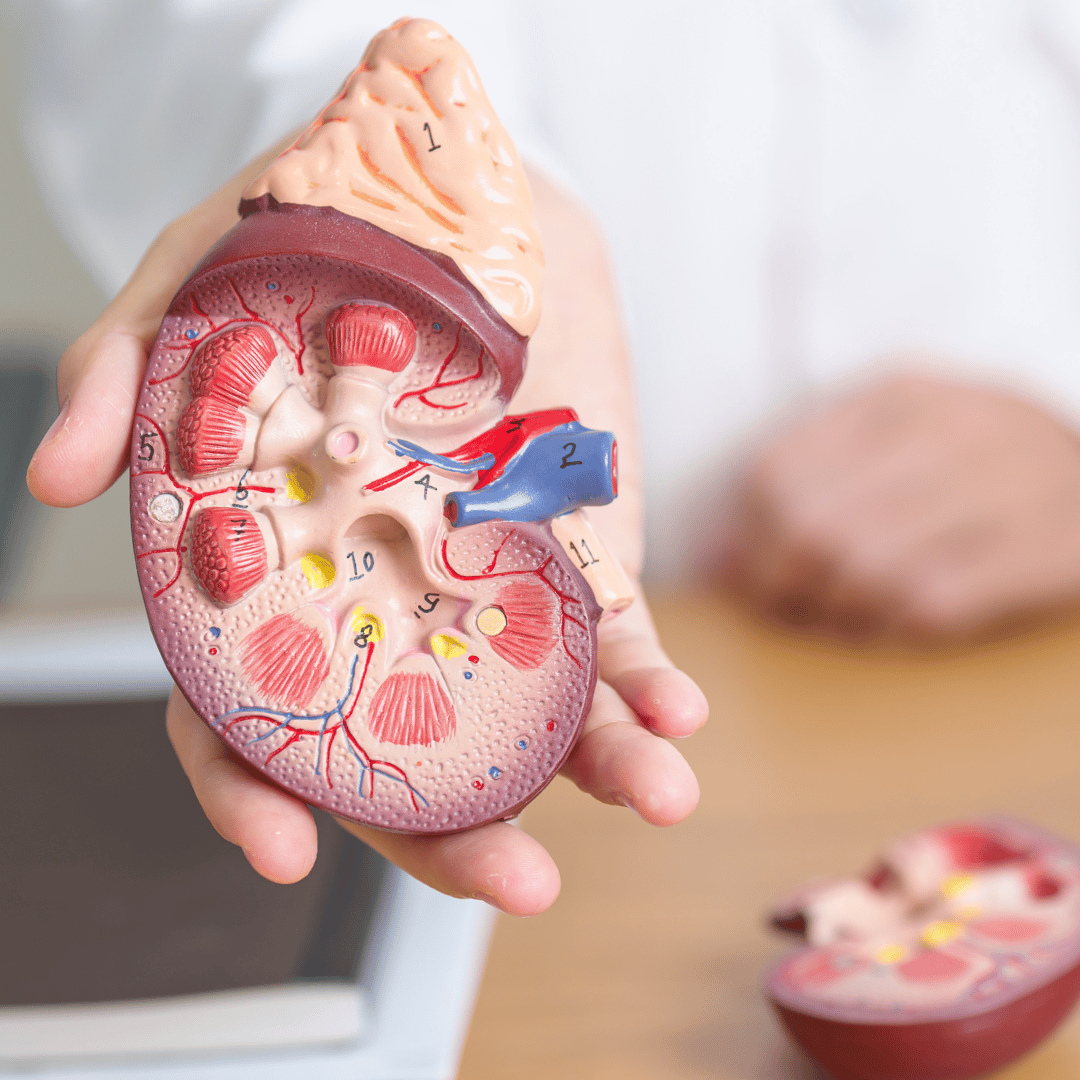
Price starting from $19,700
Kidney Transplant in Istanbul, Turkey by Okan University Hospital
Istanbul Okan University Hospital
- Organ Transplant
Istanbul, Turkey
Price starting from $75,000
Liver Transplant Package in Ankara Turkey
Guven Hospital
- Organ Transplant
Ankara, Turkey
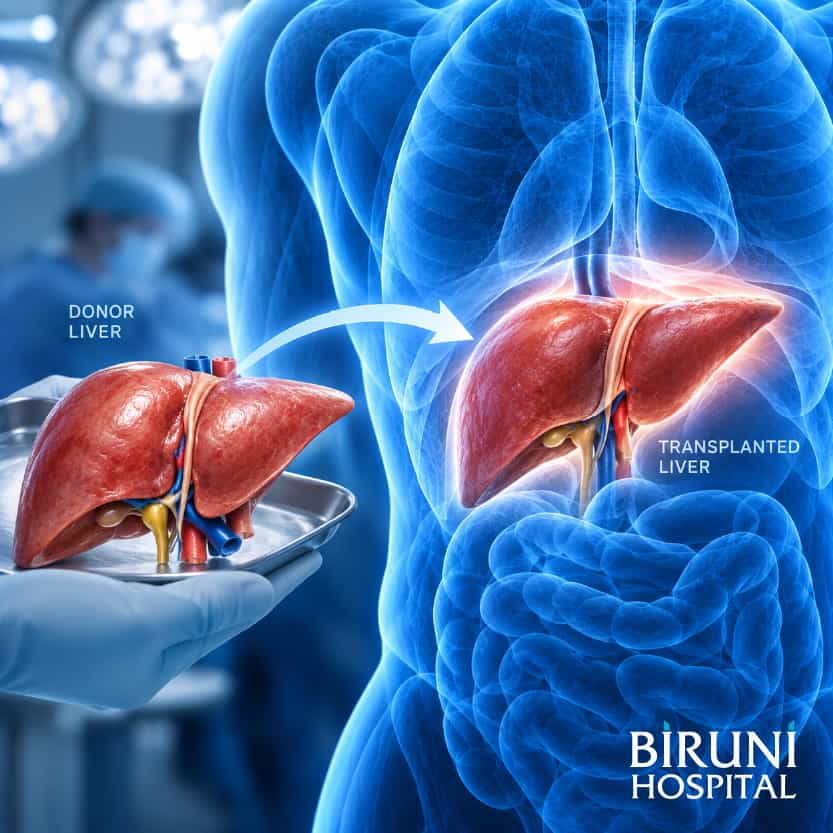
Price starting from $42,000
Liver Transplant Package in Istanbul Turkey by Biruni Hospital
Biruni Hospital in Istanbul Turkey
- Organ Transplant
Istanbul, Turkey
Price starting from $20,000
Kidney Transplant in Istanbul, Turkey by Memorial Hospital Group
Memorial Hospital Group
- Organ Transplant
Istanbul, Turkey
Organ Transplant Solutions Near You: Explore Top Medical Centers
Discover how Organ Transplant is transforming lives at leading medical centers in , Turkey. Dive into center profile, specialties, doctors, reviews, etc. and explore the best options tailored to your needs in this region.

Baskent University Istanbul Hospital
Istanbul, Turkey

ACIBADEM Bayındır Hospital
Istanbul,Ankara, Turkey

Biruni Hospital in Istanbul Turkey
Istanbul, Turkey

Istanbul Okan University Hospital
Istanbul, Turkey
Transformative Organ Transplant Experiences: Dive into Procedure Insights
Discover the power of Organ Transplant through compelling patient experiences. Uncover detailed insights into procedures, recovery journeys, and life-changing results.

Price starting from $150,000
Liver Transplant in Saudi Arabia
- Liver Transplant, Organ Transplant
Saudi Arabia

Price starting from $20,000
Kidney Transplantation in Istanbul, Turkey
- Kidney Transplant, Organ Transplant
Istanbul, Turkey

Price starting from $60,000
Liver Transplant in Istanbul, Turkey
- Liver Transplant, Organ Transplant
Istanbul, Turkey

Price starting from $18,000
Kidney Transplant in Turkey - Improve Your Kidney Function
- Kidney Transplant, Organ Transplant
Turkey
Explore Organ Transplant: Stories, Testimonials, and Procedures
Watch in-depth videos covering everything from Organ Transplant success stories to detailed procedure explanations. Learn what to expect and hear from real patients.

Renewed Hope for Life: Understanding Liver Transplant Surgery in Turkey
Organ Transplant
International Multispecialty Hospital in Istanbul, Turkey
Turkey

A Shadow Over Paradise: Unveiling the Dark Side of Medical Tourism in Turkey
Organ Transplant
PlacidWay Turkey Medical Tourism
Turkey

Healing Across Borders: A Liver Transplant Story from Iraq to Türkiye
Organ Transplant
Lokman Hekim Health Group - Multispecialty Hospital in Istanbul
Turkey
Medical Tourism in Istanbul, Turkey – Transforming Lives with Expert Healthcare
Organ Transplant
International Multispecialty Hospital in Istanbul, Turkey
Turkey
Learn More with These Organ Transplant Articles
Take a look at these interesting articles, stories and research that will help you learn more about Organ Transplant.

Liver Transplant - Kidney Transplant in Izmir, Turkey at Kent Hospital
Kent Hospital
- Organ Transplant
Turkey

Planning Your Kidney Transplant in Istanbul: Costs, Donor Rules, and Hospital Safety Guide
PlacidWay Medical Tourism
- Organ Transplant
Turkey
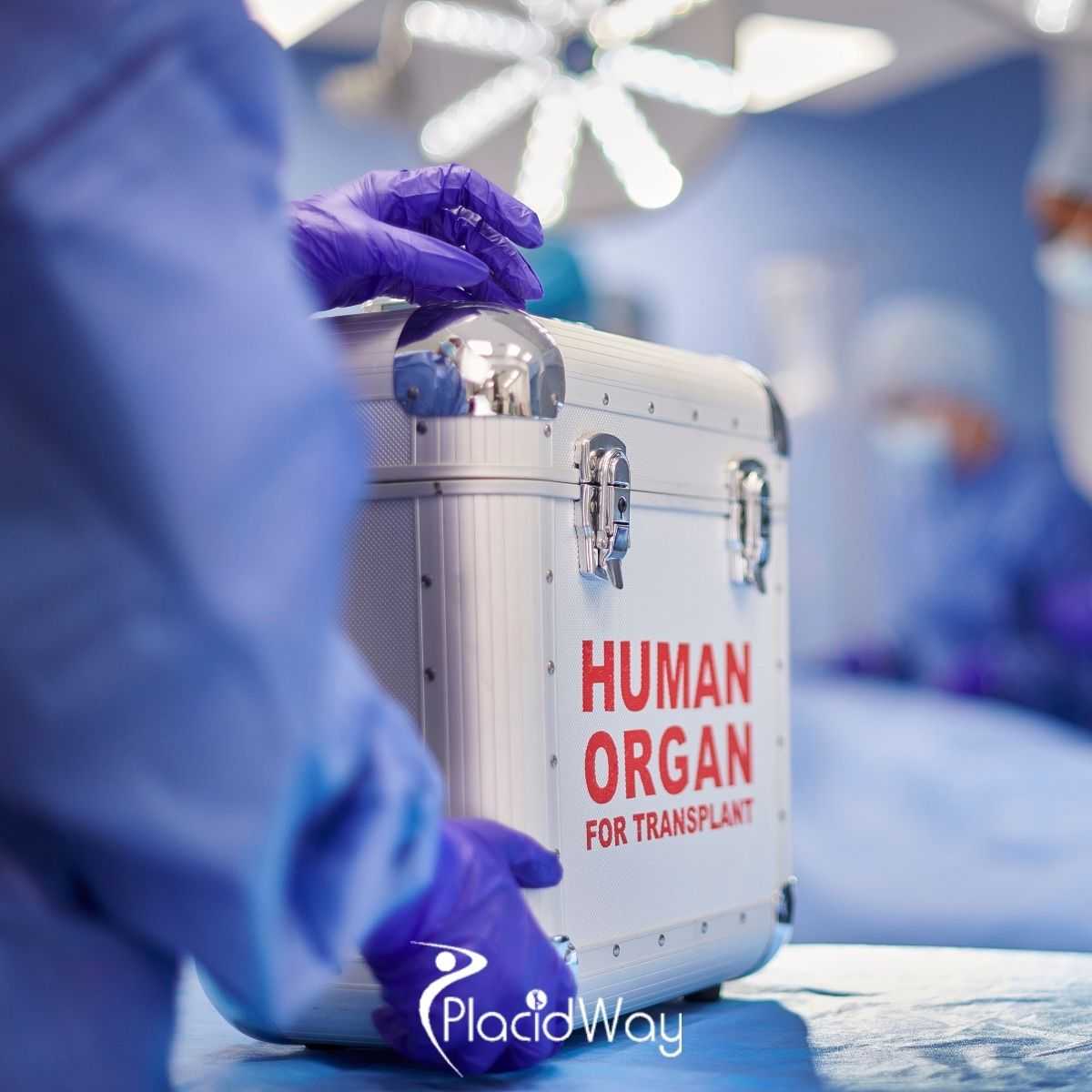
Navigating Organ Transplant in Istanbul, Turkey: Legalities, Costs, and Patient Safety
Memorial Hizmet Hospital | Turkish Hospitals
- Organ Transplant
Turkey