What treatment


20+ Key FAQs on Cosmetic/Plastic Surgery in Philippines
Questions About Cosmetic/Plastic Surgery in Philippines? Start Here
Trusted Medical Tourism Platform Since 2007
.png)
What is the cost of Vaginoplasty in San Juan, Philippines?
The cost of Vaginoplasty in San Juan, Philippines typically ranges from $2,500 to $4,500, offering tremendous savings over Western prices. It is a highly safe procedure when performed by expert, board-certified surgeons in internationally accredited medical facilities. Key Takeaways Affordable Excellence: Achieve optimal surgical outcomes at a fraction of the cost found in North America or Europe. Expert Surgeons: Access to globally trained, English-speaking specialists prioritizing patient safety and aesthetic precision. Advanced Facilities: Procedures are conducted in state-of-the-art clinics adhering strictly to international hygiene and clinical standards. Comprehensive Care: A holistic approach to patient recovery that emphasizes privacy, comfort, and transparent communication. Desirable Location: San Juan offers a highly accessible, secure, and comfortable urban environment for post-operative recovery. What is the average Vaginoplasty cost in Philippines, specifically San Juan? Patients can expect the Vaginoplasty cost in Philippines to range between $2,500 and $4,500 in San Juan. This transparent pricing usually encompasses surgical fees, facility use, anesthesia, and essential post-operative consultations. Understanding the financial commitment is one of the primary steps for international patients considering reconstructive or cosmetic gynecology. The Vaginoplasty cost in Philippines is remarkably competitive, largely due to the lower cost of living and favorable currency exchange rates, rather than any compromise in medical quality. In San Juan, a premier city within Metro Manila, healthcare facilities provide luxury and cutting-edge technology at prices that are accessible to a global patient base. The quoted packages in San Juan clinics are typically comprehensive. When you receive a cost estimate, it generally includes the surgeon's professional fee, the anesthesiologist's fee, operating room charges, and standard medical supplies used during the procedure. This bundled approach to pricing ensures that international patients are not met with unexpected hidden fees upon their arrival or discharge, allowing for precise and stress-free financial planning. To highlight the profound financial advantage, one only needs to compare the prices in San Juan with those in other major Western countries. Even when factoring in the cost of flights and temporary accommodations for the recovery period, patients often save thousands of dollars while receiving care that rivals or exceeds the standards of their home countries. Country / Location Estimated Cost Range (USD) San Juan, Philippines $2,500 - $4,500 United States $8,000 - $12,000 United Kingdom $7,500 - $10,000 Australia $7,000 - $9,500 Expert Insight Prior to traveling, many international surgeons recommend that patients begin a routine of Kegel exercises. Strengthening the pelvic floor muscles before undergoing Vaginoplasty can significantly enhance post-operative tissue tone and expedite the overall recovery process. Why is San Juan, Philippines a top choice for Vaginoplasty? San Juan stands out for its blend of world-class healthcare, highly experienced English-speaking surgeons, and an advanced infrastructure dedicated to international patients seeking absolute privacy and clinical excellence. Elite Medical Infrastructure: San Juan is situated in the heart of Metro Manila, boasting some of the most technologically advanced and luxurious private hospitals in Southeast Asia, ensuring a pristine surgical environment. English Language Proficiency: Communication barriers are virtually non-existent. The Philippines is one of the largest English-speaking nations globally, ensuring that patients can seamlessly convey their medical histories, concerns, and aesthetic goals to their surgeons. Unparalleled Cultural Hospitality: Filipino healthcare workers are globally renowned for their empathy, warmth, and attentive bedside manner, which deeply comforts patients navigating the vulnerability of traveling abroad for surgery. Strict Patient Privacy Protocols: Facilities in San Juan catering to medical tourists implement rigorous confidentiality protocols, ensuring that your medical records and presence in the clinic remain strictly private. Strategic Urban Convenience: As a highly developed city, San Juan offers access to premium recovery environments, pharmacies, and urban conveniences, making the post-operative healing phase as comfortable and stress-free as possible. What does the Vaginoplasty procedure entail for international patients? Vaginoplasty is a precise surgical procedure designed to tighten the vaginal canal and surrounding tissues. For international patients, the process involves thorough virtual consultations, expert surgical execution, and closely monitored post-operative recovery. The journey for Vaginoplasty in Philippines begins long before the patient boards a flight. Reputable clinics facilitate comprehensive virtual consultations to assess the patient's medical history, current anatomy, and desired outcomes. During this phase, the surgeon will explain the surgical technique, which typically involves bringing together separated pelvic floor muscles (often stretched due to childbirth or aging) and removing excess vaginal mucosal tissue to restore a tighter, more youthful vaginal canal. Upon arrival in San Juan, the patient undergoes a rigorous in-person preoperative evaluation. This includes standard blood tests, electrocardiograms (ECGs), and an anatomical examination to ensure the patient is physically fit for surgery. The procedure itself usually takes one to two hours and is performed under either general anesthesia or local anesthesia combined with deep intravenous sedation, ensuring the patient experiences absolutely no pain during the operation. Following the surgery, patients are gently transitioned into a specialized recovery bay where nurses monitor vital signs as the anesthesia wears off. Because Vaginoplasty is generally an outpatient procedure, patients can usually return to their comfortable recovery accommodations within a few hours, equipped with detailed aftercare instructions, prescribed pain management medications, and a direct line of communication to their surgical team. Did You Know? The Philippines has become a premier hub for cosmetic gynecology in Asia over the last decade. The integration of advanced Western surgical techniques with traditional Eastern hospitality has created a unique, highly sought-after medical tourism environment. How do I select the right Vaginoplasty clinic in Philippines? Choosing the ideal Vaginoplasty clinic in Philippines involves verifying international hospital accreditations, reviewing the surgeon's specialized credentials, and assessing patient testimonials to ensure uncompromising safety standards. Verify Clinic Accreditations: Ensure the facility holds recognitions from authoritative bodies such as the Joint Commission International (JCI) or the Philippine Department of Health, which guarantees adherence to strict safety and hygiene protocols. Examine Surgeon Credentials: The operating surgeon should be board-certified by recognized institutions, such as the Philippine Association of Plastic, Reconstructive and Aesthetic Surgeons (PAPRAS), and ideally hold memberships in international cosmetic gynecology societies. Request Portfolio Evidence: Ask to review anonymized before-and-after photographs of previous Vaginoplasty patients to evaluate the surgeon's aesthetic capability and consistency in delivering quality results. Assess Communication Quality: A reputable clinic will respond promptly, clearly, and thoroughly to your inquiries. Transparent communication regarding risks, costs, and recovery protocols is a hallmark of a trustworthy medical provider. Read Patient Testimonials: Seek out independent reviews and testimonials from other international patients. Their first-hand experiences regarding the clinic's environment, the staff's professionalism, and the post-operative support can provide invaluable insights. What is the expected recovery timeline after Vaginoplasty in San Juan? Initial recovery takes about one to two weeks, during which patients should rest and avoid strenuous activities. Full tissue healing and the safe resumption of sexual intercourse generally require six to eight weeks of pelvic rest. The first few days following Vaginoplasty are characterized by mild to moderate discomfort, swelling, and localized bruising. Patients are prescribed a regimen of oral antibiotics to prevent infection and analgesics to effectively manage pain. During this initial 72-hour window, it is crucial to prioritize bed rest, apply physician-approved cold compresses to mitigate swelling, and maintain impeccable hygiene around the surgical site to foster a safe healing environment. Between weeks two and four, the vast majority of the swelling will subside, and the absorbable sutures used during the procedure will begin to dissolve naturally. Patients can usually return to desk-based work and engage in light, low-impact walking to promote healthy blood circulation. However, strict adherence to pelvic rest is mandatory—this means absolutely no heavy lifting, intense cardiovascular exercise, swimming, or soaking in bathtubs. The final phase of recovery spans weeks six to eight. At this juncture, the internal tissues have achieved a significant degree of tensile strength. Once cleared by the surgical team through a virtual or in-person follow-up, patients can safely resume sexual intercourse and use tampons. While the structural healing is complete, the internal tissues will continue to soften and settle into their final, natural state over the subsequent months. Are there risks associated with traveling for Vaginoplasty in Philippines? While Vaginoplasty is generally safe, traveling for surgery introduces specific risks like deep vein thrombosis (DVT) if flying too soon. Proper logistical planning and strict adherence to medical clearance guidelines effectively mitigate these concerns. Every surgical procedure, regardless of geographical location, carries inherent baseline risks such as bleeding, infection, adverse reactions to anesthesia, and delayed wound healing. Reputable clinics in San Juan utilize advanced surgical techniques and stringent pre-operative screenings to minimize these standard risks. Patients are closely monitored, and post-operative hygiene protocols are heavily emphasized to ensure the surgical site remains clean and free of pathogens. When integrating international travel into the surgical experience, a unique set of variables must be considered. The most significant concern is Deep Vein Thrombosis (DVT), a condition where blood clots form in deep veins, often exacerbated by prolonged immobility during long-haul flights shortly after surgery. To counter this, surgeons strongly advise against flying immediately after the procedure, mandating a safe recovery buffer period. To ensure maximum safety, medical tourists are typically required to stay in San Juan for a minimum of 7 to 10 days post-surgery. This vital window allows the medical team to conduct necessary follow-up examinations, verify that the initial healing phase is progressing without complications, and officially clear the patient for air travel. Patients are also encouraged to stay hydrated and take brief walks down the airplane aisle during their return flight to maintain healthy circulation. Expert Insight Many women opt to combine Vaginoplasty with Labiaplasty—a combination frequently sought out as part of a comprehensive "Mommy Makeover." Performing these simultaneously reduces overall recovery time and limits the patient's exposure to anesthesia compared to undergoing two separate operations. How does medical tourism in Philippines ensure patient safety and quality? The expanding sector of medical tourism in Philippines is heavily regulated by government health departments and international accrediting bodies, ensuring that foreign patients consistently receive world-class, highly ethical care. Government Oversight: The Philippine Department of Health (DOH) closely monitors private medical facilities, ensuring they comply with stringent national standards for medical safety, equipment sterilization, and ethical patient care. International Patient Departments: Top-tier hospitals feature specialized departments dedicated solely to managing the unique logistical, cultural, and medical needs of international patients, ensuring a seamless experience from arrival to departure. Continuous Medical Education: Philippine surgeons frequently participate in international fellowships, medical symposiums, and continuous education programs, ensuring their surgical techniques remain at the cutting edge of global medical advancements. Rigorous Hygiene Standards: Facilities catering to international medical tourists invest heavily in advanced sterilization equipment, HEPA-filtered operating theaters, and strict infection control protocols to guarantee pristine surgical environments. Transparent Clinical Practices: The industry relies heavily on reputation; therefore, top clinics prioritize total transparency regarding surgical outcomes, potential risks, and financial costs, fostering deep trust with the global patient community. What are the long-term benefits of undergoing Vaginoplasty? Beyond physical tightening, Vaginoplasty offers profound long-term benefits including restored sexual satisfaction, improved structural pelvic support, and a significant, enduring boost in self-confidence and intimate well-being. The primary physical benefit of Vaginoplasty is the restoration of vaginal muscle tone. Over time, factors such as childbirth, natural aging, and hormonal fluctuations can lead to vaginal laxity. By surgically tightening the separated levator ani muscles and removing excess mucosal tissue, the internal diameter of the vagina is effectively reduced. This results in increased friction during intimate intercourse, which drastically enhances physical sensation and sexual gratification for both the patient and her partner. Furthermore, the procedure offers structural advantages that extend beyond aesthetics and intimacy. The tightening of the pelvic floor muscles provides better support to internal pelvic organs. While Vaginoplasty is not a primary treatment for severe medical conditions like pelvic organ prolapse or severe urinary incontinence, the improved muscle architecture can offer symptomatic relief and prevent the exacerbation of mild pelvic floor weaknesses over the long term. Psychologically, the impact of a successful Vaginoplasty is immensely powerful. Many women who suffer from vaginal laxity experience profound self-consciousness, decreased libido, and anxiety regarding intimate relationships. By addressing these physical concerns, the procedure empowers women to reclaim their body image. The resulting surge in self-esteem and the elimination of intimate insecurities contribute significantly to a vastly improved overall quality of life. Why Choose PlacidWay for Vaginoplasty in San Juan, Philippines? PlacidWay empowers international patients by connecting them with extensively vetted, top-tier medical facilities and elite surgeons in San Juan, ensuring a safe, highly transparent, and seamlessly coordinated healthcare experience. Rigorous Provider Vetting: PlacidWay maintains a strict evaluation process, partnering exclusively with board-certified surgeons and internationally accredited medical facilities to guarantee the highest standards of clinical care. Transparent Cost Estimation: Patients receive highly detailed, absolutely free quotes upfront, eliminating the stress of hidden fees and allowing for precise financial planning for their medical journey. Direct Medical Communication: The platform facilitates seamless, direct communication between the patient and the prospective medical team, ensuring all clinical questions and aesthetic goals are thoroughly addressed prior to commitment. Unwavering Focus on Safety: Patient safety and privacy are held paramount. PlacidWay ensures that partner clinics enforce strict confidentiality agreements and adhere to global medical safety protocols. Access to Tailored Care: PlacidWay connects patients with comprehensive, specialized medical packages designed specifically for international medical tourists seeking reconstructive gynecology. Frequently Asked Questions (FAQs) 1. What is the general success rate of Vaginoplasty procedures? Vaginoplasty has a very high success rate, particularly when performed by board-certified specialists. Most patients report significant improvements in vaginal tightness, enhanced sexual satisfaction, and an overall boost in self-confidence, with complication rates remaining remarkably low when proper post-operative care is followed meticulously. 2. How long does the actual Vaginoplasty surgery take to perform? The surgical procedure typically takes between one to two hours to complete. However, the exact duration depends on the complexity of the patient's anatomical needs, the extent of muscle tightening required, and whether additional reconstructive or cosmetic enhancements are being performed concurrently during the same operation. 3. Will I lose physical sensation after undergoing a Vaginoplasty? No, a properly performed Vaginoplasty should not cause a loss of sensation. In fact, by tightening the vaginal muscles and reducing excess, stretched tissue, the vast majority of patients experience increased friction and significantly enhanced sexual sensation for both themselves and their intimate partners. 4. Is Vaginoplasty typically performed under general anesthesia? Vaginoplasty can be safely performed under general anesthesia or local anesthesia paired with deep intravenous sedation. The specific choice depends heavily on the surgeon's clinical recommendation, the patient's comprehensive medical history, and the overall extent of the surgical reconstruction required to achieve the desired results. 5. When can I safely resume my normal exercise routine after surgery? Patients are generally advised to wait at least four to six weeks before resuming any strenuous exercises, heavy lifting at the gym, or high-impact cardiovascular workouts. Returning to these activities too quickly can place dangerous strain on the healing pelvic floor muscles and compromise the surgical incisions. 6. Can Vaginoplasty be combined with other cosmetic procedures? Yes, it is exceedingly common for surgeons to combine Vaginoplasty with other complementary procedures such as Labiaplasty, clitoral hood reduction, or perineoplasty. This surgical combination is often marketed as comprehensive vaginal rejuvenation or is included as an essential component of a transformative mommy makeover package. 7. What are the common signs of infection to watch for after Vaginoplasty? Patients must vigilantly monitor for symptoms such as severe or progressively worsening pain, excessive or abnormal swelling, foul-smelling discharge, increasing redness around the surgical site, or a systemic fever exceeding 100.4°F (38°C). The emergence of any of these symptoms requires immediate medical evaluation by your healthcare provider. 8. Will a Vaginoplasty procedure leave highly visible scars? Because the surgical incisions are strategically made entirely inside the vaginal canal or carefully hidden along natural anatomical folds, scarring is completely hidden from external view. Furthermore, vaginal tissue heals exceptionally well, rendering internal scars virtually undetectable once the tissues have fully matured and healed. 9. How soon can I fly back home after having Vaginoplasty in San Juan? International patients are typically advised to stay in the city for a mandatory minimum of 7 to 10 days post-surgery. This vital period allows the medical team to effectively monitor the critical initial healing phase, remove any necessary non-dissolvable sutures, and officially clear the patient for safe, complication-free air travel. 10. Do I need to wear special post-operative garments after Vaginoplasty? Unlike liposuction, abdominal surgeries, or breast augmentations, Vaginoplasty does not usually require the use of external compression garments. However, patients will be strongly advised to wear loose, highly breathable cotton underwear and utilize specific sanitary pads to manage the mild, expected post-operative spotting. Ready to Begin Your Medical Journey? Trust PlacidWay's rigorous vetting process to connect you with premier, board-certified surgeons and internationally accredited clinics in San Juan, Philippines. Take the first step toward confidence and well-being today. Get Your Free Quote...
Read more details

How much does Labiaplasty cost in San Juan, Philippines?
The average Labiaplasty cost in San Juan typically ranges from $1,200 to $2,500 USD. This price varies based on the surgeon expertise, the complexity of the procedure, and the specific Labiaplasty clinic in San Juan you choose. Key Takeaways: Intimate Aesthetic Surgery Cost Efficiency: Patients save up to sixty percent compared to healthcare systems in North America or Europe. Expert Care: The region features highly trained, board-certified cosmetic gynecologists. Privacy Focus: Facilities prioritize absolute patient confidentiality and discreet recovery protocols. Modern Technology: Access to advanced laser techniques that minimize bleeding and accelerate healing. Ideal Destination: Metro Manila provides luxury accommodations perfect for a comfortable recuperation period. What exactly is included in the Labiaplasty cost in San Juan? The initial quoted price generally covers the surgeon fees, operating room use, and standard anesthesia. Patients should expect a comprehensive package that handles the core medical necessities for the surgery. Comprehensive pre-operative consultations to discuss your aesthetic goals and review your medical history. The professional fee for the board-certified plastic surgeon or specialized cosmetic gynecologist performing the alteration. Compensation for the anesthesiologist and the cost of the sedation medications used to keep you comfortable. Fees associated with utilizing a fully equipped, sterile operating theater within an accredited medical facility. Basic post-operative medical supplies provided on the day of surgery, such as specialized sanitary pads and initial compression garments. Scheduled follow-up appointments during your stay to monitor the healing process and remove any non-dissolvable sutures. Why is medical tourism in San Juan popular for cosmetic gynecology? San Juan blends exceptional healthcare quality with highly competitive pricing for international patients. The city is a premier destination offering modern medical infrastructure and highly trained specialists. The rise of medical tourism in San Juan is largely driven by the exceptional standard of medical education in the country. Many local surgeons complete fellowships and advanced training programs in the United States, Europe, or South Korea. This international exposure ensures they are well-versed in the latest surgical innovations and aesthetic trends, allowing them to deliver results that meet or exceed global standards. Another major factor contributing to the popularity of medical tourism in the Philippines is the widespread English proficiency among healthcare professionals. From the front desk receptionists to the lead surgeons, clear communication is guaranteed. This eliminates the stressful language barriers often experienced in other Asian medical hubs, ensuring you fully understand your treatment plan and postoperative care instructions. Furthermore, the cultural emphasis on hospitality makes the recovery process significantly more pleasant. International patients receive deeply empathetic and attentive care. The surrounding Metro Manila area also offers a plethora of luxury boutique hotels and serviced apartments at very affordable rates, providing a serene, private, and comfortable environment for you to rest and heal away from the prying eyes of your local community. Did You Know? The medical tourism sector in this region is heavily supported by government initiatives aimed at maintaining world-class healthcare standards, making it one of the safest and most reliable destinations for elective cosmetic surgeries in Southeast Asia. How do I choose the best Labiaplasty clinic in San Juan? Selecting the right facility requires researching board certifications, international accreditations, and patient reviews. Prioritizing safety over the lowest price is essential for a successful outcome. Always verify that the head surgeon is officially certified by recognized national medical boards, specifically in plastic surgery or obstetrics and gynecology. Look for facilities that boast international healthcare accreditations, which guarantee stringent hygiene and emergency response protocols. Request to view extensive portfolios of before and after photographs to evaluate the aesthetic style and consistency of the surgeons work. Inquire specifically about their infection control measures and the type of sterilization equipment utilized in their operating theaters. Evaluate the responsiveness and professionalism of their international patient department during your initial email or virtual consultations. Read independent reviews from previous medical tourists to gauge the level of aftercare and overall patient satisfaction provided by the medical staff. What surgical techniques are used for Labiaplasty in San Juan? Surgeons in the Philippines primarily utilize the trim method and the wedge resection technique, often aided by advanced laser technology. The choice depends on the patient anatomical needs and aesthetic goals. The trim method is one of the most straightforward and commonly requested techniques. During this procedure, the surgeon carefully removes the excess tissue along the outer edge of the labia minora. This approach is highly effective for patients who have significant elongation or hyperpigmentation on the outer edges and desire a smooth, uniform appearance. It is known for having a relatively straightforward recovery trajectory. Alternatively, the wedge resection method involves removing a V-shaped piece of tissue from the thickest central part of the labia, followed by stitching the remaining edges together. This technique is highly favored because it preserves the natural, original edge of the labia. It tends to yield a more natural-looking outcome, although it requires a highly skilled surgeon to ensure the tissue heals seamlessly without noticeable scarring. Many top-tier facilities now incorporate cutting-edge laser technology rather than traditional scalpels. Laser excision cauterizes blood vessels instantly as it cuts, which dramatically minimizes intraoperative bleeding and postoperative bruising. Patients opting for laser-assisted techniques generally report less swelling and a faster return to their normal daily activities, making it a highly requested option among international travelers. How long is the recovery period after undergoing Labiaplasty in the Philippines? Initial healing takes about one to two weeks, while full recovery allowing for strenuous activities requires four to six weeks. Proper rest during the first few days is absolutely critical for optimal healing. Days one through three require strict bed rest, intermittent application of cold compresses, and keeping the pelvic area slightly elevated. By days four through seven, patients can typically engage in light walking around their accommodation and transition back to remote desk work if necessary. During weeks two and three, the initial swelling subsides significantly, though you must still avoid wearing tight jeans, thongs, or restrictive garments. Weeks four through six mark the critical phase where sutures fully dissolve and the surgeon may clear you to resume vigorous cardiovascular exercises. Abstaining from sexual intercourse, using tampons, or soaking in bathtubs is strictly mandated for a full six weeks to prevent severe infections or wound separation. While functional recovery is relatively quick, complete tissue softening and the final settling of the aesthetic result can take up to six full months. Are there any hidden fees associated with the Labiaplasty cost in San Juan? While packages are often comprehensive, patients should budget for unexpected expenses like extended hotel stays or additional lab tests. Clarifying every line item during consultation prevents financial surprises. A primary source of unexpected expenses involves specialized pre-operative medical clearances. If you have pre-existing health conditions like hypertension or a history of bleeding disorders, the anesthesiologist may mandate additional blood panels or cardiological evaluations. These tests are vital for your safety but are rarely included in the basic promotional surgical packages advertised online. Post-operative care items also contribute to incremental costs. Once discharged, you will need to purchase specific prescription medications, including broad-spectrum antibiotics and clinical-grade painkillers from a local pharmacy. You may also need to buy extra supplies such as soothing sitz bath solutions, hypoallergenic sanitary pads, and specialized healing ointments recommended by your surgical team. Finally, travel logistics must be factored into your total budget. Changes to your recovery timeline could necessitate extending your hotel reservation or altering your international flight dates, which often incurs airline penalty fees. Utilizing an experienced medical tourism facilitator helps mitigate these risks by negotiating all-inclusive medical packages that bundle necessary contingencies into one transparent upfront payment. Is it safe to undergo Labiaplasty in San Juan as an international patient? Yes, undergoing cosmetic procedures in this city is highly safe when selecting accredited medical facilities and board-certified surgeons. The region strictly follows international healthcare standards and protocols. Safety is the paramount concern for any individual traveling abroad for surgery. In Metro Manila, the cosmetic surgery industry is strictly regulated by the national Department of Health. High-end private clinics invest heavily in state-of-the-art diagnostic and surgical equipment, ensuring that their operating theaters match or exceed the technical capabilities found in Western hospitals. This infrastructural excellence drastically reduces the risk of intraoperative complications. Furthermore, the medical professionals managing your care are exceptionally qualified. The top-tier surgeons frequently update their skills by attending international symposiums on aesthetic gynecology. They adhere to rigorous, evidence-based surgical protocols and conduct exhaustive pre-operative health screenings. If a patient presents with risk factors that could compromise safety, ethical doctors in the region will refuse to operate until those health issues are resolved. Patient safety also relies heavily on strict compliance with aftercare instructions. The best clinics provide comprehensive, written post-operative guides in English and offer round-the-clock digital communication channels via messaging apps. This ensures that if you experience any unexpected pain or bleeding while resting at your hotel, you can immediately contact a registered nurse or your surgeon for rapid medical intervention. Expert Insight Selecting an accredited facility is your strongest defense against complications. Do not be swayed solely by heavily discounted social media advertisements. Always demand to see official clinic credentials and verify the surgeons standing with the local plastic surgery governing bodies before transferring any deposits. Can I combine other procedures with Labiaplasty in San Juan? Many patients choose to bundle their intimate surgery with other cosmetic procedures like liposuction or breast augmentation. This approach minimizes overall downtime and maximizes the value of the medical trip. Intimate aesthetic alterations are frequently included as the final step in comprehensive Mommy Makeover packages tailored for postpartum women. Patients often combine this surgery with a clitoral hood reduction or vaginoplasty to achieve complete cosmetic and functional rejuvenation in one session. Bundling multiple procedures is financially advantageous because you only pay the anesthesiologist and operating room facility fees once. Combining surgeries means enduring only a single recovery period, allowing you to return to your normal life faster than if spaced out over years. Be aware that extensive combined surgeries necessitate longer initial pre-operative medical clearances to ensure your body can handle prolonged anesthesia. Your overall recovery timeline and physical restrictions will always be dictated by the most invasive procedure performed during the combined surgical session. Why Choose PlacidWay for booking my Labiaplasty in San Juan? PlacidWay provides a secure, transparent, and highly supportive platform for connecting patients with top-tier global healthcare providers. We prioritize your health, safety, and overall satisfaction throughout your journey. Strict Provider Vetting: We exclusively partner with medically vetted, internationally accredited facilities that consistently maintain flawless safety records and uphold the highest global standards. Transparent Pricing Models: We provide comprehensive cost breakdowns up front to ensure you receive exceptional medical value and help you completely avoid unexpected clinical fees upon arrival. Verified Patient Reviews: Our digital platform grants you direct access to authentic testimonials and detailed background credentials for specialized surgeons operating globally. Dedicated Care Coordination: We assign highly trained patient coordinators to bridge any communication gaps between you and the local medical staff, ensuring your unique needs are always understood. Facilitated Telemedicine Consultations: We seamlessly arrange secure virtual meetings, allowing you to discuss your aesthetic goals directly with your chosen surgeon before making any financial commitments. Frequently Asked Questions About Intimate Aesthetic Surgery What is the minimum age requirement for vaginal rejuvenation surgery in the Philippines? Patients must be at least eighteen years old to undergo elective cosmetic gynecology procedures in the Philippines. Surgeons require patients to be legally recognized adults who can provide informed consent independently. In very rare cases involving severe physical discomfort or medical necessity, a younger patient might be considered, but this strictly requires comprehensive parental consent and extensive psychological evaluation by local medical boards. Will insurance cover my vaginal aesthetic surgery in San Juan? Because this procedure is primarily classified as an elective cosmetic enhancement, standard health insurance policies rarely cover the expenses. International medical insurance typically excludes aesthetic treatments abroad. However, if the surgery is deemed a strict medical necessity due to chronic pain, recurrent infections, or functional impairment, some specialized global policies might offer partial reimbursement, though you must verify this directly with your provider before traveling. How soon after childbirth can I undergo this intimate surgery in Metro Manila? Gynecologists and plastic surgeons strongly advise waiting a minimum of six to twelve months after giving birth before scheduling this procedure. This waiting period is critical because hormonal fluctuations affect tissue elasticity and swelling. The pelvic region needs adequate time to heal naturally and return to its baseline anatomy, ensuring the surgeon can achieve accurate and long-lasting aesthetic results. Do surgeons in the Philippines use local or general anesthesia for this procedure? Most specialists in Metro Manila prefer using local anesthesia combined with intravenous sedation for this specific surgery. This approach ensures you remain completely comfortable and pain-free while avoiding the heavier risks and longer grogginess associated with general anesthesia. In more complex cases or when combined with other surgeries like a tummy tuck, general anesthesia will be administered by a board-certified anesthesiologist. Will the surgery affect my sensitivity or intimate experiences later? When performed by a highly skilled and board-certified surgeon, the procedure should not negatively impact your intimate sensitivity. In fact, many patients report enhanced comfort and improved confidence during intimacy because the excess tissue that previously caused friction or pain has been removed. Temporary numbness is expected during the initial healing weeks, but normal sensation almost always returns fully once the nerve endings heal. What should I pack for my medical trip to San Juan for a comfortable recovery? You should pack loose-fitting cotton underwear, maxi skirts, and wide-leg trousers to prevent any friction against the surgical site. Bring unscented, hypoallergenic wet wipes and a peri bottle for gentle cleansing after using the restroom. Since the tropical climate can be warm, breathable fabrics are essential for your comfort while recovering in your hotel room. How long do I need to stay in the Philippines before flying back home? International patients are generally advised to plan a stay of at least ten to fourteen days in the country. This timeframe allows your medical team to conduct the initial consultation, perform the surgery, and complete the crucial postoperative follow-up appointments. Flying too soon can increase the risk of deep vein thrombosis and exacerbate swelling due to cabin pressure, so adequate rest on land is mandatory. What type of pre-operative tests are required before vaginal surgery in San Juan? Standard medical clearance involves a complete blood count, a coagulation profile to check bleeding risks, and an electrocardiogram to monitor heart health. You will also undergo a routine gynecological examination to rule out any active local infections like bacterial vaginosis or yeast infections. These tests are strictly mandated by local health authorities to guarantee you are in optimal health for surgery. Are the surgical facilities in Metro Manila internationally accredited? Yes, many of the premier medical centers and specialized ambulatory surgical suites in this region hold prestigious international accreditations such as the Joint Commission International. These accreditations signify that the facilities adhere strictly to global standards regarding infection control, patient safety protocols, and advanced medical equipment maintenance, providing peace of mind for international medical tourists. How do I manage postoperative swelling while recovering in my hotel room? Managing swelling involves applying cold compresses wrapped in a clean cloth to the surgical area for twenty minutes at a time during the first forty-eight hours. Elevating your pelvis slightly while resting in bed also helps promote proper fluid drainage. Your surgeon will prescribe specific anti-inflammatory medications, and it is crucial to stay hydrated while avoiding salty foods that can cause water retention in the tropical heat. Start Your Transformation Journey in the Philippines Today Do not leave your health and safety to chance. PlacidWay connects you directly with top-rated, strictly vetted specialists in Metro Manila. Obtain a comprehensive treatment plan and unlock exclusive medical packages tailored entirely to your unique aesthetic goals. Get Your Free Quote...
Read more details
What is the Average Price of Rhinoplasty in Philippines?
Are you considering nose surgery in the Philippines? This article will guide you through the cost and options available, helping you make an informed decision. The Philippines has become a popular destination for medical tourism, and its reputation for excellent healthcare services at an affordable price is a key factor. When it comes to nose surgery, also known as rhinoplasty, the Philippines offers a range of options to suit various budgets and preferences. Whether you are looking for a subtle enhancement or a more significant transformation, there are skilled surgeons and state-of-the-art clinics that can cater to your needs. The cost of nose surgery in the Philippines is generally significantly lower compared to other countries such as the United States or Australia. However, it's important to keep in mind that the price can vary depending on factors such as the complexity of the procedure, the surgeon's experience, and the location of the clinic. In this article, we will delve into the different types of nose surgery available, provide an overview of the expected costs, and explore the factors to consider when choosing a surgeon. Join us on this informative journey to discover your options for nose surgery in the Philippines. Types of Nose Surgery Procedures Nose surgery, commonly referred to as rhinoplasty, encompasses a variety of procedures aimed at enhancing both the aesthetic appeal and functionality of the nose. One of the most common types is the open rhinoplasty , where incisions are made on the outside of the nose, allowing the surgeon to have a clear view of the underlying structures. This method is particularly beneficial for more complex reshaping or reconstruction cases, as it provides greater access and control over the nasal framework. Patients often opt for open rhinoplasty when they desire significant changes, such as correcting a hump, altering the tip, or addressing breathing difficulties. Another prevalent option is closed rhinoplasty , which involves incisions made within the nostrils. This technique is less invasive than the open approach and typically results in minimal scarring since all incisions are hidden. Closed rhinoplasty is often chosen for less complex procedures where subtle changes are required, such as refining the nasal tip or straightening the bridge. The recovery time for closed rhinoplasty is generally shorter, making it an attractive option for many patients seeking quicker results with less visible evidence of surgery. In addition to these primary techniques, there are specialized forms of nose surgery, such as revision rhinoplasty and ethnic rhinoplasty . Revision rhinoplasty is performed to correct or enhance the results of a previous nasal surgery that may not have met the patient's expectations. This procedure can be more complex due to the changes made during the initial surgery, and it often requires an experienced surgeon. Ethnic rhinoplasty, on the other hand, aims to respect and maintain the unique characteristics of a patient's ethnic background while achieving the desired aesthetic improvements. Surgeons who specialize in ethnic rhinoplasty take into account cultural nuances and individual preferences, ensuring a result that harmonizes with the patient's overall appearance. Benefits of Nose Surgery Undergoing nose surgery can lead to a multitude of benefits beyond mere aesthetic improvements. One of the most significant advantages is the boost in self-esteem and confidence that many patients experience following the procedure. A well-proportioned nose can enhance facial harmony, leading individuals to feel more comfortable in their skin. This newfound confidence can have a cascading effect on various aspects of life, including personal relationships and professional opportunities, as individuals feel more at ease interacting with others. In addition to cosmetic benefits, rhinoplasty can also improve nasal functionality. Many individuals suffer from breathing difficulties due to structural issues within the nose, such as a deviated septum or enlarged turbinates. Surgical intervention can correct these issues, leading to improved airflow and overall respiratory health. Patients often report significant relief from chronic nasal congestion, snoring, and sinus infections following surgery, allowing them to enjoy a better quality of life. This functional aspect of rhinoplasty is particularly essential for individuals who have experienced long-term discomfort or health issues related to their nasal structure. Moreover, nose surgery can provide long-lasting results. With advancements in surgical techniques and technology, patients can expect outcomes that not only enhance their appearance but also stand the test of time. While aging and other factors can affect the nose, the foundational changes made during rhinoplasty can maintain their integrity for many years. This permanence adds to the overall value of the procedure, as patients can enjoy their improved appearance and breathing for a lifetime with proper care and maintenance. Factors to Consider Before Getting a Nose Surgery Before committing to nose surgery, it is crucial to carefully consider several factors to ensure a successful outcome. One of the primary considerations is the motivation behind the surgery . Prospective patients should reflect on their reasons for seeking rhinoplasty, as well as their expectations for the results. It is essential to approach the procedure with realistic goals, understanding that while surgery can enhance appearance, it may not resolve underlying issues related to self-image or personal satisfaction. Consulting with a mental health professional may also be beneficial for individuals who have deep-seated concerns about their appearance. Another important factor is the timing of the surgery . Patients should evaluate their personal and professional commitments before scheduling the procedure. Recovery from rhinoplasty can take several weeks, and it may require time off work or adjustments to daily activities. Ensuring that there is ample time for healing and recuperation will contribute to a smoother recovery process. Additionally, it is advisable to avoid scheduling surgery during periods of high stress or significant life changes, as these can impact overall emotional well-being during recovery. Lastly, individuals should take into account the financial implications of nose surgery. While rhinoplasty in the Philippines is generally more affordable than in many Western countries, costs can still vary significantly based on the surgeon's expertise, the complexity of the procedure, and the clinic's location. It is vital to budget not only for the surgery itself but also for associated expenses, such as pre-operative consultations, anesthesia, and post-operative care. Patients should explore financing options if necessary and ensure they are comfortable with the overall investment before proceeding. The Cost of Nose Surgery in the Philippines One of the most compelling reasons individuals consider nose surgery in the Philippines is the cost. On average, the price of rhinoplasty in the country ranges from $1,500 to $4,000, which is substantially lower than the costs typically found in countries like the United States, where procedures can exceed $10,000. This affordability makes the Philippines an attractive destination for medical tourism, drawing in patients from various parts of the globe. However, it is important to note that the price can fluctuate based on several factors, including the surgeon's experience, the complexity of the procedure, and the specific location of the clinic. When evaluating costs, prospective patients should also consider the type of rhinoplasty they are seeking. Open rhinoplasty tends to be more expensive than closed rhinoplasty due to the increased level of expertise and time required for the procedure. Additionally, revision rhinoplasty can also carry a higher price tag, as it often involves correcting previous surgical work and may require more intricate techniques. Understanding these distinctions can help patients better anticipate their financial commitments. Lastly, while the cost of nose surgery in the Philippines is appealing, it is essential to balance affordability with quality. Patients should conduct thorough research on potential clinics and surgeons, looking at their qualifications, experience, and patient reviews. Choosing the cheapest option may not always lead to the best results, so investing in a qualified and reputable surgeon can ultimately save money and prevent costly revisions down the line. Thus, prospective patients should weigh the costs against the potential outcomes to make an informed decision. Understanding the Different Options for Nose Surgery in the Philippines In the Philippines, a variety of options for nose surgery are available, catering to the diverse needs and preferences of patients. Clinics across the country offer both surgical and non-surgical rhinoplasty options. Non-surgical rhinoplasty, often referred to as liquid rhinoplasty, utilizes dermal fillers to achieve temporary changes in the shape of the nose. This procedure is less invasive and requires no downtime, making it an attractive option for those hesitant about undergoing surgery. While results are not permanent, they can last from six months to two years, providing an opportunity for patients to experiment with their desired look without a significant commitment. For those seeking more lasting results, traditional surgical options remain the most effective. As previously mentioned, open and closed rhinoplasty are the two primary surgical techniques. Additionally, some clinics offer specialized procedures, such as tip plasty , which focuses on reshaping the nasal tip to create a more refined appearance. This targeted approach is often less invasive than full rhinoplasty and can yield excellent results for individuals with minimal concerns about their nasal bridge or overall structure. Furthermore, patients interested in ethnic rhinoplasty will find skilled surgeons in the Philippines who understand the nuances of different ethnic backgrounds. These specialists are adept at preserving cultural features while enhancing the nose's appearance to meet individual preferences. By offering a wide range of options, the Philippines ensures that patients can find a solution tailored to their unique needs and aspirations, whether they seek subtle adjustments or more dramatic transformations. Choosing the Right Surgeon for Your Nose Surgery Selecting the right surgeon is one of the most critical steps in the nose surgery process. A qualified and experienced surgeon can make a significant difference in the outcome of the procedure. It is essential to conduct thorough research on potential candidates, starting with their credentials and board certifications . Look for surgeons who are certified by relevant medical boards and associations, as this indicates a commitment to maintaining high standards of practice. Additionally, consider their experience with rhinoplasty specifically, as a surgeon who specializes in this field will have a deeper understanding of the complexities involved. Another important aspect to evaluate is the surgeon's portfolio of past work . Most reputable surgeons will have before-and-after photos of previous patients, which can provide valuable insight into their skills and aesthetic sensibility. Pay close attention to the results achieved for patients with similar nasal structures and desired outcomes. This will help you gauge whether the surgeon’s style aligns with your vision for your own nose. Moreover, the initial consultation is a crucial opportunity to assess the surgeon’s approach and communication skills. During this meeting, you should feel comfortable discussing your goals, concerns, and any questions you may have. A good surgeon will listen attentively, provide honest feedback, and ensure that you have a clear understanding of the procedure, potential risks, and expected results. Trust and rapport between the patient and surgeon are essential for a successful experience, so take the time to find someone you feel confident working with throughout the process. Preparing for Nose Surgery Preparation for nose surgery is vital to ensure a smooth procedure and recovery. Once you have chosen your surgeon and scheduled the surgery date, the next step is to undergo a pre-operative consultation . During this appointment, your surgeon will provide specific instructions tailored to your individual needs. This may include guidelines on medications to avoid, dietary restrictions, and lifestyle changes to make in the days leading up to surgery. Following these instructions closely can help minimize risks and complications. In addition to medical preparations, it is also beneficial to prepare your home environment for recovery. Stocking up on necessary supplies, such as ice packs, comfortable clothing, and medications prescribed by your surgeon, can make the recovery process more manageable. It’s also wise to arrange for someone to assist you during the initial days post-surgery, as you may experience discomfort and require help with daily tasks. This support can significantly ease the transition back to normalcy after the procedure. Lastly, consider the mental and emotional aspects of preparing for nose surgery. It is natural to feel a mix of excitement and anxiety before undergoing any surgical procedure. Engaging in relaxation techniques, such as deep breathing or meditation, can help alleviate stress and promote a positive mindset. Surrounding yourself with supportive friends or family members can also provide comfort and encouragement during this time. A focused and calm approach to preparation can enhance your overall experience and contribute to a successful outcome. Recovery and Aftercare for Nose Surgery The recovery process following nose surgery is a crucial phase that significantly impacts the final results. Immediately after surgery, patients are typically advised to rest in a comfortable position, keeping their heads elevated to minimize swelling. Swelling and bruising around the eyes and nose are common and may peak within the first few days. Patients should be prepared for some discomfort during this time, but pain management will be provided through prescribed medications. Following the surgeon's post-operative care instructions is essential for promoting healing and achieving the desired outcome. During the initial recovery period, it is vital to avoid strenuous activities and heavy lifting, as these can increase the risk of complications. Most surgeons recommend taking at least a week off from work or school to allow for adequate recovery. Patients should also avoid exposing the surgical site to excessive sunlight, as this can hinder healing and lead to unfavorable scarring. Keeping the surgical area clean and dry, along with attending follow-up appointments, will help ensure that the healing process is on track. As the swelling begins to subside, patients will gradually notice changes in the appearance of their noses. While the final results of rhinoplasty can take several months to fully materialize, many individuals report satisfaction with their new look long before the complete healing process is finished. It is important to remain patient and trust the healing journey. Regular communication with the surgeon during recovery can help address any concerns and ensure that the outcome aligns with the patient's expectations. Is Nose Surgery in the Philippines Right for You? Deciding whether nose surgery in the Philippines is the right option for you involves careful consideration of numerous factors. The appealing cost of procedures, combined with the availability of skilled surgeons and advanced medical facilities, makes the Philippines an attractive destination for those seeking aesthetic improvements. However, it is essential to approach the decision with a clear understanding of your motivations, expectations, and the potential risks involved. Reflecting on the benefits of nose surgery can help clarify whether the procedure aligns with your personal goals. For many, the prospect of improved self-confidence and enhanced facial harmony is a compelling reason to pursue rhinoplasty. However, it is crucial to ensure that these desires stem from a healthy perspective and are not driven solely by external pressures or unrealistic ideals. Ultimately, thorough research, open communication with potential surgeons, and a strong support system can guide you in making an informed decision about nose surgery in the Philippines. By weighing the pros and cons, understanding the available options, and preparing adequately, you can embark on this transformative journey with confidence and excitement, knowing that you are taking steps toward achieving the look you desire....
Read more detailsShare with AI
Share this page with AI assistants to get summaries and insights


Explore Cosmetic Plastic Surgery: Stories, Testimonials, and Procedures
Watch in-depth videos covering everything from Cosmetic Plastic Surgery success stories to detailed procedure explanations. Learn what to expect and hear from real patients.
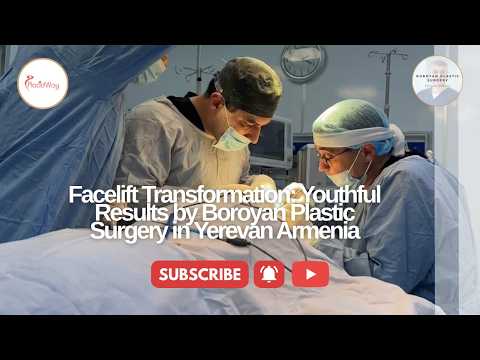
Facelift Transformation: Youthful Results by Boroyan Plastic Surgery in Yerevan Armenia
Cosmetic/Plastic Surgery
Boroyan Plastic Surgery in Yerevan Armenia
Yerevan, Armenia
Meet Dr. Aram Boroyan: Expert Facelift Surgeon in Yerevan, Armenia
Cosmetic/Plastic Surgery
Boroyan Plastic Surgery in Yerevan Armenia
Yerevan, Armenia
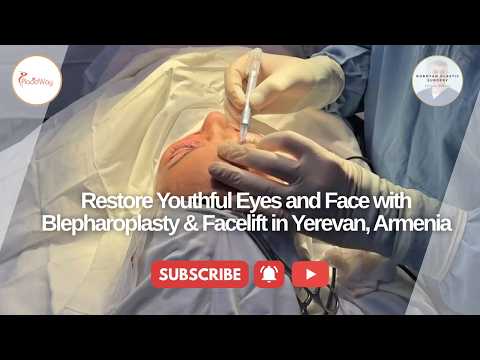
Restore Youthful Eyes and Face with Blepharoplasty & Facelift in Yerevan, Armenia
Cosmetic/Plastic Surgery
Boroyan Plastic Surgery in Yerevan Armenia
Yerevan, Armenia
Unlock the Best Cosmetic Plastic Surgery Packages Just for You
Discover the ultimate Cosmetic Plastic Surgery packages designed to meet your health and wellness goals. Choose the perfect fit for your journey.

Price starting from $3,500
SMAS Facelift Package in Yerevan, Armenia by Boroyan Plastic Surgery
Boroyan Plastic Surgery in Yerevan Armenia
- Cosmetic/Plastic Surgery
Yerevan, Armenia

Price starting from $3,500
Mid-Facelift Package in Yerevan, Armenia by Boroyan Plastic Surgery
Boroyan Plastic Surgery in Yerevan Armenia
- Cosmetic/Plastic Surgery
Yerevan, Armenia

Price starting from $2,000
Breast Implant Package in Bangkok Thailand by Asia Cosmetic Hospital
Asia Cosmetic Hospital
- Cosmetic/Plastic Surgery
Bangkok, Thailand
.png)
Price starting from $7,500
Low-Cost Mommy Makeover in Bangkok, Thailand by Bangkok Plastic Surgery Clinic
Bangkok Plastic Surgery Clinic
- Cosmetic/Plastic Surgery
Bangkok, Thailand
Transformative Cosmetic Plastic Surgery Experiences: Dive into Procedure Insights
Discover the power of Cosmetic Plastic Surgery through compelling patient experiences. Uncover detailed insights into procedures, recovery journeys, and life-changing results.
.png)
Price starting from $8,500
Breast Augmentation in Seoul South, Korea
- Breast Augmentation, Cosmetic/Plastic Surgery
Seoul, South Korea
.png)
Price starting from $4,500
Breast Reduction in New Delhi, India
- Breast Reduction, Cosmetic/Plastic Surgery
New Delhi, India
.png)
Price starting from $2,000
Rhinoplasty in Bangkok, Thailand
- Nose Surgery Rhinoplasty, Cosmetic/Plastic Surgery
Bangkok, Thailand