
Affordable Eyelid Surgery in Seoul: 2025 Price List
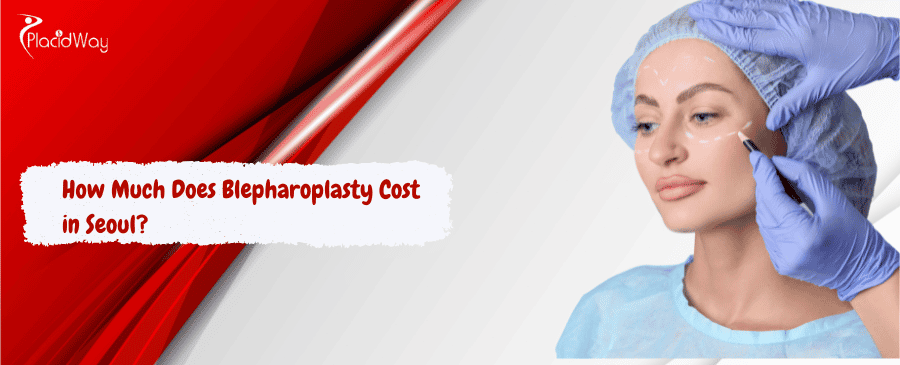
Many patients traveling abroad for cosmetic eye procedures are eager to understand the average blepharoplasty cost in Seoul. Over the years, the city has become a highly sought-after destination for aesthetic medicine, offering advanced techniques and modern facilities. However, when considering blepharoplasty in South Korea, looking at the price tag is only the beginning.
Undergoing any surgical procedure requires careful thought, comprehensive research, and medical suitability. You must balance the financial estimates with an understanding of the surgical risks, realistic outcomes, and the logistics of navigating healthcare in a foreign country. This guide breaks down what patients should know when exploring options for eyelid surgery abroad.
Key Takeaways
- Cost estimates generally range between $1,500 and $4,500 USD, though final pricing requires an individualized medical consultation.
- Upper, lower, and double eyelid surgeries are the most frequently requested variations of the procedure.
- Patients typically need to plan a 7 to 10-day stay in the city for early recovery and suture removal.
- Planning for medical tourism in South Korea means budgeting for flights, accommodation, and potential translation services.
- Eyelid surgery carries standard surgical risks, including infection, dry eyes, visible scarring, and asymmetry, which should be discussed with a qualified provider.
What Factors Influence the Estimated Cost of Eyelid Surgery?
When evaluating a blepharoplasty clinic in Seoul, you will notice that prices are rarely identical. The complexity of your individual anatomy plays a significant role in determining the final quote. For instance, a patient requiring only a simple upper eyelid skin excision may pay less than someone needing both upper and lower eyelid fat repositioning.
Additionally, whether the surgery is a primary (first-time) procedure or a revision affects the price. Revision surgeries are inherently more complex due to the presence of scar tissue and altered anatomy from previous operations, requiring advanced skill and longer operating times, which understandably drives up the fee.
Furthermore, costs can vary based on the type of anesthesia administered. While many eyelid surgeries use local anesthesia combined with mild sedation, patients requiring deeper sedation or general anesthesia will see higher fees related to the anesthesiologist's time and medication.
What Types of Blepharoplasty Are Commonly Performed?
Upper blepharoplasty targets the upper eyelid, where excess skin can sag and sometimes even impair peripheral vision. During this procedure, a surgeon removes redundant skin and occasionally muscle or fat to create a smoother contour.
Lower blepharoplasty focuses on the area beneath the eyes. It is often utilized to reduce the appearance of puffy "bags" or deep hollows. The surgeon may remove excess fat, reposition existing fat to fill in hollow areas, or remove small amounts of loose skin.
Double eyelid surgery (often called Asian blepharoplasty) is particularly common in this region. This technique specifically aims to form a visible fold or crease in the upper eyelid for patients who have a "monolid." Techniques for this vary, ranging from incisional methods to non-incisional (suture) techniques, depending on the patient's eyelid thickness and fat distribution.
What Does a Standard Surgical Package Usually Include?
When reviewing quotes for cosmetic procedures abroad, it helps to ask for an itemized breakdown. Generally, the core price includes the medical components necessary for the surgery itself. This means your pre-operative surgical consultation, the actual operation, and early post-operative check-ups to remove sutures are usually bundled into the cost.
However, it is vital to clarify what is excluded. Standard quotes usually do not cover travel expenses, accommodation, meals, or comprehensive medical insurance. Additionally, if you require specialized pre-operative blood tests, electrocardiograms, or clearance from an independent specialist (like a cardiologist or ophthalmologist), these may incur separate out-of-pocket costs.
Important Consideration: Hidden Costs of Travel
Do not forget to budget for unexpected travel expenses. Extended stays due to minor healing delays, the cost of specialized post-op sunglasses, taxi fares to and from appointments, and prescription medications picked up at local pharmacies can add up.
Am I a Suitable Candidate for Eyelid Surgery?
Suitability for surgery is a medical decision that can only be made by a qualified healthcare professional after reviewing your complete medical history. Generally, good candidates are those looking to address functional issues (like drooping skin blocking vision) or those seeking cosmetic refinement without expecting perfection.
Certain medical conditions may affect your eligibility. Individuals with severe dry eye syndrome, glaucoma, detached retinas, or thyroid eye disease (such as Graves' disease) may face heightened risks and are often advised against elective eyelid surgery.
Furthermore, if you take blood-thinning medications or have bleeding disorders, your surgeon must evaluate whether it is safe for you to undergo the procedure. Honest communication about your health history, supplements, and lifestyle habits is crucial for your safety.
What Are the Typical Risks and Complications?
No surgery is entirely risk-free. While many patients undergo eyelid surgery without severe problems, complications can and do happen. Mild and common side effects include temporary swelling, bruising, blurry vision, and sensitivity to light during the initial healing phase.
More significant complications can include hematoma (blood pooling under the skin), adverse reactions to anesthesia, or ectropion—a condition where the lower eyelid pulls downward and turns outward. If too much skin is removed during an upper blepharoplasty, patients may struggle to close their eyes completely, leading to severe corneal drying.
Understanding these risks is a critical part of the informed consent process. You should have a thorough discussion with your chosen provider about complication rates and how they manage emergencies before committing to a procedure.
How Long Does Recovery Take After Eyelid Surgery?
- Days 1-3: You will likely experience the most significant swelling and bruising. Resting with your head elevated and applying cold compresses as directed can help manage this.
- Days 5-7: If non-dissolvable sutures were used, this is typically when you will return to the clinic to have them removed.
- Weeks 2-3: Most patients feel comfortable returning to non-strenuous work and social activities, as residual bruising can often be concealed with makeup (once cleared by the surgeon).
- Months 3-6: Minor, residual swelling resolves completely, and the surgical scars continue to fade and mature into their final appearance.
How Long Should I Stay in the City for Post-Op Care?
Leaving the destination too soon after surgery is not recommended. The first week is a critical window for monitoring early signs of infection, bleeding, or issues with wound closure. Being close to your operating surgeon ensures that if a minor issue arises, it can be addressed promptly.
Furthermore, air travel shortly after surgery introduces risks. Changes in cabin pressure can exacerbate swelling, and sitting for long periods on an international flight increases the risk of deep vein thrombosis (DVT). Always secure medical clearance from your surgeon before booking your flight home.
How Should I Prepare for Medical Tourism in South Korea?
Traveling internationally for medical reasons requires robust planning. First, you should consult with your primary care physician at home to ensure you are healthy enough for both surgery and long-haul travel. Gather your medical history, a list of current medications, and any recent lab results to share with your prospective clinic.
Logistically, you will need to check visa requirements based on your citizenship. Some countries have visa-waiver agreements with South Korea, while others require formal medical visas. When booking lodging, prioritize hotels or recovery houses that are in close proximity to the clinic to minimize travel time when you are feeling sore or tired.
Communication is another crucial aspect. While many facilities catering to international patients offer multilingual staff, it is wise to confirm this in writing. Ensuring clear communication prevents misunderstandings regarding surgical goals, risks, and post-operative instructions.
What Happens If Complications Arise After Returning Home?
One of the main challenges of medical tourism is the discontinuity of care. Once you return to your home country, your operating surgeon is no longer available for in-person evaluations. While some clinics offer virtual follow-ups via video call, this cannot replace a physical examination if an emergency arises.
Before you travel, it is a prudent step to identify a local doctor or ophthalmologist who is willing to oversee your late-stage recovery and intervene if complications—such as delayed infection, persistent dry eye, or wound separation—occur. You should also be aware that your local health insurance may not cover the costs of treating complications resulting from elective cosmetic surgery performed abroad.
Why Choose PlacidWay for Medical Tourism?
Navigating international healthcare options can feel overwhelming. PlacidWay serves as a resource for patients exploring medical travel, offering several key functions:
- Global Connections: PlacidWay facilitates connections between patients and international healthcare providers across numerous countries.
- Educational Resources: The platform provides access to informational articles and guides about various medical procedures available abroad.
- Cost Comparisons: Patients can view and compare estimated costs and facility profiles globally to help inform their decisions.
- Patient Support: PlacidWay offers assistance in gathering information without pressuring individuals into immediate treatment decisions.
- Facility Visibility: The network highlights clinics that frequently cater to international patients and often provide multilingual support structures.
Frequently Asked Questions
Is eyelid surgery painful?
The procedure is usually performed under local anesthesia with sedation, meaning you should not feel pain during the surgery. Post-operative discomfort is typically mild to moderate and is managed with prescribed oral medications.
Can blepharoplasty correct vision problems?
If severely drooping upper eyelid skin is obstructing your peripheral vision, an upper blepharoplasty may help clear your field of view. However, the surgery does not correct underlying visual acuity issues like nearsightedness or farsightedness.
Will I have visible scars after blepharoplasty?
Surgeons typically place incisions within the natural folds of the eyelids to minimize visibility. While scars are permanent, they usually fade significantly over time, though individual scarring varies based on genetics and healing.
Does the cost in Seoul include flight and accommodation?
No, surgical fee estimates generally cover the medical procedure, facility fees, and surgical team. Flights, accommodation, meals, and local transportation are usually separate expenses that you must budget for.
How soon can I wear makeup after eyelid surgery?
Most surgeons advise waiting until the stitches are removed and the incisions are fully closed, which typically takes about 10 to 14 days. Applying makeup too early can increase the risk of infection.
Can I wear contact lenses during recovery?
You will likely need to avoid wearing contact lenses for at least one to two weeks following surgery. Pulling on the eyelids to insert or remove lenses can disrupt the healing incisions.
Are revision eyelid surgeries more expensive?
Yes, revision procedures are usually more complex due to altered anatomy and scar tissue from the previous surgery, which often results in higher fees compared to initial primary surgeries.
Do clinics in Seoul provide translators?
Many medical facilities that cater to international patients offer in-house translation services or can help arrange an interpreter. You should always confirm language support prior to booking your consultation.
Is double eyelid surgery the same as blepharoplasty?
Double eyelid surgery is a specific type of upper blepharoplasty. While traditional blepharoplasty often removes excess skin or fat, double eyelid surgery focuses on creating a visible supratarsal crease in the upper eyelid.
What is the minimum age for blepharoplasty?
While most cosmetic eyelid surgeries are performed on adults over the age of 18, suitability depends entirely on a thorough medical evaluation, individual anatomy, and having realistic expectations, rather than age alone.
Compare Treatment Options and Gather Information
Take the next step in researching your medical travel options. Explore facilities, review estimated costs, and request educational materials to help you make an informed decision.
Request Treatment InformationReferences
- Blepharoplasty Overview and Risks – Mayo Clinic
- Eyelid Surgery Candidates – American Society of Plastic Surgeons
- Eyelid Surgery (Blepharoplasty) Recovery – Cleveland Clinic
- Medical Tourism Safety Guidelines – Centers for Disease Control and Prevention (CDC)
- Eyelid Surgery Medical Encyclopedia – MedlinePlus
- Blepharoplasty Therapy and Treatment – Johns Hopkins Medicine

























Share this listing