
What treatment


20+ Key FAQs on Cosmetic/Plastic Surgery in Panama
Questions About Cosmetic/Plastic Surgery in Panama? Start Here
Trusted Medical Tourism Platform Since 2007
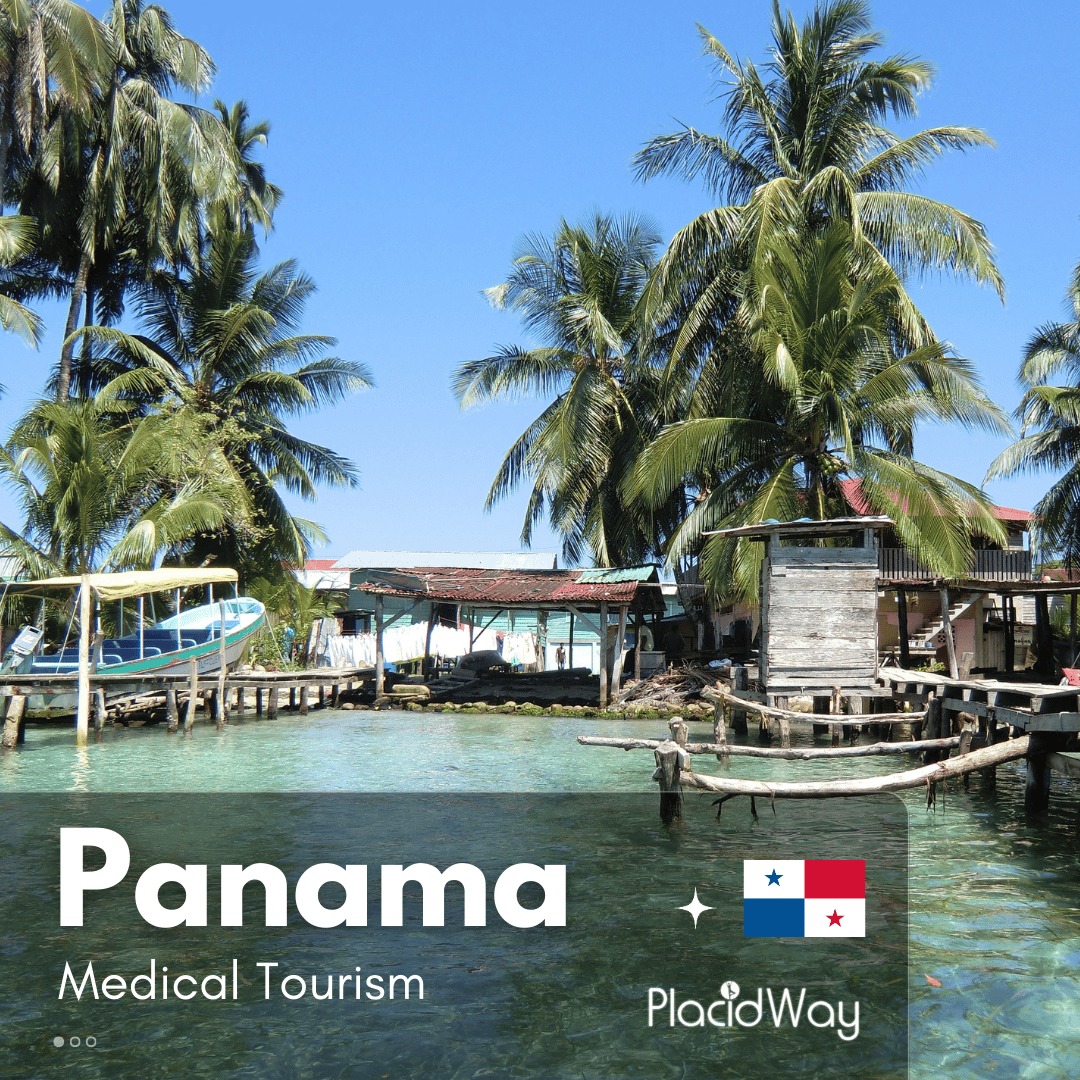
Is liposuction safe in Panama for foreigners?
Yes, liposuction in Panama is generally safe for foreigners when performed by board-certified surgeons in JCI-accredited hospitals, offering US-standard care at 50-70% lower costs. When you start looking into medical tourism, Panama often pops up as a hidden gem, and for good reason. It’s not just about the beautiful canals and tropical weather; the country has quietly become a powerhouse for high-quality, affordable healthcare. If you are asking yourself about the safety of liposuction, you are likely balancing the desire for a better body with valid concerns about safety and quality abroad. The short answer is yes—Panama offers a compelling mix of American-trained doctors, world-class facilities, and strict medical regulations, all while using the US dollar, which makes everything easier for international patients. However, safety isn't just about the country; it's about the choices you make regarding your surgeon and clinic. In this guide, we will walk you through everything you need to know—from surgeon qualifications and hospital accreditation to the real costs and recovery expectations. We will cut through the noise to help you understand why thousands of patients from the US and Canada are choosing liposuction in Panama for their body contouring needs. Is liposuction in Panama safe for medical tourists? "Liposuction in Panama is considered very safe for medical tourists, provided you choose a surgeon certified by the Panamanian Association of Plastic, Aesthetic, and Reconstructive Surgery (APCPER)." Safety is the number one concern for anyone traveling for surgery, and rightly so. In Panama, the medical infrastructure is surprisingly robust. The country boasts several JCI-accredited hospitals (Joint Commission International), which is the gold standard for global healthcare safety. This means the protocols for hygiene, anesthesia, and emergency care often mirror or even exceed what you might find in a community hospital in the United States. Furthermore, the Ministry of Health (MINSA) strictly regulates medical practices to ensure patient safety is prioritized. However, "safe" doesn't mean risk-free. The key to a safe experience lies in vetting your provider. You must ensure your surgeon is a member of APCPER, which ensures they have undergone rigorous training and adhere to ethical standards. Many of these surgeons have completed fellowships in the USA or Brazil, bringing top-tier techniques back to Panama. By choosing a reputable provider, you significantly mitigate risks associated with medical tourism. It is also worth noting that Panama City is a modern, developed capital. You aren't traveling to a remote location; you have access to modern pharmacies, reliable infrastructure, and English-speaking medical staff, which adds an extra layer of safety and comfort to your journey. How much does liposuction in Panama cost compared to the USA? "Liposuction in Panama costs approximately $1,500 to $4,500, whereas the same procedure in the US typically ranges from $4,000 to over $10,000, offering savings of up to 60%." One of the biggest drivers for choosing liposuction is cost, and the country delivers substantial savings without compromising quality. The lower cost of living and lower malpractice insurance rates allow surgeons to offer premium services at a fraction of US prices. Below is a detailed comparison of common body contouring procedures: Procedure Average Cost in USA Average Cost in Panama Estimated Savings Liposuction (1 Area) $4,500 - $8,000 $1,500 - $2,500 ~65% Lipo 360 (Full Torso) $8,000 - $15,000 $3,500 - $6,000 ~55% Tummy Tuck (Abdominoplasty) $8,000 - $12,000 $4,000 - $6,500 ~50% Mommy Makeover $12,000 - $20,000+ $7,000 - $10,000 ~50% It is important to understand that these prices often include surgeon fees, facility costs, and anesthesia, which are frequently billed separately in the US. However, always ask for a detailed quote that explicitly lists what is included (e.g., compression garments, post-op medication, follow-up visits) to avoid any surprises. Even with travel expenses added, the total savings can be thousands of dollars. Are plastic surgeons in Panama board-certified? "Yes, reputable plastic surgeons in Panama are board-certified and must be members of APCPER (Panamanian Association of Plastic, Aesthetic, and Reconstructive Surgery) to legally perform these surgeries." You should never compromise on surgeon qualifications. In Panama, a legitimate plastic surgeon undergoes years of specialized training. To verify a doctor, look for membership in APCPER. This is the local equivalent of the American Board of Plastic Surgery. Membership in this organization guarantees that the surgeon is not just a general practitioner performing cosmetic work, but a specialist dedicated to the field. Additionally, because of the strong historical and economic ties between Panama and the US, many Panamanian surgeons complete their residencies or fellowships at prestigious US institutions. It is common to find doctors who are International Members of the American Society of Plastic Surgeons (ASPS). This dual exposure means they are fluent in the latest technologies and safety protocols you would expect back home. When researching, always ask for their CV. A trustworthy surgeon will proudly display their certifications, training history, and before-and-after portfolios. If a clinic is hesitant to provide this information, consider it a major red flag and look elsewhere. Do doctors and medical staff in Panama speak English? "Yes, most top-tier plastic surgeons and medical staff in Panama City are fluent in English, often having trained in the US or Europe." Communication is critical when undergoing surgery. Misunderstandings about your medical history or desired results can be disastrous. Fortunately, Panama is extremely English-friendly, especially within the medical tourism sector. Most top surgeons are fully bilingual, having spent years studying abroad. This eliminates the need for translators during your consultations and ensures you can articulate exactly what you want. In major hospitals like Punta Pacifica (affiliated with Johns Hopkins Medicine International), the nursing staff and administrative teams are also accustomed to international patients. You will find that consent forms, discharge instructions, and aftercare guides are typically available in English. This seamless communication helps reduce anxiety and ensures you fully understand your post-operative care instructions. However, it is always a good idea to confirm this during your initial virtual consultation. Speak directly with the surgeon and their coordinator to gauge their language proficiency. If you feel any language barrier exists, ask if the clinic provides a dedicated patient concierge to assist you throughout your stay. What is the recovery time for liposuction? "Most patients need 5 to 7 days of initial recovery for liposuction before flying home, with full recovery and final results visible after 3 to 6 months." Recovery is a crucial part of the process that you cannot rush. When planning for liposuction, you should plan to stay in the country for at least 7 to 10 days. This window allows your surgeon to monitor you for immediate complications like infection or fluid accumulation (seromas) and to remove any drains or sutures if necessary. Flying too soon after surgery increases the risk of Deep Vein Thrombosis (DVT) due to cabin pressure and immobility. During the first few days, you will experience swelling, bruising, and soreness. Most clinics in Panama recommend staying in a recovery house or a medical hotel where you have access to nursing assistance. These facilities are excellent for ensuring you rest properly and receive help with tasks like bathing or putting on your compression garments. While you might feel "normal" after two weeks, internal healing takes longer. You will need to avoid strenuous exercise for about 4-6 weeks. Your surgeon in Panama will provide a detailed timeline for when you can resume specific activities, and it is vital to follow this advice to ensure the best aesthetic outcome. Is Lipo 360 available in Panama and is it safe? "Yes, Lipo 360 is a widely performed and safe procedure in Panama, targeting the entire midsection to create a curvy, hourglass silhouette." Lipo 360 has become one of the most requested procedures for medical tourists in Panama. Unlike traditional liposuction that targets one area, Lipo 360 addresses the full circumference of the torso—upper and lower abdominals, obliques (love handles), and the lower back. This comprehensive approach ensures a balanced, sculpted look rather than just a flatter stomach. Panamanian surgeons are well-versed in advanced techniques like VASER Liposuction and J-Plasma (Renuvion) for skin tightening, which are often paired with Lipo 360 for superior results. These technologies use ultrasound or radiofrequency energy to break down fat cells and tighten skin simultaneously, which can be gentler on the body and speed up recovery. Safety for Lipo 360 depends heavily on not exceeding "mega-liposuction" limits. A responsible surgeon will adhere to safe limits on the volume of fat removed in a single session (usually no more than 5 liters) to prevent fluid shifts and shock. During your consultation, ask specifically about their safety limits and the technology they use to ensure a smooth contour. Can I combine liposuction with a BBL or Tummy Tuck? "Yes, combining liposuction with a Brazilian Butt Lift (BBL) or Tummy Tuck is common in Panama, often referred to as a 'Mommy Makeover' or body contouring package." Many patients traveling to Panama maximize their trip by combining procedures. The most popular combination is Lipo 360 with a BBL (Brazilian Butt Lift), where the fat harvested from your abdomen and back is purified and injected into the buttocks to enhance volume and shape. This "recycle" approach is highly efficient and cost-effective. Another common combo is the Tummy Tuck (Abdominoplasty) with liposuction. While the tummy tuck removes excess skin and tightens abdominal muscles, liposuction sculpts the waistline for a more defined figure. Panamanian surgeons are experts at these "Mommy Makeover" type surgeries. However, combining surgeries increases the duration of anesthesia and the complexity of recovery. If you plan to combine surgeries, be prepared for a slightly longer stay in Panama—typically 14 days is recommended. Your surgeon will evaluate your overall health and BMI to determine if combining procedures is safe for you. In some cases, they may recommend staging the surgeries (doing them on separate trips) to minimize risks, prioritizing your safety above all else. What are the risks of medical tourism in Panama? "The main risks include lack of follow-up care once back home, potential travel-related clots (DVT), and varying legal recourse for malpractice compared to the US." While liposuction is generally safe, medical tourism inherently carries unique risks. The biggest challenge is post-operative continuity of care. Once you fly home, your Panamanian surgeon cannot physically examine you if a complication arises weeks later. To mitigate this, many top clinics in Panama will coordinate with your local doctor or offer extensive virtual follow-ups. You should establish a relationship with a local GP at home who is willing to handle minor post-op checks like wound care. Travel-related risks, specifically Deep Vein Thrombosis (DVT) and pulmonary embolism, are serious concerns after surgery. Long flights increase the risk of blood clots. Surgeons will typically prescribe blood thinners and require you to walk frequently and wear compression stockings during your return flight. You must strictly adhere to the "no-fly" window prescribed by your doctor. Finally, understand that legal recourse in Panama is different from the US. Malpractice laws exist, but the litigation process can be slow and complex. This is why prevention, choosing a JCI-accredited facility and a board-certified surgeon—is your best form of insurance. Do not choose a surgeon based solely on the lowest price; prioritize their reputation and safety record. What facilities and hospitals are available for surgery? "Top surgeries are performed at JCI-accredited hospitals like Pacifica Salud (Johns Hopkins affiliated) and Clinica Hospital San Fernando, ensuring world-class standards." The facility where your surgery takes place is just as important as the surgeon. In Panama City, you have access to hospitals that rival the best in North America. Pacifica Salud (Hospital Punta Pacifica) is the only hospital in Central America affiliated with Johns Hopkins Medicine International. This affiliation ensures that their clinical processes, patient safety protocols, and technology are state-of-the-art. Another excellent option is Clinica Hospital San Fernando, the first hospital in Panama to receive JCI accreditation. These hospitals feature modern operating rooms, dedicated recovery suites, and fully staffed ICUs (Intensive Care Units) in case of emergencies. This is a critical distinction from "office-based" surgery centers that might lack emergency backup. When booking your surgery, verify that it will be performed in a fully accredited hospital or a certified ambulatory surgical center, not a standard clinic office. Accredited hospitals have strict sterilization protocols, backup power generators, and advanced monitoring equipment, ensuring your safety throughout the procedure. Is anesthesia safe in Panama? "Yes, anesthesia is administered by board-certified anesthesiologists using modern monitoring equipment, adhering to international safety protocols." Fear of anesthesia is common, but in Panama, this is handled with the utmost professionalism. Your anesthesia will not be administered by the surgeon, but by a specialized board-certified anesthesiologist who remains with you throughout the entire operation. They monitor your vital signs—heart rate, oxygen levels, and blood pressure—moment by moment. Before surgery, you will have a pre-op evaluation (often involving blood work and an EKG) to ensure you are a safe candidate for sedation. The drugs used in Panama are the same standard medications used in US hospitals. There is no "lower grade" anesthesia used for tourists. To ensure your safety, be completely honest about your medical history, including any supplements, smoking habits, or recreational drug use, during your pre-op consultation. This information is vital for the anesthesiologist to customize the sedation plan for your specific body and metabolism, minimizing the risk of adverse reactions. How do I choose the right surgeon in Panama? "Research the surgeon's APCPER membership, read patient reviews on independent forums, review before-and-after photos, and schedule a virtual consultation to gauge comfort." Selecting the right surgeon requires diligence. Start by verifying their credentials on the APCPER website. Once confirmed, dig into patient reviews. Don't just rely on the clinic's website testimonials; look for independent reviews on platforms like RealSelf, Google Reviews, or medical tourism forums. Look for consistent positive feedback regarding bedside manner, safety, and results. Examine their before-and-after gallery closely. Look for patients with a similar body type to yours. Are the results consistent? Do the scars look well-placed and healed? High-definition photos that aren't heavily edited are a sign of transparency and skill. Finally, the virtual consultation is your interview. Prepare a list of questions: "How many times have you performed this specific procedure?", "What is your complication rate?", "What happens if I need a revision?". A good surgeon will answer these openly and won't pressure you into booking immediately. Trust your gut feeling; if you feel rushed or dismissed, move on to the next candidate. Is it safe to travel alone for surgery in Panama? "While Panama is safe, traveling alone for major surgery is not recommended; having a companion or hiring a professional recovery nurse is crucial for the first 48 hours." Solo travel for surgery is physically and emotionally challenging. After liposuction, your mobility will be limited. You may feel groggy from medication and sore. Lifting your luggage, getting food, or even getting in and out of bed can be difficult. For these reasons, it is highly recommended to bring a friend, partner, or family member to support you. If you must travel alone, you should budget for a recovery house or nursing service. Panama has several specialized recovery centers designed for medical tourists. These facilities provide 24-hour nursing care, meals, and transportation to follow-up appointments. This ensures you are never truly "alone" during the most vulnerable part of your recovery. Panama City itself is generally safe for tourists, especially in areas like Punta Pacifica, Marbella, and El Cangrejo where most clinics are located. However, as with any major city, use common sense. Use Uber or authorized taxis, avoid isolated areas at night, and keep your valuables secure. Staying in a reputable hotel or recovery center adds a layer of security to your trip. What medical tests are required before traveling? "Standard pre-op tests include a Complete Blood Count (CBC), coagulation panel, metabolic panel, HIV/Hepatitis screening, and EKG for patients over 40." To avoid cancellation upon arrival, most surgeons will ask you to complete a set of medical tests in your home country and email the results 2-3 weeks before your trip. This "medical clearance" allows the surgeon to identify any potential issues—like anemia or clotting disorders—that could make surgery unsafe. Commonly required tests include a Complete Blood Count (hemoglobin and hematocrit), coagulation profile (PT/PTT), and a basic metabolic panel. If you are over 40 or have a history of heart issues, an EKG (electrocardiogram) and cardiac clearance will likely be mandatory. For women, a pregnancy test is standard protocol before anesthesia. Getting these done at home saves you money and stress. If you wait until you arrive in Panama and a test comes back abnormal, your surgery could be postponed or cancelled, resulting in lost travel costs. Always treat this step as a critical part of your safety checklist. Ready to Transform Your Body Safely and Affordably? Don't navigate the world of medical tourism alone. PlacidWay can connect you with top-rated, board-certified surgeons and JCI-accredited hospitals in Panama. Get a free quote and personalized assistance for your liposuction journey today....
Read more details

What Makes Medical Tourism in Panama Beneficial for U.S. Patients?
Medical tourism in Panama is highly beneficial for U.S. patients due to significant cost savings on procedures, access to high-quality healthcare with U.S.-trained doctors, and modern medical facilities. Additionally, the use of the U.S. dollar simplifies financial transactions, and its proximity to the U.S. makes travel convenient. Have you ever wondered if you could get top-notch medical care without the staggering price tag you're used to in the United States? It might sound too good to be true, but a growing number of Americans are discovering a fantastic solution: medical tourism in Panama. This beautiful Central American country is rapidly becoming a leading destination for U.S. patients seeking affordable, high-quality healthcare. But what exactly makes Panama so appealing? It's a combination of significant cost savings, highly qualified and often U.S.-trained doctors, and state-of-the-art medical facilities that rival those back home. Imagine getting the procedure you need, saving a substantial amount of money, and recovering in a tropical paradise. That's the reality for many who choose Panama for their medical journey. Whether you're considering dental work, cosmetic surgery, or more complex procedures, understanding the benefits of medical tourism in Panama can be a game-changer for your health and your wallet. Let’s dive into what makes this destination a smart choice for American patients. What are the primary benefits of medical tourism in Panama for U.S. patients? "The primary benefits of medical tourism in Panama for U.S. patients are substantial cost savings on medical procedures, access to high-quality healthcare from U.S.-trained physicians, modern medical infrastructure, the use of the U.S. dollar, and its close proximity to the United States." For U.S. patients, the allure of medical tourism in Panama extends far beyond just one single advantage. It’s a comprehensive package of benefits that collectively make it a very attractive option. The most significant draw is the dramatic reduction in healthcare costs. Procedures in Panama can be 40-70% cheaper than in the United States, and this includes everything from the surgery itself to hospital stays and consultations. This isn’t about sacrificing quality for a lower price; it’s about accessing a healthcare system with a different economic structure. Beyond the financial advantages, the quality of care is a cornerstone of Panama's medical tourism industry. Many Panamanian doctors are educated and trained in the United States, bringing with them the same high standards and expertise that American patients expect. This, combined with internationally accredited hospitals, some of which are affiliated with prestigious U.S. medical institutions like Johns Hopkins, ensures that patients are in capable hands. The use of the U.S. dollar as the official currency eliminates any confusion with exchange rates and simplifies financial transactions. Finally, Panama's geographical location means shorter and more affordable flights from the U.S., making the entire process more convenient and less stressful. How much can U.S. patients save on medical procedures in Panama? "U.S. patients can typically save between 40% and 70% on medical procedures in Panama compared to the costs for the same treatments in the United States." The cost savings associated with medical tourism in Panama are truly remarkable and a major driver for the influx of U.S. patients. For many, the high cost of healthcare in the United States is a significant burden, and Panama offers a viable and high-quality alternative. These savings are not limited to minor procedures; they extend across a wide range of medical treatments, from elective cosmetic surgeries to complex orthopedic and cardiac interventions. To put this into perspective, consider a common procedure like a knee replacement. In the U.S., this can cost upwards of $35,000, while in Panama, the same procedure with a highly qualified surgeon and in a modern hospital might only cost around $12,000. Similarly, dental implants that could set you back $3,000 to $4,500 per tooth in the U.S. can be as low as $900 in Panama. These substantial savings make it possible for many Americans to afford procedures that would otherwise be financially out of reach. The lower costs in Panama are not a reflection of lower quality but are due to factors such as lower labor costs, reduced administrative overhead, and a different malpractice insurance landscape. What are the most popular medical procedures for U.S. patients in Panama? "The most popular medical procedures for U.S. patients in Panama include cosmetic and plastic surgery, dental work such as implants and crowns, orthopedic surgeries like hip and knee replacements, fertility treatments, and stem cell therapies." Panama has developed a reputation for excellence in a variety of medical fields, attracting U.S. patients for a diverse range of procedures. The combination of skilled specialists and advanced technology makes it a hub for several key medical tourism sectors. Here’s a closer look at the most sought-after treatments: Cosmetic and Plastic Surgery: This is one of the most popular areas for medical tourists in Panama. Procedures like facelifts, breast augmentation, liposuction, and rhinoplasty are performed by experienced, often U.S.-trained, plastic surgeons at a fraction of the U.S. cost. Dentistry: The high cost of dental care in the U.S. drives many patients to Panama for procedures ranging from routine check-ups and cleanings to more complex work like dental implants, crowns, veneers, and full mouth reconstructions. Orthopedic Surgery: Panama is a leading destination for orthopedic procedures such as hip and knee replacements. The quality of care and the significant cost savings make it an attractive option for those facing long waiting lists or unaffordable surgery costs at home. Fertility Treatments: Advanced fertility clinics in Panama offer a range of services, including in vitro fertilization (IVF), at a much lower cost than in the U.S., providing hope for couples struggling with infertility. Stem Cell Therapy: Panama is also at the forefront of innovative treatments like stem cell therapy for various conditions, attracting patients seeking cutting-edge medical advancements that may not be as readily available or affordable in the United States. Are doctors in Panama qualified and U.S.-trained? "Yes, many doctors in Panama are highly qualified and have received their education and training from top medical schools and hospitals in the United States. This ensures a high standard of care and expertise that U.S. patients are accustomed to." A significant factor contributing to the trust and confidence U.S. patients have in medical tourism in Panama is the caliber of its medical professionals. A large number of Panamanian doctors pursue their specialization and residency programs in the United States, and some are even board-certified in the U.S. This means they are not only fluent in English, which eliminates language barriers, but they are also well-versed in the latest medical techniques and adhere to the same high standards of care as their American counterparts. This U.S. training is a key differentiator for Panama compared to some other medical tourism destinations. It provides a level of assurance and familiarity for American patients, who can be confident that they are receiving care from physicians who understand their expectations and medical background. Furthermore, many of these doctors continue to collaborate with their U.S. colleagues and participate in international medical conferences, staying at the forefront of their respective fields. This commitment to ongoing education and professional development ensures that patients in Panama have access to world-class medical expertise. What is the quality of hospitals and medical facilities in Panama? "The quality of hospitals and medical facilities in Panama, particularly in Panama City, is excellent, with many being internationally accredited and some affiliated with renowned U.S. medical institutions like Johns Hopkins. These facilities are equipped with state-of-the-art technology and adhere to high standards of patient care." Panama has invested heavily in its healthcare infrastructure, resulting in a network of modern, well-equipped hospitals and clinics that cater to the needs of international patients. The top private hospitals in Panama City are on par with those in the United States and Europe, offering a comfortable and safe environment for medical treatments. These facilities are designed with the patient in mind, providing a high level of comfort and personalized care. A key indicator of the quality of these facilities is their international accreditation. Several of Panama's leading hospitals are accredited by the Joint Commission International (JCI), the international arm of the same organization that accredits U.S. hospitals. This "gold seal of approval" signifies that the hospital meets rigorous standards in patient safety and quality of care. The affiliation of some Panamanian hospitals with prestigious U.S. medical centers further underscores their commitment to excellence. For U.S. patients, this means they can expect a level of care and professionalism that is consistent with what they would receive at home. Is it safe to travel to Panama for medical treatment? "Yes, it is generally safe to travel to Panama for medical treatment, especially when arranging your care through reputable medical tourism facilitators and staying in the modern and well-policed areas of Panama City where the top hospitals are located." Safety is a paramount concern for anyone considering traveling abroad for medical care, and Panama has a strong track record in this regard. The country has a stable government and a developed infrastructure, making it a safe and welcoming destination for tourists and medical patients alike. The areas where the main hospitals and clinics are located, such as Panama City's Punta Pacifica and Paitilla neighborhoods, are modern, safe, and offer a wide range of amenities. Of course, as with any international travel, it's important to take standard precautions. This includes being aware of your surroundings, avoiding risky areas, and safeguarding your valuables. However, the overall risk to medical tourists in Panama is low. The country's use of the U.S. dollar also adds a layer of security and convenience, eliminating the need to carry large amounts of foreign currency. By working with a reputable medical tourism agency, patients can ensure that all their travel and accommodation arrangements are secure, allowing them to focus on their treatment and recovery. How easy is it for U.S. citizens to travel to Panama? "Travel to Panama is very easy for U.S. citizens, as no visa is required for stays up to 180 days. Numerous direct flights are available from major U.S. cities, making the journey convenient and relatively short." One of the significant logistical advantages of choosing medical tourism in Panama is the ease of travel for U.S. citizens. The country's "open-door" policy for tourists means that Americans can enter Panama with a valid passport and stay for up to 180 days without the need for a visa. This simplifies the planning process and eliminates the bureaucratic hurdles that can be associated with medical travel to other countries. Panama's Tocumen International Airport is a major hub for international flights, with numerous airlines offering direct routes from cities across the United States, including Miami, Atlanta, Houston, and New York. This means that U.S. patients can often reach Panama in just a few hours, making the journey less taxing and more manageable, especially for those who may be feeling anxious about their upcoming procedure. The convenience of travel is a key factor that makes Panama an attractive and accessible medical tourism destination. Do I need to speak Spanish to get medical care in Panama? "No, you do not need to speak Spanish to receive medical care in Panama, as most doctors and staff in the top private hospitals and clinics are bilingual and fluent in English." The language barrier can be a major concern for patients considering medical treatment abroad, but in Panama, this is largely a non-issue. The strong ties between the Panamanian and American medical communities mean that a significant number of doctors and healthcare professionals are fluent in English. This is particularly true in the private hospitals and clinics that cater to international patients. From the initial consultation to the post-operative care, U.S. patients can expect to communicate effectively with their medical team in English. This ensures that they fully understand their treatment plan, can ask questions and express their concerns, and receive clear instructions for their recovery. The ability to communicate in their native language provides peace of mind and helps to build a strong doctor-patient relationship, which is essential for a positive medical experience. What is the role of a medical tourism facilitator in Panama? "A medical tourism facilitator in Panama acts as a personal guide and advocate for international patients, assisting with everything from selecting the right doctor and hospital to arranging travel, accommodation, and post-operative care." Navigating a foreign healthcare system can be daunting, which is why many U.S. patients choose to work with a medical tourism facilitator. These specialized agencies act as a one-stop-shop for all your medical travel needs, streamlining the entire process and ensuring a smooth and stress-free experience. A good facilitator will have a deep understanding of the Panamanian healthcare landscape and will have established relationships with the top hospitals and doctors. The services provided by a medical tourism facilitator can be comprehensive and may include: Medical Referrals: Connecting you with the most qualified and experienced specialists for your specific procedure. Treatment Planning: Coordinating with the hospital to develop a personalized treatment plan and schedule. Travel and Accommodation: Arranging flights, airport transfers, and suitable accommodation for your stay. Logistical Support: Assisting with visa requirements (if necessary), travel insurance, and other practical matters. Personalized Assistance: Providing on-the-ground support, including translation services (if needed) and a personal escort to your appointments. How does the recovery process work for medical tourists in Panama? "The recovery process for medical tourists in Panama is designed to be comfortable and relaxing, with patients often staying in recovery-friendly hotels or specialized aftercare facilities with access to nursing support and other amenities." One of the unique benefits of medical tourism in Panama is the opportunity to recover in a beautiful and tranquil environment. Instead of returning home immediately after surgery, many patients choose to stay in Panama for a period of recuperation. This allows them to rest and heal in a stress-free setting, with the added advantage of being close to their medical team for follow-up appointments. Panama offers a variety of recovery options to suit different needs and budgets. These can range from comfortable hotels with special amenities for recovering patients to dedicated aftercare facilities that provide round-the-clock nursing care and support. The warm, tropical climate and the friendly, laid-back culture of Panama can also contribute to a more positive and speedy recovery. For many patients, the recovery period becomes an enjoyable and rejuvenating experience, a far cry from the often-clinical and isolating recovery process at home. Are there opportunities for tourism and relaxation in Panama? "Yes, Panama offers a wealth of opportunities for tourism and relaxation, with its famous canal, lush rainforests, beautiful beaches, and vibrant culture, making it an ideal destination to combine medical treatment with a memorable vacation." For those who are able to, combining a medical trip with a vacation is one of the most appealing aspects of medical tourism in Panama. The country is a world-renowned tourist destination with a diverse range of attractions to explore. Before or after your procedure, you can immerse yourself in the rich culture and natural beauty of this incredible country. Some of the must-see attractions in Panama include: The Panama Canal: A marvel of modern engineering, the Panama Canal is a must-see for any visitor. Casco Viejo: The historic old town of Panama City, with its charming colonial architecture, lively plazas, and trendy restaurants. Rainforests and National Parks: Panama is a biodiversity hotspot, and its lush rainforests are perfect for hiking, birdwatching, and wildlife spotting. Beaches and Islands: With coastlines on both the Caribbean and the Pacific, Panama offers a stunning array of beautiful beaches and idyllic islands to relax and unwind. How does the use of the U.S. dollar benefit medical tourists in Panama? "The use of the U.S. dollar as the official currency in Panama benefits medical tourists by eliminating the need for currency exchange, simplifying financial transactions, and providing price transparency for medical procedures and other expenses." The fact that Panama uses the U.S. dollar as its official currency is a significant practical advantage for American patients. It removes the complexities and potential costs associated with currency exchange, making financial planning for your medical trip much more straightforward. You won't have to worry about fluctuating exchange rates or the fees that are often charged for converting currency. This price transparency is particularly beneficial when it comes to medical costs. The quotes you receive from hospitals and clinics will be in U.S. dollars, so you'll know exactly how much you're paying without having to do any complicated calculations. This simplifies the budgeting process and ensures that there are no unexpected financial surprises. From paying for your medical procedure to covering the costs of your accommodation, meals, and other expenses, the use of the U.S. dollar makes for a seamless and hassle-free financial experience. What about the legal and ethical standards of healthcare in Panama? "The legal and ethical standards of healthcare in Panama, particularly in the private sector catering to medical tourists, are high, with a strong emphasis on patient rights, informed consent, and adherence to international best practices." For U.S. patients, the assurance of high legal and ethical standards is a crucial factor when considering medical treatment abroad. Panama's private healthcare sector, which serves the majority of medical tourists, operates under a framework that prioritizes patient safety and well-being. The country's top hospitals and clinics adhere to international best practices and have implemented robust patient rights policies. This includes the right to informed consent, which means that you will receive a thorough explanation of your proposed treatment, including the potential risks and benefits, before you agree to proceed. Patient confidentiality is also strictly protected, ensuring that your personal and medical information is kept private. While the legal recourse in the event of malpractice may differ from that in the United States, the high standards of care and the quality of the medical professionals in Panama significantly mitigate this risk. How do I get started with planning my medical trip to Panama? "To get started with planning your medical trip to Panama, you should begin by researching reputable medical tourism facilitators, consulting with your U.S. doctor, and then contacting your chosen facilitator to discuss your medical needs and receive a personalized treatment plan and quote." Taking the first step towards medical tourism in Panama can seem like a big decision, but with a clear plan, the process can be straightforward and manageable. The key is to do your research and work with experienced professionals who can guide you through every stage of the journey. Here’s a step-by-step guide to getting started: Research and Consultation: Begin by researching medical tourism in Panama online and identifying reputable medical tourism facilitators. It's also a good idea to discuss your plans with your doctor in the U.S. to ensure that you are a suitable candidate for medical travel. Contact a Facilitator: Reach out to a few medical tourism facilitators to discuss your medical needs and goals. A good facilitator will be happy to answer all your questions and provide you with detailed information about their services. Receive a Treatment Plan and Quote: The facilitator will work with their network of doctors and hospitals in Panama to develop a personalized treatment plan and a comprehensive quote that includes all the associated costs. Make Your Decision and Plan Your Trip: Once you've reviewed the treatment plan and are comfortable with the costs, you can make your decision and start planning your trip with the help of your facilitator. What kind of aftercare can I expect in Panama? "In Panama, you can expect comprehensive aftercare that includes follow-up appointments with your surgeon, access to nursing support, and a comfortable and relaxing environment for your recovery, all of which are designed to ensure a successful and speedy healing process." The quality of aftercare is just as important as the medical procedure itself, and Panama's medical tourism industry places a strong emphasis on providing excellent post-operative support. The goal is to ensure that you have a smooth and successful recovery, and that you feel well-cared for throughout your stay. Your aftercare in Panama will typically include: Follow-up Appointments: You will have scheduled follow-up appointments with your surgeon to monitor your progress and address any concerns you may have. Nursing Support: Depending on your needs, you may have access to in-person or on-call nursing support to assist with wound care, medication management, and other aspects of your recovery. Comfortable Accommodation: You will recover in a comfortable and well-equipped environment, whether it's a hotel room or a specialized aftercare facility. Clear Instructions: You will receive clear and detailed instructions for your continued recovery when you return home, including information on when you can resume your normal activities. Ready to explore your options for high-quality, affordable medical care in Panama? Explore PlacidWay for comprehensive solutions and to connect with top-rated medical providers in Panama and around the world. Your journey to better health at a better price starts here....
Read more details
Is Panama Good for Plastic Surgery?
Yes, Panama is considered an excellent destination for plastic surgery. It offers a unique combination of highly qualified, often US-trained surgeons, world-class JCI-accredited hospitals, significant cost savings, and the major convenience of using the US dollar as its official currency. When considering medical tourism for plastic surgery, destinations like Mexico and Colombia often come to mind. However, savvy international patients are increasingly discovering a Central American hub that offers a powerful and unique blend of quality, safety, and convenience. This leads to the important question: "Is Panama good for plastic surgery?" The answer, for a growing number of people, is a definitive yes. Panama has quietly built a reputation as a premier destination that provides First-World medical standards at a significantly more affordable price point. What sets Panama apart is its remarkable infrastructure. The capital, Panama City, is a modern, cosmopolitan metropolis that feels more like Miami than a typical Central American capital. It's home to internationally renowned, JCI-accredited hospitals, some of which are affiliated with prestigious U.S. institutions like Johns Hopkins Medicine International. The surgeons are often US-trained, board-certified, and fluent in English. But perhaps the most compelling advantage for Americans is that Panama's official currency is the US dollar, eliminating all concerns about exchange rates and financial confusion. This combination of top-tier medical care, familiar currency, and easy travel from the United States makes Panama a uniquely comfortable and secure choice. This comprehensive guide will provide a detailed look into why Panama is not just a good, but a great choice for your cosmetic procedure. We'll break down the costs, introduce you to the high standards of its surgeons and hospitals, and explain the key conveniences that create a seamless patient experience. We will also cover the safety protocols and the step-by-step journey, so you can make an informed and confident decision about pursuing your aesthetic goals in this thriving medical tourism destination. Is Panama a good country for plastic surgery? "Yes, Panama is widely regarded as a top-tier country for plastic surgery. Its strengths lie in its exceptional medical infrastructure, including JCI-accredited hospitals, highly qualified and often US-trained surgeons, significant cost savings of 40-60%, and the unparalleled convenience of using the US dollar." Panama's reputation is built on a foundation of trust and quality that differentiates it from other destinations. While the cost savings are a major draw, patients choose Panama because it doesn't feel like a compromise. The experience is often compared to receiving private care in the United States, but at a much more accessible price. The key factors that make Panama an excellent choice include: Expert Surgeons: A large number of Panamanian plastic surgeons have completed their residencies or fellowships in the United States, are board-certified, and are members of the Panamanian Association of Plastic, Aesthetic and Reconstructive Surgery (APCPER). Financial Clarity: As the official currency is the US dollar, all quotes and payments are straightforward, with no hidden fees or fluctuating exchange rates to worry about. Accessibility: Panama is a short 3-5 hour flight from many major US cities, making travel easy and convenient. How much does plastic surgery cost in Panama? "Patients can expect to save approximately 40-60% on the cost of plastic surgery in Panama compared to the United States. For example, a tummy tuck that might cost $15,000 in the US could range from $6,000 to $8,000 in Panama." The cost savings in Panama are substantial, even if they aren't the absolute cheapest in the world. The price reflects the high quality of the facilities and surgeons. You are paying for a premium service at a much lower cost than you would for an equivalent level of care in the US. The price for any given procedure will vary based on the surgeon's experience and the specific complexity of your case. Here’s a look at typical price ranges for popular procedures in Panama compared to the US: Procedure Average Cost in Panama (USD) Average Cost in the USA (USD) Tummy Tuck (Abdominoplasty) $6,000 - $8,000 $12,000 - $20,000 Breast Augmentation (Implants) $4,500 - $6,500 $10,000 - $15,000 Liposuction (Multiple Areas) $4,000 - $7,000 $8,000 - $15,000 Facelift (Rhytidectomy) $7,000 - $10,000 $15,000 - $25,000+ Are surgeons in Panama well-qualified? "Yes, top plastic surgeons in Panama are exceptionally well-qualified. Many have completed their medical and surgical training in the United States, are board-certified, and are active members of the Asociación Panameña de Cirugía Plástica, Estética y Reconstructiva (APCPER)." The quality of Panamanian surgeons is a cornerstone of the country's medical tourism success. The APCPER is the official professional body that upholds the standards for plastic surgery in the country, similar to the American Society of Plastic Surgeons (ASPS) in the US. Membership ensures that a surgeon has completed a rigorous and accredited training pathway. When vetting a surgeon, you should always: Confirm APCPER Membership: This is the most important credential to verify. Inquire About US Training: Many surgeons will highlight their residencies or fellowships at American universities and hospitals on their websites. Check for English Fluency: The majority of surgeons catering to international patients speak fluent English, ensuring clear communication and a comfortable experience. What are the hospitals like in Panama? "The top private hospitals in Panama City are modern, high-tech, and on par with excellent hospitals in the United States. The most renowned facilities are JCI-accredited, which is the international gold standard for patient care and safety." The Joint Commission International (JCI) is a US-based organization that accredits hospitals around the world, holding them to the same rigorous standards as US hospitals. For a hospital to earn this accreditation, it must pass a comprehensive evaluation of its safety protocols, surgical standards, nursing care, and administrative processes.F Some of these top hospitals even have formal affiliations with prestigious U.S. medical institutions like Johns Hopkins Medicine International, showcasing the world-class facilities available to medical tourists. Patients can expect private rooms, advanced surgical technology, and a high level of professional care. Is it safe to get plastic surgery in Panama? "Yes, it is very safe to get plastic surgery in Panama, provided you choose a board-certified (APCPER) surgeon who operates in a fully accredited, modern hospital. Mitigating risk involves thorough research and avoiding unqualified practitioners or deals that seem too good to be true." The safety of your procedure in Panama is directly tied to the choices you make. All surgery carries inherent risks, regardless of the country, but you can ensure the safest possible experience by following these steps: Never Compromise on Credentials: Only work with an APCPER-certified plastic surgeon. Use Accredited Hospitals: Ensure your surgery will be performed in a major, accredited hospital, not a small, back-office clinic. Be a Healthy Candidate: Be honest and thorough about your medical history. Non-smokers with a healthy BMI are always the best candidates for surgery. Plan for a Proper Recovery: Do not treat the trip like a rushed vacation. Plan to stay in Panama for at least 10-14 days to recover properly and attend all your post-operative appointments before flying home. What makes Panama so convenient for American patients? "Panama's top conveniences for Americans are its use of the US dollar as its official currency, its close proximity with short flight times, and the widespread use of English in the medical and business communities of Panama City." These practical advantages create a uniquely stress-free medical tourism experience: No Currency Exchange: Using the US dollar eliminates any confusion, hidden fees, or worries about fluctuating exchange rates. The price you are quoted is the price you pay. Easy Travel: Panama City's Tocumen International Airport is a major hub for Copa Airlines, with direct flights from many US cities (e.g., Miami, Atlanta, Houston, NYC). Comfortable Environment: Panama City is a safe, modern, and developed city with familiar amenities, making it an easy place for Americans to navigate and recover comfortably. Panama offers a unique and compelling combination of world-class quality, robust safety standards, and unparalleled convenience for your plastic surgery journey. To take the next step and connect with pre-vetted, board-certified plastic surgeons in Panama, explore the options on PlacidWay and receive a personalized, no-obligation quote....
Read more detailsShare with AI
Share this page with AI assistants to get summaries and insights


Unlock the Best Cosmetic Plastic Surgery Packages Just for You
Discover the ultimate Cosmetic Plastic Surgery packages designed to meet your health and wellness goals. Choose the perfect fit for your journey.
.png)
Price starting from $3,500
Breast Lift in Cancun Mexico by Cancún Plastic Surgery Center by Dr Victor Samano
Cancun Plastic Surgery Center by Dr. Víctor Sámano
- Cosmetic/Plastic Surgery
Cancun,Playa Del Carmen, Mexico

Price starting from $8,500
Facelift Surgery Package in Tijuana, Mexico by Hospital CYNTAR
Hospital CYNTAR in Tijuana, Mexico
- Cosmetic/Plastic Surgery
Tijuana, Mexico

Price starting from $3,500
Arm Lift Package in Mexico City, Mexico by Dr. Jorge Sandoval
Dr. Jorge Sandoval - Plastic Surgeon in Mexico City
- Cosmetic/Plastic Surgery
Mexico City, Mexico
Price starting from $10,000
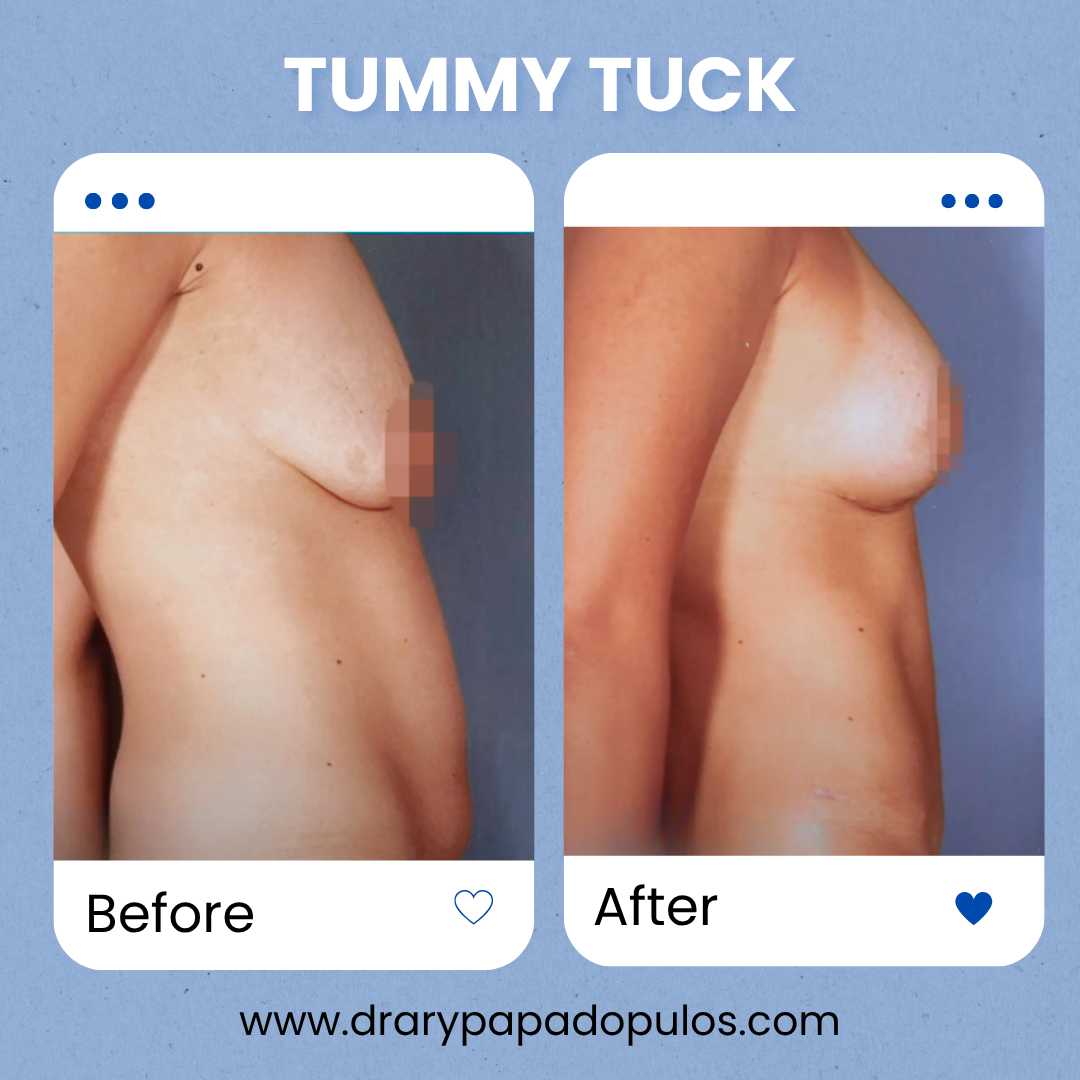
Tummy Tuck Package at Dr. Ary Papadopulos - Plastic Surgery in Mexico City, Mexico City, Mexico
Dr. Ary Papadopulos - Plastic Surgery in Mexico City
- Cosmetic/Plastic Surgery
Mexico City, Mexico
Transformative Cosmetic Plastic Surgery Experiences: Dive into Procedure Insights
Discover the power of Cosmetic Plastic Surgery through compelling patient experiences. Uncover detailed insights into procedures, recovery journeys, and life-changing results.

Price starting from $3,500
Liposuction in Medellin, Colombia
- Liposuction, Cosmetic/Plastic Surgery
Medellin, Colombia
.png)
Price starting from $4,500
Facelift in Bogota, Colombia
- Face Lift, Cosmetic/Plastic Surgery
Bogota, Colombia
-in-Medellin-Colombia.jpg)
Price starting from $5,000
Brazilian Butt Lift (BBL) in Medellin Colombia
- Brazilian Butt Lift, Cosmetic/Plastic Surgery
Medellin, Colombia

Price starting from $5,000
Mommy Makeover in Bogota, Colombia
- Mommy Makeover, Cosmetic/Plastic Surgery
Bogota, Colombia







